Building on Solid Ground: The Ultimate Guide to Your Container Home Foundation
So, you’ve decided to take the plunge into the world of alternative living. You’ve scrolled through endless Pinterest boards of sleek, industrial-chic dwellings and finally bought your first 40-foot steel box. It’s an exciting time! However, before you start cutting out windows or picking out interior paint, there is one critical element that will literally make or break your project: the container home foundation. To be honest, while the container itself is incredibly strong, it is only as stable as the ground it sits on. Without a proper base, you risk structural warping, doors that won't close, and even long-term safety hazards.
Interestingly enough, many newcomers to the shipping container movement assume that because these units are designed to carry 30 tons of cargo across the ocean, they can just be plopped down on any flat patch of dirt. I’ve found that this is the quickest way to turn a dream home into a logistical nightmare. A shipping container is designed to bear its weight at the four corner castings. If those corners aren't supported evenly, the entire structure can twist. Have you ever wondered why some container homes look perfectly level while others seem slightly "off"? Usually, the secret lies beneath the surface.
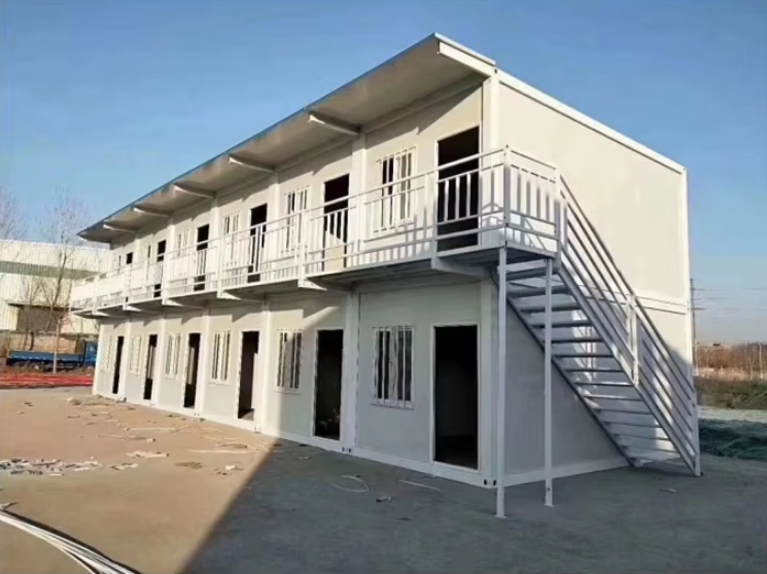
Why Your Container Home Foundation Matters More Than You Think
When we talk about a container home foundation, we aren't just talking about keeping the floor dry. We are talking about load distribution. Shipping containers are monocoque structures, meaning the outer skin carries much of the load. However, the structural integrity is concentrated at the corners. If the ground shifts—which it inevitably will due to moisture, frost heaves, or settling—the container will shift with it. This can lead to "racking," where the rectangular frame becomes a parallelogram. Suddenly, those heavy steel doors you spent hours refurbishing won't budge.
Furthermore, moisture is the silent enemy of steel. If your container sits directly on the soil, it will trap moisture against the underside, leading to rapid corrosion. A well-designed foundation provides the necessary clearance for airflow, keeping the metal dry and extending the life of your home by decades. Many experts agree that spending a bit more on the foundation phase is the best insurance policy you can buy for your build.
Choosing the Best Foundation for Shipping Container Home Projects
There isn't a one-size-fits-all answer when it comes to the best foundation for shipping container home construction. Your choice will depend on your budget, the local climate, and the soil composition of your land. Let’s break down the most common types used by professional builders and DIY enthusiasts alike.
1. Pier Foundations
Pier foundations are arguably the most popular choice for container homes. They consist of concrete blocks or poured concrete cylinders placed at the corners of the container (and sometimes at mid-points for 40-foot units). This method is cost-effective and involves the least amount of earth-moving. It’s particularly effective if you’re building on a slope, as you can vary the height of the piers to create a level platform.
2. Slab-on-Grade Foundations
If you’re looking for maximum stability and a more traditional feel, a concrete slab is a fantastic option. This involves pouring a solid sheet of concrete over the entire footprint of the home. While it’s more expensive and labor-intensive, it provides a seamless base and can even act as your finished floor if you like the polished concrete look. It’s also excellent for preventing pests from nesting under your home.
3. Pile Foundations
In areas with very soft soil or high flood risks, piles are the way to go. These are long steel tubes or wooden poles driven deep into the ground until they hit a stable layer of earth or rock. The container is then welded or bolted to the tops of these piles. It’s a heavy-duty solution that is often seen in coastal regions.

Understanding the Cost of Container Home Foundation Construction
Let’s talk numbers. The cost of container home foundation work can vary wildly. If you are going the DIY route with simple concrete piers, you might spend between $500 and $1,500 depending on the size of your home. However, if you hire a contractor to pour a full reinforced slab for a multi-container layout, you could easily be looking at $5,000 to $10,000 or more. It's worth noting that excavation and site prep often cost as much as the concrete itself.
Frankly speaking, you shouldn't cut corners here. I've seen people try to save $1,000 by using gravel pads instead of concrete piers, only to spend $5,000 later trying to level a sinking house. When calculating your budget, always factor in:
- Soil testing and site surveying.
- Permit fees (which vary by county).
- Material costs (concrete, rebar, anchor bolts).
- Equipment rental (excavators, cement mixers).
A Simple DIY Container Home Foundation Guide
For those brave souls tackling this project themselves, a DIY container home foundation guide usually starts with a pier system. It is the most manageable for a small team. Here is a high-level overview of the process:
First, you must mark your corners precisely. Use batter boards and string lines to ensure the footprint is perfectly square. Interestingly enough, if your measurements are off by even an inch, the container's corner castings won't line up with your anchor bolts. Next, dig holes below the frost line to prevent the ground from "pushing" the piers up during winter. Fill the holes with structural concrete and insert heavy-duty steel plates or J-bolts while the concrete is still wet. These will be used to weld or bolt the container to the foundation.
In my experience, the most stressful part is the "drop." When the crane arrives with your container, you have a very limited window to get it perfectly positioned on those piers. Having a professional rigger or an experienced crane operator is worth every penny during this stage. Once the container is set, it should be welded to the steel plates on the piers to ensure it can withstand high winds or seismic activity.
Common Mistakes to Avoid
Even with the best intentions, things can go wrong. One of the most common mistakes is ignoring drainage. You can have the strongest container home foundation in the world, but if water pools around it, the soil will eventually erode or become unstable. Always ensure the ground slopes away from your foundation and consider installing French drains if you live in a high-rainfall area.
Another pitfall is failing to account for the weight of the interior build-out. A bare container is light, but once you add framing, insulation, drywall, appliances, and a rooftop deck, the weight increases significantly. Make sure your foundation is engineered to handle the "live load" and "dead load" of a finished home, not just the empty shell. Have you checked your local building codes lately? Many jurisdictions have specific requirements for how deep a foundation must be or what type of reinforcement is needed.
Final Thoughts on Your Foundation Journey
Building a home out of a shipping container is a rewarding challenge that offers a unique blend of sustainability and modern design. However, the longevity of your project rests entirely on the quality of your container home foundation. Whether you choose the simplicity of piers or the robustness of a concrete slab, ensure that you prioritize precision and structural integrity over speed and cost-cutting.
By taking the time to understand your soil, plan your drainage, and execute a solid base, you’re not just building a house; you’re creating a lasting legacy. It’s a journey that requires patience, but standing inside your perfectly level, rock-solid container home for the first time makes every bit of hard work worth it. Good luck with your build!
For more detailed information, please visit our official website:container home foundation
About the author: Marcus Thorne is a structural engineer and sustainable architecture consultant with over 15 years of experience in alternative housing. Having overseen the construction of over 50 container-based structures across North America, Marcus specializes in site preparation and foundational integrity. He is a frequent contributor to architectural journals and a passionate advocate for eco-friendly building practices. When he isn't on a construction site, Marcus enjoys restoring vintage woodworking tools and hiking through the Pacific Northwest.