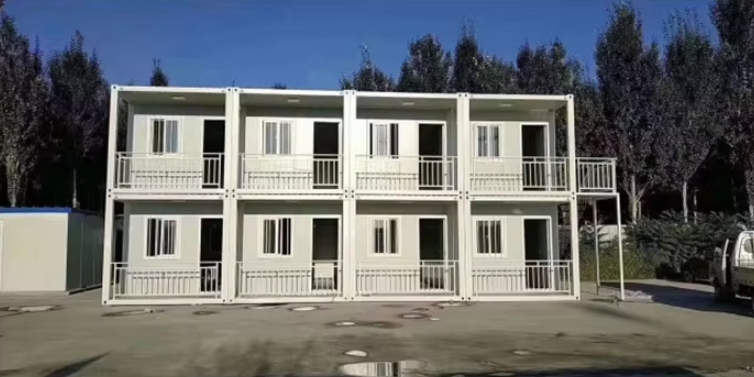
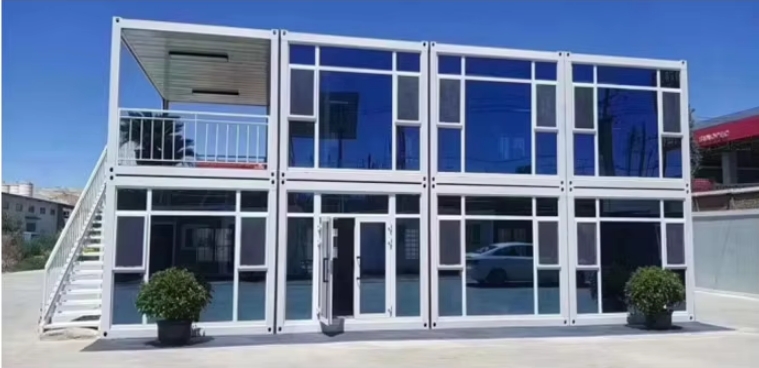
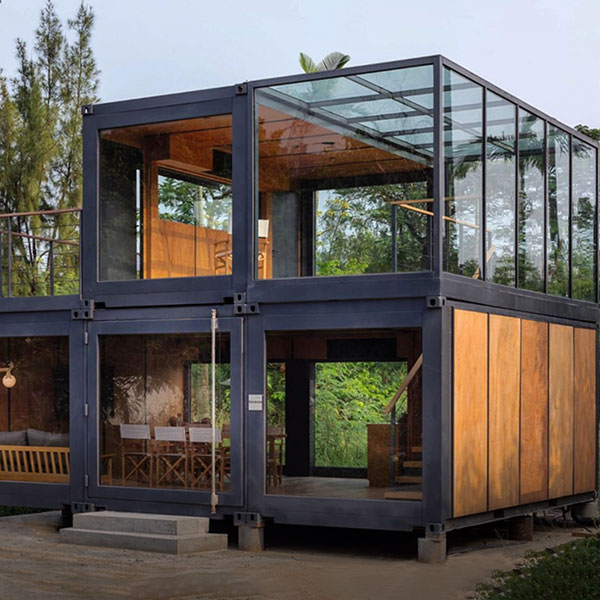
The Ultimate Guide to Shipping Container Homes Cost: From Budgeting to Moving In
Have you ever wondered if you could actually trade a traditional mortgage for a sleek, industrial-chic box? To be honest, the dream of living in a modular masterpiece is more popular than ever. However, the most pressing question for anyone starting this journey is always the same: what is the actual shipping container homes cost? While the internet is full of "DIY for $10,000" success stories, the reality is often a bit more complex and nuanced.
In my experience, many people dive into the world of alternative housing thinking it’s a shortcut to a dirt-cheap lifestyle. While it can certainly be more affordable than a traditional brick-and-mortar build, there are layers of expenses that many first-timers overlook. From the price of the steel itself to the specialized labor required to cut through it, understanding the financial landscape is crucial before you buy your first unit. Interestingly enough, the price can fluctuate wildly based on your location, your design ambitions, and how much "sweat equity" you’re willing to put in.
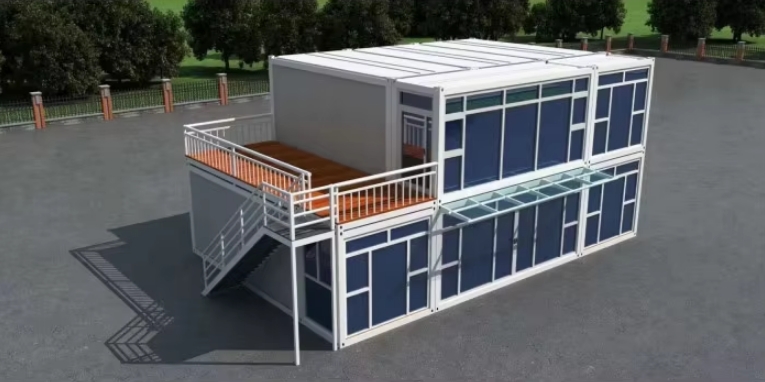
Breaking Down the Initial Shipping Container Homes Cost
When we talk about the shipping container homes cost, we have to start with the "bones" of the house. You have two primary choices: new (one-trip) containers or used containers. A standard 20-foot used container might set you back between $2,000 and $4,500, while a 40-foot "High Cube" (which offers an extra foot of vertical space) can range from $4,500 to $8,000. One-trip containers, which are essentially brand new, will obviously sit at the higher end of that spectrum.
It's worth noting that the condition of the container matters immensely. If you buy a used "as-is" container that has spent fifteen years on the high seas, you might spend more on rust remediation and structural repairs than you saved on the purchase price. Many experts agree that for a residential build, "Cargo Worthy" or "One-Trip" units are the gold standard to ensure structural integrity and a lack of toxic chemical residues from previous industrial hauls.
The Impact of Design on Your Budget
Frankly speaking, the more you cut into the steel, the more the price climbs. Every window, door, and open-concept span requires structural reinforcement. Steel is incredibly strong until you start removing large sections of it. Once you cut a massive hole for a sliding glass door, you have to weld in steel beams to prevent the roof from sagging. This specialized welding labor is a significant factor in the overall shipping container homes cost. If you are looking for affordable container housing, keeping the structural modifications to a minimum is your best strategy for staying under budget.
Site Preparation and Foundation Expenses
I've found that many aspiring container homeowners forget that their house needs a place to sit. You can't just drop a 10,000-pound steel box on a patch of grass and call it a day. Site preparation is a massive variable in your container home price breakdown. Depending on your land, you might need to clear trees, level the ground, and build a driveway for the delivery truck.
The foundation itself is another major expense. You generally have three options:
- Concrete Piers: The most affordable option, where the container sits on several concrete pillars.
- Slab Foundation: A full concrete pad that offers great stability but costs significantly more.
- Strip Foundation: Concrete footings that run under the perimeter of the container.
A basic pier foundation might cost $2,000 to $5,000, whereas a full slab for a multi-container home could easily exceed $15,000. Additionally, don't forget the cost of delivery. Getting a massive crane or a tilt-bed truck onto a remote piece of property can cost anywhere from $500 to $3,000 per container, depending on the distance from the port or depot.
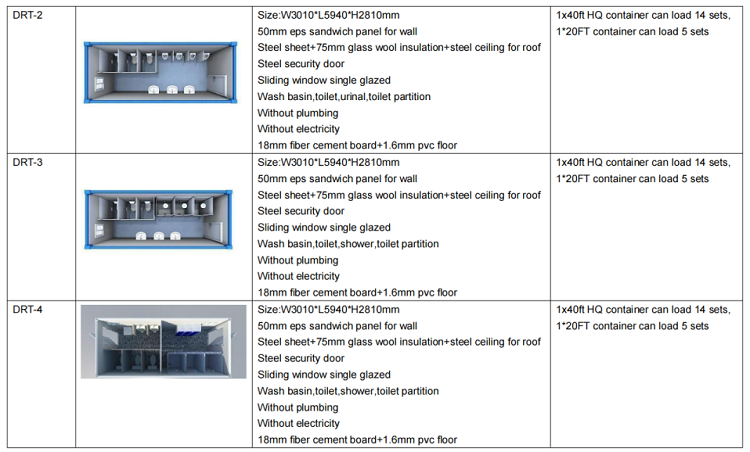
The "Hidden" Costs: Insulation, HVAC, and Utilities
This is where the shipping container homes cost often surprises people. Because you are essentially living in a giant metal oven (or freezer, depending on the season), insulation is non-negotiable. Traditional fiberglass batts usually won't cut it because of condensation issues against the steel walls. Most high-quality builds utilize closed-cell spray foam insulation. While highly effective, it is also one of the more expensive insulation methods, often costing $3,000 to $8,000 for a medium-sized home.
Then there’s the "boring" stuff: plumbing and electrical. Running wires and pipes inside a container is tricky. You either have to build out interior stud walls (which eats into your precious square footage) or run them through the floor/ceiling. Hiring a licensed plumber and electrician who is willing to work with a non-traditional structure can sometimes carry a "custom build" premium. When calculating your shipping container house expenses, always set aside a 15-20% contingency fund for these technical hurdles.
Permits and Legal Fees
Can you actually build a container home in your area? Interestingly enough, the biggest hurdle isn't the construction—it's the bureaucracy. Zoning laws and building codes vary wildly. Some counties embrace affordable container housing, while others have minimum square footage requirements or strict "aesthetic" rules that effectively ban metal homes. You may need to hire a structural engineer to stamp your plans, which can cost $2,000 to $5,000 alone. Permit fees themselves can add another $1,000 to $4,000 to your total shipping container homes cost.
Interior Finishes: From Basic to Luxury
The interior is where you have the most control over the budget. You can go with plywood walls and DIY cabinetry for a rustic look, or you can go full luxury with quartz countertops and hardwood floors. However, because the space is small, many people find they can afford higher-end finishes than they could in a 3,000-square-foot mansion. This is a key part of the modular home construction budget—deciding where to splurge and where to save.
In my experience, custom built-in furniture is almost a necessity in container living to maximize space. While this adds to the upfront shipping container homes cost, it significantly improves the livability of the home. Expect to spend anywhere from $15,000 to $50,000 on interior finishing, depending on your taste and whether you are doing the work yourself or hiring a contractor.

Is a Container Home Actually Cheaper?
So, let's look at the bottom line. If you are building a DIY single-container tiny home, your shipping container homes cost might land between $30,000 and $60,000. If you are looking for a professionally built, multi-container family home with all the bells and whistles, you are likely looking at $150,000 to $300,000.
Compared to traditional construction, you can generally save about 20% to 30% if you manage the project well. The real savings, however, often come from the speed of construction. Since the "shell" of the house is already built, you can move in much faster than with a traditional build, saving you months of rent or double-mortgage payments. To be honest, the "cool factor" and the sustainability aspect are often just as important to owners as the raw financial savings.
Ultimately, the shipping container homes cost is a reflection of your choices. By understanding the variables—from the grade of the steel to the type of insulation—you can build a home that fits your budget without sacrificing style or safety. It’s an adventure in architecture, and while it requires careful planning, the result is a unique space that truly stands out from the crowd.
For more detailed information, please visit our official website:shipping container homes cost
About the author: Marcus Thorne is a sustainable architectural consultant and professional builder with over 15 years of experience in modular construction. Having overseen the completion of over 40 container-based projects across North America, Marcus specializes in helping homeowners navigate the complex intersection of structural integrity and budget management. He is a frequent speaker at green building expos and is passionate about making high-quality, eco-friendly housing accessible to everyone.