Modular Construction Cost Savings vs Stick-Built: The Ultimate Financial Breakdown for Modern Developers
The construction industry is currently standing at a fascinating crossroads. For decades, the "stick-built" method—where every beam is cut and every nail is driven on-site—has been the undisputed king of the hill. However, as labor shortages tighten their grip and material costs fluctuate wildly, a new contender has moved from the fringes to the mainstream. We are talking, of course, about modular construction. But the big question remains: when we look at modular construction cost savings vs stick-built, which one actually leaves more money in your pocket at the end of the day?
To be honest, the answer isn't always as simple as a single line item on a spreadsheet. It involves a complex dance between time, labor, waste, and logistics. Interestingly enough, many developers are finding that the "sticker price" of modular units can sometimes be higher than traditional materials, yet the total project cost tells a very different story. Have you ever wondered why some of the world's largest hotel chains and multi-family developers are pivoting so aggressively toward off-site manufacturing?
The Labor Equation: Factory Precision vs. Field Volatility
In my experience, the single greatest driver of modular construction cost savings vs stick-built is the optimization of labor. On a traditional job site, you are paying for "windshield time"—the time workers spend driving to the site, setting up, and dealing with the logistical chaos of a live construction zone. Furthermore, you are often competing for a limited pool of expensive, specialized subcontractors who may or may not show up on time depending on the weather.
Modular construction flips this script entirely. By moving the majority of the work into a controlled factory environment, companies can utilize a permanent, localized workforce. This leads to several off-site construction financial benefits:
- Reduced Labor Rates: Factory workers often have more stable, predictable schedules, which can lead to lower hourly overhead compared to high-demand field specialists.
- Increased Productivity: In a factory, tools are always at hand, materials are staged perfectly, and workers aren't fighting the elements. This "assembly line" efficiency means more work gets done in fewer man-hours.
- Safety Savings: Controlled environments are inherently safer. Fewer accidents on-site mean lower workers' compensation insurance premiums and less risk of costly litigation.
Frankly speaking, the predictability of factory labor is a hedge against the inflation of traditional stick-built construction expenses. When you know exactly how many hours it takes to build a module, your budget becomes a fixed reality rather than a moving target.
Time is Money: The Power of Parallel Processing
It's worth noting that the most significant savings in modular construction often don't appear in the "construction" budget at all—they appear in the "financing" and "revenue" columns. This is where the prefabricated building ROI truly shines. In a traditional stick-built project, the process is linear: you dig the foundation, then you build the walls, then you do the roof, and finally the interior finishes. One delay in the foundation work ripples through the entire schedule.
With modular construction, you can engage in parallel processing. While the site team is clearing land and pouring the foundation, the factory is simultaneously building the units. By the time the foundation is cured, the modules are ready to be craned into place. This can compress the total construction schedule by 30% to 50%.
How does this translate to dollars?
- Reduced Carrying Costs: You spend less time paying interest on your construction loan. For a multi-million dollar project, shaving six months off the schedule can save hundreds of thousands in interest alone.
- Earlier Occupancy: If you are building an apartment complex or a hotel, opening six months early means six months of additional rental income. This "early revenue" often dwarfs the direct savings on materials.
- Lower General Conditions: Fewer months on-site means fewer months of paying for site security, temporary fencing, office trailers, and project management staff.
Material Waste and the Hidden Costs of the Dumpster
I've found that people often underestimate the sheer volume of waste generated on a traditional construction site. It is estimated that up to 30% of materials delivered to a stick-built site end up in a dumpster due to over-ordering, damage from the weather, or simple human error. When calculating modular construction cost savings vs stick-built, the efficiency of material usage is a major factor.
In a factory setting, materials are ordered to precise specifications. Off-cuts from one module can be used in another. Because the environment is climate-controlled, there is zero risk of lumber warping in the rain or drywall getting moldy before it's even installed. Furthermore, factories can buy materials in massive bulk, securing "preferred pricing" that a local contractor simply cannot match.
Interestingly enough, the reduction in waste also lowers your disposal fees. On a large-scale project, the cost of renting and hauling away dozens of 40-yard dumpsters can be a staggering addition to traditional stick-built construction expenses. Modular construction virtually eliminates this line item, as the factory manages waste through recycling programs and optimized cutting patterns.
The Logistics Challenge: Transportation and Cranes
To be fair, it isn't all "sunshine and savings." There are specific costs associated with modular that you don't see in stick-built. The most notable are transportation and heavy equipment. Each module must be trucked from the factory to the site, which requires specialized trailers and, in some cases, pilot cars and permits for wide loads.
Once the modules arrive, you need a high-capacity crane to set them. These cranes are expensive to rent and require a skilled crew to operate. If your site is in a remote location or a tight urban environment, these logistics can eat into your modular construction cost savings vs stick-built. However, many experts agree that these "upfront" logistical costs are usually offset by the massive reduction in on-site labor and time. It's a trade-off: you are paying more for "delivery" but significantly less for "assembly."
Quality Control and Long-Term Maintenance
When we talk about "cost," we shouldn't just look at the day the keys are handed over. We should look at the total cost of ownership over 20 years. Because modular units are built in a factory to withstand the stresses of highway transportation, they are often "over-engineered" compared to stick-built structures. They typically use more screws, more adhesive, and more structural framing to ensure they don't rack or crack during the move.
This inherent robustness leads to long-term savings in maintenance and repairs. Furthermore, the precision of factory building means better air sealing and insulation installation, which results in lower energy bills for the life of the building. When you factor in these operational efficiencies, the prefabricated building ROI becomes even more compelling for long-term owners.
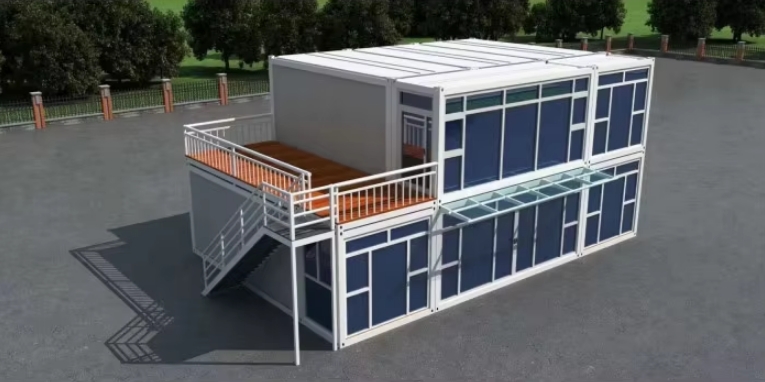
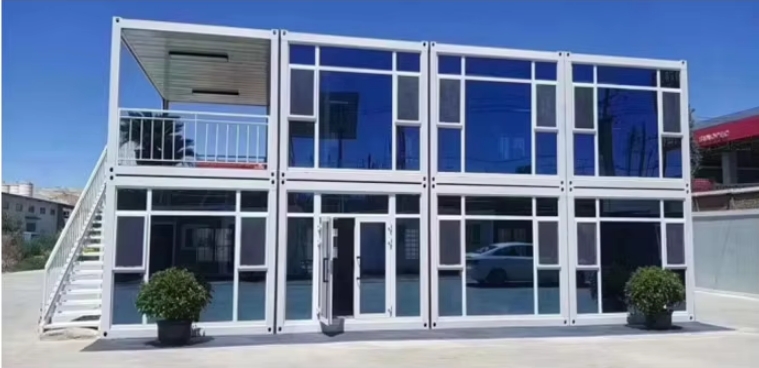
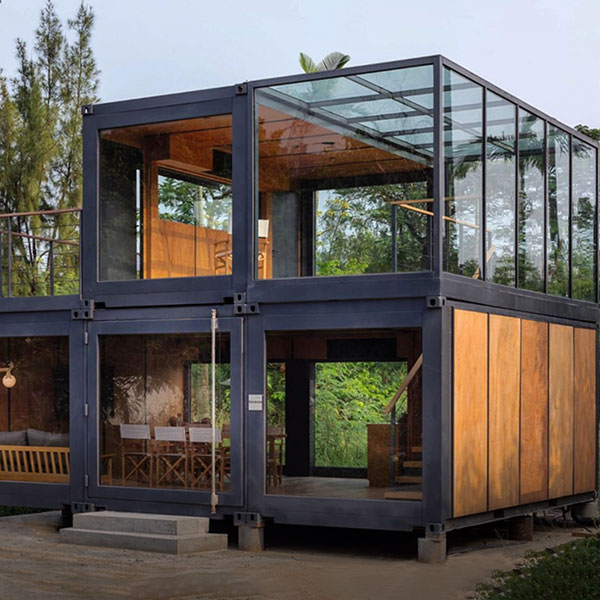
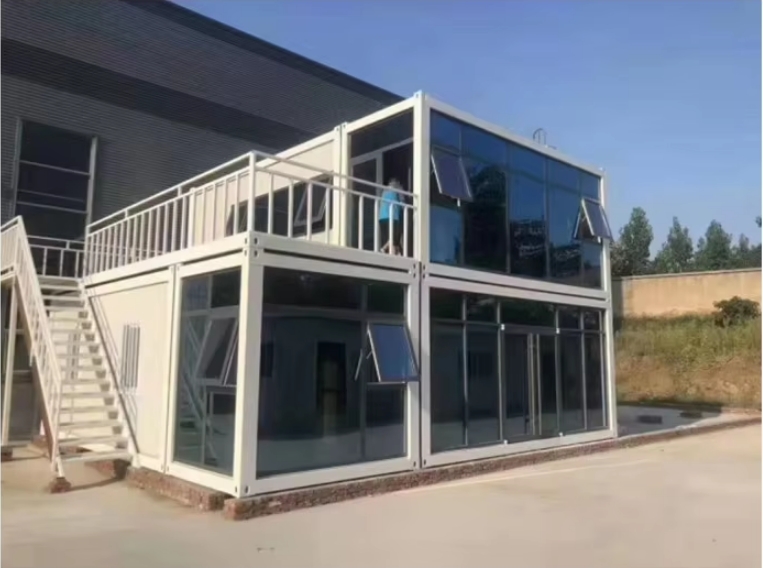
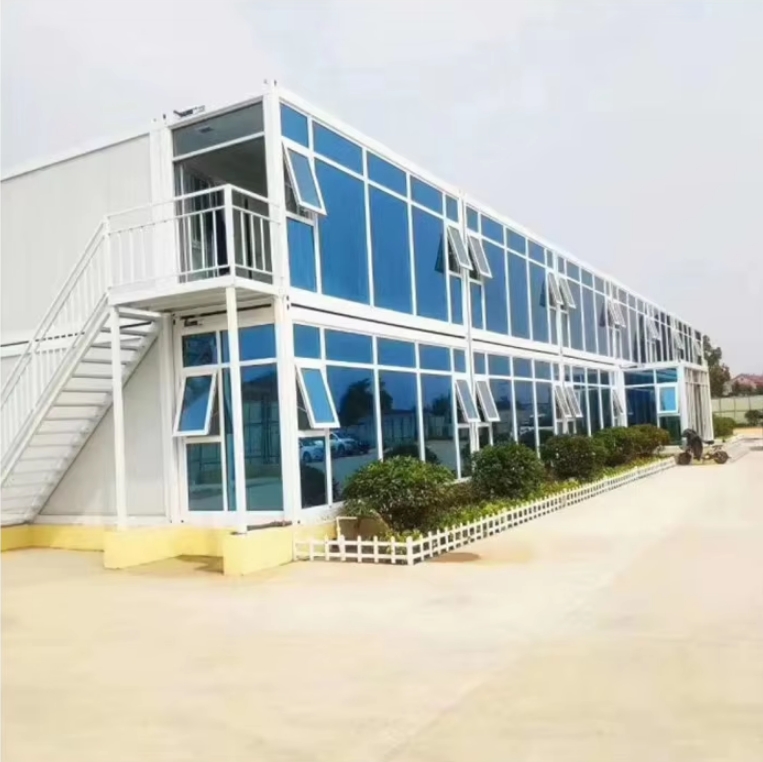
"But what about the design?" you might ask. "Don't all modular buildings look like boxes?" That is a common misconception. Modern modular design is incredibly flexible. From high-end luxury homes to sleek glass-fronted office buildings, the aesthetic possibilities are nearly endless. The savings don't come from "cheap" design; they come from "smart" execution.
Final Verdict: Which Method Wins the Price War?
Ultimately, the modular construction cost savings vs stick-built debate depends on the scale and nature of your project. For a one-off, highly custom home in a region with cheap labor and great weather, stick-built might still be the more economical choice. However, for multi-family housing, hotels, student dormitories, and projects in areas with high labor costs or short building seasons, modular construction is almost always the financial winner.
The key is to involve a modular consultant early in the design phase. You cannot simply take a stick-built plan and "make it modular" later without losing most of the efficiency. To maximize your off-site construction financial benefits, you must design for the factory from day one. By embracing the manufacturing mindset, you aren't just building a structure; you are optimizing a product.
In conclusion, while the initial quotes might look comparable, the "hidden" savings in time, labor predictability, and material efficiency make modular the superior choice for the modern developer. The construction world is changing, and those who adapt to these cost-saving technologies will be the ones who thrive in an increasingly competitive market.
For more detailed information, please visit our official website:modular construction cost savings vs stick-built
About the author: Marcus Thorne is a senior construction consultant and project manager with over 22 years of experience in both traditional residential development and large-scale industrial modular projects. Having overseen the delivery of over 1,500 modular units across North America, Marcus specializes in helping developers optimize their supply chains and maximize ROI through off-site manufacturing. He is a frequent speaker at industry tech summits and a passionate advocate for sustainable building practices.