The Ultimate Guide to the Container House Revolution: Sustainable Living Redefined
Have you ever wondered what it would be like to live in a home that was once a globe-trotting steel vessel? To be honest, the idea of a Container House might have seemed like a fringe architectural experiment a decade ago, but today, it is a full-blown movement. From sleek, minimalist bachelor pads to sprawling multi-story family estates, these steel boxes are being transformed into some of the most innovative living spaces on the planet. Interestingly enough, the appeal isn't just about the "cool factor"; it’s about addressing the modern challenges of housing affordability, environmental impact, and the desire for a bespoke lifestyle.
In my experience, people are often drawn to the concept of a Container House because it represents a break from the traditional. We are living in an era where the "cookie-cutter" suburban home no longer satisfies the soul of the modern adventurer or the eco-conscious minimalist. By upcycling a retired shipping container, you aren't just building a house; you are participating in a global effort to reduce waste and rethink how we occupy space. But before you jump headfirst into buying a 20-foot steel box, there is a lot of ground to cover. Building a home out of steel is vastly different from traditional timber-frame construction, and understanding these nuances is the key to a successful project.
Why the Container House Movement is More Than Just a Trend
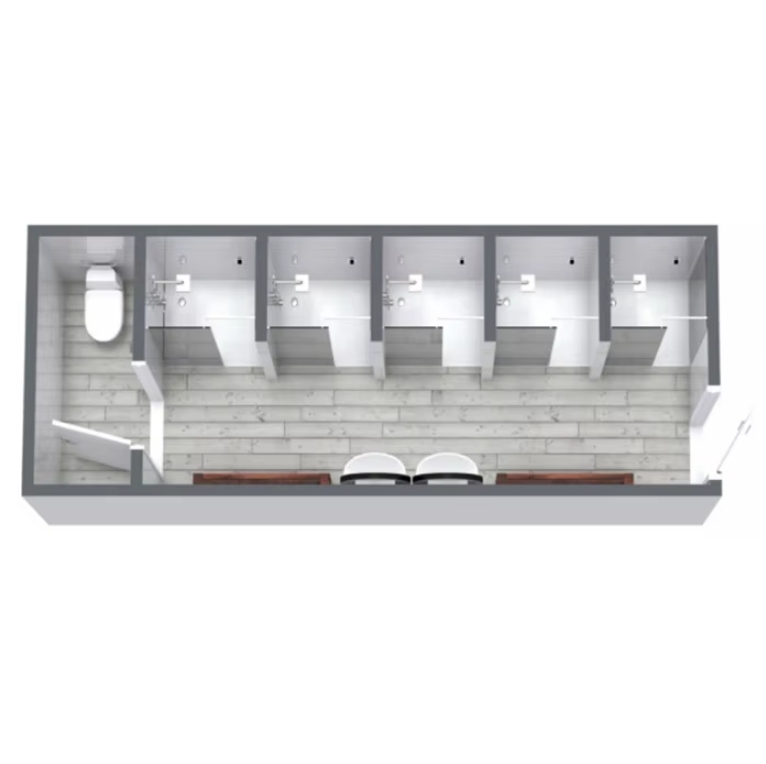
It’s worth noting that the rise of the Container House isn't just a byproduct of Instagram aesthetics. There are practical, hard-hitting reasons why architects and DIY enthusiasts alike are flocking to this medium. Firstly, the structural integrity of a shipping container is unparalleled. These units are designed to be stacked high on ocean-going vessels, enduring extreme weather and heavy loads. When you use them as the bones of a home, you are starting with a foundation that is virtually indestructible, fire-resistant, and incredibly durable.
Frankly speaking, the speed of construction is another massive draw. Because the primary structure is already complete, the "shell" of your home can be placed on-site in a single day. While a traditional home might take a year to build, a well-planned Container House can often be move-in ready within a few months. This efficiency is a game-changer for those looking to escape the endless cycle of rent or for those building in remote locations where transporting traditional materials is a logistical nightmare.
However, I’ve found that the most compelling argument for many is the sustainability factor. Every time we repurpose a shipping container, we are saving several thousand kilograms of steel from being melted down—a process that is incredibly energy-intensive. By integrating sustainable shipping container architecture into our urban landscapes, we are effectively "upcycling" on a massive scale. It’s a way to live large while leaving a smaller footprint on the Earth.
Designing Your Dream: Modular Container Home Design
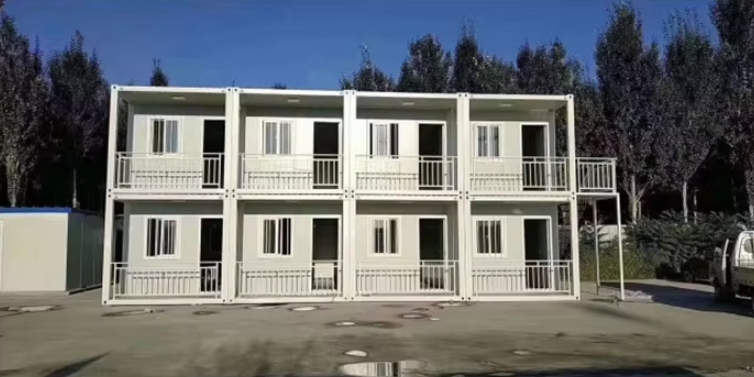
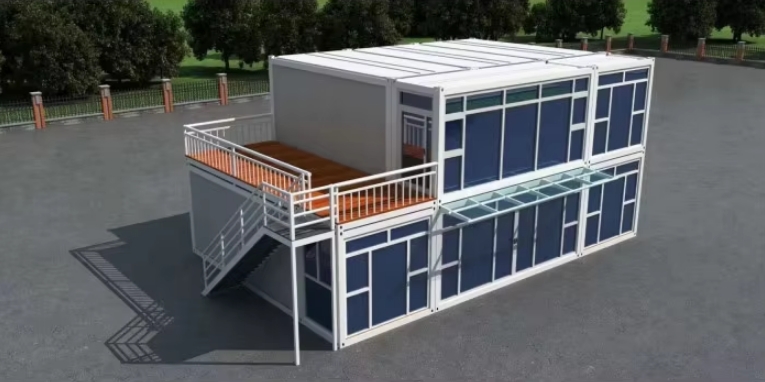
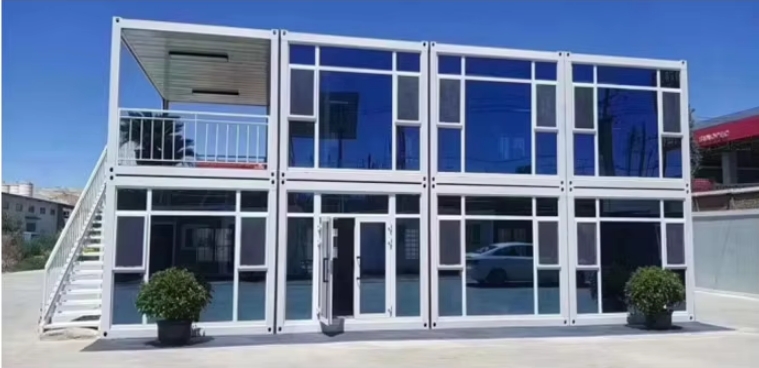
When it comes to modular container home design, the only limit is your imagination—and perhaps the laws of physics. One of the most common questions I get is, "Isn't it like living in a hallway?" The answer is a resounding no. While a single container is narrow, the magic happens when you start combining them. You can place them side-by-side and cut out the interior walls to create wide-open living spaces, or stack them at angles to create cantilevered balconies and dramatic overhangs.
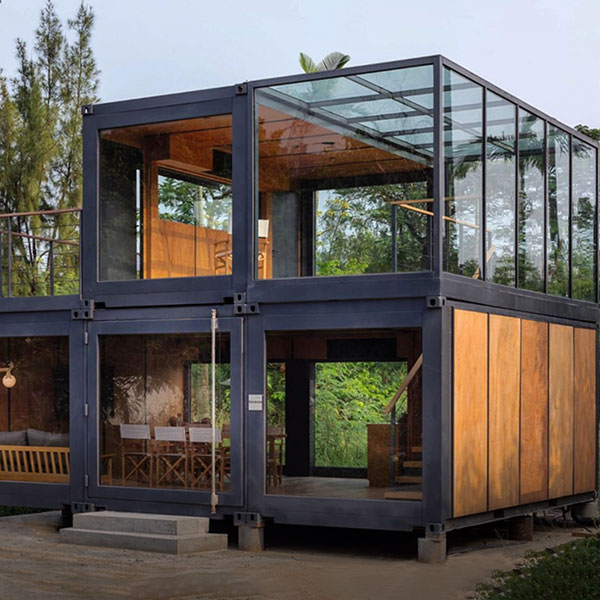
In the world of interior design, the industrial aesthetic of the container can be either embraced or completely hidden. Some homeowners love the look of the corrugated steel walls and choose to leave them exposed, painted in bold, matte colors. Others prefer a more traditional feel, lining the interior with drywall, reclaimed wood, or high-end finishes that make it impossible to tell you’re inside a shipping container. I’ve seen Container House interiors that rival five-star hotels, complete with marble countertops, heated floors, and smart-home integration.
Maximizing Small Spaces
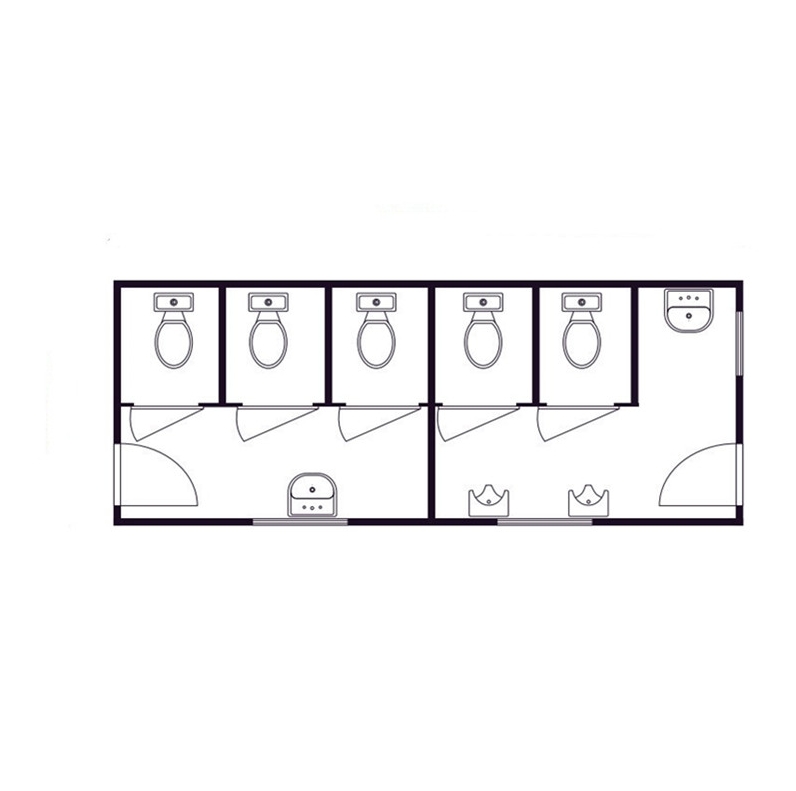
If you are working with a single 20-foot or 40-foot unit, space optimization becomes an art form. Here are a few strategies that experts agree are essential:
- Multi-functional Furniture: Think Murphy beds, foldable desks, and ottomans with hidden storage.
- Vertical Thinking: Use the height of the container for shelving and lofts.
- Light and Mirrors: Large windows and strategically placed mirrors can make an 8-foot wide space feel twice as large.
The Technical Realities: Insulation, Foundations, and Permits
Now, let’s get down to the nitty-gritty. Building a Container House isn't as simple as dropping a box on the grass. One of the most critical aspects is insulation. Steel is an incredible conductor of heat; without proper insulation, your home will be an oven in the summer and a freezer in the winter. In my experience, closed-cell spray foam is the gold standard for container homes. It provides a high R-value and creates a vapor barrier that prevents condensation—the mortal enemy of steel structures.
The foundation is another area where you cannot afford to cut corners. Depending on your soil type and the complexity of your design, you might opt for a concrete slab, pier foundations, or even a full basement. Pier foundations are particularly popular for container homes because they allow the structure to "float" above the ground, which is excellent for moisture control and gives the home a modern, light appearance. Interestingly enough, using piers also makes it easier to access plumbing and electrical lines tucked underneath the unit.
Then there is the "P-word": Permits. This is often where the dream of a Container House hits a speed bump. Building codes vary wildly from one jurisdiction to another. Some areas are very progressive and welcome shipping container home construction, while others have strict zoning laws that require "traditional" appearances. It is vital to consult with a local structural engineer and your city’s planning department before you even purchase a container. You’ll need to prove that your home can withstand wind loads, snow loads, and that it meets all safety standards for residential occupancy.
Sustainability and the Future of Eco-Friendly Living
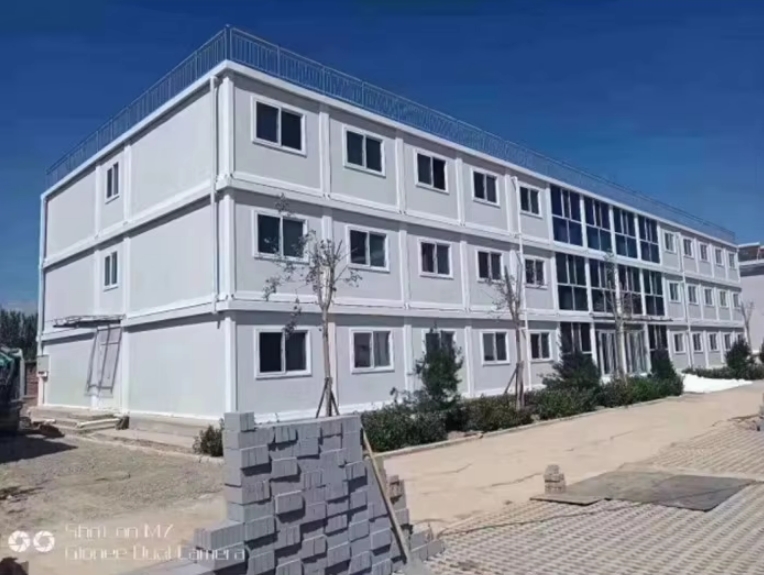
One of the most exciting aspects of the Container House movement is how it intersects with other green technologies. Because these homes are often built by people who value sustainability, they frequently feature off-grid capabilities. Imagine a home powered entirely by solar panels mounted on its flat steel roof, with a rainwater harvesting system that filters water for daily use. This isn't science fiction; it’s a reality for many container home dwellers.
Furthermore, the compact nature of many container designs encourages a minimalist lifestyle. When you have less space, you tend to consume less and value quality over quantity. This shift in mindset is perhaps the most significant environmental contribution of the movement. It’s about more than just the materials; it’s about a fundamental change in how we perceive "the good life." Many experts agree that the future of urban density might lie in modular container living, where units can be added or removed as a family’s needs change, creating a truly dynamic and flexible housing market.
Conclusion: Is a Container House Right for You?
So, after weighing the pros and cons, is a Container House the right choice for your next home? To be honest, it’s not for everyone. If you crave vast, vaulted ceilings and traditional architectural flourishes, you might find the constraints of a steel box frustrating. However, if you value innovation, sustainability, and a home that tells a unique story, then this might be the perfect path for you. It requires a bit of grit, a lot of planning, and a willingness to think outside the literal box.
The journey of building a Container House is as much about personal growth as it is about construction. It challenges you to prioritize what truly matters in a living space and rewards you with a home that is as resilient as it is beautiful. Whether you are looking for a weekend getaway in the woods or a primary residence in the heart of the city, the shipping container offers a versatile, eco-friendly, and surprisingly affordable canvas for your architectural dreams.
For more detailed information, please visit our official website:Container House
About the author: Julian Thorne is a visionary architect and sustainable design consultant with over 15 years of experience in upcycled construction. Having overseen the completion of over 40 container-based projects globally, Julian is a leading voice in the modular housing movement. He is passionate about teaching others how to blend industrial aesthetics with high-performance eco-technology to create homes that are both beautiful and kind to the planet. When he isn't designing, Julian enjoys exploring off-grid living solutions in the Pacific Northwest.