Employee Retention Modular Homes: The New Frontier in Workforce Stability
To be honest, the modern workplace is facing a crisis that isn't just about salaries, remote work flexibility, or ping-pong tables in the breakroom. We are currently navigating a landscape where the cost of living—specifically housing—is outpacing wage growth at an alarming rate. In my experience, many HR directors and CEOs are scratching their heads, wondering why their top talent is jumping ship for a marginal pay increase elsewhere. Interestingly enough, the answer often lies not in the office, but in where that employee lays their head at night. This is where the concept of employee retention modular homes enters the conversation as a radical, yet highly practical, solution.
Have you ever wondered how much more loyal an employee would be if their employer helped solve their biggest monthly expense? It’s a provocative question, but one that forward-thinking companies are beginning to answer by investing in dedicated housing developments. By utilizing modular construction, businesses can provide high-quality, sustainable, and affordable living spaces for their workforce in a fraction of the time it takes for traditional builds. This isn't just about providing a roof; it's about creating a foundation for long-term professional commitment.
The Hidden Connection Between Housing and Staff Longevity
It's worth noting that the stress of housing insecurity is a silent productivity killer. When an employee is spending 40% or 50% of their take-home pay on rent, or facing a two-hour commute because they can't afford to live near the office, their engagement at work inevitably suffers. I’ve found that the most successful retention strategies address the "whole person," not just the "worker." By integrating employee retention modular homes into a benefits package, companies are effectively removing the primary source of anxiety for their staff.
Frankly speaking, the traditional model of "work-life balance" is broken if the "life" part is spent struggling to find a stable home. When a company provides workforce housing solutions, they are essentially buying back the mental energy of their employees. This leads to lower turnover rates, reduced recruitment costs, and a much stronger company culture. It’s a shift from a transactional relationship to a transformational one, where the employer becomes a partner in the employee's overall well-being.
Furthermore, the geographical proximity of staff housing can foster a sense of community that is often lost in the era of sprawling suburbs and isolated apartments. Imagine a team that lives in a beautifully designed modular community; the organic collaboration and social bonds formed there can translate directly into better teamwork and innovation within the office walls. Many experts agree that the social capital built in these environments is an underrated asset for any corporation.
Why Modular Construction is the Perfect Fit for Workforce Housing
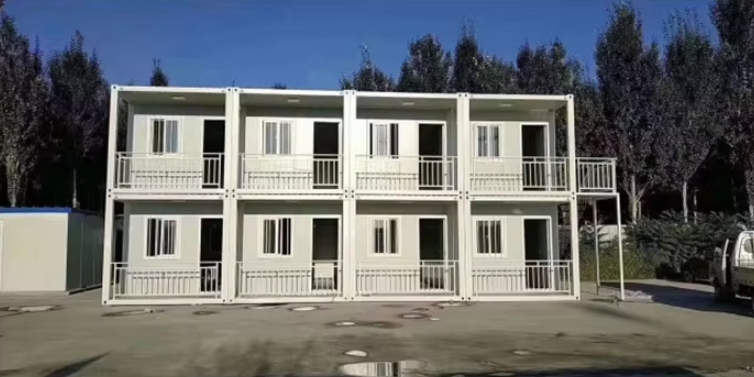
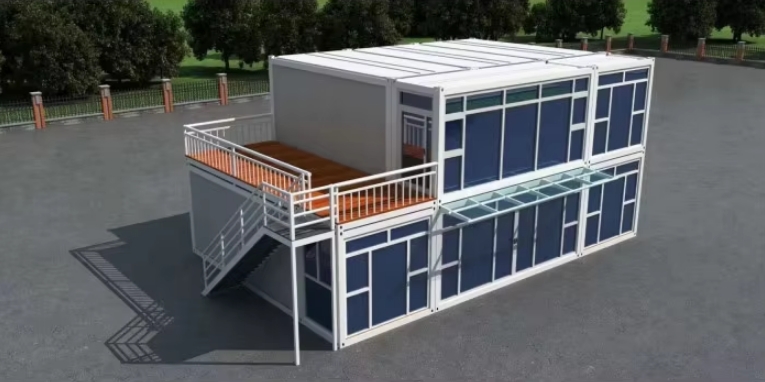
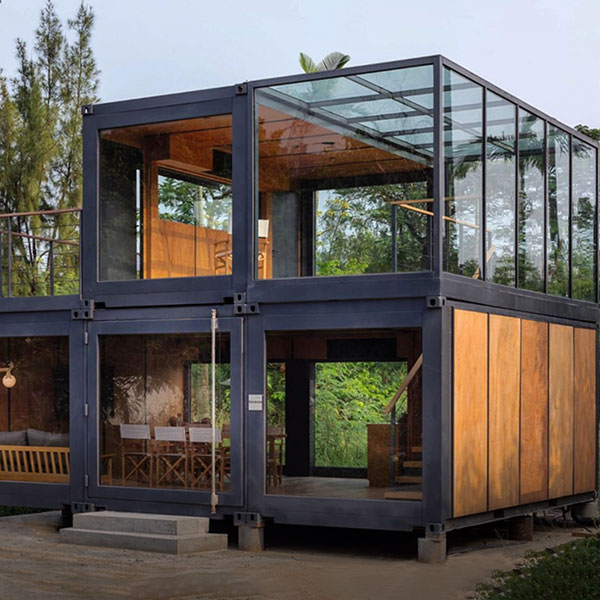
You might be asking, "Why modular?" To be honest, the old stigma surrounding modular builds—those images of flimsy "trailers"—is completely outdated. Modern modular construction for staff housing utilizes precision engineering in a factory-controlled environment. This means higher quality control, better insulation, and significantly less waste than traditional on-site construction. For a company looking to scale its housing offerings quickly, modular is the only logical choice.
One of the most significant advantages is speed. In the business world, time is money. While a traditional apartment complex might take two to three years to complete, a modular project can be ready for occupancy in half that time. Because the modules are built indoors, there are no weather delays. While the site is being excavated and the foundation is being poured, the actual living units are being manufactured simultaneously. This parallel processing is a game-changer for companies needing to house workers for a new factory or a rapidly expanding corporate campus.

Sustainability is another key factor. Many modern workers, particularly Gen Z and Millennials, prioritize environmental responsibility. Modular homes are inherently greener. They use fewer materials, produce less construction waste, and are often designed with high-efficiency HVAC systems and solar readiness. When a company offers employee retention modular homes that are also eco-friendly, they are hitting two birds with one stone: solving the housing crisis and appealing to the values of the modern workforce.
The Practical Benefits of Employee Retention Modular Homes
When we talk about employee retention modular homes, we aren't just talking about four walls and a roof; we are talking about a strategic asset. Let’s look at the specific benefits that make this an irresistible proposition for both the employer and the employee:
- Predictable Living Costs: By controlling the housing, companies can offer subsidized or stabilized rents, protecting employees from the volatility of the local real estate market.
- Reduced Commute Times: Placing housing near the workplace gives employees back hours of their day, leading to better rest and higher job satisfaction.
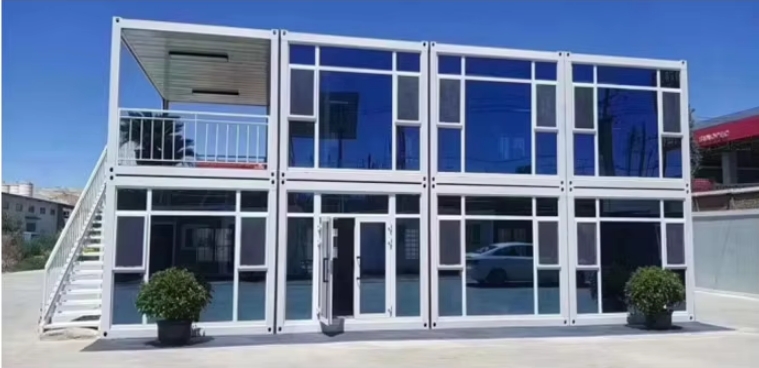
- Customization and Quality: Modular designs allow for contemporary aesthetics and high-end finishes that rival luxury apartments, making the "company housing" an aspirational place to live.
- Talent Attraction: In a competitive job market, offering a home is a more powerful incentive than a signing bonus. It’s a "sticky" benefit that makes it much harder for a competitor to poach your staff.
Interestingly enough, I've seen cases where the implementation of workforce housing solutions has completely revitalized struggling industrial towns. When a major employer invests in permanent modular structures, it signals a long-term commitment to the area, which can attract other businesses and services, further improving the quality of life for the employees living there. It’s a virtuous cycle of growth and stability.
Overcoming the Logistics of Corporate-Led Housing Projects
It's worth noting that building housing for your team isn't as daunting as it sounds, provided you have the right partners. The process typically begins with land acquisition and zoning. Many municipalities are now more open to workforce housing projects because they recognize the economic benefit of keeping workers local. Partnering with a specialized modular manufacturer who understands the nuances of modular construction for staff housing is the next critical step.
Financing these projects can also be creative. Some companies choose to own the housing outright as a real estate investment, while others partner with developers in a joint venture. There are also tax incentives and grants available in many regions for "attainable housing" projects. The key is to view the project not as a sunk cost, but as a capital investment that pays dividends in the form of reduced turnover and increased operational efficiency.
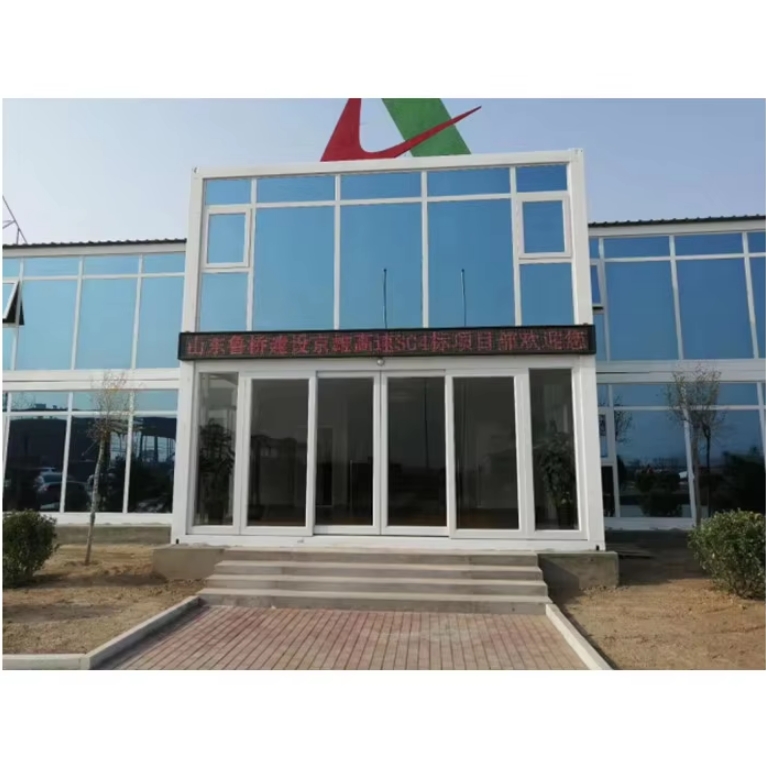
Management of the property is another consideration. Most companies aren't in the business of being landlords. The solution? Outsourcing the day-to-day management to a professional property management firm. This ensures that the employees receive top-tier service and the units are well-maintained, while the HR department can stay focused on their core responsibilities. It’s about creating a seamless experience where the employee feels cared for without the employer getting bogged down in the minutiae of plumbing repairs or lease renewals.
Measuring the Success: ROI and Cultural Impact
Frankly speaking, the return on investment for employee retention modular homes is measured in more than just dollars and cents, though the financial case is strong. If the cost of replacing a mid-level manager is 1.5 to 2 times their annual salary, preventing just five or ten departures a year can save a company hundreds of thousands of dollars. Over a decade, the housing project essentially pays for itself through turnover mitigation alone.
But beyond the balance sheet, the cultural impact is profound. I’ve found that employees who live in company-provided modular housing report a higher sense of belonging. They feel that the company is truly invested in their future. This creates a "psychological contract" that is much stronger than any legal employment agreement. In an era where "quiet quitting" and "the great resignation" have become buzzwords, providing a stable home is the ultimate antidote.
In conclusion, the adoption of employee retention modular homes represents a bold step toward a more sustainable and humane corporate world. By leveraging the speed, quality, and cost-effectiveness of modular construction, businesses can solve one of the most pressing challenges of our time. It’s time to stop thinking of housing as an "outside the office" problem and start seeing it as a core component of a winning talent strategy. After all, a happy, well-rested employee with a short commute is the most productive asset a company can have.
For more detailed information, please visit our official website:employee retention modular homes
About the author: Julian Vance is a leading consultant in industrial-organizational psychology and urban planning with over 15 years of experience. He specializes in helping Fortune 500 companies integrate innovative workforce housing solutions into their corporate strategies. Julian has published numerous white papers on the intersection of modular construction and employee well-being, advocating for sustainable development as a primary driver of long-term business success and talent retention in the modern economy.