Prefabricated House Cost Breakdown 2025: Is It Cheaper Than Traditional Building?
The housing market in 2025 is evolving faster than ever, with prefabricated homes emerging as a compelling alternative to traditional construction. But when it comes to cost, is prefab truly the budget-friendly choice? To answer this, we need to dissect the numbers, compare long-term value, and uncover the hidden factors that influence pricing. Let’s break it down.
Understanding Prefabricated vs. Traditional Construction Costs
At first glance, prefabricated homes often appear cheaper—but the reality is more nuanced. Traditional building involves on-site labor, material waste, and unpredictable timelines, all of which drive up costs. Prefab, on the other hand, leverages factory efficiency, standardized processes, and bulk material purchases. But how do these differences translate into dollars and cents?
Interestingly enough, the upfront cost of a prefab home can be 10-25% lower than a traditional build, depending on customization. However, this doesn’t account for land preparation, permits, or site-specific modifications. To truly compare, we must look beyond the sticker price.
Key Cost Drivers in 2025
- Labor: Prefab reduces on-site labor by up to 50%, but skilled factory workers command higher wages.
- Materials: Bulk purchasing in factories cuts costs, but high-quality finishes can narrow the gap.
- Time: Prefab homes can be built in weeks, while traditional builds take months—saving on financing and temporary housing.
- Waste: Traditional construction generates 30% more waste, adding to disposal costs.
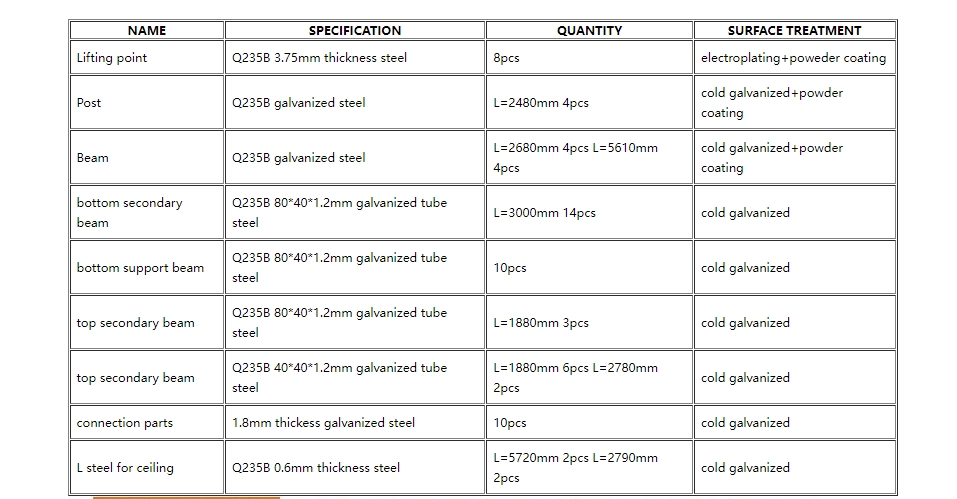
2025 Prefabricated House Cost Breakdown: Where Your Money Goes
To understand whether prefab is cheaper, let’s dissect the typical cost structure of a 1,500 sq. ft. modular home in 2025. Prices vary by region, design, and manufacturer, but here’s a general breakdown:
Base Price: $120–$180 per sq. ft.
- Factory Construction: $80–$120/sq. ft. (includes labor, materials, and assembly).
- Transportation: $5–$15/sq. ft. (varies by distance from the factory).
- Site Preparation: $10–$30/sq. ft. (foundation, grading, utilities).
Additional Costs (Often Overlooked)
- Permits and Fees: $5,000–$15,000 (varies by municipality).
- Customization: $20–$50/sq. ft. (upgrades like premium flooring, smart home tech).
- Financing: Prefab homes may qualify for different loan terms, affecting long-term costs.
- Site-Specific Modifications: $10,000–$30,000 (e.g., sloped lots, seismic upgrades).
It’s worth noting that while the base price of prefab is often lower, these additional costs can add up. For example, a fully customized modular home with high-end finishes may end up costing as much as a traditional build. However, for buyers seeking a balance between affordability and quality, prefab still offers significant savings.
Traditional Building Costs in 2025: The Full Picture
Traditional construction costs have risen steadily over the past decade, driven by labor shortages, material price fluctuations, and regulatory changes. In 2025, the average cost to build a 1,500 sq. ft. traditional home ranges from $150–$250 per sq. ft., depending on location and materials.
Where the Money Goes
- Labor: 30–40% of total cost (skilled trades like carpenters, electricians, plumbers).
- Materials: 40–50% (lumber, concrete, roofing, insulation).
- Permits and Fees: 5–10% (often higher in urban areas).
- Waste and Overages: 5–15% (unexpected delays, material shortages, design changes).
To be honest, traditional building offers more flexibility in design and customization, but this flexibility comes at a price. Delays due to weather, labor shortages, or supply chain issues can inflate costs by 20% or more. In contrast, prefab’s controlled environment minimizes these risks.

Hidden Costs and Long-Term Savings: What the Numbers Don’t Show
When comparing prefab and traditional homes, it’s easy to focus on upfront costs—but what about the long game? Here’s where prefab often shines.
Energy Efficiency and Maintenance
Prefab homes are typically built to stricter energy standards, thanks to precision factory construction. This means lower utility bills over time. For example, a well-insulated modular home can reduce heating and cooling costs by 20–30% compared to a traditional build. Over 10 years, this could translate to savings of $10,000–$20,000.
Speed of Construction
Time is money, and prefab homes can be completed in as little as 3–6 months, compared to 9–12 months for traditional builds. This faster timeline reduces financing costs (e.g., construction loans) and allows homeowners to move in sooner. In some cases, this can save $5,000–$15,000 in temporary housing and loan interest.
Resale Value
Many buyers wonder: will a prefab home hold its value? The answer is increasingly yes. As prefab construction becomes more mainstream, resale values are rising. In 2025, well-built modular homes in desirable locations are appreciating at rates comparable to traditional homes. However, it’s worth noting that customization and location still play a significant role in long-term value.
Is Prefab Cheaper? The Verdict for 2025
So, is prefabricated construction truly cheaper than traditional building in 2025? The answer depends on your priorities.
- For Budget-Conscious Buyers: Prefab wins. If you’re looking for a cost-effective, efficient build with minimal customization, prefab offers savings of 10–25% upfront, plus long-term energy and maintenance benefits.
- For Customization Lovers: The gap narrows. Highly customized prefab homes can match or exceed traditional build costs, especially if you opt for premium finishes or complex designs.
- For Urban vs. Rural: Location matters. In urban areas with high labor costs, prefab is often the clear winner. In rural areas with lower labor costs, traditional building may be more competitive.
Many experts agree that prefab’s biggest advantage isn’t just cost—it’s predictability. With traditional construction, unexpected delays and cost overruns are common. Prefab, however, offers a fixed price and timeline, making it easier to budget and plan.
But here’s the question: are you willing to trade some customization for savings and speed? For most buyers in 2025, the answer is yes.
Making the Right Choice for Your 2025 Home Build
If you’re considering a prefab home in 2025, here’s how to ensure you’re getting the best value:
1. Define Your Priorities
- Are you prioritizing cost, speed, or customization?
- Do you need a turnkey solution, or are you open to managing some aspects yourself?
2. Compare Quotes Carefully
- Request detailed cost breakdowns from both prefab manufacturers and traditional builders.
- Ask about hidden fees, such as site preparation, permits, and transportation.
3. Consider Long-Term Value
- Factor in energy savings, maintenance costs, and resale value.
- Think about how the home will fit your lifestyle in 5, 10, or 20 years.
4. Work with Reputable Builders
Whether you choose prefab or traditional, partnering with experienced professionals is key. Look for builders with strong track records, transparent pricing, and positive customer reviews. In my experience, the best builders are those who take the time to understand your needs and provide realistic expectations.
At the end of the day, the choice between prefab and traditional building isn’t just about cost—it’s about what matters most to you. If saving money and time are top priorities, prefab is likely the smarter choice in 2025. But if customization and flexibility are non-negotiable, traditional construction may still be the way to go.
For more detailed information, please visit our official website:prefabricated house cost
About the author: James Carter is a licensed architect and construction consultant with over 15 years of experience in residential and commercial building. Specializing in sustainable and cost-effective housing solutions, James has helped hundreds of clients navigate the complexities of modern construction. When he’s not advising on building projects, he enjoys hiking and writing about innovative design trends. Connect with him for expert insights on prefabricated and traditional home construction.