Why Integrated Housing is the Future of Sustainable Construction
The construction industry stands at a crossroads. With climate change accelerating and urbanization straining resources, traditional building methods are no longer viable. Enter integrated housing—a paradigm shift that merges innovation with sustainability. But what makes it the future of construction? To be honest, the answer lies in its ability to address inefficiencies, reduce environmental impact, and redefine how we think about living spaces.
Integrated housing isn’t just a buzzword; it’s a holistic approach that combines design, technology, and materials to create structures that are as efficient as they are resilient. From modular construction to smart energy systems, this method is reshaping the industry. Interestingly enough, many experts agree that its adoption isn’t just a trend—it’s an inevitability.
The Core Principles of Integrated Housing
At its heart, integrated housing is built on three pillars: efficiency, adaptability, and sustainability. Unlike conventional construction, which often operates in silos, integrated housing brings together architects, engineers, and builders from day one. This collaboration ensures that every element—from the foundation to the roof—is optimized for performance and minimal waste.
1. Efficiency Through Modular Design
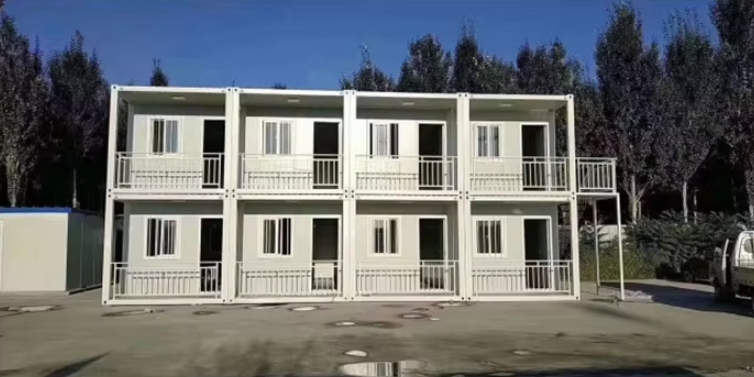
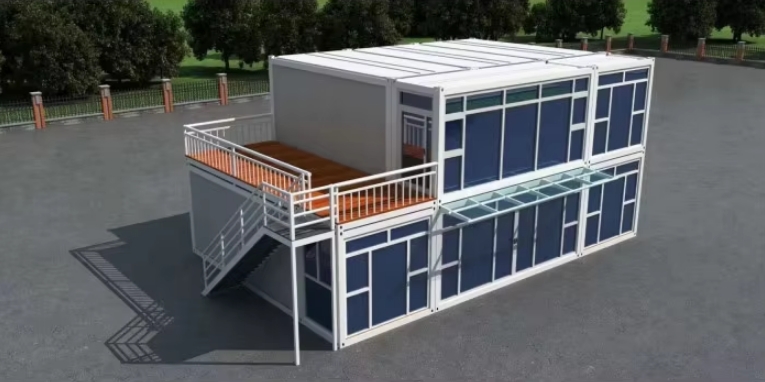
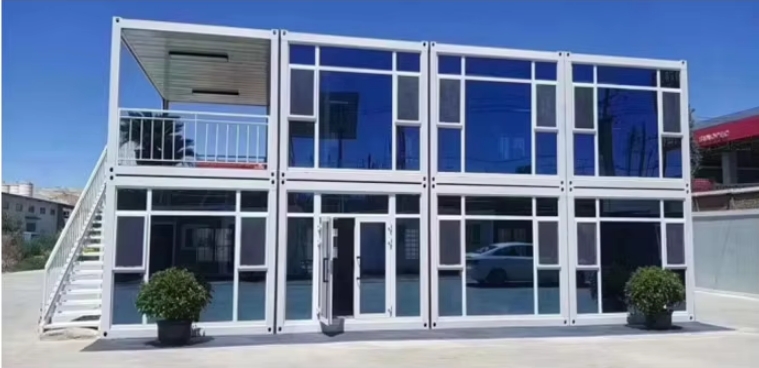
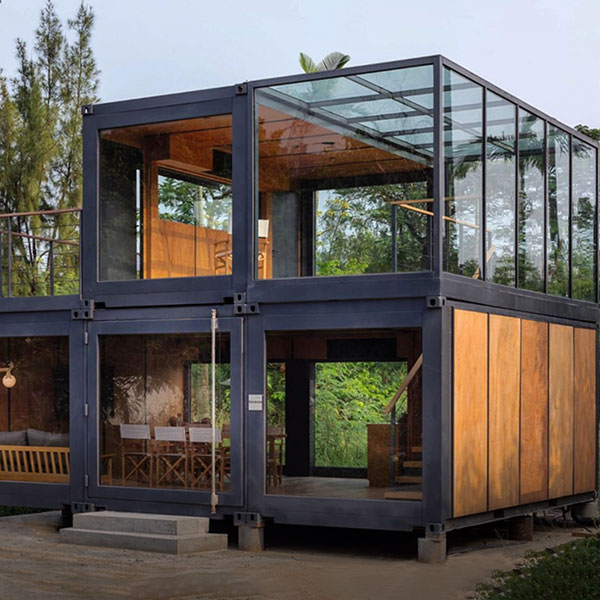
One of the most compelling aspects of integrated housing is its reliance on modular construction. By prefabricating components in controlled factory settings, builders can drastically reduce material waste and construction time. It’s worth noting that modular homes aren’t just faster to assemble; they’re also more precise. With less on-site cutting and fitting, the margin for error shrinks, leading to higher-quality builds.
For example, a traditional home might take 12–18 months to complete, while a modular integrated home can be ready in half that time. This speed doesn’t come at the expense of durability, either. Many modular structures are designed to withstand extreme weather, making them ideal for regions prone to hurricanes or earthquakes.
2. Adaptability for Future Needs
Another key principle is adaptability. Integrated housing isn’t static; it’s designed to evolve with the needs of its occupants. Whether it’s expanding a home to accommodate a growing family or retrofitting it with smart technology, these structures are built to last—and change. This flexibility is a game-changer in an era where housing demands are constantly shifting.
Consider the rise of remote work. Many homeowners now need dedicated office spaces, but traditional homes weren’t designed with this in mind. Integrated housing, however, can incorporate movable walls, multi-functional rooms, and even modular additions that adapt to new lifestyles. It’s a solution that grows with you, rather than forcing you to adapt to it.
3. Sustainability as a Non-Negotiable
Sustainability isn’t an afterthought in integrated housing—it’s the foundation. From recycled materials to net-zero energy systems, every decision is made with the environment in mind. Many integrated homes feature solar panels, rainwater harvesting systems, and passive heating and cooling designs that reduce reliance on fossil fuels.
But the sustainability benefits go beyond energy efficiency. Integrated housing also minimizes construction waste. Traditional builds can generate up to 40% of a city’s landfill waste, but modular construction cuts this figure dramatically. By reusing and recycling materials, integrated housing doesn’t just build homes—it builds a greener future.
How Integrated Housing Redefines Sustainability
Sustainability in construction isn’t just about using eco-friendly materials; it’s about rethinking the entire lifecycle of a building. Integrated housing does exactly that. Here’s how:
1. Lower Carbon Footprint
The construction industry is responsible for nearly 40% of global carbon emissions. Integrated housing tackles this head-on by reducing the need for energy-intensive processes. Factory-based construction, for instance, allows for better insulation, tighter seals, and more efficient use of resources. The result? Homes that require less energy to heat, cool, and maintain.
Moreover, integrated housing often incorporates locally sourced materials, cutting down on transportation emissions. When materials don’t have to travel thousands of miles, the carbon footprint shrinks significantly. It’s a small change with a big impact.
2. Water Conservation
Water scarcity is a growing concern, and integrated housing addresses it through innovative design. Many integrated homes feature greywater recycling systems, which repurpose water from sinks and showers for irrigation or toilet flushing. Some even include rainwater harvesting, reducing reliance on municipal water supplies.
To put this into perspective, a typical household can save up to 50,000 gallons of water per year with these systems. That’s not just good for the planet—it’s good for the wallet, too.
3. Smart Technology Integration
Sustainability and technology go hand in hand in integrated housing. Smart thermostats, energy-efficient appliances, and automated lighting systems ensure that homes use resources only when needed. These technologies aren’t just convenient; they’re essential for reducing waste and lowering utility bills.
For instance, smart thermostats can learn a household’s schedule and adjust temperatures accordingly, cutting energy use by up to 20%. When combined with solar panels and battery storage, integrated homes can achieve true energy independence. The question isn’t whether these technologies will become standard—it’s when.
The Economic Advantages of Integrated Housing
Sustainability isn’t just an environmental issue—it’s an economic one. Integrated housing offers compelling financial benefits for both builders and homeowners.
1. Cost Savings Over Time
While the upfront cost of integrated housing can be higher than traditional builds, the long-term savings are undeniable. Energy-efficient designs, durable materials, and lower maintenance requirements mean homeowners spend less over the life of the home. In fact, studies show that integrated homes can save owners 30–50% on utility bills annually.
For builders, the benefits are equally clear. Faster construction times mean lower labor costs, and modular designs reduce material waste, saving money on both ends. It’s a win-win for everyone involved.
2. Increased Property Value
As sustainability becomes a priority for buyers, integrated homes are gaining value in the real estate market. Properties with green certifications, such as LEED or Passive House, often command higher prices and sell faster than their conventional counterparts. This trend is only expected to grow as more buyers prioritize eco-friendly living.
Interestingly enough, integrated housing isn’t just for new builds. Retrofitting existing homes with modular additions or smart technology can also boost property values. It’s a smart investment for homeowners looking to future-proof their assets.
3. Job Creation and Industry Growth
The shift toward integrated housing is also creating new opportunities in the construction industry. From factory-based manufacturing jobs to roles in sustainable design, this approach is generating employment while driving innovation. Many experts agree that as integrated housing becomes more mainstream, it will spur economic growth in related sectors, from renewable energy to smart home technology.
Challenges and the Path Forward
Despite its promise, integrated housing isn’t without challenges. Overcoming these hurdles will be key to its widespread adoption.
1. Overcoming Industry Resistance
The construction industry is notoriously slow to change. Many builders are hesitant to adopt new methods, fearing higher costs or logistical challenges. However, as more success stories emerge, this resistance is beginning to fade. Our company has seen firsthand how integrated housing projects can streamline workflows and reduce waste—proving that innovation and tradition can coexist.
2. Regulatory and Zoning Barriers
Another obstacle is the patchwork of building codes and zoning laws that vary by region. Modular construction, for example, often faces stricter regulations than traditional builds. Advocacy and education will be crucial in updating these policies to support integrated housing.
3. Public Perception and Awareness
Finally, there’s the issue of perception. Many people still associate modular homes with flimsy, temporary structures. In reality, integrated housing is just as—if not more—durable than conventional builds. Changing this narrative will require showcasing the quality, design flexibility, and sustainability of integrated homes.
So, what’s the path forward? It starts with education, collaboration, and a commitment to innovation. The future of sustainable construction isn’t just about building homes—it’s about building smarter.
For more detailed information, please visit our official website:integrated housing
About the author: Dr. Elena Carter is a sustainable architecture expert with over 15 years of experience in green building design. As a leading advocate for integrated housing, she has consulted on projects across North America and Europe, helping developers and policymakers embrace eco-friendly construction. Dr. Carter holds a Ph.D. in Sustainable Urban Development and is a frequent speaker at international conferences on the future of housing. When she’s not designing the next generation of sustainable homes, she enjoys hiking and volunteering with environmental nonprofits.