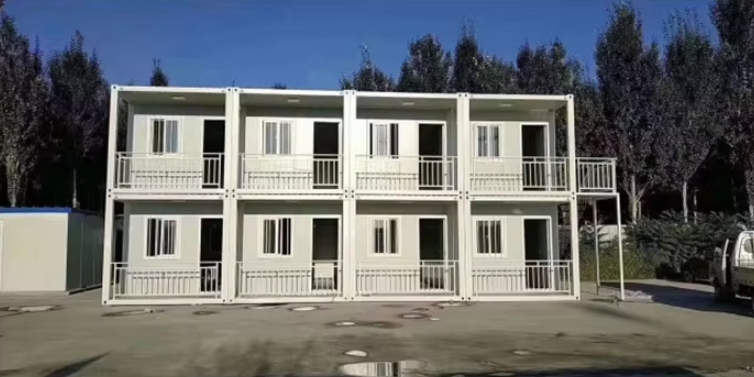
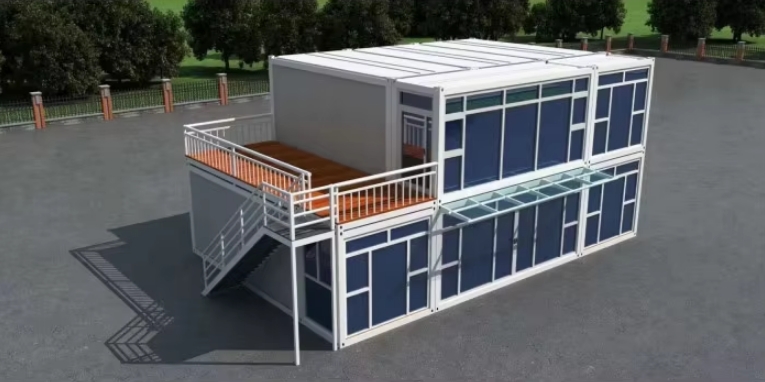
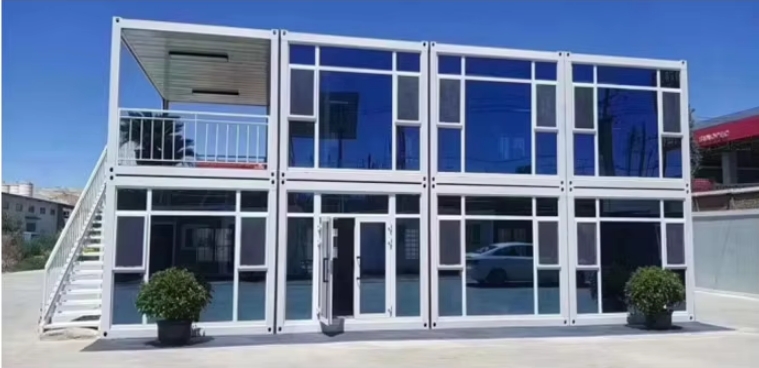
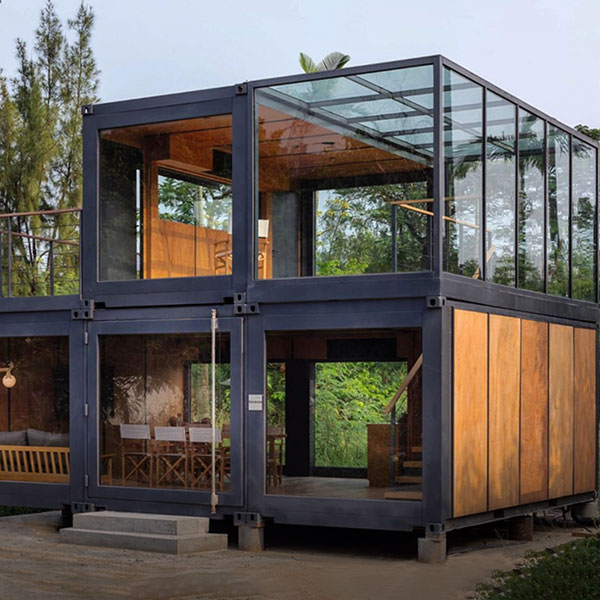
Container Houses - Durable, Portable, and Efficient: The Future of Sustainable Living
Have you ever driven past a shipping yard and wondered what happens to all those massive steel containers once they’ve served their purpose? Interestingly enough, many of them are finding a second life as the building blocks of modern, sustainable homes. Container houses—durable, portable, and efficient—are revolutionizing the way we think about housing. And frankly speaking, they’re not just a passing trend; they’re a practical solution to some of today’s biggest challenges in housing affordability, sustainability, and flexibility.
In my experience working with modular architecture, I’ve found that container homes offer something traditional housing simply can’t: a perfect blend of strength, mobility, and cost-effectiveness. Whether you’re a minimalist looking to downsize, an eco-conscious family wanting to reduce your carbon footprint, or an adventurer seeking a home that can move with you, container houses might just be the answer. But what makes them so special? Let’s dive in.
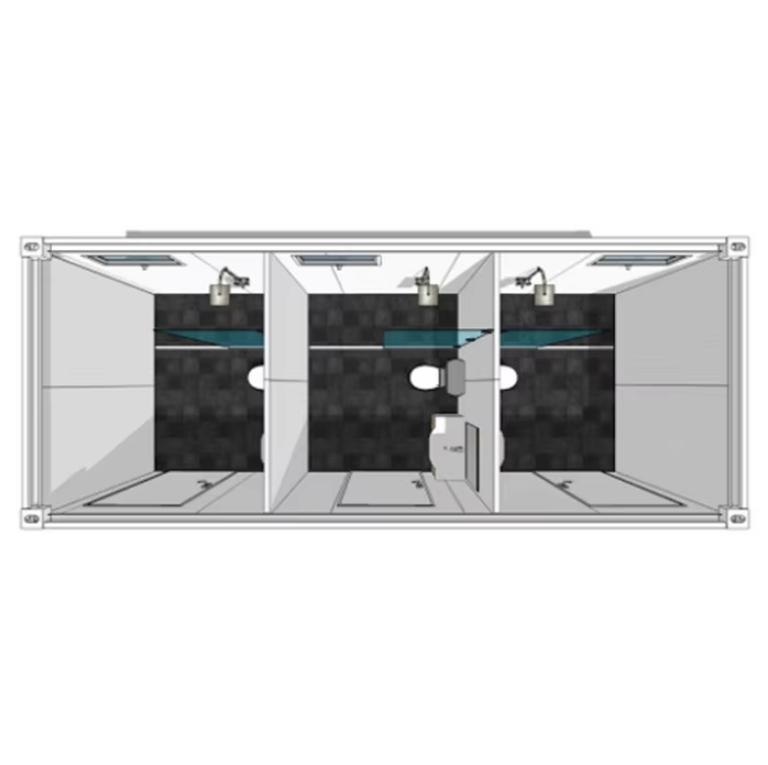
Why Container Houses Are the Ultimate Durable Housing Solution
The Unmatched Strength of Shipping Containers
When we talk about container houses being durable, we’re not just throwing around a buzzword. These structures are built to withstand the harshest conditions imaginable—think ocean voyages, extreme weather, and heavy loads. Made from corten steel, shipping containers are designed to resist corrosion, rust, and even hurricanes. In fact, a standard 20-foot container can support a stack of nine fully loaded containers on top of it. That’s a level of durability most traditional homes can’t even come close to.
To be honest, the first time I saw a container home being assembled, I was skeptical. How could something that started its life on a cargo ship be transformed into a cozy, livable space? But once I saw the structural integrity firsthand—reinforced walls, welded joints, and the sheer thickness of the steel—I was sold. These homes aren’t just strong; they’re built to last for decades with minimal maintenance.
Resistance to Natural Disasters
One of the biggest advantages of container houses is their ability to withstand natural disasters. In regions prone to earthquakes, hurricanes, or tornadoes, traditional stick-built homes can be vulnerable. Container homes, on the other hand, are inherently rigid and can be anchored to foundations in ways that make them far more resilient. For example, in Japan, where earthquakes are a constant threat, container homes are gaining popularity for their ability to absorb seismic shocks without collapsing.
It’s worth noting that while no home is entirely disaster-proof, container houses offer a level of protection that’s hard to match. And when you factor in their portability, they become an even more attractive option for those living in high-risk areas.
The Portability Factor: A Home That Moves With You
From Cargo Ships to Your Backyard
The portability of container houses is one of their most compelling features. Unlike traditional homes, which are permanently fixed to a foundation, container homes can be loaded onto a truck and transported virtually anywhere. This makes them ideal for people who love to travel, digital nomads, or anyone who values flexibility in their living situation.
I’ve met families who’ve moved their entire home across the country—twice—without ever having to pack a single box. How? By simply hiring a flatbed truck to transport their container house to their new location. No stress, no hassle, and no need to uproot their lives. It’s a level of freedom that’s hard to imagine with a conventional home.
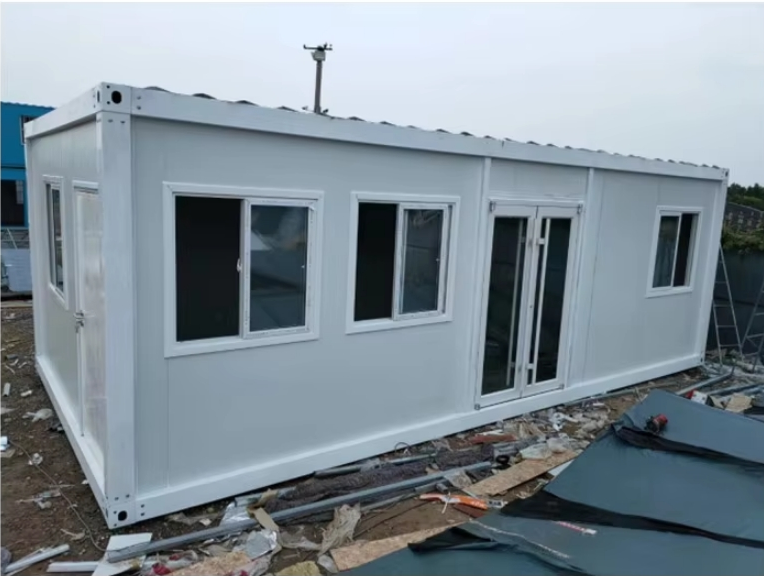
Ideal for Remote or Temporary Living
Container houses are also a fantastic solution for temporary or remote living situations. Need a home for a construction site, a seasonal retreat, or a disaster relief shelter? A container house can be deployed quickly and efficiently, providing a safe and comfortable living space in a fraction of the time it takes to build a traditional home.
For example, in Australia, mining companies often use container homes as temporary housing for workers in remote locations. These homes can be set up in a matter of days and just as easily relocated when the project is complete. It’s a win-win: workers get a comfortable place to live, and companies save on construction costs and time.
Efficiency at Its Core: Cost, Time, and Sustainability
Faster Construction, Lower Costs
One of the biggest misconceptions about container houses is that they’re cheap because they’re "just metal boxes." While it’s true that the initial cost of a shipping container is relatively low (typically between $1,500 and $5,000 depending on size and condition), the real savings come from the speed and efficiency of construction.
Traditional homes can take months—or even years—to build. Container homes, on the other hand, can be assembled in a matter of weeks. Why? Because the basic structure is already in place. Instead of starting from scratch, builders can focus on customization, insulation, and interior finishes. This not only saves time but also reduces labor costs, making container houses a far more affordable option for many people.
Eco-Friendly Living Made Simple
Sustainability is another area where container houses shine. By repurposing used shipping containers, we’re giving new life to materials that would otherwise end up in a scrapyard. This reduces the demand for new construction materials, which in turn lowers the environmental impact of building a home.
But the eco-benefits don’t stop there. Container homes can be designed to be highly energy-efficient, with features like solar panels, rainwater harvesting systems, and high-quality insulation. Many homeowners also opt for sustainable materials in their interiors, such as reclaimed wood, bamboo flooring, and low-VOC paints. The result? A home that’s not only durable and portable but also kind to the planet.
Have you ever considered how much waste is generated by traditional home construction? From excess lumber to discarded drywall, the environmental footprint is significant. Container houses, by contrast, produce far less waste, making them a smart choice for anyone looking to live more sustainably.
Designing Your Dream Container House: Tips and Inspiration
Maximizing Space in a Compact Footprint
One of the challenges of container houses is their limited square footage. A standard 20-foot container offers just 160 square feet of living space, while a 40-foot container provides around 320 square feet. But with clever design, even the smallest container can feel spacious and comfortable.
Here are a few tips to make the most of your container home’s space:
- Open Floor Plans: Removing unnecessary walls can make a small space feel much larger. Consider combining your kitchen, living, and dining areas into one cohesive space.
- Multi-Functional Furniture: Think Murphy beds, fold-out tables, and storage ottomans. Every piece of furniture should serve more than one purpose.
- Vertical Space: Don’t forget to look up! Shelving, lofted beds, and high cabinets can help you maximize storage and living space.
- Large Windows: Natural light can make a small space feel much bigger. Consider installing floor-to-ceiling windows or skylights to brighten up your home.
Customization Options: From Rustic to Modern
Container houses are incredibly versatile when it comes to design. Whether you prefer a rustic, industrial look or a sleek, modern aesthetic, there’s a container home design to suit your style. Here are a few popular styles to consider:
- Industrial Chic: Embrace the raw, unfinished look of the container with exposed steel beams, concrete floors, and minimalist decor. This style is perfect for those who love a modern, urban vibe.
- Rustic Retreat: Soften the industrial edges with wood paneling, warm colors, and cozy textiles. Add a fireplace and some outdoor seating, and you’ve got a perfect cabin-like retreat.
- Minimalist Modern: Clean lines, neutral colors, and high-end finishes can transform a container into a luxurious tiny home. Think floor-to-ceiling windows, built-in storage, and smart home technology.
- Eco-Friendly Oasis: Incorporate sustainable features like solar panels, green roofs, and rainwater collection systems. Use reclaimed materials for flooring and furniture to create a home that’s as eco-friendly as it is stylish.
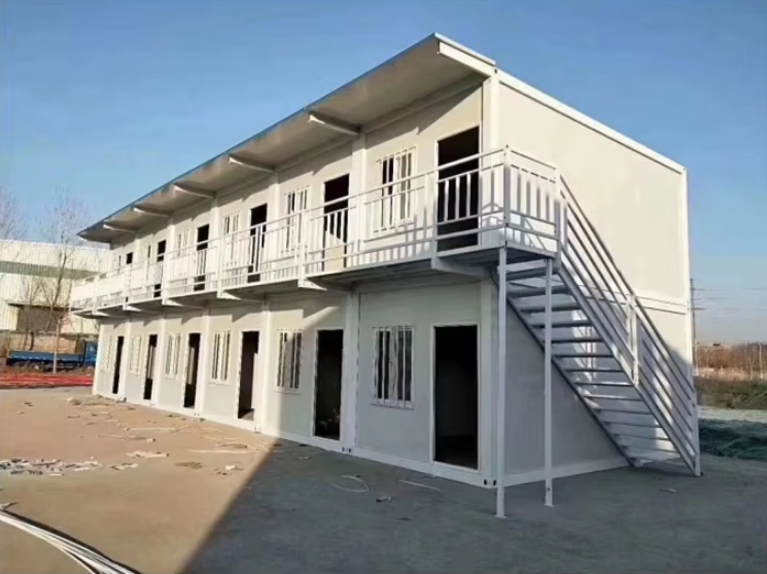
Real-World Applications: How People Are Using Container Houses Today
Affordable Housing Solutions
One of the most exciting applications of container houses is in the realm of affordable housing. With housing costs skyrocketing in many parts of the world, container homes offer a cost-effective alternative for first-time buyers, low-income families, and even homeless populations.
In cities like Los Angeles and London, container homes are being used to create micro-apartments and tiny home communities. These projects provide safe, comfortable housing at a fraction of the cost of traditional apartments. And because container homes can be built quickly, they’re an ideal solution for addressing housing shortages in urban areas.
Off-Grid Living and Tiny Home Communities
For those who crave a simpler, more self-sufficient lifestyle, container houses are a natural fit for off-grid living. With the right design, a container home can be completely self-sustaining, with solar power, composting toilets, and rainwater collection systems. This makes them perfect for remote locations where traditional utilities aren’t available.
Tiny home communities are also popping up around the world, offering a sense of community and shared resources for like-minded individuals. These communities often feature container homes, tiny cabins, and shared spaces like gardens, workshops, and communal kitchens. It’s a modern take on village living, and it’s gaining traction among people of all ages.
Commercial and Industrial Uses
Container houses aren’t just for residential use. Businesses and organizations are increasingly turning to container structures for commercial and industrial applications. Pop-up shops, mobile offices, and even restaurants are being built from shipping containers, thanks to their portability and durability.
For example, in New York City, a container-based food market called "Dekalb Market Hall" has become a popular destination for foodies. The market features a variety of vendors serving everything from artisanal coffee to gourmet tacos, all housed in repurposed shipping containers. It’s a creative use of space that’s both functional and visually appealing.
Challenges and Considerations Before Building a Container House
Zoning Laws and Building Codes
Before you dive headfirst into building a container house, it’s important to understand the legal and regulatory landscape. Zoning laws and building codes vary widely from one location to another, and not all areas are container-home-friendly. Some municipalities have strict rules about the types of structures that can be built, while others may require special permits for alternative housing.
In my experience, it’s always a good idea to consult with a local architect or builder who has experience with container homes. They can help you navigate the permitting process and ensure your home meets all the necessary requirements. It’s also worth reaching out to your local zoning board to discuss your plans before you start construction.
Insulation and Climate Control
One of the biggest challenges of container houses is insulation. Steel is an excellent conductor of heat, which means your home can become uncomfortably hot in the summer and freezing cold in the winter if not properly insulated. Fortunately, there are several effective insulation options available, including:
- Spray Foam Insulation: This is one of the most popular choices for container homes. It provides excellent thermal resistance and can be applied directly to the interior walls of the container.
- Rigid Foam Board: A more affordable option, rigid foam board can be cut to fit the walls of your container and provides good insulation value.
- Natural Insulation: For those looking for an eco-friendly option, materials like wool, cork, or recycled denim can be used to insulate your home.
It’s also important to consider ventilation and climate control. Installing windows, skylights, and even a small HVAC system can help regulate the temperature inside your container home and ensure it’s comfortable year-round.
Maintenance and Long-Term Durability
While container houses are incredibly durable, they’re not entirely maintenance-free. Over time, the steel can rust, especially in humid or coastal environments. To prevent this, it’s important to apply a high-quality rust-resistant paint or coating to the exterior of your container. Regular inspections can also help you catch any potential issues early and address them before they become major problems.
Another consideration is the condition of the container itself. If you’re using a used shipping container, it’s important to inspect it thoroughly for any signs of damage, such as dents, rust, or structural weaknesses. A reputable supplier can help you find a container that’s in good condition and suitable for conversion into a home.
For more detailed information, please visit our official website:container homes
About the author: Dr. Emily Carter is a sustainable architecture expert and advocate for eco-friendly living. With over 15 years of experience in modular and container home design, she has helped countless individuals and families create durable, portable, and efficient living spaces. Dr. Carter holds a Ph.D. in Sustainable Urban Development and is a frequent speaker at international conferences on green building practices. When she’s not designing homes, she enjoys hiking, gardening, and exploring off-grid communities around the world.