Unlocking Potential: How 2025 Zoning Laws Favor Container & Modular Homes for Developers
The world of real estate development is in constant flux, and nowhere is this more apparent than in the ever-evolving landscape of zoning laws. As we approach 2025, a significant shift is underway, one that promises to reshape how we think about housing and urban planning. Frankly speaking, for developers looking to innovate and capitalize on emerging trends, understanding these changes is paramount. Specifically, the growing acceptance and integration of container and modular homes present a compelling, often unseen, set of opportunities that align perfectly with the anticipated regulatory shifts. This isn't just about building houses; it's about building smarter, faster, and more sustainably in response to new legal frameworks.
The Shifting Sands of Zoning: What Developers Need to Know for 2025
Zoning laws have historically been a significant hurdle for alternative building methods. Often rooted in traditional construction practices, many regulations were not designed with the unique characteristics of container or modular homes in mind. However, the tide is turning. Many municipalities are recognizing the urgent need for more diverse and affordable housing options. This recognition is leading to a re-evaluation and, in many cases, an amendment of existing zoning ordinances. We're seeing a trend towards more flexible definitions of "dwelling unit," acceptance of prefabricated components, and a greater emphasis on performance-based zoning rather than prescriptive standards.
It's worth noting that the push for these changes is driven by several factors: the escalating housing crisis in many urban and suburban areas, the increasing demand for sustainable building practices, and the inherent efficiency of off-site construction. Developers who are proactive in understanding these evolving regulations will be best positioned to leverage them. The key is to look beyond the traditional barriers and see the potential that these new zoning landscapes offer. For instance, some jurisdictions are now creating specific overlays or allowances for modular and container construction, streamlining the approval process significantly.
Addressing Traditional Barriers with Modern Solutions
Historically, issues like perceived durability, aesthetic conformity, and structural integrity have been cited as reasons to restrict container and modular homes. However, advancements in design, engineering, and finishing materials have largely mitigated these concerns. Container homes, when properly engineered and insulated, are incredibly robust and can be aesthetically customized to blend seamlessly into any neighborhood. Modular homes, built in controlled factory environments, often exceed traditional site-built homes in terms of quality and precision. The challenge for developers has often been convincing local planning boards and overcoming outdated zoning codes that simply didn't account for these modern building systems.
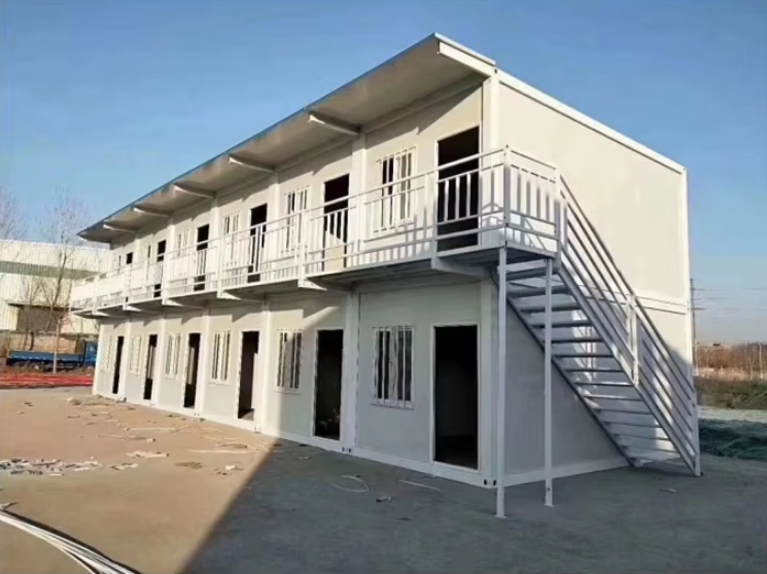
Interestingly enough, the very nature of modular and container construction lends itself to meeting many of the performance-based criteria that are becoming more prevalent in updated zoning. These systems can be engineered for superior energy efficiency, reduced construction waste, and faster build times – all factors that align with modern municipal goals for sustainable development and rapid housing delivery.
Container Homes: More Than Just Shipping Boxes
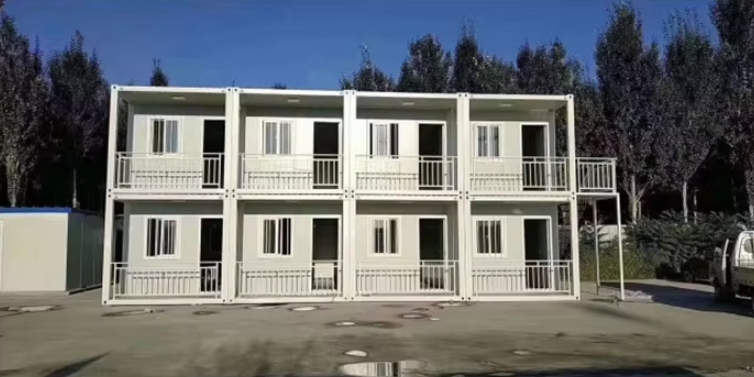
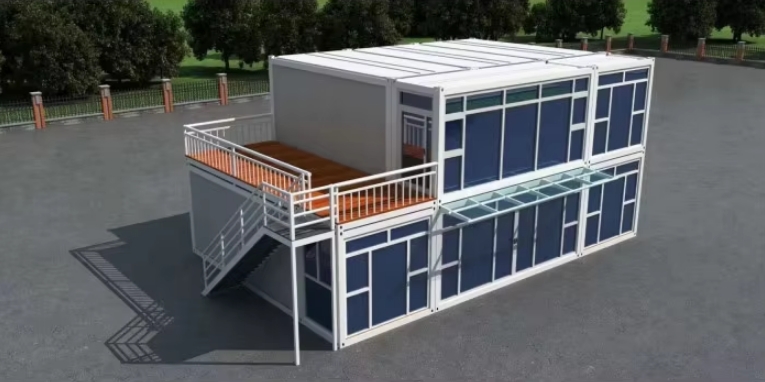
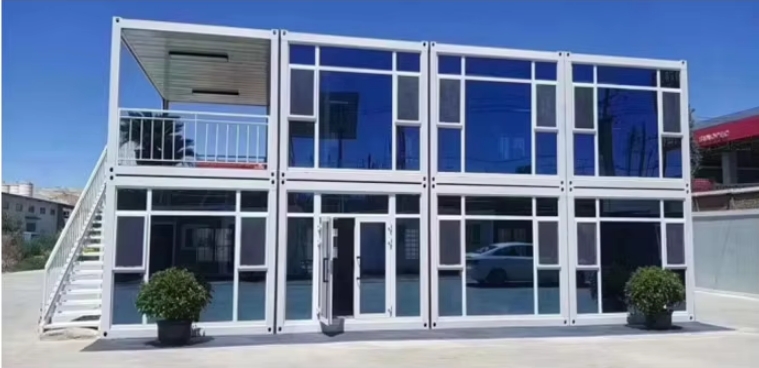
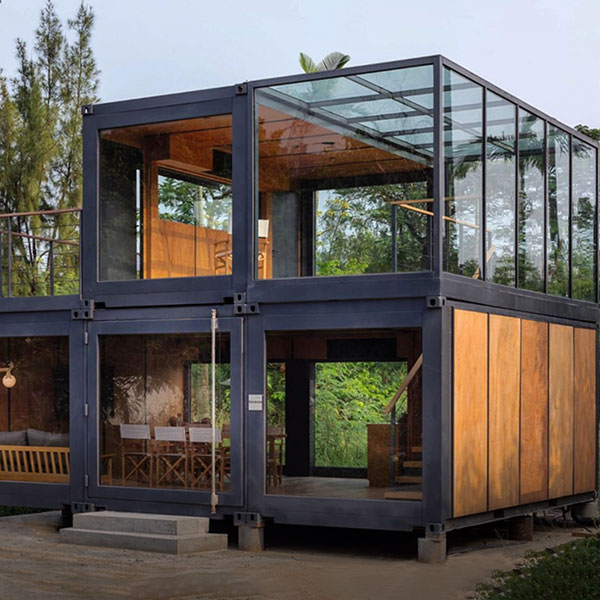
When most people think of container homes, they might picture a raw, industrial aesthetic. While that's certainly an option, the reality is far more versatile. Container homes are constructed from repurposed shipping containers, offering a unique and sustainable foundation for a dwelling. The primary advantage for developers, especially in the context of 2025 zoning laws, is their inherent modularity and speed of assembly. A container can be a room, a floor, or an entire structure, depending on the design and the number of units used.
The key to unlocking the potential of container homes lies in understanding how they can be integrated into existing zoning frameworks or how new frameworks are being adapted to accommodate them. Many cities are now recognizing the potential for container homes to address affordable housing shortages. This often translates into more lenient requirements regarding minimum square footage, foundation types, and even the allowance of multiple units on a single lot, provided they meet safety and habitability standards. Developers who embrace this understanding can find significant advantages.
The Regulatory Landscape for Container Homes in 2025
In my experience, the biggest hurdle for container homes has always been the perception of them as temporary or substandard structures. However, as zoning laws evolve, this perception is being challenged. Many jurisdictions are beginning to adopt specific building codes or amend existing ones to explicitly permit and regulate container homes. This often involves ensuring they meet the same safety, fire, and structural standards as traditional homes, which is achievable with proper engineering and construction.
For developers, this means that the path to approval for container home projects is becoming clearer. Instead of fighting uphill battles against outdated codes, they can now often find existing pathways or work with municipalities that have already established guidelines. This is a crucial aspect of Navigating 2025 Zoning Laws: Why Container & Modular Homes Offer Unseen Opportunities for Developers. The opportunities lie in the reduced lead times for approvals and the potential for lower construction costs, which can be passed on to buyers or increase profit margins.
Modular Homes: Precision, Speed, and Growing Acceptance
Modular homes, built in sections or "modules" in a factory and then assembled on-site, have long been a more accepted form of alternative construction than container homes. However, even here, zoning laws have sometimes presented challenges, particularly regarding the definition of "permanent structure" and the integration of factory-built components into traditionally zoned neighborhoods. But this is changing rapidly.
The appeal of modular construction for developers is multifaceted. The controlled factory environment ensures high-quality construction, reduced waste, and significantly faster build times compared to traditional methods. This speed is a critical factor in today's fast-paced development market. When zoning laws become more accommodating, the ability to deliver projects quickly and efficiently becomes a major competitive advantage.
How 2025 Zoning Laws Favor Modular Development
As zoning laws become more performance-oriented, modular homes shine. Their predictable quality and adherence to strict manufacturing standards mean they can often exceed the performance requirements of site-built homes in areas like energy efficiency and structural integrity. Many municipalities are now recognizing that a well-built modular home is just as, if not more, durable and sustainable than a traditional one.
Furthermore, the trend towards allowing greater density and diverse housing types in residential zones indirectly benefits modular construction. The ability to stack modules or combine them in various configurations allows for the creation of multi-family dwellings, accessory dwelling units (ADUs), and other innovative housing solutions that can fit within evolving zoning envelopes. Have you ever wondered how quickly a new apartment complex could be built if sections were prefabricated? The answer is becoming increasingly impressive.
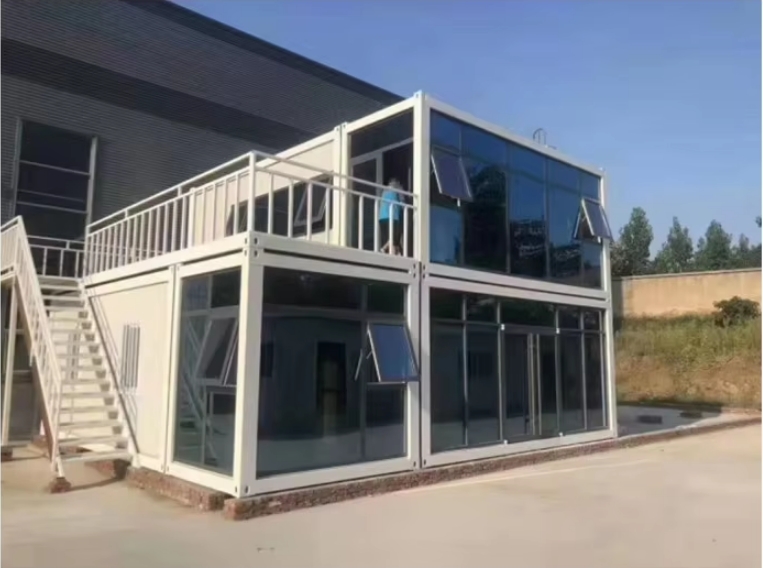
The development of specific "modular-friendly" zoning ordinances is also on the rise. These ordinances often streamline the permitting process, recognize factory certifications, and provide clear guidelines for developers. This predictability is invaluable for project planning and financial forecasting. Frankly speaking, this is where the "unseen opportunities" really come into play – in the reduction of regulatory friction and the acceleration of project timelines.
Overcoming Remaining Hurdles and Embracing the Future
While the trend is undeniably positive, developers must remain vigilant. Not all jurisdictions are moving at the same pace. Some areas may still have outdated zoning laws that require significant advocacy and education to change. It's crucial to engage with local planning departments early in the development process. Understanding the specific nuances of the zoning in your target market is key to successfully Navigating 2025 Zoning Laws: Why Container & Modular Homes Offer Unseen Opportunities for Developers.
Key strategies for success include:
- Thorough Research: Invest time in understanding the current and proposed zoning regulations in your chosen development areas.
- Early Engagement: Meet with local planning officials and community stakeholders to present your project and address any concerns proactively.
- Expert Partnerships: Collaborate with architects, engineers, and builders who have proven experience with container and modular construction and are familiar with regulatory compliance.
- Focus on Quality and Aesthetics: Ensure your projects meet or exceed all building codes and are designed to be visually appealing and integrate well with the surrounding community.
- Highlight Benefits: Emphasize the advantages of container and modular homes, such as affordability, sustainability, speed of construction, and resilience, to planning boards and the public.
The future of housing development is increasingly leaning towards innovative, efficient, and sustainable solutions. Container and modular homes are at the forefront of this movement. As zoning laws continue to adapt, these building methods will transition from niche alternatives to mainstream construction practices. Developers who embrace this shift now will be well-positioned to capitalize on the significant opportunities that lie ahead.
For more detailed information, please visit our official website:Navigating 2025 Zoning Laws: Why Container & Modular Homes Offer Unseen Opportunities for Developers
About the author: Alex Chen is a seasoned real estate development consultant with over a decade of experience navigating complex zoning regulations and championing innovative construction methods. Alex specializes in identifying emerging market opportunities and guiding developers through the intricacies of alternative housing solutions, including container and modular construction. His insights are invaluable for those looking to build efficiently and sustainably.