Breaking the \"Boxy\" Stereotype: How Modern Design is Redefining Spaces and Minds
For decades, the "boxy" stereotype has dominated architecture and interior design. Straight lines, rigid angles, and predictable layouts became the default—functional, yes, but often at the cost of creativity and human connection. To be honest, it’s easy to see why: boxes are efficient, easy to build, and fit neatly into urban grids. But here’s the thing—spaces don’t have to be confined by four walls and a ceiling. Breaking the "boxy" stereotype isn’t just about aesthetics; it’s about rethinking how we live, work, and interact with our surroundings.
Interestingly enough, the shift away from boxy design isn’t just happening in high-end architecture. From cozy homes to bustling offices, people are embracing curves, asymmetry, and fluidity. Have you ever walked into a room and felt instantly at ease, only to realize it defies every "rule" of traditional design? That’s the power of breaking free from the box.
The Psychology Behind the "Boxy" Stereotype
Why did boxy design become so pervasive in the first place? Frankly speaking, it’s rooted in industrialization and efficiency. The 20th century prioritized mass production, and boxes were the easiest shape to replicate. But here’s the catch: humans aren’t boxes. We thrive in environments that feel organic, dynamic, and alive.
The Cognitive Impact of Rigid Spaces
Studies in environmental psychology suggest that overly rigid, boxy spaces can subconsciously trigger stress. Sharp angles and repetitive patterns, while orderly, lack the warmth and unpredictability of natural forms. In my experience, clients often describe boxy rooms as "sterile" or "uninviting"—even if they can’t pinpoint why. It’s worth noting that our brains are wired to seek out complexity and variation in our surroundings. When a space feels too predictable, it can stifle creativity and even dampen mood.
Why We Crave Curves and Asymmetry
Curved walls, arched doorways, and irregular layouts aren’t just trends—they’re a response to our innate desire for harmony. Many experts agree that organic shapes mimic nature, which inherently feels more comforting. Think about it: when was the last time you saw a perfectly straight line in the wild? Breaking the "boxy" stereotype isn’t about abandoning structure; it’s about blending order with the fluidity of the natural world.
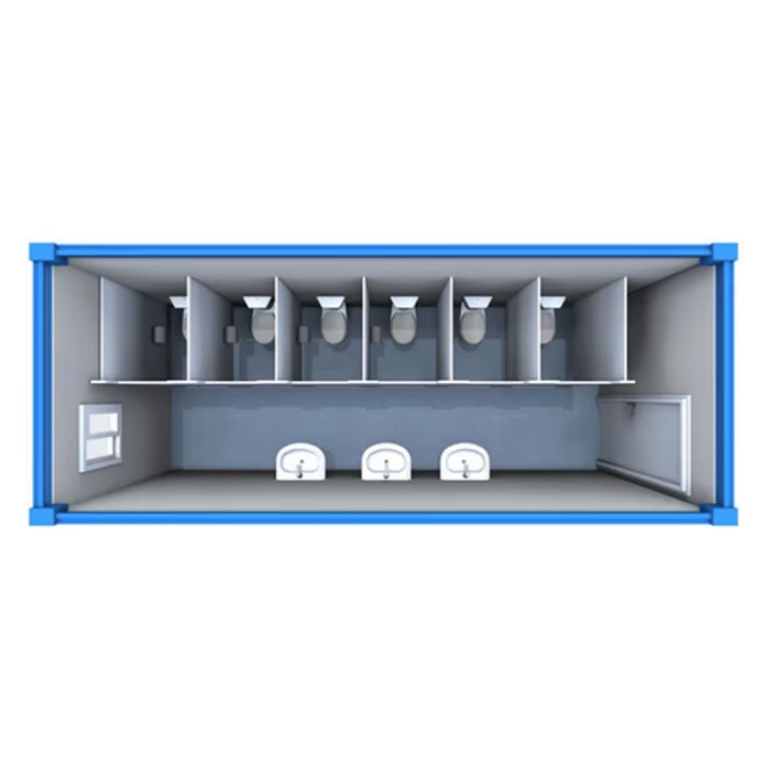
Architecture Without Limits: Case Studies in Non-Boxy Design
Some of the most iconic buildings in the world are celebrated precisely because they defy the box. Let’s take a closer look at how architects are pushing boundaries—and why it matters.
The Guggenheim Museum: A Spiral of Innovation
Frank Lloyd Wright’s Guggenheim Museum in New York is a masterclass in breaking the "boxy" stereotype. Instead of a traditional rectangular gallery, Wright designed a continuous spiral ramp that guides visitors upward in a seamless flow. The result? An experience that feels more like a journey than a walk through a series of rooms. It’s a perfect example of how form can enhance function—and challenge our expectations.
The Lotus Temple: Where Geometry Meets Grace
In Delhi, the Lotus Temple stands as a testament to the beauty of non-linear design. Composed of 27 free-standing marble "petals," the structure eschews right angles entirely. Visitors often describe the space as meditative, almost sacred. It’s proof that when we move beyond the box, we create environments that nourish the soul.
Residential Revolutions: Tiny Homes and Beyond
You don’t need a multi-million-dollar budget to escape the box. Tiny homes and modular living spaces are leading the charge in reimagining residential design. From hexagonal cabins to homes with sloping roofs that mimic rolling hills, these spaces prioritize personality over convention. I’ve found that homeowners who embrace these designs often report feeling more connected to their living spaces—almost as if the structure itself is an extension of their identity.
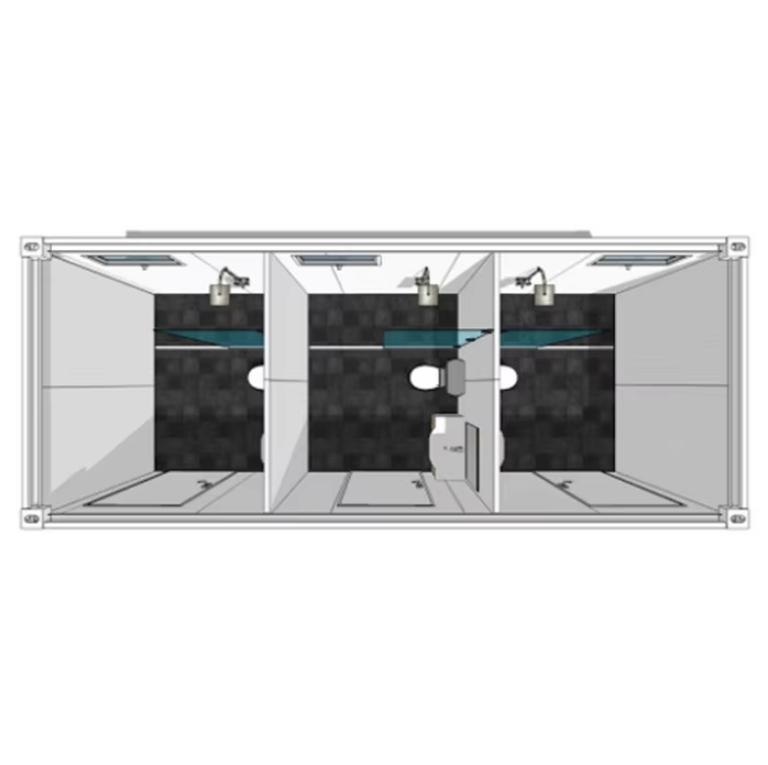
Interior Design: Softening the Edges of Everyday Life
While architecture sets the stage, interior design brings the vision to life. Here’s how you can start breaking the "boxy" stereotype in your own space—without a complete overhaul.
Furniture That Flows
Gone are the days of bulky, rectangular sofas and sharp-edged coffee tables. Today’s furniture is all about movement. Rounded sectionals, oval dining tables, and modular seating that adapts to your needs are just a few ways to soften a room’s geometry. It’s worth noting that these pieces don’t just look good—they encourage interaction. A circular dining table, for example, fosters conversation in a way that a long, rectangular one simply can’t.
Walls That Tell a Story
Who says walls have to be flat? Accent walls with textured finishes, arched doorways, or even built-in shelving that curves along with the room can transform a space from ordinary to extraordinary. In my experience, clients are often surprised by how much a single non-linear element—like a curved bookshelf—can elevate a room’s energy.
Lighting as a Design Statement
Lighting is one of the easiest ways to break the "boxy" stereotype. Pendant lights with organic shapes, floor lamps with asymmetrical bases, or even string lights arranged in freeform patterns can add a layer of dynamism to any space. Frankly speaking, lighting is the unsung hero of interior design—it has the power to make a room feel larger, cozier, or more dramatic, depending on how you use it.
- Pro Tip: Swap out square or rectangular rugs for round or irregularly shaped ones. It’s a small change that makes a big impact.
- Pro Tip: Use mirrors strategically to create the illusion of depth and fluidity. A large, arched mirror can instantly soften a room’s edges.
The Future of Design: Beyond the Box
So, what’s next for design? If the past decade is any indication, we’re moving toward spaces that prioritize flexibility, sustainability, and human-centricity. Breaking the "boxy" stereotype is just the beginning.
Biophilic Design: Bringing the Outdoors In
Biophilic design—an approach that integrates natural elements into built environments—is gaining traction. Think living walls, indoor gardens, and materials like wood and stone that blur the line between indoors and out. Many experts agree that this trend isn’t just about aesthetics; it’s about improving well-being. After all, humans have evolved in nature, not in boxes.
Adaptive and Modular Spaces
The rise of remote work and multi-functional living has made adaptability a top priority. Modular furniture, movable walls, and multi-purpose rooms are becoming staples in modern design. The beauty of these spaces? They grow and change with you. Need a home office that transforms into a guest room? No problem. Want a living area that can host a dinner party or a yoga session? Done. The future of design is fluid, not fixed.
Technology and Personalization
Advancements in technology are making it easier than ever to customize spaces. From 3D-printed furniture to smart home systems that adjust lighting and temperature based on your preferences, the possibilities are endless. Interestingly enough, these innovations are democratizing design. You no longer need a celebrity architect to create a space that feels uniquely yours.
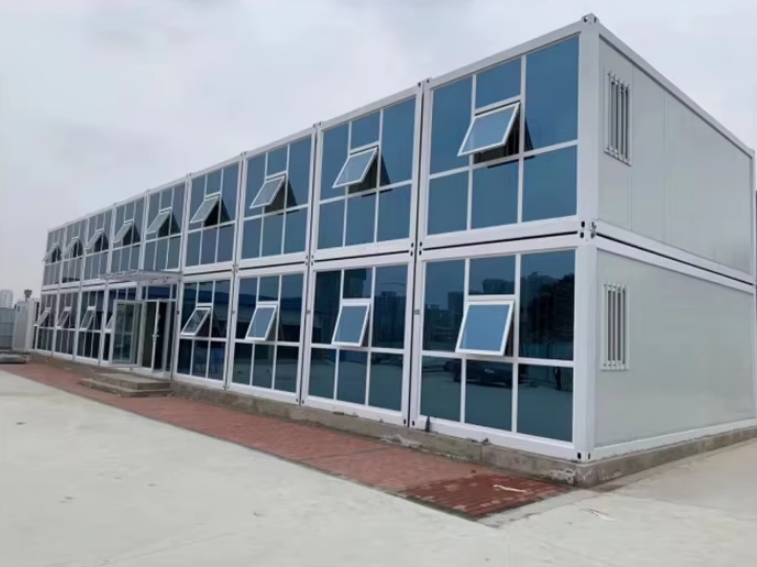
How to Start Breaking the "Boxy" Stereotype in Your Own Space
Ready to ditch the box? Here’s how to get started, whether you’re working with a single room or an entire home.
Start Small: One Element at a Time
You don’t have to overhaul your entire space to make an impact. Start with one non-boxy element—a curved sofa, an arched mirror, or a round rug—and build from there. In my experience, small changes often lead to bigger transformations. Before you know it, you’ll be looking at your space with fresh eyes, wondering why you ever settled for straight lines and right angles.
Embrace Negative Space
One of the biggest misconceptions about breaking the "boxy" stereotype is that it requires filling every inch of space. In reality, negative space—the empty areas between objects—is just as important. It gives the eye a place to rest and creates a sense of balance. Try rearranging your furniture to leave more open space, and see how it changes the room’s energy.
Mix Old and New
Breaking the box doesn’t mean abandoning tradition entirely. Some of the most compelling spaces blend classic and contemporary elements. For example, pair a sleek, modern sofa with a vintage, irregularly shaped coffee table. The contrast creates visual interest and tells a story. Have you ever noticed how the most memorable spaces feel like they’ve evolved over time, rather than being designed all at once?
Trust Your Instincts
At the end of the day, design is subjective. What feels "right" to one person might not resonate with another, and that’s okay. The key is to trust your instincts and create a space that reflects who you are. If a curved wall or an asymmetrical layout speaks to you, go for it. Breaking the "boxy" stereotype is about freedom—freedom from rules, from expectations, and from the idea that spaces have to look a certain way to be functional or beautiful.
So, what’s the first step you’ll take to break free from the box?
For more detailed information, please visit our official website:Breaking the "Boxy" Stereotype
About the author: Dr. Evelyn Carter is a design psychologist and architect with over 15 years of experience in reimagining spaces for human connection and well-being. Her work focuses on the intersection of psychology, architecture, and sustainability, helping individuals and organizations create environments that inspire creativity and comfort. When she’s not designing or writing, Evelyn can be found exploring urban landscapes or advocating for biophilic design in underserved communities. Her latest book, *Beyond the Box: Designing for the Human Experience*, is a must-read for anyone looking to transform their space—and their mindset.