Do I Have to Pay Taxes on a Capsule House? A Complete Tax Guide for Tiny Living
You’ve finally taken the plunge into minimalist living—your sleek, space-efficient capsule house is ready, and the freedom of tiny living is calling your name. But then, the dreaded question hits: Do I have to pay taxes on a capsule house? The answer, as with most tax-related questions, isn’t a simple yes or no. To be honest, it depends on where you live, how your capsule house is classified, and even how you use it. Let’s break it down so you can avoid any nasty surprises come tax season.

Understanding What a Capsule House Really Is (And Why It Matters for Taxes)
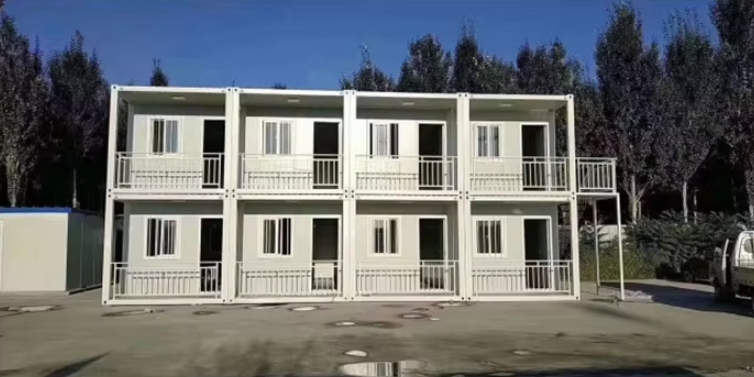
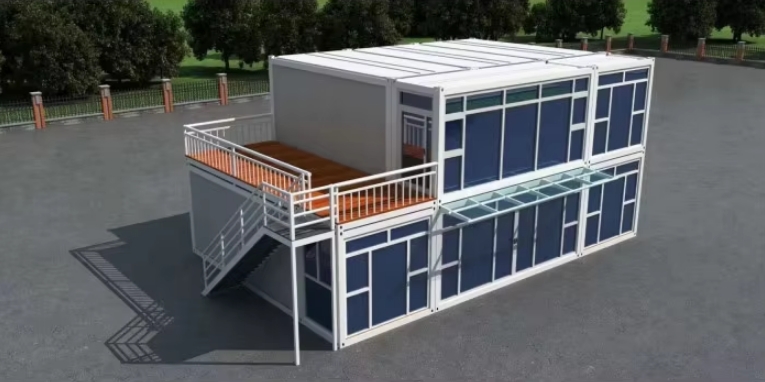
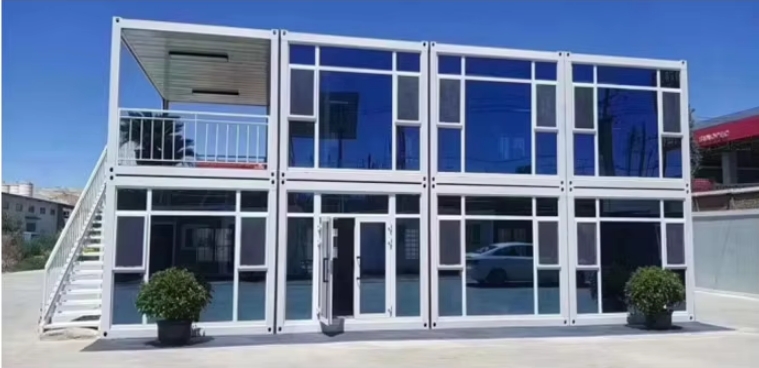
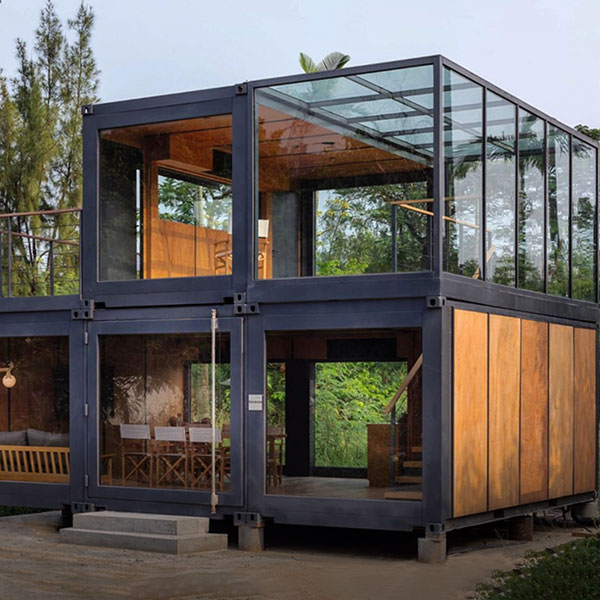
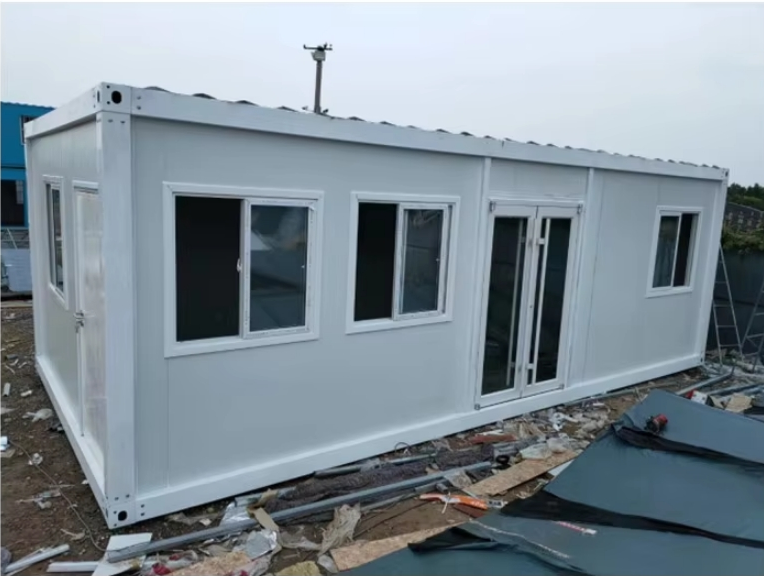
Before diving into tax implications, it’s worth clarifying what a capsule house actually is. Unlike traditional tiny homes, which are often built on trailers or permanent foundations, capsule houses are typically modular, prefabricated units designed for ultra-compact living. They’re popular in urban areas where space is at a premium, and they can range from standalone structures to stacked units in larger developments.
Here’s the kicker: tax authorities don’t have a specific category for "capsule houses." Instead, they’ll classify your tiny abode based on existing tax codes for real estate, mobile homes, or even personal property. This classification is what determines whether—and how much—you’ll owe in taxes. Frankly speaking, if you don’t get this right, you could end up overpaying or, worse, facing penalties for underreporting.
How Tax Authorities Classify Capsule Houses
The way your capsule house is taxed hinges on three key factors:
- Permanence: Is it on a foundation, or is it mobile?
- Use: Is it your primary residence, a rental property, or a vacation home?
- Location: Local tax laws vary wildly—what flies in one state or country might not in another.
For example, if your capsule house is permanently affixed to land, it’s likely to be taxed as real property, just like a traditional home. But if it’s on wheels or can be easily moved, it might be classified as personal property, similar to a vehicle or RV. Interestingly enough, some jurisdictions treat mobile capsule houses like boats—yes, boats—when it comes to taxation. Have you ever wondered if your tiny home could be taxed like a yacht? Well, in some places, it can.
Property Taxes on Capsule Houses: What You Need to Know
Property taxes are the most common form of taxation for capsule houses, especially if they’re classified as real estate. But how much you’ll pay depends on where you live and how your local government assesses value.
How Property Taxes Are Calculated
Property taxes are typically based on the assessed value of your capsule house and the land it sits on. Here’s how it works:
- Assessment: A local tax assessor determines the value of your property, often using comparable sales in the area.
- Tax Rate: Your local government sets a tax rate (often expressed as a millage rate, or dollars per $1,000 of assessed value).
- Exemptions: Some areas offer exemptions for primary residences, veterans, or low-income homeowners.
For capsule houses, the assessed value can be tricky. Many assessors aren’t familiar with tiny homes, so they might overvalue or undervalue your property. In my experience, it’s worth requesting a reassessment if you feel the initial valuation is unfair. After all, a 200-square-foot capsule house shouldn’t be taxed the same as a 2,000-square-foot suburban home.
State-by-State Variations in Property Taxes
Tax laws aren’t one-size-fits-all. Here’s a quick look at how different states handle property taxes on tiny homes, including capsule houses:
- California: Capsule houses on foundations are taxed as real property. Mobile units may qualify for lower personal property taxes.
- Texas: No state income tax, but property taxes are high. Capsule houses are taxed based on their classification (real vs. personal property).
- Florida: Offers homestead exemptions for primary residences, which can significantly reduce property taxes on capsule houses.
- Colorado: Some counties offer tax breaks for eco-friendly or affordable housing, which may include capsule houses.
It’s worth noting that some states, like Oregon and Washington, have more lenient tax policies for tiny homes, especially if they’re used as accessory dwelling units (ADUs). If you’re considering a move, it might be worth factoring in tax implications before settling on a location.
Do You Have to Pay Income Tax on a Capsule House?
Property taxes aren’t the only concern. Depending on how you use your capsule house, you might also owe income tax. Here’s where things get interesting.
Rental Income and Capsule Houses
If you rent out your capsule house—even short-term through platforms like Airbnb—you’ll need to report that income on your tax return. Many people assume that because their rental is small, it’s not worth reporting. That’s a mistake. The IRS doesn’t care about square footage; they care about income. To be honest, failing to report rental income can lead to audits, penalties, and back taxes.
On the flip side, rental income also opens the door to deductions. You can write off expenses like:
- Mortgage interest (if applicable)
- Property taxes
- Maintenance and repairs
- Utilities
- Depreciation (if the capsule house is classified as a rental property)
Depreciation is particularly valuable. If your capsule house is classified as a rental property, you can deduct a portion of its value each year, reducing your taxable income. Many experts agree that this is one of the most overlooked tax benefits for tiny home owners.
Capital Gains Tax When Selling a Capsule House
Thinking of selling your capsule house down the line? Be prepared for capital gains tax. If you sell your capsule house for more than you paid, the profit is considered a capital gain and is subject to tax. The rate depends on how long you’ve owned it:
- Short-term capital gains: If you owned the capsule house for less than a year, the profit is taxed as ordinary income.
- Long-term capital gains: If you owned it for more than a year, you’ll pay a lower rate (0%, 15%, or 20%, depending on your income).
There is a silver lining: the primary residence exclusion. If your capsule house was your primary home for at least two of the last five years, you can exclude up to $250,000 of capital gains (or $500,000 if you’re married filing jointly). This is a huge benefit for tiny home owners who live in their capsule houses full-time.
Tax Deductions and Loopholes for Capsule House Owners
Now for the good news: there are several tax deductions and loopholes that can help offset the cost of owning a capsule house. Let’s dive into the most valuable ones.
Mortgage Interest Deduction
If you financed your capsule house with a mortgage, you can deduct the interest paid on that loan, just like with a traditional home. This deduction is one of the most significant tax benefits for homeowners, and it applies to capsule houses as well—as long as the house is classified as real property. If your capsule house is on wheels or classified as personal property, you might not qualify.
Home Office Deduction
Do you work from your capsule house? If so, you might be eligible for the home office deduction. This allows you to deduct a portion of your housing expenses—like rent, utilities, and even depreciation—based on the square footage of your workspace. For capsule house owners, this can be a game-changer, especially since every square foot counts.
To qualify, your home office must be:
- Used exclusively for business
- Your principal place of business
Interestingly enough, the IRS has simplified the home office deduction in recent years. You can now take a standard deduction of $5 per square foot, up to 300 square feet. For a capsule house, that could mean a deduction of up to $1,500.
Energy-Efficient Tax Credits
Many capsule houses are designed with sustainability in mind, featuring solar panels, energy-efficient appliances, and other green technologies. If your capsule house qualifies, you could be eligible for federal or state tax credits. For example:
- Federal Solar Tax Credit: You can claim 30% of the cost of installing solar panels on your capsule house.
- Energy-Efficient Home Improvement Credit: Covers up to $1,200 for insulation, windows, and other energy-saving upgrades.
These credits can add up quickly, so it’s worth keeping receipts and documentation for any green upgrades you make.
Common Tax Mistakes to Avoid with Capsule Houses
Taxes are complicated enough without the added confusion of a non-traditional home. Here are some common mistakes capsule house owners make—and how to avoid them.
Misclassifying Your Capsule House
As mentioned earlier, how your capsule house is classified (real property vs. personal property) has a huge impact on your tax bill. Misclassifying it could lead to:
- Overpaying property taxes
- Missing out on deductions
- Facing penalties for underreporting
If you’re unsure how your capsule house is classified, consult a tax professional or your local tax assessor’s office. It’s better to ask upfront than deal with the fallout later.
Ignoring Local Zoning Laws
Zoning laws can affect how your capsule house is taxed. For example, if your local government doesn’t recognize capsule houses as legal residences, you might not qualify for homestead exemptions or other tax breaks. In some cases, you could even be hit with fines for living in an "illegal" structure.
Before purchasing or building a capsule house, check your local zoning laws. Some areas are more tiny-home-friendly than others, and it’s worth doing your homework to avoid costly mistakes.
Failing to Keep Records
Whether you’re deducting mortgage interest, claiming energy-efficient credits, or reporting rental income, documentation is key. Keep receipts, contracts, and any correspondence with tax authorities. Many capsule house owners assume that because their home is small, they don’t need to keep detailed records. That’s a risky assumption.
In my experience, the IRS is more likely to audit taxpayers with unusual deductions—like those for tiny homes. Having thorough records can save you a lot of headaches if you’re ever audited.
Final Thoughts: Navigating Taxes on Your Capsule House
So, do you have to pay taxes on a capsule house? The short answer is yes—but how much you pay depends on a variety of factors, from where you live to how you use your tiny home. The good news is that with the right knowledge, you can minimize your tax burden and even take advantage of deductions and credits designed to help homeowners like you.
Here’s a quick recap of what we’ve covered:
- Capsule houses can be taxed as real property, personal property, or even like vehicles, depending on their classification.
- Property taxes vary by state and locality, so research your area’s laws before buying or building.
- Rental income from capsule houses is taxable, but you can offset it with deductions for expenses and depreciation.
- Capital gains tax applies when selling a capsule house, but the primary residence exclusion can save you thousands.
- Deductions like mortgage interest, home office expenses, and energy-efficient credits can significantly reduce your tax bill.
At the end of the day, the key to navigating taxes on a capsule house is proactive planning. Consult a tax professional who understands tiny homes, keep detailed records, and stay informed about local laws. With the right approach, you can enjoy the benefits of capsule living without the tax headaches.
Have you already dealt with taxes on your capsule house? What was your experience like? Share your story in the comments—we’d love to hear from you!
For more detailed information, please visit our official website:Do I have to Pay Taxes on a Capsule House?
About the author: James Carter is a certified public accountant and tiny living enthusiast with over a decade of experience helping alternative homeowners navigate tax laws. When he’s not crunching numbers, you can find him exploring off-grid communities or advocating for sustainable housing policies. James believes that financial freedom and minimalist living go hand in hand—and he’s passionate about helping others achieve both.