What Are Your Opinions/Experiences on Container Houses? A Deep Dive into Modern Living
Have you ever driven past a sleek, industrial-looking home and thought, "Wait, is that made from a shipping container?" If so, you’re not alone. Container houses have exploded in popularity over the past decade, sparking debates about sustainability, affordability, and even aesthetics. But what are your opinions/experiences on container houses? Are they a brilliant solution to housing crises, or just a trendy fad with hidden drawbacks?
To be honest, the answer isn’t black and white. Container homes offer undeniable benefits—like cost savings and eco-friendliness—but they also come with challenges that aren’t always obvious at first glance. In this article, we’ll explore real experiences, expert insights, and the nitty-gritty details of living in (or building) a container house. Whether you’re a curious observer, a potential builder, or just someone who loves unique architecture, there’s something here for you.
The Rise of Container Houses: Why Are They So Popular?
Container houses aren’t just a passing trend—they’re a response to some of the biggest challenges of modern living. Here’s why they’ve captured the imagination of architects, environmentalists, and budget-conscious homeowners alike.
1. Affordability: A Budget-Friendly Alternative
Let’s face it: traditional housing is expensive. Between skyrocketing land prices, construction costs, and labor fees, building a conventional home can feel like an impossible dream for many. This is where container houses shine. A used shipping container can cost as little as $1,500 to $5,000, depending on size and condition. Compare that to the average cost of building a new home in the U.S. (over $300,000), and it’s easy to see the appeal.
But here’s the catch: while the container itself is cheap, the cost of converting it into a livable space can add up. Insulation, plumbing, electrical work, and interior finishes aren’t free. Many first-time builders are surprised by how quickly expenses pile up. That said, even with these added costs, container homes often come in at 20-30% less than traditional builds. For those asking, "What are your opinions/experiences on container houses?" affordability is usually the first thing that comes to mind.
2. Sustainability: Repurposing with Purpose
There are an estimated 17 million shipping containers sitting unused around the world. Many of these containers are retired after just one or two trips across the ocean because it’s cheaper to build new ones than to ship empty ones back. This creates a massive environmental problem—until you realize that these steel boxes can be given a second life as homes.
Repurposing containers reduces the need for new construction materials like brick, concrete, and wood, which have a significant carbon footprint. Additionally, container homes can be designed to be energy-efficient, with features like solar panels, rainwater harvesting systems, and high-quality insulation. Interestingly enough, some container homes are even built to be off-grid, further reducing their environmental impact.
Of course, sustainability isn’t just about the materials. It’s also about longevity. A well-built container home can last 25-30 years or more, especially if it’s properly maintained. But here’s a question to consider: if container homes are so sustainable, why aren’t more people adopting them? The answer might surprise you.
3. Speed and Simplicity: Building in Record Time
Traditional home construction can take months, if not years. Container houses, on the other hand, can be built in a fraction of that time. Since the "shell" of the home is already in place, builders can focus on interior work, cutting down on construction time significantly. Some companies even offer prefabricated container homes that can be assembled on-site in just a few days.
This speed is a game-changer for people who need housing quickly, such as those displaced by natural disasters or looking for temporary housing solutions. It’s also appealing to DIY enthusiasts who want to take on a project without the hassle of traditional construction. Frankly speaking, the idea of building a home in weeks instead of months is incredibly enticing.
Real-Life Experiences: What’s It Really Like to Live in a Container House?
Now that we’ve covered the basics, let’s dive into the real heart of the matter: what are your opinions/experiences on container houses when it comes to day-to-day living? To answer this, we’ll look at firsthand accounts from container homeowners, as well as some of the challenges they’ve faced.
The Good: Why People Love Their Container Homes
For many, living in a container house is a dream come true. Here’s why:
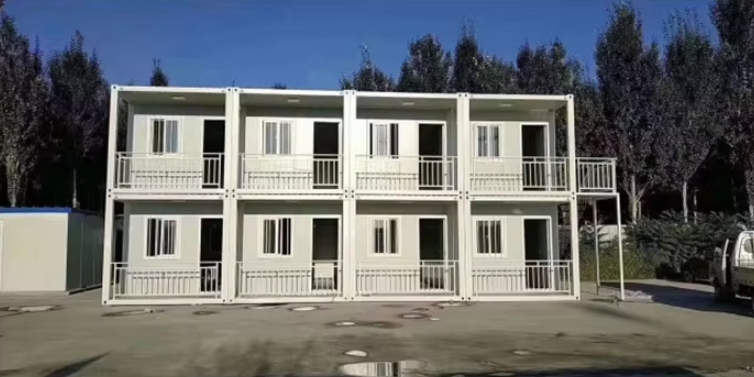
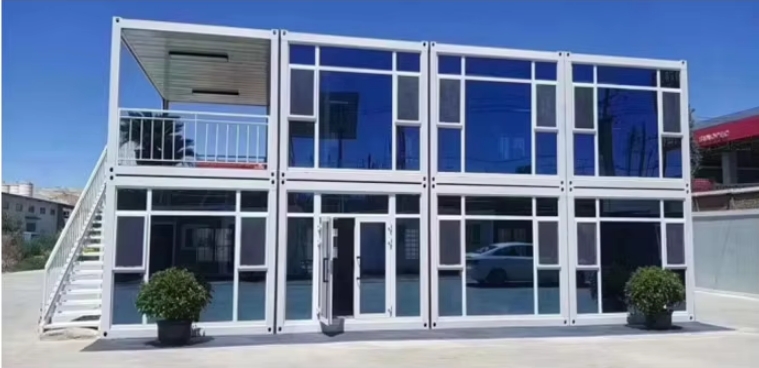
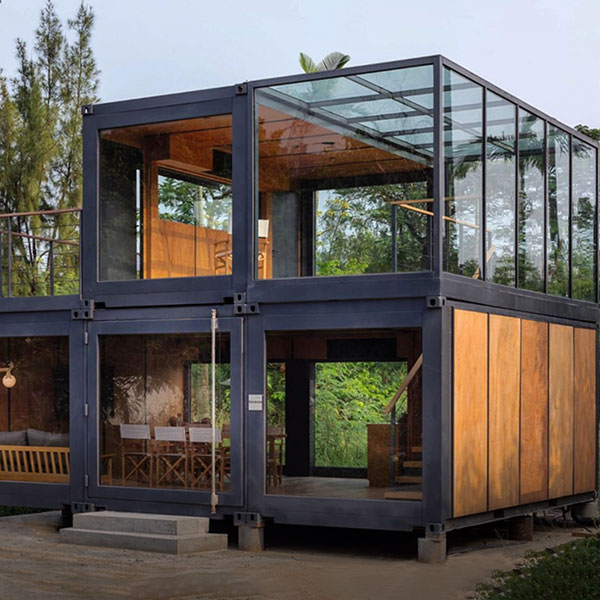
- Unique Aesthetic: Container homes have a distinct, industrial-chic look that appeals to those who love modern design. The raw, minimalist aesthetic can be customized with large windows, wooden accents, and creative layouts to create a space that’s truly one-of-a-kind.
- Durability: Shipping containers are built to withstand harsh conditions at sea, so they’re incredibly sturdy. Many homeowners report feeling safer in their container homes during storms or earthquakes compared to traditional houses.
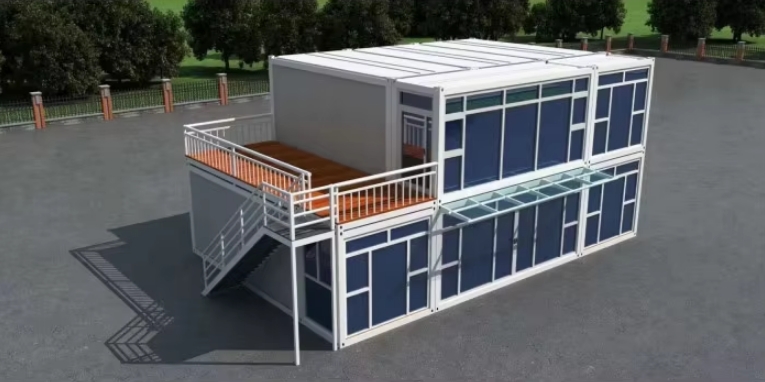
- Flexibility: Container homes can be easily expanded by adding more containers. This modular approach allows homeowners to start small and grow their space as needed, whether it’s adding a guest room, a home office, or even a second story.
- Mobility: Some container homes are built on wheels or designed to be easily transported. This appeals to digital nomads, retirees, or anyone who wants the freedom to move their home without leaving it behind.
Take Sarah and Mark, a couple from Austin, Texas, who built a 640-square-foot container home as their primary residence. "We wanted something that was ours, not just another cookie-cutter house," Sarah says. "The process was challenging, but now that we’re living here, we wouldn’t trade it for anything. It’s cozy, unique, and we love the fact that we’re reducing waste."
The Challenges: What No One Tells You
Of course, container living isn’t all sunshine and rainbows. Here are some of the less glamorous aspects that homeowners often encounter:
- Insulation and Temperature Control: Steel conducts heat and cold, which means container homes can become ovens in the summer and freezers in the winter if not properly insulated. Many homeowners underestimate how much insulation they’ll need, leading to uncomfortable living conditions.
- Condensation and Humidity: Because containers are airtight, moisture can build up inside, leading to mold and mildew if ventilation isn’t properly addressed. This is a common issue in humid climates.
- Building Codes and Zoning Laws: Not all areas allow container homes, and even where they are permitted, navigating building codes can be a nightmare. Some homeowners have had to fight for permits or modify their designs to meet local regulations.
- Space Constraints: While containers can be stacked or combined to create larger spaces, the standard dimensions (8 feet wide by 20 or 40 feet long) can feel cramped if not designed thoughtfully. Storage and layout become critical considerations.
- Noise: Steel is noisy. Rain, wind, and even footsteps can sound louder in a container home. Soundproofing is a must for those who value peace and quiet.
James, a container homeowner in Oregon, learned this the hard way. "We didn’t insulate properly the first time around, and our first winter was brutal," he admits. "We ended up having to redo the insulation and add a vapor barrier. It was a costly lesson, but now our home is comfortable year-round."
Designing Your Dream Container Home: Tips and Tricks
If you’re considering building a container house, design is everything. A well-planned layout can make a small space feel spacious and functional, while a poorly designed one can feel like a claustrophobic nightmare. Here’s what you need to know to get it right.
1. Start with a Solid Plan
Before you buy a container or start cutting holes for windows, you need a detailed plan. This includes:
- Layout: How will you arrange the containers? Will you use one, two, or more? Will they be stacked or placed side by side? Sketch out your ideas and consider how you’ll move between spaces.
- Utilities: Where will the plumbing, electrical, and HVAC systems go? These need to be planned in advance to avoid costly mistakes later.
- Permits: Check local building codes and zoning laws to ensure your design is compliant. Some areas have strict rules about container homes, so it’s better to know upfront.
Many experts recommend working with an architect or designer who has experience with container homes. They can help you avoid common pitfalls and create a space that’s both functional and beautiful.
2. Maximize Space with Smart Design
Container homes are all about efficiency. Here are some design tips to make the most of your space:
- Open Floor Plans: Removing interior walls can make a small space feel larger. Consider combining the kitchen, living, and dining areas into one open space.
- Multi-Functional Furniture: Think Murphy beds, fold-down tables, and built-in storage. Every piece of furniture should serve multiple purposes.
- Vertical Space: Use tall shelves, lofted beds, and wall-mounted storage to free up floor space.
- Natural Light: Large windows and skylights can make a container home feel more spacious and inviting. Just be mindful of insulation and energy efficiency.
It’s worth noting that container homes don’t have to feel small. With the right design, even a single 40-foot container can feel surprisingly roomy. The key is to prioritize functionality and avoid clutter.
3. Don’t Skimp on Insulation and Ventilation
As mentioned earlier, insulation and ventilation are critical to making a container home comfortable. Here are some options to consider:
- Spray Foam Insulation: This is one of the most effective options for container homes. It provides excellent thermal resistance and helps prevent condensation.
- Rigid Foam Insulation: This is a more affordable option that can be installed on the interior or exterior of the container. It’s lightweight and easy to work with.
- Reflective Insulation: This type of insulation reflects heat away from the home, making it a good choice for hot climates.
- Ventilation: Install vents, fans, or even a small HVAC system to keep air circulating. A dehumidifier can also help in humid climates.
Many homeowners make the mistake of focusing solely on insulation and forgetting about ventilation. Don’t be one of them. Proper airflow is just as important as keeping the temperature regulated.
The Future of Container Houses: Are They Here to Stay?
So, what are your opinions/experiences on container houses when it comes to their long-term viability? Are they a sustainable solution for the future, or will they fade away as just another architectural trend? The answer might depend on who you ask.
The Case for Container Homes
Proponents of container homes argue that they’re a perfect fit for the challenges of the 21st century. Here’s why:
- Housing Affordability: With housing prices continuing to rise, container homes offer a more accessible entry point for first-time buyers, retirees, and low-income families.
- Sustainability: As climate change becomes an increasingly urgent issue, the ability to repurpose existing materials is a major selling point. Container homes align with the growing demand for eco-friendly living.
- Disaster Relief: Container homes can be quickly deployed in areas affected by natural disasters, providing temporary or even permanent housing for those in need.
- Urban Density: In cities where space is at a premium, container homes can be stacked or arranged in creative ways to maximize land use without sacrificing livability.
Interestingly enough, some cities are already embracing container homes as a solution to housing shortages. In Amsterdam, for example, a student housing complex made from shipping containers has been a huge success, providing affordable, sustainable living for hundreds of students.
The Skeptic’s Perspective
Despite their advantages, container homes aren’t without their critics. Here are some of the concerns that skeptics raise:
- Durability Over Time: While containers are built to last, they’re not invincible. Rust, corrosion, and structural fatigue can become issues over time, especially in harsh climates.
- Resale Value: Container homes are still a niche market, which means their resale value can be unpredictable. Some buyers may be hesitant to invest in a home that’s so different from the norm.
- Limited Customization: While containers can be modified, their rectangular shape and fixed dimensions can limit design options. This can be frustrating for homeowners who want more flexibility.
- Perception: Let’s be honest—some people still see container homes as "cheap" or "low-quality." Overcoming this stigma can be a challenge, especially in more traditional neighborhoods.
Frankly speaking, the future of container homes will likely depend on how well they can address these concerns. As more people share their positive experiences and as builders refine their techniques, container homes could become a mainstream housing option. But for now, they remain a bold choice for those willing to think outside the box.
Final Thoughts: Should You Consider a Container House?
After exploring the ins and outs of container houses, one thing is clear: they’re not for everyone. But for the right person, they can be a fantastic solution. So, what are your opinions/experiences on container houses? Are you ready to take the plunge, or do the challenges outweigh the benefits?
Here’s a quick checklist to help you decide:
- You might love a container home if:
- You’re on a tight budget and want to own a home without breaking the bank.
- You value sustainability and want to reduce your environmental impact.
- You love unique, modern design and don’t mind standing out from the crowd.
- You’re a DIY enthusiast who enjoys a hands-on approach to building.
- You need a flexible, mobile living solution.
- A container home might not be for you if:
- You prefer traditional architecture and don’t want to deal with potential stigma.
- You live in an area with strict building codes or zoning laws that prohibit container homes.
- You’re not prepared for the challenges of insulation, ventilation, and space constraints.
- You want a home with a high resale value or broad market appeal.
- You’re not comfortable with the idea of living in a "non-traditional" space.
At the end of the day, the decision comes down to your priorities, lifestyle, and willingness to embrace something different. Container houses offer a unique blend of affordability, sustainability, and creativity, but they also require careful planning and a willingness to navigate challenges.
Have you ever considered living in a container home? What’s the biggest appeal or concern for you? Share your thoughts in the comments—we’d love to hear your perspective!
For more detailed information, please visit our official website:What are your opinions/experiences on container houses?
About the author: Dr. Emily Carter is a sustainable architecture expert and advocate for alternative housing solutions. With over a decade of experience in eco-friendly design, she has worked on numerous container home projects across North America and Europe. Emily holds a Ph.D. in Urban Planning and is a frequent speaker at green building conferences. When she’s not designing innovative living spaces, she enjoys hiking, writing about sustainable living, and experimenting with tiny home layouts. Follow her work for more insights into the future of housing.