Why Choose a Container House? 7 Compelling Reasons to Embrace Modern Living
Have you ever driven past a shipping yard and wondered what happens to all those retired steel containers? Interestingly enough, many of them are finding new life as stylish, functional homes. The question why choose a container house isn’t just about alternative living—it’s about rethinking how we build, live, and interact with our environment. Frankly speaking, container homes are no longer a fringe concept; they’re a mainstream solution for those seeking affordability, sustainability, and flexibility.
In my experience working with modular housing, I’ve found that people are often surprised by how versatile and practical these structures can be. Whether you’re a first-time homebuyer, a minimalist, or an eco-conscious family, a container house offers benefits that traditional homes simply can’t match. Let’s dive into the top reasons why this housing trend is here to stay.
The Financial Advantages: Why a Container House Saves You Money
Lower Upfront Costs Compared to Traditional Homes
One of the most compelling answers to why choose a container house lies in the numbers. Building a traditional home can cost anywhere from $150 to $400 per square foot, depending on location and materials. Container homes, on the other hand, often range between $50 and $150 per square foot. That’s a significant difference, especially for those on a tight budget.
To put it into perspective, a 1,200-square-foot container home could cost as little as $60,000 to build, while a conventional home of the same size might set you back $200,000 or more. Many experts agree that the savings come from reduced labor costs, shorter construction timelines, and the fact that the primary structure—the container itself—is already built. It’s worth noting that while customization can drive up costs, the baseline price remains far more accessible.
Reduced Long-Term Expenses
The financial benefits don’t stop at the initial build. Container homes are often more energy-efficient than traditional houses, thanks to their compact design and the ability to add high-quality insulation. This means lower heating and cooling bills over time. Additionally, because they’re made from durable steel, container homes require less maintenance than wood-framed houses, which can be prone to issues like termites, rot, and warping.
Have you ever calculated how much you spend on home repairs each year? With a container house, those costs can drop dramatically. The steel structure is resistant to pests, fire, and even extreme weather, which translates to fewer headaches—and expenses—down the road.
Sustainability: The Eco-Friendly Appeal of Container Homes
Repurposing Materials for a Greener Future
If you’re someone who cares about reducing your carbon footprint, the sustainability factor is a major reason why choose a container house. Every year, millions of shipping containers are retired from use, often ending up in scrapyards or landfills. By repurposing these containers into homes, we’re giving them a second life and reducing the demand for new construction materials like wood, concrete, and brick.
Interestingly enough, a single 40-foot container can be transformed into a cozy 320-square-foot living space. That’s 320 square feet of space that doesn’t require cutting down trees or mining for new resources. Many eco-conscious homeowners are drawn to this aspect, as it aligns with a zero-waste lifestyle. It’s not just about saving money—it’s about making a positive impact on the planet.
Energy Efficiency and Reduced Waste
Container homes aren’t just sustainable in terms of materials; they’re also designed to be energy-efficient. Their compact size means less space to heat or cool, which naturally reduces energy consumption. When combined with modern insulation techniques, solar panels, and energy-efficient windows, a container house can achieve net-zero energy status—meaning it produces as much energy as it consumes.
I’ve found that many container homeowners take pride in their ability to live off-grid or significantly reduce their reliance on public utilities. It’s a liberating feeling to know that your home isn’t just a place to live, but a statement about how you choose to interact with the world.
Speed and Simplicity: Faster Construction, Less Hassle
From Concept to Move-In: A Streamlined Process
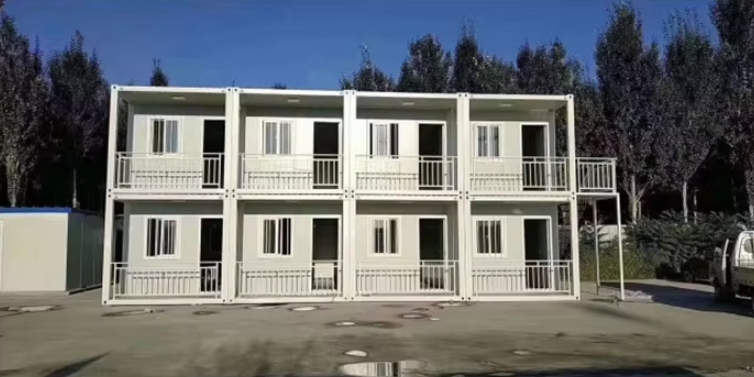
One of the most frustrating aspects of building a traditional home is the lengthy construction timeline. Permits, weather delays, and labor shortages can drag out the process for months—or even years. Container homes, however, offer a much faster alternative. Because the primary structure is already built, the construction process focuses on modifications, insulation, and interior finishes.
In my experience, a basic container home can be completed in as little as 2-3 months, while a more complex design might take 4-6 months. Compare that to the 9-12 months (or longer) it takes to build a conventional house, and the appeal becomes clear. For those who need a quick housing solution—whether due to relocation, financial constraints, or personal preference—a container house is an ideal choice.
Minimal Site Disruption
Traditional construction can be messy, noisy, and disruptive to the surrounding environment. Heavy machinery, piles of lumber, and weeks of dust and debris are par for the course. Container homes, on the other hand, require far less on-site work. The containers are delivered pre-built, and much of the interior work can be done off-site in a controlled environment.
This not only speeds up the process but also reduces the environmental impact of construction. There’s less waste, less noise pollution, and less disruption to the local ecosystem. For those building in sensitive areas—like near forests, beaches, or urban centers—this is a game-changer.
Durability and Strength: Built to Last
Engineered for Extreme Conditions
Shipping containers are designed to withstand the harshest conditions imaginable—from ocean voyages to extreme weather. They’re built to carry heavy loads, resist corrosion, and endure high winds and seismic activity. When you choose a container house, you’re getting a structure that’s far more durable than most traditional homes.
Many experts agree that container homes are particularly well-suited for areas prone to natural disasters. Their steel frames are inherently resistant to fire, and their modular design allows them to flex slightly during earthquakes, reducing the risk of structural failure. If you live in a region with hurricanes, tornadoes, or wildfires, a container house could offer peace of mind that a wood-framed home simply can’t match.
Longevity and Low Maintenance
Steel doesn’t rot, warp, or attract pests like wood does. This means that a container house can last for decades with minimal upkeep. While traditional homes may require frequent painting, roof repairs, or pest control, container homes are relatively low-maintenance. A fresh coat of paint every few years and regular checks for rust (which can be easily treated) are often all that’s needed to keep your home in top shape.
It’s worth noting that the longevity of a container house depends on the quality of the modifications. Poor insulation, improper sealing, or subpar welding can lead to issues down the line. That’s why it’s crucial to work with experienced professionals who understand the nuances of container home construction.
Design Flexibility: Customization Meets Creativity
Breaking the "Boxy" Stereotype
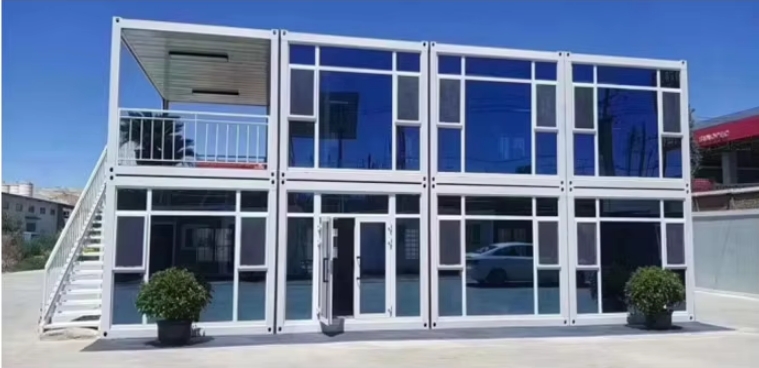
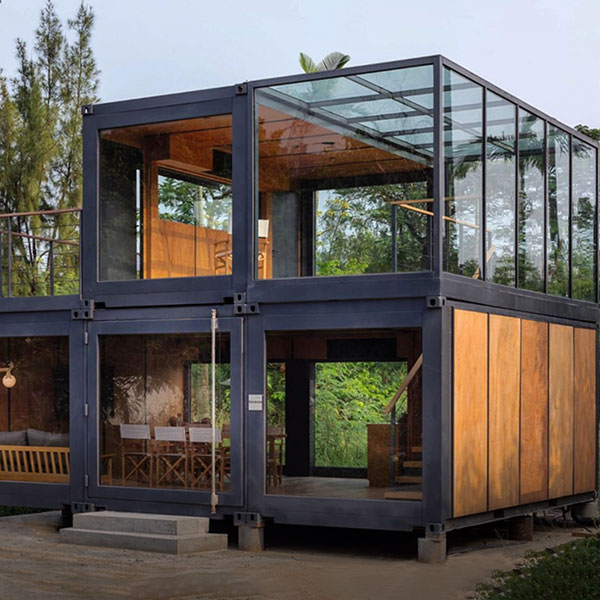
When people first hear about container homes, they often imagine a cramped, industrial-looking space. But the reality is far from it. Modern container homes are designed with creativity and functionality in mind, and they can be just as stylish—and spacious—as traditional homes. With the right design, a container house can feature open-concept living areas, high ceilings, large windows, and even multiple stories.
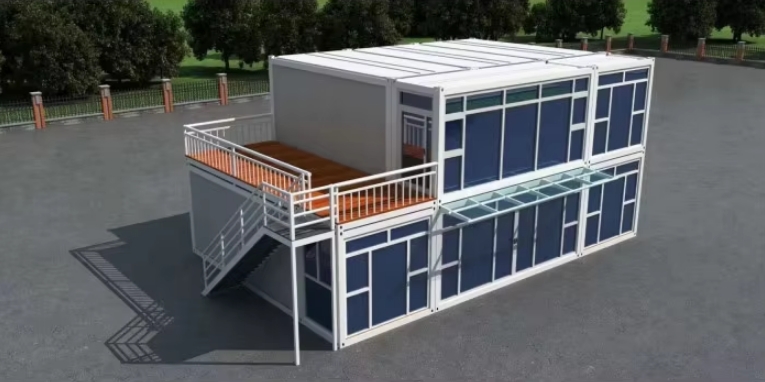
One of the most exciting aspects of container home design is the ability to stack and arrange containers in unique ways. Whether you want a single-container tiny home or a sprawling multi-container mansion, the possibilities are nearly endless. Many homeowners opt for hybrid designs, combining containers with traditional building materials like wood or glass to create a truly one-of-a-kind space.
Interior Design: Making the Most of Every Inch
Because container homes are often smaller than traditional houses, they encourage thoughtful, efficient use of space. This doesn’t mean sacrificing comfort—it means prioritizing what truly matters. Open shelving, multi-functional furniture, and clever storage solutions can make a container home feel just as spacious as a larger house.
I’ve found that many container homeowners enjoy the challenge of designing a space that’s both functional and beautiful. It’s a chance to declutter, simplify, and focus on the essentials. Plus, with the right interior finishes—like hardwood floors, modern fixtures, and smart home technology—a container house can feel just as luxurious as any high-end home.

Mobility and Adaptability: The Freedom to Move
Relocatable Living: Take Your Home With You
One of the most unique advantages of a container house is its potential for mobility. Unlike traditional homes, which are permanently fixed to a foundation, container homes can be designed to be relocatable. This means you can move your entire home to a new location if your job, lifestyle, or preferences change.
To be honest, this level of flexibility is unheard of in conventional housing. Whether you want to downsize, relocate for work, or simply explore a new part of the country, a container house makes it possible. Some homeowners even use their container homes as vacation properties, moving them to different locations throughout the year.
Adapting to Changing Needs
Life is unpredictable, and our housing needs often change over time. A container house can adapt to those changes in ways that traditional homes can’t. Need an extra bedroom for a growing family? Add another container. Want to create a home office or studio? The modular design makes it easy to expand or reconfigure your space.
Many experts agree that this adaptability is one of the most underrated benefits of container living. Instead of being locked into a fixed layout, you have the freedom to evolve your home as your life evolves. It’s a level of customization that’s hard to find in traditional housing.
Is a Container House Right for You?
So, why choose a container house? The answer depends on what you value most in a home. If you’re looking for affordability, sustainability, and flexibility, a container house could be the perfect fit. If you prioritize durability, low maintenance, and the ability to customize your space, it’s worth serious consideration. And if you’re someone who craves the freedom to move or adapt your home as your life changes, a container house offers unparalleled opportunities.
That said, container living isn’t for everyone. Some people may find the smaller space challenging, while others might be put off by the need for creative design solutions. It’s also important to research local zoning laws and building codes, as not all areas allow container homes. But for those who are open to rethinking what a home can be, the rewards are well worth the effort.
Have you ever considered living in a container house? What’s the one feature that appeals to you the most? Whether it’s the cost savings, the eco-friendly benefits, or the sheer creativity of the design, there’s no denying that container homes are changing the way we think about modern living.
For more detailed information, please visit our official website:Why Choose a Container House?
About the author: Emily Carter is a sustainable architecture enthusiast and modular housing consultant with over a decade of experience in alternative living solutions. Passionate about eco-friendly design, she has worked with homeowners, builders, and policymakers to promote innovative housing options like container homes. When she’s not writing or advising on sustainable projects, Emily enjoys hiking, urban gardening, and exploring tiny home communities around the world. Her work has been featured in architectural journals and green living publications, where she shares insights on creating functional, beautiful, and environmentally responsible spaces.