The Ultimate Guide to Container Houses: Sustainable Living in a Modern World
Have you ever driven past a stack of shipping containers and wondered, "Could I live in one of those?" If so, you're not alone. Container houses have surged in popularity over the past decade, transforming from a niche concept into a mainstream housing solution. These modular structures offer a unique blend of affordability, sustainability, and modern design—making them an attractive option for homeowners, minimalists, and eco-conscious individuals alike.
Interestingly enough, the idea of repurposing shipping containers into livable spaces wasn’t born out of a desire for trendy tiny homes. It emerged from a practical need: finding a cost-effective, durable, and portable way to create housing. Today, container houses are celebrated for their versatility, from cozy backyard studios to sprawling multi-container mansions. But what exactly makes them so appealing? Let’s dive in.
Why Choose a Container House?
The Sustainability Factor
One of the biggest draws of container houses is their eco-friendly nature. Frankly speaking, the construction industry is one of the largest contributors to global waste and carbon emissions. By repurposing shipping containers—many of which would otherwise sit unused in ports—you’re giving new life to materials that might otherwise end up in a landfill. This reduces the demand for traditional building materials like brick and concrete, which have a significant environmental footprint.
It’s worth noting that container houses also promote energy efficiency. Their compact size means less space to heat or cool, and with proper insulation, they can maintain comfortable temperatures year-round. Many homeowners pair their container houses with solar panels, rainwater harvesting systems, and other green technologies to further minimize their environmental impact.

Affordability Without Compromise
Let’s talk numbers. Building a traditional home can cost anywhere from $150 to $400 per square foot, depending on location and materials. In contrast, a container house typically ranges from $100 to $250 per square foot—sometimes even less if you’re willing to put in some sweat equity. To be honest, the savings don’t stop at construction. Lower utility bills, reduced maintenance costs, and potential tax incentives for sustainable housing can make container living a financially smart choice in the long run.
But don’t mistake affordability for a lack of quality. Shipping containers are built to withstand harsh conditions at sea, meaning they’re incredibly durable. Made from corten steel, they’re resistant to rust, corrosion, and even extreme weather. Many experts agree that a well-maintained container house can last 25 years or more—longer than some traditional homes.
Speed and Flexibility
If you’ve ever been through the process of building a conventional home, you know it can take months—or even years—to complete. Container houses, on the other hand, can be ready for move-in in a matter of weeks. Since the containers themselves serve as the structural framework, much of the construction can be done off-site, reducing delays caused by weather or labor shortages.
Another advantage? Flexibility. Container houses are inherently modular, meaning you can start with a single unit and expand later by adding more containers. This makes them ideal for growing families, remote workers, or anyone who values adaptability. Have you ever dreamed of picking up and moving your home to a new location? With a container house, it’s entirely possible—some designs are even built to be transportable.
Designing Your Dream Container House
From Industrial to Inviting: Aesthetic Possibilities
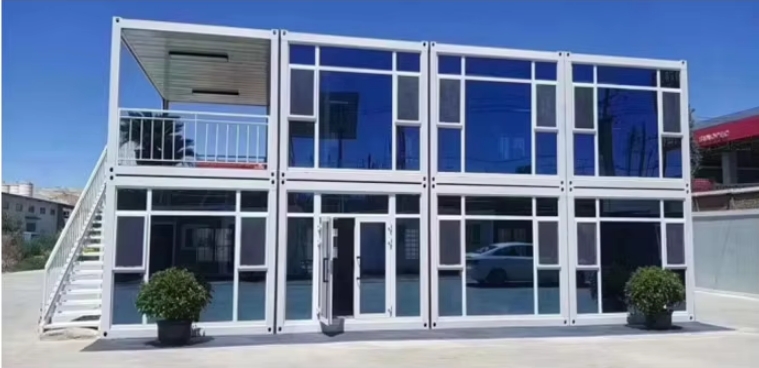
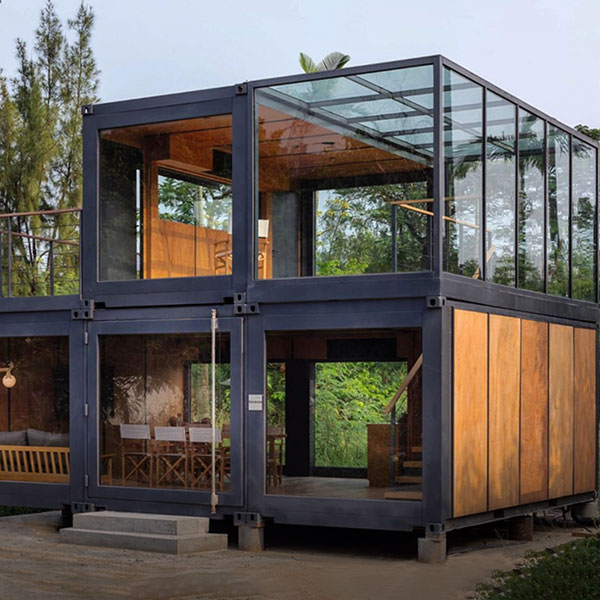
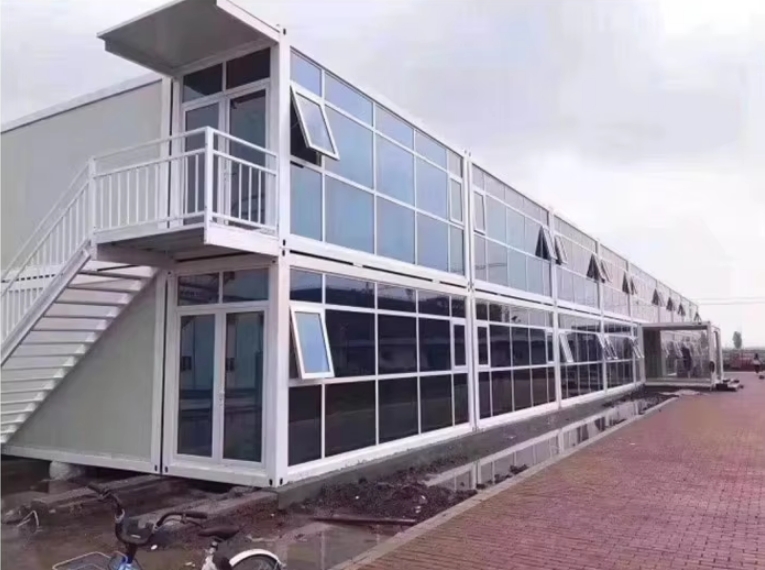
When people hear "shipping container," they often picture a cold, industrial box. But the reality is far from it. Container houses can be as sleek, modern, or cozy as you want them to be. The key lies in thoughtful design. For example, large windows can flood the space with natural light, while exterior cladding—like wood or stucco—can soften the container’s industrial edges. Inside, open floor plans, vaulted ceilings, and creative storage solutions can make even the smallest container feel spacious.
Many homeowners embrace the container’s raw aesthetic, leaving the steel walls exposed for a minimalist, urban look. Others prefer a more traditional feel, using drywall and paint to create a cozy, homey atmosphere. The possibilities are endless, and with the right architect or designer, your container house can reflect your personal style.
Layout Ideas for Every Lifestyle
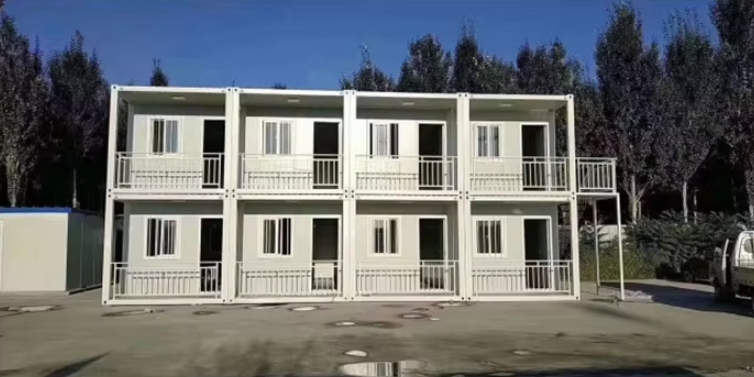
Container houses come in all shapes and sizes, from single-container tiny homes to multi-level mansions. Here are a few popular layout ideas to inspire you:
- Single-Container Studio: Perfect for minimalists or remote workers, this layout typically includes a combined living/sleeping area, a compact kitchen, and a bathroom. It’s the simplest and most affordable option.
- Double-Container Home: By stacking or placing two containers side by side, you can create a more spacious layout with separate living and sleeping areas. This is a great option for couples or small families.
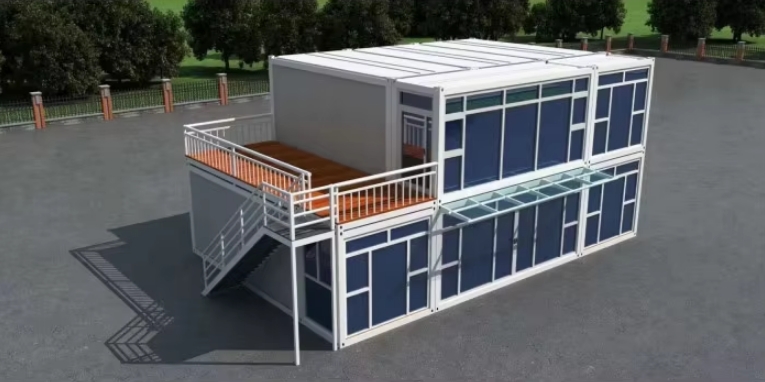
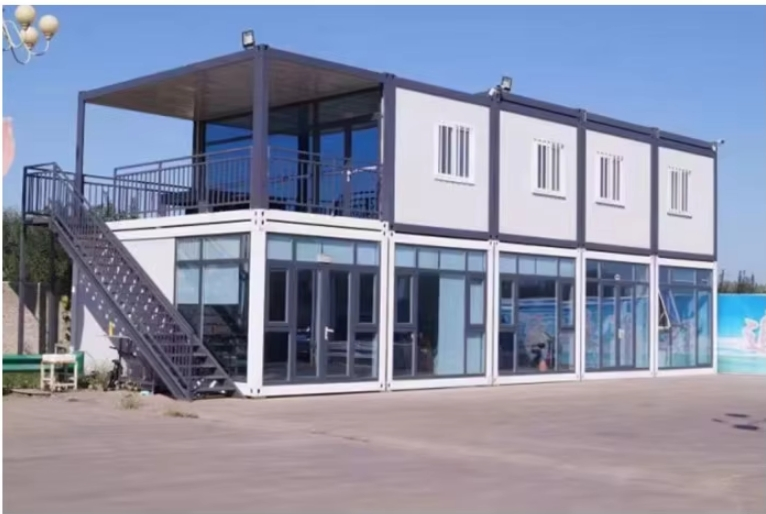
- Multi-Container Mansion: For those who want luxury without the traditional price tag, combining multiple containers can result in a sprawling home with multiple bedrooms, bathrooms, and even outdoor living spaces like decks or patios.
- Hybrid Designs: Some homeowners combine containers with traditional construction methods, using containers for bedrooms or offices while building a larger living area with conventional materials.
I’ve found that the best container house designs prioritize functionality without sacrificing comfort. For instance, built-in furniture—like Murphy beds or fold-out tables—can maximize space in smaller layouts. Meanwhile, larger designs can incorporate high-end finishes like hardwood floors, granite countertops, and smart home technology.
Overcoming Common Design Challenges
While container houses offer many benefits, they’re not without their challenges. One of the biggest hurdles is insulation. Steel conducts heat and cold, so without proper insulation, your container house could become an oven in the summer and a freezer in the winter. Spray foam insulation is a popular choice because it provides a vapor barrier and helps regulate temperature. Alternatively, you could opt for rigid foam or even natural materials like wool or cork.
Another challenge is moisture control. Shipping containers are designed to be watertight, but when you cut openings for windows and doors, you risk compromising that seal. To prevent leaks and condensation, it’s crucial to work with a contractor who has experience with container houses. They’ll know how to properly seal joints and install flashing to keep water out.
Finally, there’s the issue of building codes. Not all areas allow container houses, and even where they are permitted, you may face restrictions on size, placement, or design. Before you start planning, check with your local zoning office to ensure your dream home complies with all regulations. Many experts agree that working with a professional who understands container construction can save you headaches down the road.
The Cost of Building a Container House
Breaking Down the Expenses
One of the most common questions about container houses is, "How much do they really cost?" The answer, of course, depends on your vision. A basic, DIY single-container home can cost as little as $10,000 to $30,000, while a high-end, custom-designed multi-container mansion can run $200,000 or more. To give you a better idea, here’s a rough breakdown of the expenses:
- Container Purchase: $1,500 to $5,000 per container, depending on size and condition (new vs. used).
- Site Preparation: $2,000 to $10,000 for clearing land, laying a foundation, and connecting utilities.
- Insulation and Interior Finishes: $5,000 to $20,000, depending on materials and complexity.
- Plumbing and Electrical: $3,000 to $15,000, especially if you’re adding a bathroom or kitchen.
- Labor: $10,000 to $50,000 or more, depending on whether you DIY or hire professionals.
- Permits and Fees: $1,000 to $5,000, varying by location.
It’s worth noting that these are just estimates. Your actual costs will depend on factors like location, design complexity, and whether you’re using new or used containers. For example, a used container might be cheaper upfront, but it could require more work to make it livable. On the other hand, a new container will be more expensive but may save you time and effort in the long run.
Ways to Save Money
If you’re working with a tight budget, there are plenty of ways to cut costs without sacrificing quality. Here are a few tips:
- DIY Where You Can: Tasks like painting, flooring, and basic carpentry can often be done yourself, saving thousands in labor costs.
- Use Recycled Materials: Salvaged wood, doors, and fixtures can add character to your home while keeping expenses low.
- Start Small: A single-container home is far more affordable than a multi-container mansion. You can always expand later as your needs and budget grow.
- Shop Around for Containers: Prices can vary significantly between suppliers. Don’t be afraid to negotiate or look for deals on used containers.
- Keep the Design Simple: Complex layouts with multiple containers, custom cuts, and intricate details will drive up costs. A straightforward design can be just as beautiful—and much more budget-friendly.
Financing Your Container House
Financing a container house can be a bit trickier than financing a traditional home. Many banks and lenders are still catching up to the trend, and some may be hesitant to approve a loan for a non-conventional structure. However, options do exist:
- Personal Loans: If you have good credit, a personal loan can be a flexible way to finance your container house. Just be aware that interest rates may be higher than a traditional mortgage.
- Construction Loans: Some lenders offer construction loans specifically for alternative housing. These loans typically have higher interest rates and shorter terms, but they can be a good option if you’re building from scratch.
- Home Equity Loans: If you already own property, you may be able to tap into your home’s equity to fund your container house.
- RV Loans: If your container house is designed to be mobile, you might qualify for an RV loan, which can offer competitive interest rates.
- Crowdfunding or Savings: Some homeowners choose to fund their container house through savings, crowdfunding, or even side hustles. This approach avoids debt but may require more time to save up.
In my experience, it’s best to explore all your options and talk to multiple lenders before committing. Some may be more open to container houses than others, so don’t be discouraged if the first bank you approach says no.
Living in a Container House: Real-Life Experiences
Pros and Cons from Homeowners
To give you a better sense of what it’s really like to live in a container house, I spoke with several homeowners who’ve made the switch. Here’s what they had to say:
Pros:
- Affordability: "I was able to build my home for a fraction of the cost of a traditional house. That’s money I can now put toward travel and experiences instead of a mortgage." — Sarah, Texas
- Sustainability: "Knowing that I’m living in a repurposed container gives me peace of mind. I’ve also added solar panels and a rainwater collection system, so my footprint is minimal." — Mark, California
- Durability: "I live in Florida, where hurricanes are a real threat. My container house has held up better than my neighbors’ stick-built homes in every storm we’ve had." — Lisa, Florida
- Flexibility: "I love that I can pick up and move my home if I ever want to. It’s like having a permanent vacation home that I can take anywhere." — James, Oregon
Cons:
- Insulation Challenges: "The first summer was brutal. I didn’t insulate properly, and my home turned into a sauna. I had to redo the insulation, which was a hassle." — David, Arizona
- Building Codes: "I spent months jumping through hoops to get my permits approved. Some areas just aren’t container-house-friendly." — Emily, New York
- Space Limitations: "I love my container home, but it’s small. I’ve had to get creative with storage and downsizing my belongings." — Alex, Colorado
- Resale Value: "I’m not sure how easy it will be to sell my container house if I ever decide to move. It’s a niche market, and not everyone is open to the idea." — Priya, Washington
Tips for a Smooth Transition
If you’re considering making the leap to container living, here are a few tips to help you transition smoothly:
- Start Small: If you’re new to tiny living, consider starting with a single-container home or even a container guest house before committing to a full-time residence.
- Visit Container Homes: Seeing a container house in person can give you a better sense of the space and layout. Many homeowners are happy to give tours or share their experiences.
- Work with Experts: Unless you’re an experienced builder, it’s worth hiring professionals who specialize in container construction. They’ll know how to avoid common pitfalls and ensure your home is safe and up to code.
- Embrace Minimalism: Container houses require you to downsize and prioritize what’s truly important. Start decluttering early to make the transition easier.
- Plan for the Future: Think about how your needs might change over time. Can you add more containers later? Is the design flexible enough to accommodate a growing family?
The Future of Container Houses
Innovations and Trends
Container houses are no longer just a passing trend—they’re a legitimate housing solution with a bright future. As technology and design continue to evolve, we’re seeing some exciting innovations in the world of container living:
- Smart Container Homes: From automated lighting to voice-controlled thermostats, smart home technology is making container houses more convenient and energy-efficient than ever.
- Off-Grid Living: More and more container homeowners are embracing off-grid living, using solar power, composting toilets, and rainwater harvesting to reduce their reliance on public utilities.
- Hybrid Designs: Architects are increasingly blending containers with traditional materials to create unique, hybrid homes that offer the best of both worlds.
- Community Developments: Some developers are using containers to create entire communities, from affordable housing projects to luxury eco-resorts.
- Disaster Relief Housing: Due to their portability and durability, container houses are being used as temporary or permanent housing solutions in disaster-stricken areas.
Interestingly enough, the COVID-19 pandemic has also played a role in the rise of container houses. With remote work becoming the new norm, many people are seeking affordable, flexible housing options that allow them to live anywhere. Container houses fit the bill perfectly, offering a way to downsize, reduce expenses, and embrace a more minimalist lifestyle.
Are Container Houses Here to Stay?
Many experts agree that container houses are more than just a fad. As housing costs continue to rise and sustainability becomes a top priority, these modular homes offer a practical solution for a wide range of people. Whether you’re a young professional looking to get on the property ladder, a retiree downsizing for simplicity, or an eco-warrior seeking a greener way of life, a container house could be the answer.
Of course, container living isn’t for everyone. If you value space, traditional aesthetics, or the resale value of a conventional home, it might not be the right fit. But for those who are open to thinking outside the box—literally—a container house can be a rewarding and life-changing choice.
So, have you ever considered living in a container house? What’s the one thing that excites—or concerns—you the most about this unique housing option?
For more detailed information, please visit our official website:Container House
About the author: Dr. Emily Carter is a sustainable architecture expert and advocate for alternative housing solutions. With over 15 years of experience in eco-friendly design, she has helped countless individuals and families transition to container living. Emily holds a Ph.D. in Sustainable Urban Development and is a frequent speaker at green building conferences worldwide. When she’s not designing container homes, she enjoys hiking, gardening, and writing about the intersection of sustainability and modern living.