The Hidden Downsides: What Is the Disadvantage of Container Houses You Should Know?
Container houses have surged in popularity over the past decade, touted as an eco-friendly, cost-effective, and stylish alternative to traditional housing. With their industrial aesthetic and promise of sustainability, it’s easy to see why so many people are drawn to them. But before you jump on the bandwagon, it’s worth asking: What is the disadvantage of container houses? To be honest, while they offer undeniable benefits, they’re not without their fair share of challenges.
In my experience working with alternative housing solutions, I’ve found that many enthusiasts overlook the practical limitations of container homes until it’s too late. From structural constraints to hidden costs, these homes come with a unique set of drawbacks that can turn your dream project into a frustrating ordeal. So, let’s dive into the less glamorous side of container living and explore whether this trendy housing option is truly worth the hype.
1. Structural Limitations: More Than Meets the Eye
One of the most significant disadvantages of container houses is their structural limitations. Shipping containers are designed to withstand the rigors of ocean transport, not to serve as permanent living spaces. This fundamental difference leads to several issues that can compromise both safety and comfort.
1.1. The Problem with Modifications
Containers are built to be stacked, not cut apart. When you start removing walls or sections to create open living spaces, you’re essentially weakening the structural integrity of the container. Many DIY builders underestimate how much reinforcement is needed to compensate for these modifications. Without proper engineering, your container home could become structurally unsound, especially in areas prone to high winds or seismic activity.
Interestingly enough, even minor modifications—like adding windows or doors—can create stress points that lead to long-term issues. I’ve seen cases where improperly reinforced containers developed cracks or warping over time, turning what was supposed to be a low-maintenance home into a constant repair project.
1.2. Corrosion and Rust: The Silent Enemy
Most shipping containers are made from corten steel, which is designed to resist corrosion. However, this resistance isn’t foolproof, especially in humid or coastal environments. Over time, exposure to moisture can lead to rust, which not only weakens the structure but also poses health risks if left unchecked.
Frankly speaking, dealing with rust is one of the most frustrating aspects of owning a container home. Regular maintenance, such as sanding and repainting, is essential to prevent corrosion from spreading. But even with diligent upkeep, rust can still creep in, particularly in hard-to-reach areas like the underside of the container or around welded seams.
1.3. Thermal Performance: A Double-Edged Sword
Containers are essentially giant metal boxes, which means they conduct heat and cold with alarming efficiency. Without proper insulation, your container home can become an oven in the summer and a freezer in the winter. While insulation is a must, it’s not as simple as slapping on some foam panels and calling it a day.
Many container homeowners struggle with condensation, which occurs when warm, moist air inside the home meets the cold metal walls. This can lead to mold growth, which is both a health hazard and a nightmare to remediate. To combat this, you’ll need to invest in high-quality insulation and a robust ventilation system—both of which add to the overall cost and complexity of the project.
2. Hidden Costs: Why Container Houses Aren’t Always Cheaper
One of the biggest selling points of container houses is their affordability. After all, a used shipping container can cost as little as $1,500 to $3,000, making it seem like a budget-friendly option. But here’s the catch: the initial cost of the container is just the tip of the iceberg. When you factor in all the additional expenses, you might find that a container home ends up costing just as much—if not more—than a traditional build.
2.1. The Myth of "Cheap and Easy"
Many people assume that converting a shipping container into a livable home is a straightforward DIY project. In reality, it’s anything but. The process involves a steep learning curve, and mistakes can be costly. For example, improperly cutting into the container’s walls can compromise its structural integrity, leading to expensive repairs down the line.
It’s worth noting that while the container itself may be inexpensive, the cost of labor, permits, and materials can quickly add up. In my experience, most container home projects end up costing between $150 and $350 per square foot—comparable to the cost of a traditional stick-built home. So, if you’re considering a container house purely for its affordability, you might want to think again.
2.2. Permits and Zoning: A Legal Minefield
Navigating the legal landscape of container homes can be a nightmare. Many municipalities have strict zoning laws and building codes that weren’t designed with alternative housing in mind. Some areas outright ban container homes, while others impose stringent requirements that can drive up costs.
For instance, you may need to obtain special permits for structural modifications, insulation, or even the placement of the container on your property. In some cases, you might be required to hire a structural engineer to certify that your home meets local building codes—a process that can add thousands of dollars to your budget.
Have you ever tried to explain to a building inspector that your home is made from a repurposed shipping container? It’s not always a smooth process, and the bureaucratic hurdles can be enough to make even the most determined DIYer reconsider.
2.3. Site Preparation and Foundation Costs
Another often-overlooked expense is site preparation. Containers are heavy—weighing anywhere from 3,500 to 8,000 pounds—and require a solid foundation to support their weight. Depending on your soil conditions, you may need to invest in a concrete slab, piers, or even a full basement, all of which can add tens of thousands of dollars to your project.
Additionally, transporting the container to your site can be a logistical challenge. You’ll need to hire a crane or flatbed truck to move it, and if your property isn’t easily accessible, you might face additional fees for road closures or special permits.
3. Space Constraints: Living in a Box
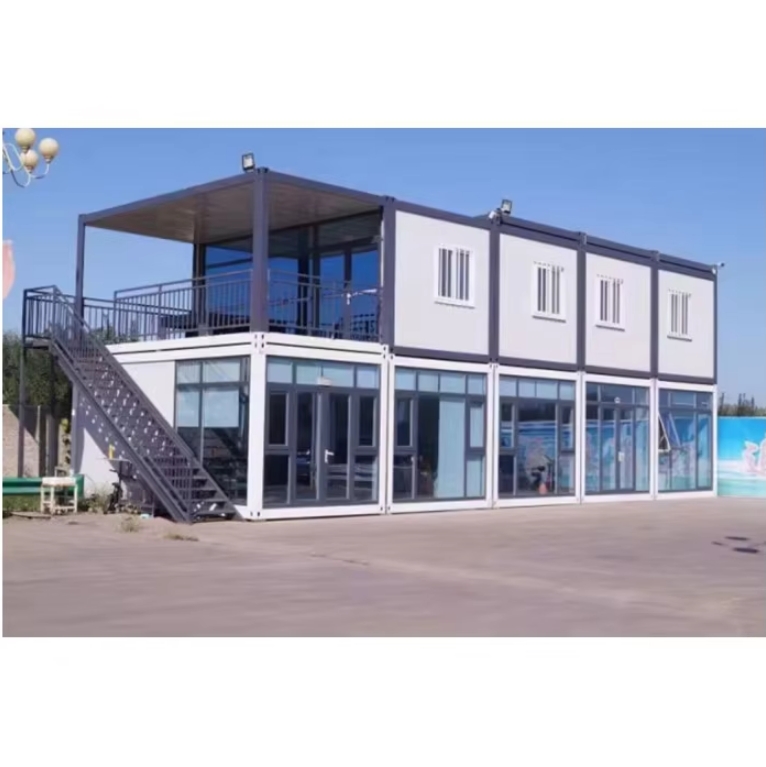
One of the most obvious disadvantages of container houses is their limited space. Standard shipping containers come in two sizes: 20 feet (160 square feet) and 40 feet (320 square feet). While you can stack or join containers to create more space, the narrow dimensions can make it challenging to design a functional and comfortable living area.
3.1. The Challenge of Open Floor Plans
Open floor plans are all the rage in modern home design, but they’re notoriously difficult to achieve in a container home. The width of a standard container is just 7 feet 8 inches, which doesn’t leave much room for spacious living areas. Even with multiple containers joined together, you’ll likely find yourself working with long, narrow layouts that can feel cramped and claustrophobic.
Many container homeowners end up sacrificing storage space or living area to accommodate essential features like kitchens, bathrooms, and bedrooms. It’s a delicate balancing act, and one that often requires creative solutions—like lofted beds or fold-out furniture—to make the most of the limited square footage.
3.2. Height Limitations: Watch Your Head
The standard height of a shipping container is 8 feet 6 inches, which can feel surprisingly low once you’ve added insulation, drywall, and flooring. If you’re tall or simply prefer higher ceilings, you might find yourself constantly ducking to avoid hitting your head on light fixtures or door frames.
High-cube containers, which offer an extra foot of height, are an option—but they come with their own set of challenges. They’re more expensive, harder to find, and may not be compatible with standard shipping container modifications. Plus, even with the extra height, you’ll still be working with a relatively confined space compared to a traditional home.
3.3. The Illusion of Customization
While container homes are often marketed as highly customizable, the reality is that their rigid dimensions can limit your design options. Want a large kitchen island? A walk-in closet? A spacious bathroom? You might have to compromise on these features—or pay a premium to have them custom-built.
Interestingly enough, many container homeowners end up feeling constrained by the very thing that attracted them to the concept in the first place. The industrial aesthetic, while trendy, can also feel cold and impersonal if not executed carefully. And if you’re not a fan of the "boxy" look, you might find yourself struggling to create a home that feels warm and inviting.
4. Health and Safety Concerns: What You Can’t See Can Hurt You
When considering what is the disadvantage of container houses?, it’s easy to focus on the visible issues like space constraints or structural limitations. But some of the most serious drawbacks are the ones you can’t see—namely, the potential health and safety risks associated with container living.
4.1. Chemical Contamination: The Toxic Legacy of Shipping
Shipping containers are designed to transport goods across the ocean, not to serve as living spaces. As a result, many containers are treated with toxic chemicals to prevent pests and corrosion during transit. These chemicals, which can include pesticides, fungicides, and industrial paints, can off-gas over time, posing serious health risks to occupants.
For example, some containers are treated with methyl bromide, a highly toxic pesticide that has been linked to respiratory issues, neurological damage, and even cancer. While newer containers are less likely to contain these chemicals, it’s difficult to know for sure what you’re dealing with—especially if you’re buying a used container.
To mitigate these risks, you’ll need to strip the container down to its bare metal and apply a non-toxic sealant. This process is time-consuming, expensive, and not always 100% effective. Even then, there’s no guarantee that all traces of the original chemicals have been removed.
4.2. Poor Indoor Air Quality
Container homes are notorious for poor indoor air quality, thanks to their airtight construction and lack of natural ventilation. Without proper airflow, moisture, mold, and volatile organic compounds (VOCs) from paints, adhesives, and insulation can build up, leading to a host of health problems—from allergies and asthma to chronic fatigue and headaches.
Many container homeowners underestimate the importance of a good ventilation system. A simple exhaust fan won’t cut it; you’ll need a whole-house ventilation system to ensure a steady supply of fresh air. This can be a significant added expense, but it’s one that’s well worth the investment if you want to avoid the health risks associated with poor air quality.
4.3. Fire Safety: A Ticking Time Bomb?
Metal is non-combustible, which might lead you to believe that container homes are inherently fireproof. But the reality is far more complicated. The insulation, wiring, and interior finishes used in container homes are often highly flammable, and the confined space can cause fires to spread rapidly.
Additionally, the metal walls of a container can conduct heat, making it difficult to contain a fire once it starts. If you’re building in a remote or rural area, you might also face challenges with fire department access, as many container homes are located off the beaten path.
To improve fire safety, you’ll need to invest in fire-resistant insulation, wiring, and interior finishes. You should also install smoke detectors and fire extinguishers in key areas of the home. But even with these precautions, it’s important to be aware of the risks and plan accordingly.
5. Resale Value and Market Perception: Will Your Container Home Hold Its Value?
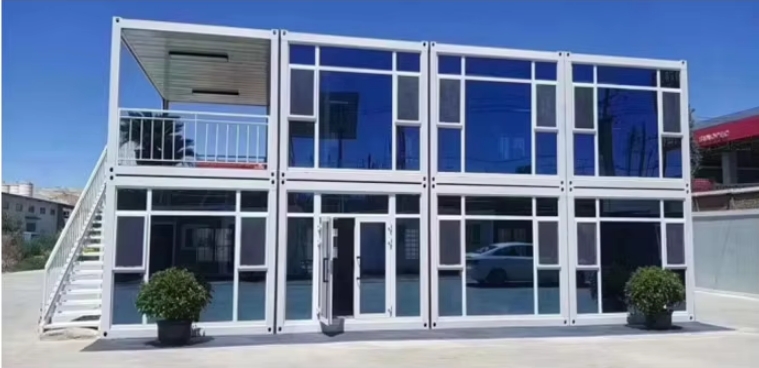
One of the most overlooked disadvantages of container houses is their resale value. While container homes are gaining popularity, they’re still a niche market, and that can make them difficult to sell when the time comes. Potential buyers may be put off by the unconventional construction, perceived lack of durability, or simply the "weird" factor.
5.1. The Stigma of Alternative Housing
Despite their growing popularity, container homes still carry a stigma in many parts of the world. Some people view them as temporary or low-quality housing, while others associate them with poverty or disaster relief efforts. This perception can make it difficult to find buyers willing to pay a premium for your container home, even if it’s well-designed and built to last.
In my experience, container homes tend to sell for less than their traditional counterparts, even when they’re in excellent condition. This is partly due to the limited pool of buyers, but it’s also a reflection of the market’s skepticism about alternative housing solutions.
5.2. Appraisal Challenges
Appraising a container home can be a nightmare. Most appraisers are trained to evaluate traditional stick-built homes, and they may not know how to properly assess the value of a container home. This can lead to lower appraisals, which in turn can make it difficult to secure financing or sell the home for its true worth.
If you’re planning to finance your container home, you might find that many lenders are hesitant to approve loans for alternative housing. Some banks view container homes as high-risk investments, which can make it difficult to secure favorable terms—or any financing at all.
5.3. The Future of Container Housing
While container homes are unlikely to disappear anytime soon, their long-term viability as a mainstream housing solution remains uncertain. As building codes and zoning laws evolve, it’s possible that container homes will become more widely accepted. But for now, they remain a niche market with limited resale potential.
If you’re considering a container home as an investment, it’s worth asking yourself: Will this home hold its value over time, or will I struggle to find a buyer when I’m ready to sell? The answer may depend on your location, the quality of your build, and the whims of the real estate market.
6. Is a Container House Right for You? Weighing the Pros and Cons
So, what is the disadvantage of container houses? As we’ve seen, they come with a unique set of challenges—from structural limitations and hidden costs to health risks and resale concerns. But that doesn’t mean they’re a bad option for everyone. For some people, the benefits of container living—like sustainability, affordability (in some cases), and unique design—outweigh the drawbacks.
Before you commit to a container home, it’s important to ask yourself a few key questions:
- Are you prepared for the potential structural and maintenance challenges?
- Do you have the budget to cover hidden costs like permits, insulation, and site preparation?
- Are you comfortable living in a small, potentially cramped space?
- Are you willing to take on the health and safety risks associated with container living?
- Do you plan to live in the home long-term, or are you open to the possibility of a difficult resale?
If you can answer "yes" to these questions, a container home might be a great fit for you. But if you’re looking for a low-maintenance, spacious, or easily resalable home, you might want to explore other options.
At the end of the day, container houses are a fascinating and innovative housing solution—but they’re not without their flaws. By understanding the disadvantages upfront, you can make an informed decision and avoid the pitfalls that have tripped up so many well-intentioned container homeowners.
For more detailed information, please visit our official website:What is the disadvantage of container houses?
About the author: Dr. Emily Carter is a sustainable architecture expert with over 15 years of experience in alternative housing solutions. She holds a Ph.D. in Environmental Design and has worked on container home projects across North America and Europe. Dr. Carter is passionate about helping homeowners make informed decisions about eco-friendly living, and she regularly contributes to industry publications on the challenges and opportunities of unconventional housing. When she’s not researching or writing, she enjoys hiking, urban gardening, and advocating for sustainable building practices.