The Future of Sustainable Living: A Complete Guide to Container House and Prefab House Solutions
Have you ever driven past a construction site and wondered how a home could be built in just a few days? Or perhaps you’ve seen those sleek, modern homes made from shipping containers and thought, "Could I live in one?" If so, you’re not alone. The rise of container house and prefab house solutions is reshaping the way we think about housing—offering faster builds, lower costs, and a smaller environmental footprint. But what exactly are these homes, and are they right for you?
In this guide, we’ll dive deep into the world of modular and prefabricated housing, exploring everything from design flexibility to cost savings and sustainability. Whether you’re a first-time homebuyer, an eco-conscious builder, or simply curious about alternative housing, this article will give you the insights you need to make an informed decision.
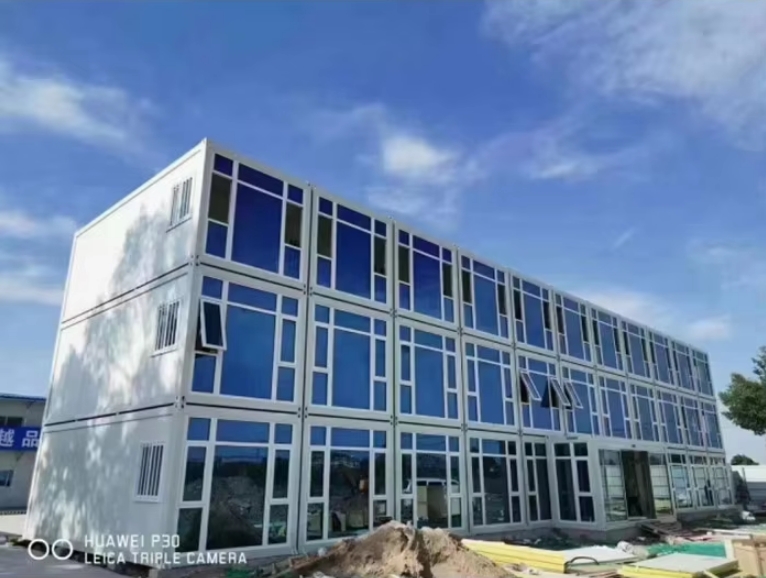
What Are Container House and Prefab House Solutions?
Before we jump into the benefits, let’s clarify what we mean by container house and prefab house. While these terms are often used interchangeably, they refer to slightly different construction methods—though both fall under the broader umbrella of modular or off-site building.
The Basics of Prefab Houses
Prefab, short for "prefabricated," refers to homes that are built in sections or modules in a factory setting before being transported to the final site for assembly. These homes can range from simple, single-story structures to multi-level luxury residences. The key advantage? Speed. Since much of the construction happens indoors, weather delays are eliminated, and quality control is tighter.
Interestingly enough, prefab homes aren’t a new concept. In fact, they date back to the early 20th century, when companies like Sears sold mail-order kit homes. Today, however, advancements in technology and materials have taken prefab housing to a whole new level.
Container Houses: A Subset of Prefab
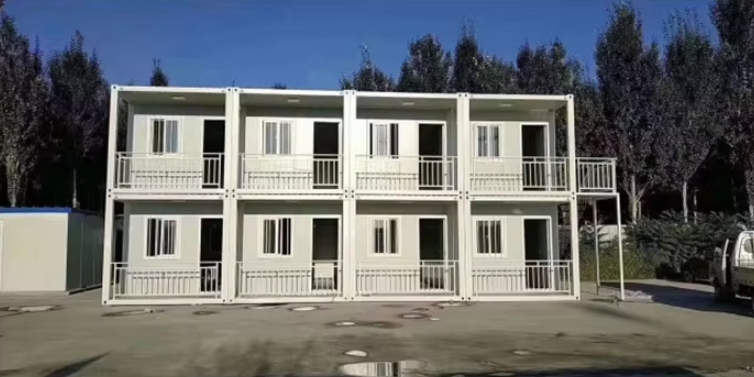
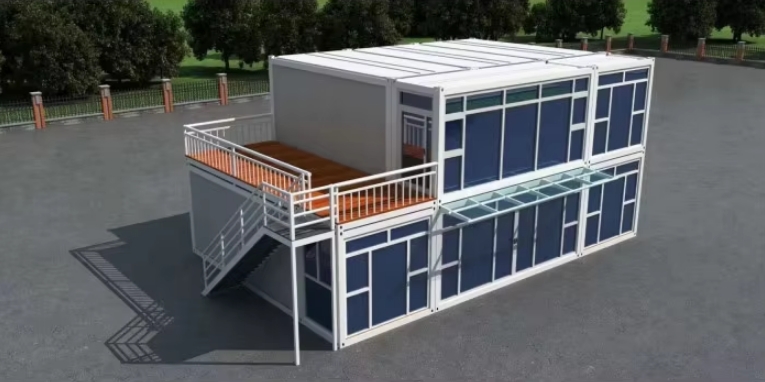
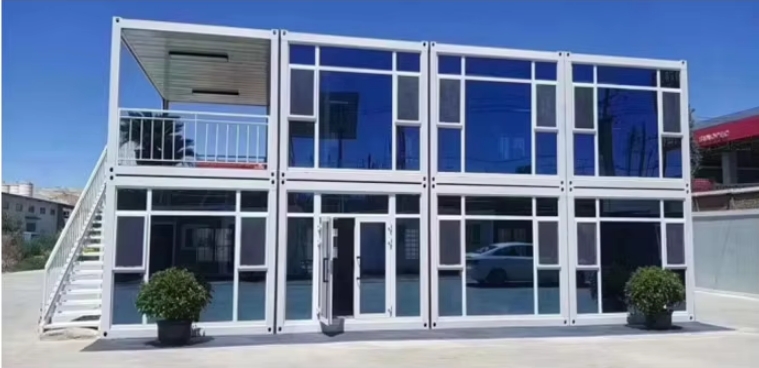
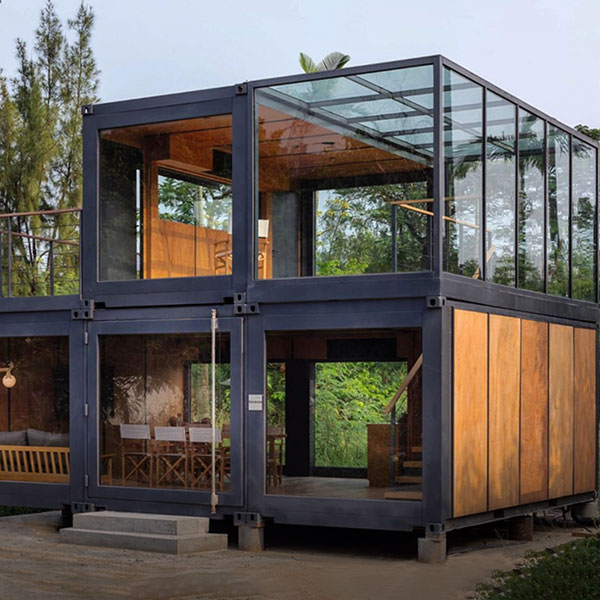
Container houses, on the other hand, are a specific type of prefab home built using repurposed shipping containers. These steel boxes, originally designed for transporting goods across oceans, are incredibly durable and modular—making them an ideal (and trendy) choice for modern housing. A single container can serve as a tiny home, while multiple containers can be stacked or arranged to create larger, more complex designs.
It’s worth noting that while all container houses are prefab, not all prefab houses are made from containers. The distinction lies in the materials and construction process, but both share the core principle of off-site fabrication.
Why Choose a Container House or Prefab House? The Top Benefits
So, why are more people turning to container house and prefab house solutions? The reasons are as varied as the homeowners themselves, but a few key benefits stand out.
1. Speed of Construction
Traditional home construction can take anywhere from six months to over a year, depending on the size and complexity of the project. Prefab and container homes, however, can be built in a fraction of that time. Since the modules are constructed in a controlled factory environment, the on-site assembly process is streamlined. In my experience, many prefab homes can be move-in ready in as little as 3-6 months.
For those in a hurry—whether due to a growing family, a job relocation, or simply the desire to stop renting—this speed is a game-changer.
2. Cost-Effectiveness
Let’s talk numbers. Building a traditional home can cost anywhere from $150 to $400 per square foot, depending on location and materials. Prefab homes, on the other hand, often come in at $100 to $250 per square foot. Container homes can be even more affordable, with some DIY-friendly projects costing as little as $50 per square foot.
But here’s the catch: while the base cost is lower, customization and high-end finishes can drive up the price. Many experts agree that the real savings come from reduced labor costs and fewer construction delays. Frankly speaking, if you’re working with a tight budget, a prefab or container home could be your ticket to homeownership without breaking the bank.
3. Sustainability and Eco-Friendliness
If you’re passionate about reducing your carbon footprint, container house and prefab house solutions offer several eco-friendly advantages. First, prefab construction generates less waste than traditional building methods. Materials are ordered in precise quantities, and any excess can often be reused or recycled.
Container homes take sustainability a step further by repurposing steel shipping containers that would otherwise sit unused in ports. According to the Container Recycling Institute, there are over 17 million shipping containers worldwide, with only about 6 million in active use. By giving these containers a second life, you’re not only reducing waste but also minimizing the need for new construction materials.
Additionally, many prefab homes are designed with energy efficiency in mind. Features like solar panels, high-performance insulation, and energy-efficient windows are common, helping homeowners save on utility bills while reducing their environmental impact.
4. Design Flexibility and Customization
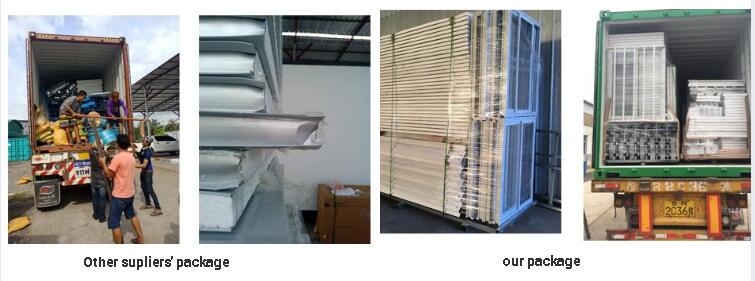
One of the biggest misconceptions about prefab and container homes is that they lack personality or design options. In reality, the opposite is true. Today’s modular homes come in a wide range of styles, from sleek and modern to rustic and cozy. Whether you want a minimalist tiny home or a sprawling, multi-container mansion, the possibilities are nearly endless.
Many manufacturers offer customizable floor plans, allowing you to choose everything from the layout to the finishes. Want a container home with a rooftop deck? No problem. Prefer a prefab house with an open-concept kitchen and living area? You got it. The key is to work with a reputable builder who understands your vision and can bring it to life.
5. Durability and Strength
Shipping containers are built to withstand the harshest conditions—think ocean voyages, extreme weather, and heavy loads. This makes them incredibly durable as building materials. A well-maintained container home can last 25 years or more, and with proper insulation and reinforcement, it can be just as sturdy as a traditional home.
Prefab homes, too, are designed to meet or exceed local building codes. Since they’re constructed in a factory, quality control is often higher than on-site builds, where weather and human error can compromise structural integrity.
Challenges and Considerations
While container house and prefab house solutions offer many advantages, they’re not without their challenges. Before you take the plunge, it’s important to weigh the potential drawbacks.
1. Zoning and Building Codes
One of the biggest hurdles for prefab and container homeowners is navigating local zoning laws and building codes. Some areas have strict regulations about what types of homes can be built, and others may not allow container homes at all. Before you invest, check with your local planning department to ensure your project is feasible.
It’s also worth noting that some lenders are hesitant to finance non-traditional homes. If you’re planning to take out a mortgage, you may need to shop around for a lender who specializes in prefab or modular housing.
2. Insulation and Temperature Control
Shipping containers are made of steel, which is a fantastic conductor of heat (and cold). Without proper insulation, a container home can become uncomfortably hot in the summer and freezing in the winter. Many homeowners opt for spray foam insulation, which provides an airtight seal and helps regulate indoor temperatures.
Prefab homes, while not as prone to temperature extremes, still require careful insulation planning. Work with your builder to choose materials that suit your climate and energy needs.
3. Limited Space in Container Homes
While container homes are great for minimalists or those looking to downsize, the limited square footage can be a challenge for families or anyone who values space. A standard 20-foot container offers just 160 square feet of living space, while a 40-foot container provides around 320 square feet. To create a larger home, you’ll need to combine multiple containers, which can add complexity and cost to the project.
4. Resale Value and Market Perception
Let’s be honest: not everyone is on board with the idea of living in a shipping container or a prefab home. While these housing solutions are gaining popularity, some buyers may still view them as "less than" traditional homes. This can impact resale value, especially in markets where non-traditional housing is rare.
That said, as more people embrace sustainable and cost-effective living, the stigma around prefab and container homes is fading. In some areas, these homes are even becoming a hot commodity among eco-conscious buyers.
How to Get Started with Your Container or Prefab House
If you’re ready to explore container house and prefab house options, here’s a step-by-step guide to help you get started.
1. Define Your Goals and Budget
Before you start browsing floor plans, ask yourself a few key questions:
- What’s your primary motivation for choosing a prefab or container home? (Cost savings, sustainability, speed of construction, etc.)
- How much space do you need? Will this be a primary residence, a vacation home, or a rental property?
- What’s your budget, including land, permits, and customization?
Having clear answers to these questions will help you narrow down your options and avoid costly mistakes.
2. Research Builders and Manufacturers
Not all prefab and container home builders are created equal. Some specialize in luxury modular homes, while others focus on affordable, DIY-friendly container projects. Take the time to research companies, read reviews, and ask for references. If possible, visit a model home or tour a completed project to get a sense of the quality and craftsmanship.
Here are a few things to look for in a builder:
- Experience with your preferred type of home (prefab, container, or hybrid)
- Transparency about pricing and timelines
- Willingness to work with you on customization
- Strong warranty and customer support
3. Choose Your Land
Finding the right piece of land is just as important as choosing the right home. Consider factors like:
- Zoning laws and building codes
- Access to utilities (water, electricity, sewage)
- Topography and soil quality (will you need a foundation?)
- Proximity to amenities and transportation
If you’re unsure where to start, work with a real estate agent who specializes in land sales or consult with a local builder who can guide you through the process.
4. Design Your Home
This is where the fun begins! Work with your builder to create a floor plan that suits your lifestyle. Many companies offer pre-designed models, but don’t be afraid to request customizations. Some popular design trends in prefab and container homes include:
- Open-concept living spaces
- Large windows for natural light
- Outdoor living areas (decks, patios, rooftop gardens)
- Smart home technology (solar panels, energy-efficient appliances, home automation)
If you’re building a container home, think about how you’ll arrange the containers to maximize space and flow. Will you stack them vertically or place them side by side? Will you remove walls to create an open floor plan, or keep the containers intact for a more industrial look?
5. Secure Financing and Permits
As mentioned earlier, financing a prefab or container home can be trickier than securing a traditional mortgage. Some options to explore include:
- Construction loans (short-term loans that convert to a mortgage once the home is built)
- Personal loans or home equity lines of credit (HELOCs)
- Specialized lenders who work with modular and prefab homebuyers
You’ll also need to obtain the necessary permits for your project. Your builder should be able to guide you through this process, but it’s a good idea to familiarize yourself with local requirements.
6. Prepare the Site and Begin Construction
Once your permits are approved and financing is in place, it’s time to prepare the site. This may involve clearing the land, grading, and installing a foundation. For container homes, a simple slab foundation is often sufficient, while prefab homes may require a more traditional foundation.
Next, your builder will construct the modules in the factory and transport them to your site for assembly. Depending on the complexity of your home, this process can take anywhere from a few weeks to a few months. Once the modules are in place, the final touches—like plumbing, electrical, and interior finishes—will be completed.
7. Move In and Enjoy!
After all the planning and hard work, the moment you’ve been waiting for has arrived: move-in day! Take the time to settle in and enjoy your new home. And don’t forget to share your experience with others—whether through social media, a blog, or simply by inviting friends and family over to see your unique space.
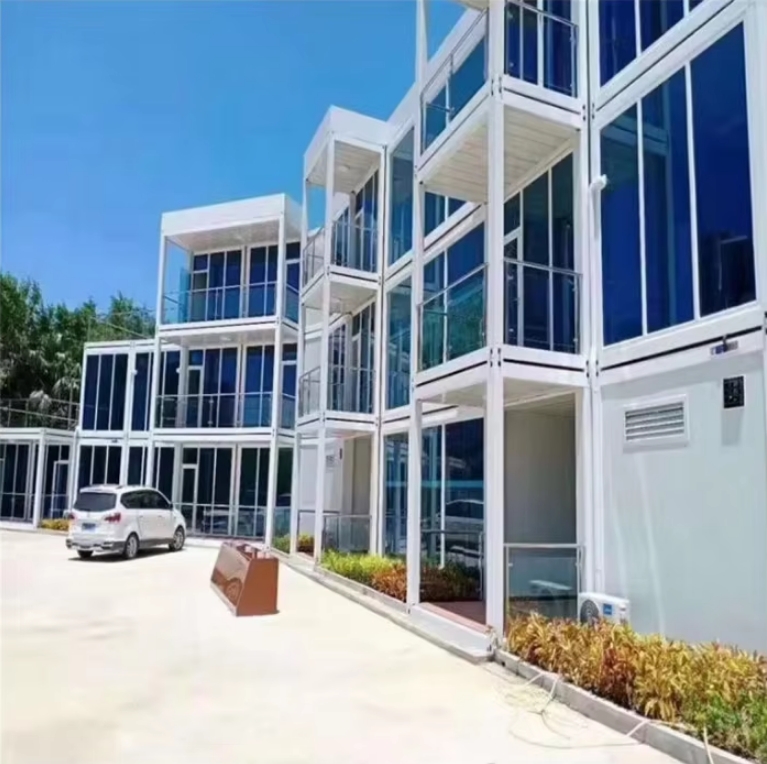
The Future of Container House and Prefab House Living
As housing costs continue to rise and environmental concerns grow, container house and prefab house solutions are poised to play a major role in the future of residential construction. Innovations in materials, design, and technology are making these homes more accessible, affordable, and sustainable than ever before.
For example, some companies are now experimenting with 3D-printed prefab homes, which could further reduce costs and construction time. Others are exploring the use of sustainable materials like bamboo, recycled plastics, and even mushroom-based insulation. The possibilities are endless, and the industry is evolving at a rapid pace.
So, what does this mean for you? If you’ve been dreaming of homeownership but feel priced out of the traditional market, a prefab or container home could be the perfect solution. And if you’re passionate about sustainability, these homes offer a way to reduce your environmental impact without sacrificing comfort or style.
Have you ever considered living in a container or prefab home? What excites you most about these housing options? Share your thoughts in the comments below—we’d love to hear from you!
For more detailed information, please visit our official website:Container House and Prefab House
About the author: Dr. Emily Carter is a sustainable architecture expert and advocate for affordable housing solutions. With over 15 years of experience in modular and prefab design, she has helped countless families and communities build eco-friendly, cost-effective homes. When she’s not consulting on innovative housing projects, Emily enjoys hiking, writing about sustainable living, and mentoring the next generation of green builders. Her work has been featured in Architectural Digest, Green Building Magazine, and numerous industry conferences.