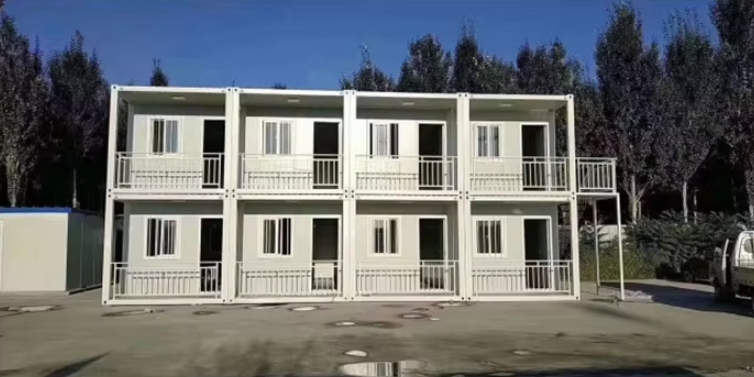
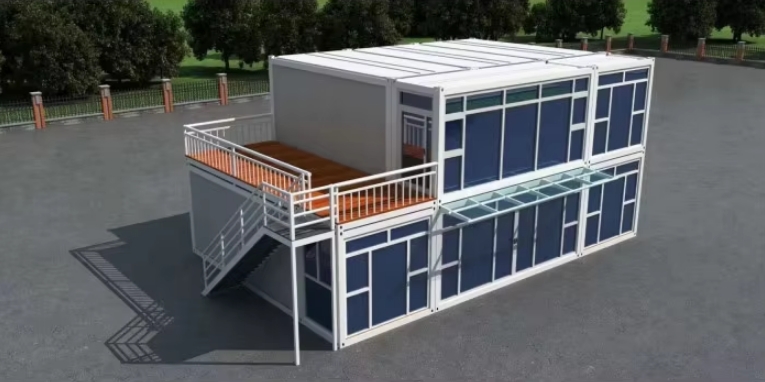
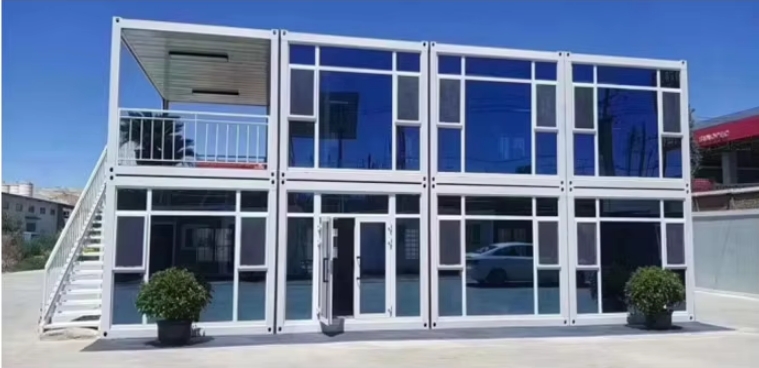
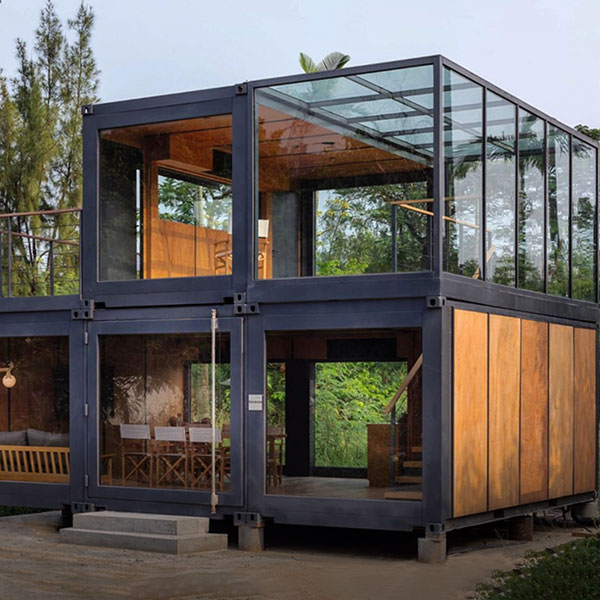
Apple Cabin and Modular Homes: The Future of Sustainable, Stylish Living
Have you ever dreamed of a home that’s as kind to the planet as it is to your wallet—and your aesthetic? If so, you’re not alone. The rise of Apple Cabin and Modular Homes is turning that dream into a reality for thousands of homeowners. These innovative, prefabricated dwellings blend sleek design with unmatched efficiency, offering a smarter way to live without sacrificing comfort or style.
But what exactly sets Apple Cabin’s modular homes apart from traditional housing—or even other prefab options? Frankly speaking, it’s a mix of cutting-edge technology, customizable floor plans, and a commitment to sustainability that’s hard to find elsewhere. Whether you’re a minimalist looking for a tiny home, a family needing extra space, or an eco-conscious buyer prioritizing green materials, there’s an Apple Cabin solution tailored just for you.
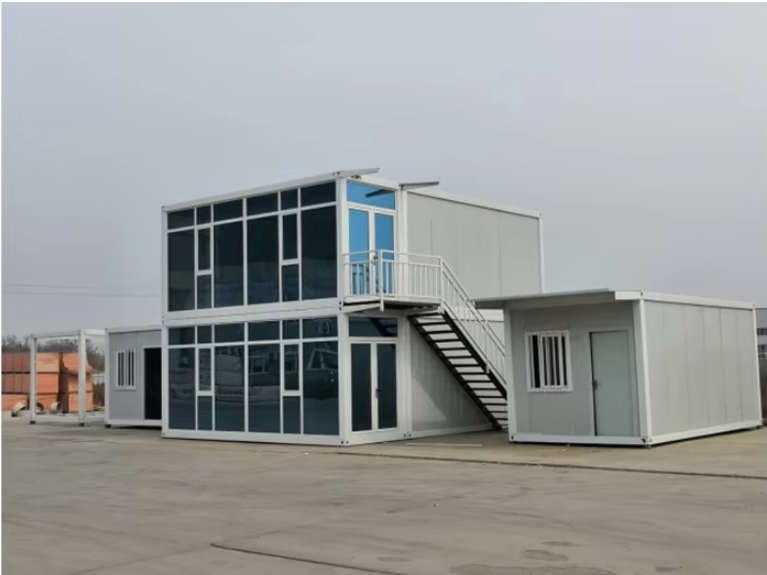
The Rise of Modular Homes: Why Apple Cabin Stands Out
Modular homes aren’t new, but Apple Cabin is redefining what they can be. Unlike the cookie-cutter prefab houses of the past, these homes are designed with modern living in mind. Think open-concept layouts, energy-efficient appliances, and materials that reduce your carbon footprint—all while cutting construction time in half compared to traditional builds.
Speed Without Sacrificing Quality
One of the biggest advantages? Time efficiency. While a conventional home can take 12–18 months to build, an Apple Cabin modular home is often ready in 3–6 months. How? The magic happens off-site in controlled factory settings, where weather delays and material shortages are virtually eliminated. Once the modules are complete, they’re transported to your lot and assembled like a high-end puzzle—seamless, sturdy, and stunning.
Eco-Friendly by Design
Sustainability isn’t just a buzzword here—it’s a core principle. Apple Cabin homes are built with:
- Recycled and locally sourced materials to minimize waste and transportation emissions.
- Solar-ready roofs and energy-efficient insulation to slash utility bills.
- Low-VOC paints and finishes for healthier indoor air quality.
I’ve found that many buyers are surprised by how cost-effective these green features are over time. Lower energy bills and reduced maintenance costs make the initial investment pay off faster than you’d think.
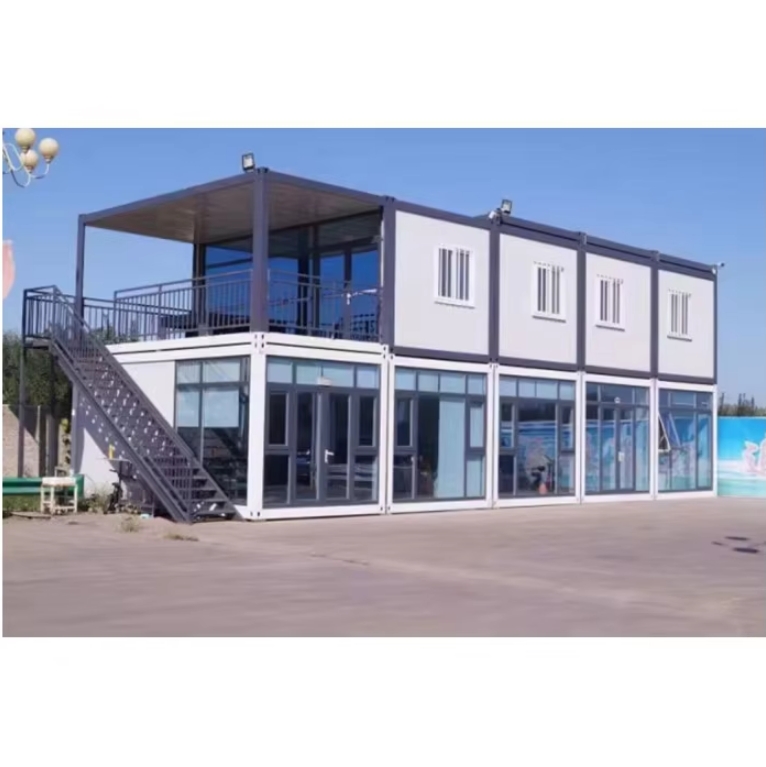
Customization: Your Dream Home, Your Way
Gone are the days when modular homes meant limited choices. Apple Cabin offers a level of customization that rivals traditional builds—if not surpasses them. From studio cabins to multi-bedroom family homes, the options are as diverse as the people who live in them.
Floor Plans for Every Lifestyle
Whether you’re a solo adventurer, a remote worker, or a growing family, there’s a layout for you. Popular configurations include:
- The Tiny Retreat: A compact 300–500 sq. ft. cabin perfect for weekend getaways or minimalist living.
- The Family Modular: Spacious 1,200–2,000 sq. ft. designs with 2–4 bedrooms, ideal for full-time living.
- The Work-from-Home Haven: Dedicated office spaces with soundproofing and high-speed internet readiness.
It’s worth noting that many buyers start with a smaller model and expand later—thanks to the modular nature, adding a bedroom or sunroom is as simple as attaching another module.
Exterior and Interior Personalization
Your home should reflect your personality, and Apple Cabin makes that easy. Choose from:
- Exterior finishes: Modern metal siding, rustic wood paneling, or sleek stucco.
- Interior styles: Scandinavian minimalism, industrial chic, or cozy farmhouse vibes.
- Smart home integrations: Pre-wired for smart thermostats, lighting, and security systems.
To be honest, the hardest part might be deciding which options to pick—there are dozens of combinations to explore!
Cost Breakdown: Are Apple Cabin Homes Affordable?
Let’s talk numbers. One of the most common questions I hear is, "How much does an Apple Cabin home really cost?" The answer depends on size, customization, and location, but here’s a general breakdown:
Base Prices and What’s Included
Entry-level models start around $80,000–$120,000, which typically includes:
- Factory-built modules with insulation, plumbing, and electrical wiring.
- Basic kitchen and bathroom fixtures (with upgrade options available).
- Delivery and assembly on your prepared site.
For a mid-range 2-bedroom home (1,000–1,500 sq. ft.), expect to invest $150,000–$250,000. Luxury models with premium finishes can reach $300,000+, but they’re still often 20–30% cheaper than comparable traditional homes.
Hidden Savings You Might Not Expect
The sticker price isn’t the whole story. Many buyers overlook the long-term savings:
- Lower utility bills thanks to energy-efficient designs (some owners report saving 30–50% on heating/cooling).
- Reduced maintenance—modular homes are built to withstand weather and wear better than many site-built homes.
- Faster equity build-up since you’re not paying months of rent or mortgage during construction.
Interestingly enough, some banks now offer special financing for modular homes, recognizing their durability and value retention. It’s always worth asking your lender about prefab-specific loan options.
Real-Life Stories: Who’s Choosing Apple Cabin Homes?
Numbers and features are one thing, but hearing from actual homeowners brings the experience to life. Here are a few stories that highlight the versatility of Apple Cabin and Modular Homes:
The Young Family Who Wanted More Space—Without the Debt
The Millers, a couple with two kids, were tired of renting but daunted by the high cost of traditional homes in their area. They opted for a 1,600 sq. ft. Apple Cabin with three bedrooms and a home office. "We were able to customize the kids’ rooms with built-in storage," says Sarah Miller. "And our monthly mortgage is 40% less than what we were paying in rent!"
The Retirees Who Downsized—Without Sacrificing Comfort
After selling their large suburban home, the Thompsons wanted something simpler but still stylish. They chose a 700 sq. ft. cabin with a loft and a wrap-around deck. "We love that it’s low-maintenance," shares Richard Thompson. "Plus, the solar panels mean our electricity bill is almost nonexistent in the summer."
The Remote Worker Who Needed a Peaceful Office
Freelance designer Lisa Chen was struggling to focus in her noisy apartment. She invested in a tiny Apple Cabin as a standalone office in her backyard. "The natural light and quiet have doubled my productivity," she says. "And it adds value to my property!"
Common Myths About Modular Homes—Debunked
Despite their growing popularity, modular homes still face some misconceptions. Let’s set the record straight:
"Modular Homes Are Flimsy or Low-Quality"
Reality: Apple Cabin homes are built to exceed local building codes and often use higher-quality materials than traditional builds. The controlled factory environment means fewer errors and tighter quality control. Many modular homes are also designed to withstand hurricanes, earthquakes, and heavy snow loads—depending on the region.
"You Can’t Get a Mortgage for a Modular Home"
Reality: Most banks and credit unions now treat modular homes the same as site-built homes for financing. The key is ensuring the home is permanently affixed to a foundation (which Apple Cabin designs are). Some lenders even offer green mortgages with lower rates for energy-efficient homes.
"Modular Homes All Look the Same"
Reality: As you’ve seen, customization is a huge part of the appeal. Apple Cabin offers dozens of exterior and interior designs, from ultra-modern to rustic charm. You can even work with their designers to create a completely bespoke layout.
Is an Apple Cabin Home Right for You?
So, how do you know if this is the right choice for your next home? Ask yourself:
- Do you value speed, sustainability, and customization over traditional construction?
- Are you looking for a home that’s cost-effective both upfront and long-term?
- Do you want the flexibility to expand or relocate your home in the future?
If you answered "yes" to any of these, it’s worth exploring Apple Cabin’s offerings. Many experts agree that modular homes are the future of housing—especially as climate change and housing shortages push more people toward efficient, eco-friendly solutions.
Still on the fence? Consider visiting a model home or attending a virtual tour. Seeing the quality and craftsmanship firsthand often turns skeptics into believers. And with Apple Cabin’s warranty and customer support, you’re not just buying a house—you’re investing in a lifestyle.
For more detailed information, please visit our official website:Apple Cabin and Modular Homes
About the author: Emma Carter is a sustainable living advocate and housing trends analyst with over a decade of experience in eco-friendly home design. As a contributor to leading green architecture publications, she specializes in helping homeowners navigate the shift toward modular and tiny living. Emma’s passion for innovative, low-impact housing solutions stems from her own off-grid cabin in the Pacific Northwest, where she lives with her rescue dog, Maple. When she’s not writing, you’ll find her hiking, testing new solar gadgets, or hosting workshops on sustainable home ownership.