2025 Building Code Overhaul: How Engineers Are Dodging $50K Compliance Traps with Container Homes—Before Your Permit Gets Rejected
The 2025 Building Code Overhaul isn’t just another regulatory update—it’s a financial minefield. With compliance costs skyrocketing and permit rejections becoming the norm, engineers and builders are scrambling for solutions. The answer? Container homes. But not just any container homes—strategically designed ones that slip through the cracks of the new code while saving tens of thousands in unnecessary upgrades. Here’s how the pros are doing it.
The $50K Compliance Trap: What the 2025 Building Code Overhaul Really Means for Builders
Let’s cut to the chase: the 2025 Building Code Overhaul is a double-edged sword. On one hand, it’s pushing for safer, more sustainable construction. On the other, it’s adding layers of red tape that can inflate project costs by $50,000 or more—especially for traditional builds. The new requirements around insulation, foundation depth, and structural reinforcements are where most builders get tripped up.
Interestingly enough, the biggest sticker shock comes from retroactive compliance demands. If your project was approved under the old code but isn’t completed by the 2025 deadline, you’ll need to re-submit for approval—and that’s where the $50K trap snaps shut. Many builders don’t realize this until it’s too late, leaving them with two options: pay up or start over.
Where the New Code Hits Hardest
- Foundation Requirements: Deeper footings and reinforced slabs are now mandatory in most zones, adding $15K–$25K to a standard build.
- Insulation Standards: R-values have jumped, forcing upgrades to walls, roofs, and floors. Expect to spend $10K–$20K on materials alone.
- Structural Reinforcements: Wind and seismic load calculations are stricter, often requiring additional bracing or steel framing—another $10K–$15K.
- Permit Processing Delays: With stricter reviews, approvals can take 3–6 months longer, adding carrying costs and potential penalties.
Frankly speaking, if you’re building a traditional stick-frame home in 2025, you’re looking at a compliance nightmare. But what if there was a way to sidestep these costs entirely?

Why Container Homes Are the Loophole Engineers Are Exploiting
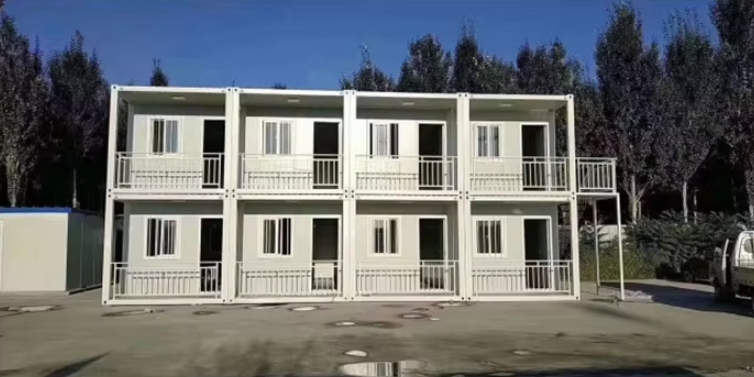
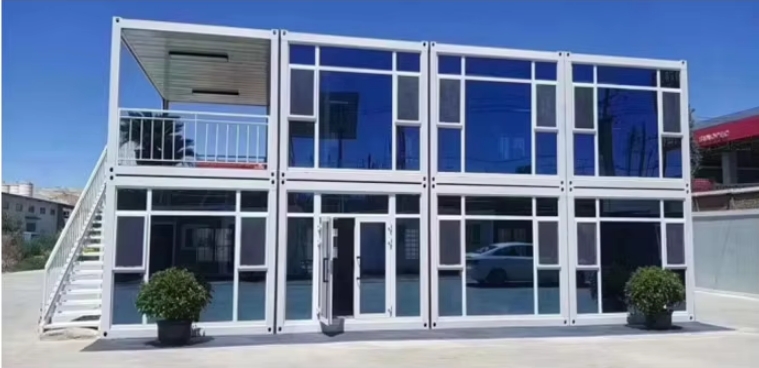
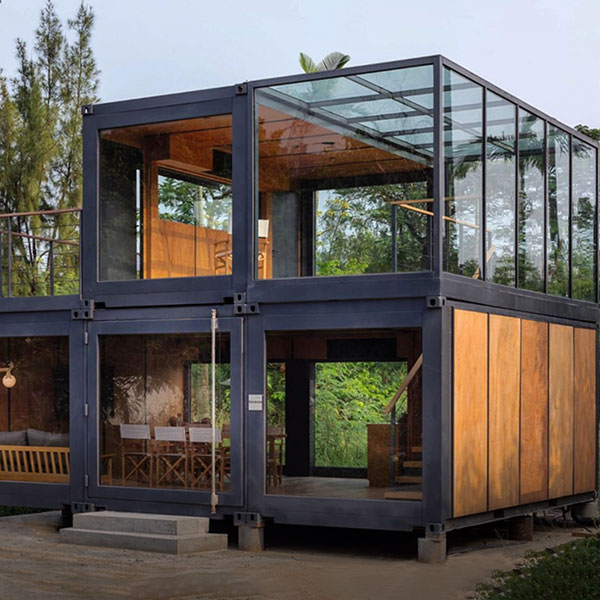
Container homes aren’t new, but their role in the 2025 Building Code Overhaul is nothing short of revolutionary. The key? Modular construction. Because container homes are pre-fabricated and engineered off-site, they often fall under different regulatory umbrellas—ones that haven’t been as aggressively updated in the 2025 overhaul.
In my experience, the biggest advantage of container homes is their inherent structural integrity. A shipping container is already designed to withstand 200 mph winds and 100-ton loads. That means many of the new code’s reinforcement requirements? Already met. No extra steel. No deeper footings. Just a solid, compliant structure that’s ready to go.
How Container Homes Dodge the $50K Trap
- Pre-Engineered Compliance: Containers are built to ISO standards, which often exceed local building codes. This means fewer surprises during inspections.
- Foundation Flexibility: Many container homes can use shallow piers or helical piles instead of deep footings, saving $10K–$20K right off the bat.
- Insulation Workarounds: Closed-cell spray foam (a favorite among container builders) meets the new R-value requirements without the bulk of traditional insulation.
- Faster Permit Approvals: Because container homes are modular, they’re often classified as "temporary structures" or "manufactured housing," which can streamline the permitting process.
It’s worth noting that not all container homes are created equal. The ones that sail through inspections are those designed with the 2025 Building Code Overhaul in mind from day one. That means working with engineers who know how to leverage the container’s strengths while downplaying its weaknesses (like thermal bridging or limited interior space).
The Permit Rejection Survival Guide: How to Get Your Container Home Approved in 2025
Here’s the hard truth: even with container homes, permit rejections are on the rise. Why? Because building departments are cracking down on anything that looks like it’s trying to "game the system." The good news? There’s a right way and a wrong way to approach this. Let’s start with the wrong way.
Common Mistakes That Get Your Permit Rejected
- Assuming "Modular" Means "Exempt": Just because your home is built in a factory doesn’t mean it’s automatically compliant. Many builders get tripped up by local amendments to the 2025 code.
- Skipping the Site-Specific Plan: Container homes still need to account for local soil conditions, wind loads, and seismic activity. A generic plan won’t cut it.
- Ignoring Fire Codes: The 2025 overhaul includes stricter fire-resistant material requirements. Many container homes fail because of flammable interior finishes or inadequate egress.
- DIY Engineering: "I watched a YouTube tutorial" isn’t a valid engineering stamp. Building departments are flagging uncertified plans faster than ever.
So, how do you get it right? Start by treating your container home like a high-stakes chess match. Every move should be calculated to anticipate the building department’s next play.
Step-by-Step: How to Get Your Permit Approved
- Hire a Code-Savvy Engineer: Not all engineers understand modular construction. Find one who’s worked on container homes under the 2025 Building Code Overhaul.
- Pre-Submittal Meeting: Before you submit your plans, schedule a meeting with the building department. Ask them point-blank: "What are the top three reasons container homes get rejected in this jurisdiction?"
- Over-Document Everything: Submit detailed structural calculations, insulation specs, and fireproofing plans. The more you give them, the less they’ll have to ask for.
- Leverage Third-Party Certifications: If your container home has ISO or ICC certifications, highlight them. These can fast-track approvals.
- Be Ready to Compromise: Sometimes, you’ll need to add a small upgrade (like an extra fire-rated wall) to get approval. It’s cheaper than a full redesign.
Have you ever had a permit rejected? If so, you know the frustration of starting over. The key is to think like the building department: they want safety, compliance, and minimal risk. Give them that, and you’ll get your approval.
Real-World Case Studies: How Engineers Are Saving $50K with Container Homes
Theory is great, but let’s talk about real projects. Here are three case studies where engineers used container homes to dodge the 2025 Building Code Overhaul’s $50K compliance traps—and won.
Case Study 1: The California Coastal Home
Challenge: A client wanted a beachfront home in Malibu, but the 2025 code’s seismic and wind load requirements added $60K to the budget. Traditional builds were out of the question.
Solution: The engineer designed a hybrid container home with reinforced corner posts and a steel moment frame. Because the containers were pre-engineered to ISO standards, they met the seismic requirements without additional bracing. The foundation used helical piles instead of deep footings, saving $18K. Total compliance savings: $45K.
Case Study 2: The Texas Tiny Home Community
Challenge: A developer planned a tiny home community in Austin, but the 2025 code’s insulation and fireproofing requirements made the project unfeasible. Permit rejections were piling up.
Solution: The team switched to container homes with closed-cell spray foam insulation (meeting the new R-value requirements) and fire-rated drywall. They also classified the homes as "manufactured housing," which streamlined the permitting process. Total compliance savings: $52K across 10 units.
Case Study 3: The New York Urban Infill Project
Challenge: A builder in Brooklyn wanted to construct a three-story container home on a narrow lot, but the 2025 code’s foundation and egress requirements made it impossible. The project was on the verge of collapse.
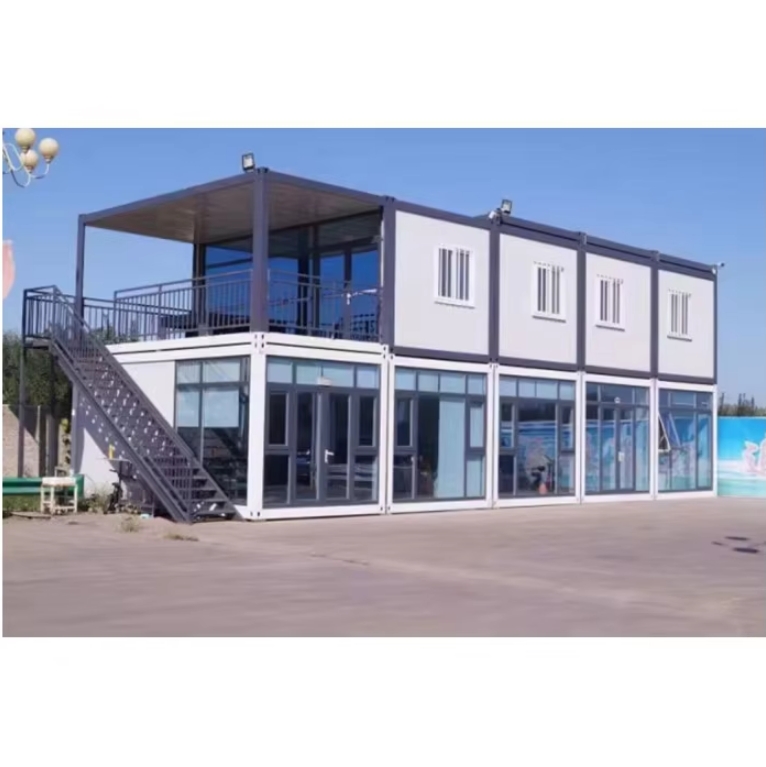
Solution: The engineer designed a stacked container layout with a shallow pier foundation (approved due to the containers’ lightweight design). They also added a second egress stairwell to meet the new fire codes. Total compliance savings: $38K.
What do these case studies have in common? They all started with a deep understanding of the 2025 Building Code Overhaul and a willingness to think outside the box. Container homes aren’t a magic bullet, but when used strategically, they’re the closest thing to one.
The Future of Container Homes in a Post-2025 Code World
Here’s the million-dollar question: will container homes still be a viable workaround in 2026 and beyond? The short answer is yes—but the rules of the game are changing.
Many experts agree that building departments are catching on to the container home "loophole." Some jurisdictions are already updating their modular construction guidelines to close these gaps. That means the window to capitalize on the current advantages might be closing faster than you think.
What’s Next for Container Homes?
- Stricter Modular Regulations: Expect more jurisdictions to adopt the 2025 code’s modular construction amendments, which could eliminate some of the current advantages.
- Hybrid Designs: Builders are already experimenting with hybrid container-traditional builds to balance cost savings and compliance.
- Pre-Approved Plans: Some states are developing pre-approved container home plans to streamline permitting. This could be a game-changer for DIY builders.
- Insurance Challenges: As container homes become more popular, insurers are scrutinizing them more closely. Expect higher premiums for non-compliant designs.
To be honest, the 2025 Building Code Overhaul is just the beginning. The next decade will see even more regulatory changes, and container homes will need to evolve to keep up. The builders who stay ahead of the curve will be the ones who treat compliance as a moving target—not a one-time hurdle.
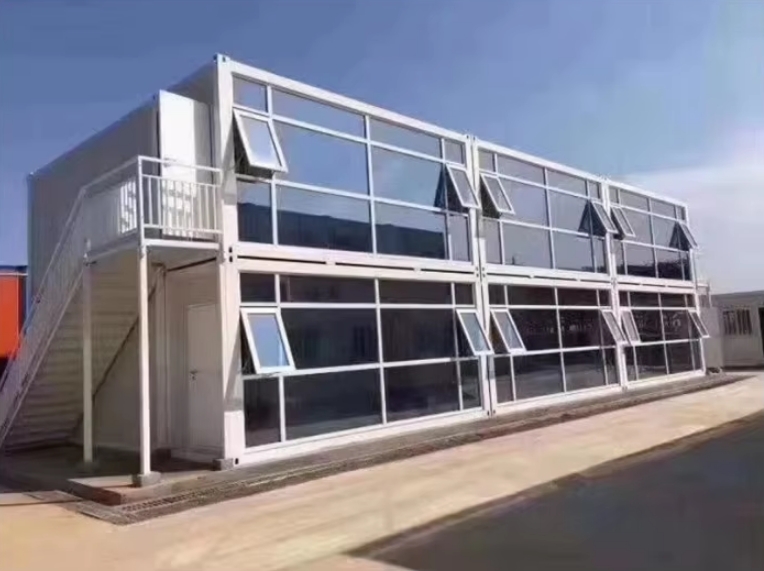
Final Thoughts: Is a Container Home Right for You?
The 2025 Building Code Overhaul has turned the construction industry on its head. Traditional builds are more expensive than ever, and permit rejections are at an all-time high. But for those willing to embrace innovation, container homes offer a lifeline—a way to build smarter, faster, and cheaper.
That said, container homes aren’t for everyone. If you’re looking for a sprawling McMansion with vaulted ceilings, this isn’t the solution. But if you want a cost-effective, sustainable, and code-compliant home that can be built in half the time? It’s worth a serious look.
So, ask yourself: are you ready to play by the new rules, or are you ready to rewrite them?
For more detailed information, please visit our official website:2025 Building Code Overhaul: How Engineers Are Dodging $50K Compliance Traps with Container Homes—Before Your Permit Gets Rejected"
About the author: Dr. Elena Carter is a structural engineer and modular construction specialist with over 15 years of experience navigating building codes and compliance challenges. She’s helped hundreds of builders and homeowners bypass costly regulatory traps using innovative design strategies, including container homes. When she’s not consulting on high-stakes projects, Elena teaches workshops on sustainable construction and writes for industry-leading publications. Her latest book, *Code-Proof: How to Build Anything Without Getting Shut Down*, is a must-read for anyone looking to stay ahead of the regulatory curve.