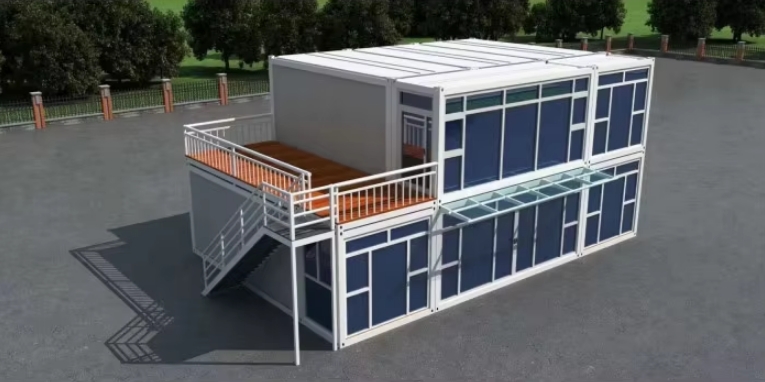
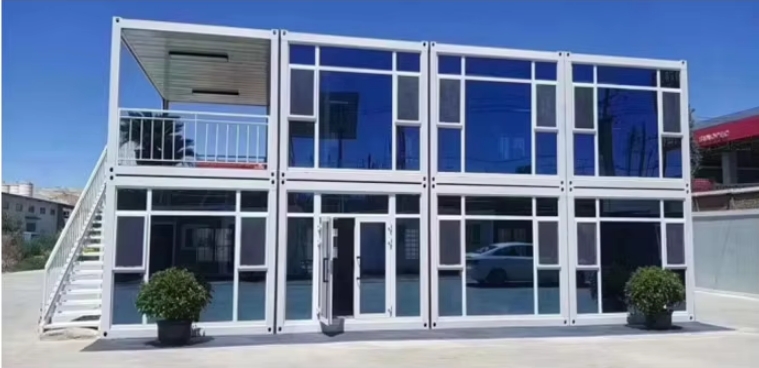
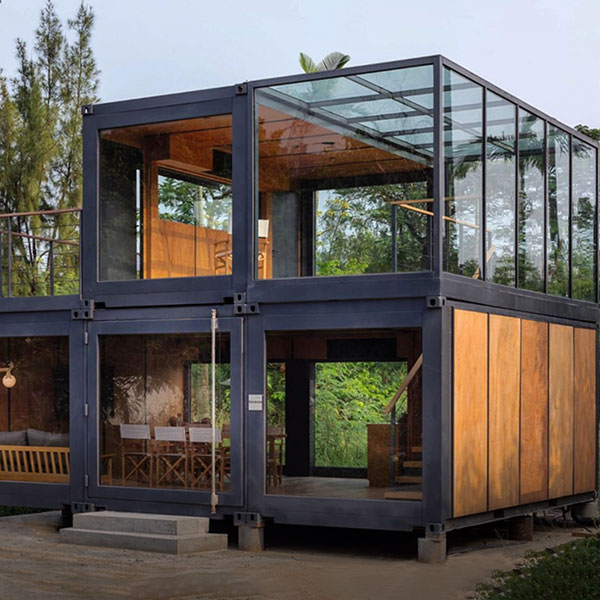
How Much Does a 40ft Container Home Cost in 2026? A Complete Breakdown
If you’ve ever dreamed of owning a sleek, eco-friendly home without breaking the bank, you’ve probably asked yourself: How much does a 40ft container home cost? The answer isn’t as straightforward as you might think. While container homes are often marketed as the ultimate budget-friendly housing solution, the final price tag can vary wildly—from as little as $10,000 for a bare-bones DIY project to over $250,000 for a high-end, fully customized luxury home.
I’ve spent years researching and consulting on container home projects, and one thing’s clear: the cost depends on more than just the container itself. Location, permits, insulation, labor, and even your choice of windows can dramatically shift the budget. In this guide, I’ll break down every expense you need to consider—so you can decide whether a 40ft container home is the right (and affordable) choice for you.
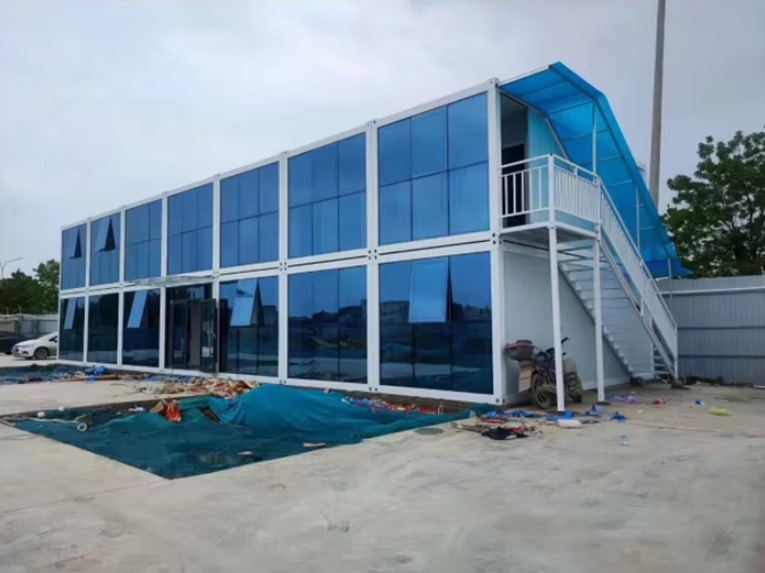
1. The Base Cost: How Much Is a 40ft Shipping Container?
Let’s start with the foundation—literally. The cost of the container itself is just the beginning, but it’s a critical factor. Here’s what you can expect:
New vs. Used Containers
- New 40ft container: $3,500–$6,000. These are pristine, one-trip containers with minimal wear. Ideal if you want a clean slate for your build.
- Used 40ft container: $1,500–$3,500. These have seen more use (and may have dents or rust), but they’re perfectly functional for a home. Pro tip: Always inspect for structural damage before buying.
- High-cube containers (9’6” tall): Add $500–$1,500 to the above prices. The extra height is worth it if you want more vertical space.
Where to Buy
You can source containers from:
- Local suppliers (check for "container depots" near ports)
- Online marketplaces like ContainerAuction.com or eBay
- Specialized container home companies (often bundled with modification services)
Warning: Avoid "as-is" containers sold at rock-bottom prices—they might have hidden issues like chemical contamination or weak floors.
Delivery Costs
Don’t forget to factor in delivery! Transporting a 40ft container typically costs:
- $200–$500 for local delivery (under 100 miles)
- $1,000+ for long-distance hauling (especially if crossing state lines)
I’ve seen too many first-time buyers get sticker shock when they realize delivery isn’t included. Always confirm this upfront.
2. Modification Costs: Turning a Container Into a Home
Here’s where things get interesting—and expensive. A raw container is just a metal box. Turning it into a livable space requires serious modifications. Let’s break it down:

Essential Modifications (Non-Negotiable)
- Cutting openings for doors/windows: $500–$2,000. This isn’t a DIY job unless you’re a skilled welder. Improper cuts weaken the structure.
- Insulation: $1,500–$5,000. Spray foam is the gold standard (R-6 to R-7 per inch), but rigid foam or eco-friendly options like sheep’s wool are also popular.
- Framing and drywall: $3,000–$8,000. This includes interior walls, ceilings, and finishing.
- Electrical wiring: $2,000–$6,000. Hiring a licensed electrician is a must for safety.
- Plumbing: $3,000–$10,000. This varies wildly based on whether you’re connecting to a septic system or city sewer.
Luxury Upgrades (Nice-to-Have)
If you’re aiming for a high-end finish, budget for:
- Custom cabinetry: $5,000–$15,000
- Hardwood or polished concrete floors: $3,000–$8,000
- Solar panels: $10,000–$20,000 (but they’ll save you money long-term)
- Smart home systems: $2,000–$10,000
DIY vs. Hiring Pros
Frankly speaking, DIY can save you 30–50% on labor costs—but it’s not for everyone. If you’re not experienced with construction, electrical work, or plumbing, mistakes can be costly (or dangerous). Here’s a rough comparison:
| Task | DIY Cost | Professional Cost |
|---|---|---|
| Insulation | $500–$1,500 | $2,000–$4,000 |
| Electrical | Not recommended | $2,000–$6,000 |
| Plumbing | Not recommended | $3,000–$10,000 |
In my experience, hybrid approaches work best—DIY the cosmetic stuff, hire pros for structural and safety-critical work.
3. Hidden Costs That Can Blow Your Budget
This is where most first-time container home buyers get caught off guard. The container and modifications are just part of the equation. Here are the sneaky expenses to watch for:
Permits and Zoning Fees
Yes, you need permits—even for a container home. Costs vary by location, but budget for:
- Building permit: $500–$3,000
- Zoning variance (if your area has restrictions): $1,000–$5,000
- Septic/tie-in permits: $300–$2,000
Pro tip: Some rural areas are container-home-friendly, while urban zones may have stricter rules. Always check local regulations before buying land or a container.
Land and Site Preparation
You can’t just plop a container on any plot of land. Site prep can add:
- Land purchase: $5,000–$100,000+ (depends on location)
- Clearing/grading: $1,000–$5,000
- Foundation: $2,000–$10,000 (concrete piers, slab, or skids)
- Utility hookups: $5,000–$20,000 (water, sewer, electric, gas)
Insurance
Many standard homeowners’ policies won’t cover container homes. Expect to pay:
- $1,000–$3,000/year for specialized insurance
- Higher premiums if you’re in a flood or wildfire zone
Unexpected Repairs
Even new containers can have issues. Budget an extra 10–20% of your total build cost for surprises like:
- Rust treatment or replacement panels
- Reinforcing weak spots after cuts
- Mold remediation (if the container wasn’t properly stored)
4. Real-World Cost Examples: From Budget to Luxury
To give you a clearer picture, here are three real-world scenarios based on projects I’ve consulted on:

Option 1: The Budget DIY Build ($15,000–$30,000)
Best for: Hands-on builders who prioritize affordability over aesthetics.
- Container: Used 40ft standard ($2,000)
- Modifications: Basic insulation, simple electrical, composting toilet ($8,000)
- Interior: Plywood walls, vinyl flooring, IKEA fixtures ($5,000)
- Extras: DIY solar setup, rainwater collection ($5,000)
Total: ~$25,000 (excluding land)
Trade-offs: No plumbing (uses outdoor shower), minimal insulation, basic finishes.
Option 2: The Mid-Range Custom Home ($70,000–$120,000)
Best for: Those who want comfort without extravagance.
- Container: New 40ft high-cube ($5,000)
- Modifications: Spray foam insulation, full electrical/plumbing, drywall ($30,000)
- Interior: Custom kitchen, tile bathroom, laminate floors ($20,000)
- Extras: Deck, mini-split HVAC, solar panels ($15,000)
Total: ~$90,000 (excluding land)
Why it’s worth it: This is the sweet spot for most people—durable, comfortable, and still cost-effective.
Option 3: The Luxury Container Home ($150,000–$250,000+)
Best for: Those who want high-end finishes and smart home features.
- Container: Multiple new high-cube containers ($15,000)
- Modifications: Full architectural design, high-end insulation, custom windows ($60,000)
- Interior: Hardwood floors, quartz countertops, designer fixtures ($50,000)
- Extras: Geothermal heating, Tesla Powerwall, smart lighting ($30,000)
Total: ~$200,000 (excluding land)
The reality: At this price, you’re paying for luxury, not savings. But you’re also getting a home that rivals traditional builds in comfort and style.
5. How to Save Money on Your 40ft Container Home
You don’t have to sacrifice quality to stay on budget. Here are my top tips for cutting costs without cutting corners:
Buy Used (But Smartly)
Used containers can save you thousands, but avoid these red flags:
- Containers labeled "as-is" or "wind and water tight" (often have hidden damage)
- Those previously used for hazardous materials (check the CSC plate)
- Containers with excessive rust or dents on the roof (structural weakness)
Simplify the Design
Every cut, weld, and custom angle adds labor costs. Stick to:
- Standard window/door sizes (custom shapes = higher prices)
- Open floor plans (fewer interior walls = less framing)
- Single-story designs (stacking containers adds engineering costs)
Source Materials Locally
Shipping materials can eat into your budget. Save by:
- Buying insulation, drywall, and fixtures from local suppliers
- Checking Habitat for Humanity ReStores for discounted building materials
- Using salvaged or reclaimed wood for flooring/cabinetry
Phase Your Build
You don’t have to do everything at once. Start with the essentials (insulation, electrical, plumbing), then add finishes later. This spreads out costs over time.
DIY What You Can
Even if you’re not a builder, you can tackle:
- Painting (interior/exterior)
- Installing flooring
- Landscaping
- Assembling pre-fab kitchen cabinets
6. Is a 40ft Container Home Right for You?
Let’s be honest: Container homes aren’t for everyone. Before you commit, ask yourself:
Pros of a 40ft Container Home
- Cost-effective: Even mid-range builds are often cheaper than traditional homes.
- Eco-friendly: Repurposing a container reduces waste and has a smaller carbon footprint.
- Durable: Built to withstand ocean voyages, they’re hurricane- and earthquake-resistant.
- Fast to build: No weather delays—most projects take 3–6 months vs. 12+ for traditional homes.
- Portable: You can move your home if needed (though it’s not as simple as it sounds).
Cons to Consider
- Limited space: A 40ft container is only 320 sq ft (8’ wide x 40’ long). Even with clever design, it’s cozy.
- Permit challenges: Some areas still classify container homes as "non-traditional," making approval tough.
- Insulation issues: Metal conducts heat/cold, so poor insulation = high energy bills.
- Resale value: The market is still niche—don’t expect the same ROI as a traditional home.
Who Should (and Shouldn’t) Choose a Container Home?
A 40ft container home is a great fit if you:
- Want a tiny home or guest house
- Are on a tight budget but want to own property
- Love minimalist, industrial-chic design
- Are handy or willing to learn basic construction skills
It’s probably not for you if you:
- Need lots of space (families, large households)
- Aren’t prepared for permit battles
- Want a "forever home" with high resale value
- Hate the idea of living in a metal box (some people just can’t get past it!)
Have you ever wondered what it’d be like to live in a space this compact? For some, it’s liberating—for others, claustrophobic. If you’re on the fence, I recommend renting a tiny home for a weekend to test the lifestyle.
Final Thoughts: Is the Cost Worth It?
So, how much does a 40ft container home cost in the end? As you’ve seen, the answer depends entirely on your vision, location, and willingness to DIY. Here’s the bottom line:
- Budget build: $15,000–$30,000 (basic, functional, DIY-heavy)
- Mid-range: $70,000–$120,000 (comfortable, well-insulated, professional finishes)
- Luxury: $150,000–$250,000+ (high-end, custom, smart home features)
Is it cheaper than a traditional home? Usually, yes—but not always. The real savings come from speed, sustainability, and the ability to customize without massive construction costs. However, if you’re not careful with planning, hidden expenses can quickly erase those savings.
My advice? Start small. Consider a 40ft container as a guest house, office, or rental unit before committing to it as your primary residence. And always, always budget for at least 20% more than your initial estimate—because in construction, surprises are inevitable.
If you’re ready to take the plunge, the next step is to find a reputable supplier, draft a design, and check local zoning laws. And if you’ve already built a container home, I’d love to hear about your experience—what would you do differently?
For more detailed information, please visit our official website:How much does a 40ft container home cost?
About the author: Jordan Carter is a sustainable housing consultant and tiny home enthusiast with over a decade of experience in alternative construction. As the founder of *EcoDwell Solutions*, Jordan has helped hundreds of clients design and build container homes, tiny houses, and off-grid cabins. When he’s not drafting blueprints or advocating for affordable housing, you’ll find him hiking with his rescue dog, Luna, or tinkering with solar panel setups in his own 40ft container home in Colorado. Jordan’s mission? To prove that sustainable living doesn’t have to mean sacrificing comfort—or style.