Revolutionizing Homes: The Art and Science of Prefab House Design
In today's fast-paced world, the way we build and inhabit our homes is undergoing a significant transformation. Gone are the days when "prefab" conjured images of flimsy, uninspired structures. Frankly speaking, modern prefab house design is at the forefront of innovation, offering a compelling blend of speed, sustainability, and aesthetic appeal. It's a revolution in construction, and understanding its nuances can unlock a world of possibilities for your next dwelling. Have you ever wondered if a high-quality, beautifully designed home could be built faster and more efficiently? The answer, increasingly, lies in prefab.
The Evolution of Prefabricated Housing
The concept of prefabrication isn't new. Historically, elements of buildings were often made off-site to streamline assembly. Think of ancient timber framing or even the iconic Sears, Roebuck and Co. mail-order homes of the early 20th century. However, the contemporary iteration of prefab house design has leaped lightyears ahead, driven by advancements in technology, materials science, and a growing demand for sustainable and efficient building practices. Modern modular construction, a key component of prefab, involves building entire sections or modules of a home in a controlled factory environment. This allows for greater precision, reduced waste, and protection from weather delays that plague traditional on-site construction.
Interestly enough, this factory setting allows for rigorous quality control at every stage. From the structural integrity to the finishing touches, each module is built to exacting standards. Once completed, these modules are transported to the building site and assembled, often in a matter of days or weeks. This speed is one of the most attractive aspects of prefab, but it's by no means the only one.
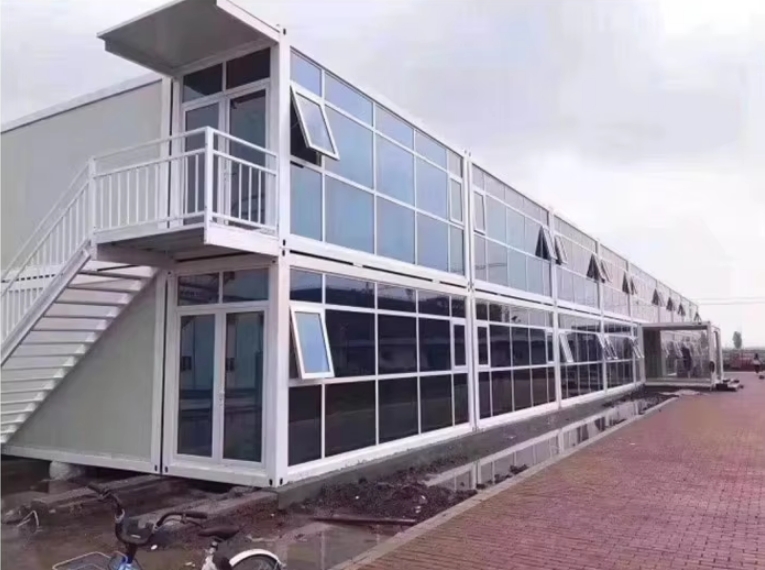
Key Advantages of Modern Prefab House Design
When considering a new home, the benefits of opting for a prefab house design are numerous and impactful. Let's delve into some of the most significant advantages:
Speed and Efficiency
As mentioned, the speed of construction is a major draw. Traditional homes can take many months, sometimes over a year, to complete. Prefabricated homes, with their factory-built modules, can significantly cut down on build times. This means you can move into your new home much sooner, saving on rental costs and the emotional toll of a prolonged building process.
Cost Predictability
While initial costs might seem comparable, prefab house design often offers greater cost predictability. Because much of the work is done in a controlled factory setting, material costs are more stable, and labor is less susceptible to the variables of on-site work. This reduces the likelihood of unexpected cost overruns, a common headache in traditional construction.
Sustainability and Reduced Waste
In my experience, sustainability is a cornerstone of modern prefab. Factory environments allow for precise material ordering, leading to significantly less construction waste compared to on-site building. Furthermore, many prefab manufacturers are committed to using eco-friendly materials and energy-efficient building techniques, contributing to a smaller environmental footprint for your home.
Quality Control and Durability
The controlled factory environment is a game-changer for quality. Unlike on-site construction, which is subject to weather conditions, material storage issues, and varying skill levels of individual tradespeople, prefab modules are built under optimal conditions. This ensures a higher level of precision, fewer defects, and a more durable final product. Many experts agree that the consistency achieved in a factory setting is unparalleled.
Design Flexibility
One of the biggest misconceptions about prefab is a lack of design choice. This is simply not true anymore. Modern prefab house design embraces customization. While there are often pre-designed floor plans and modules, these can be mixed, matched, and adapted to suit individual needs and aesthetic preferences. From minimalist modern to rustic charm, the possibilities are vast.
Exploring Prefab House Design Styles
The aesthetic potential of prefab is truly exciting. Forget cookie-cutter designs; contemporary prefab offers a spectrum of styles to suit diverse tastes and site conditions. Whether you're drawn to the clean lines of modernism or the warmth of traditional architecture, there's a prefab solution for you.
Modern and Contemporary Prefab
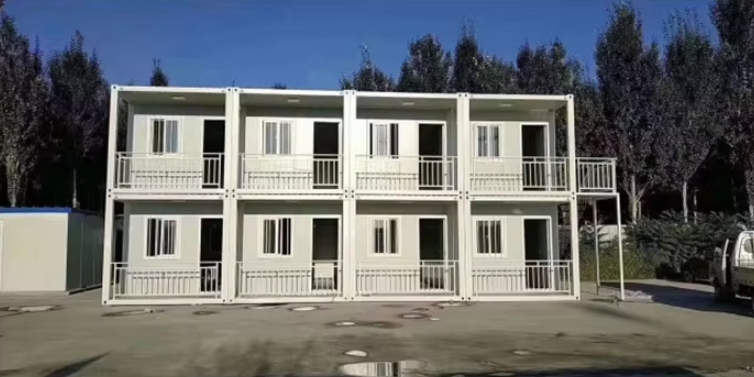
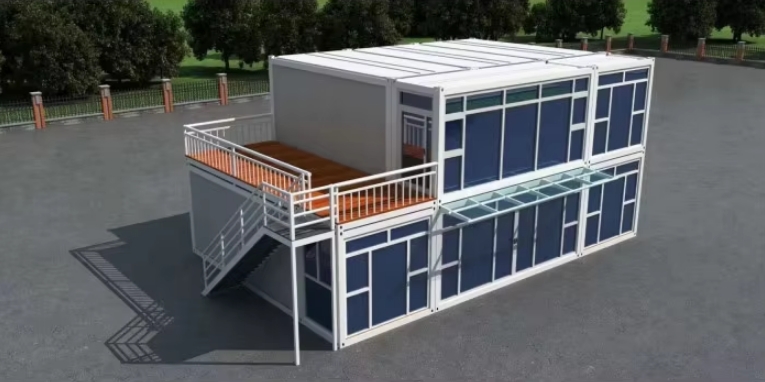
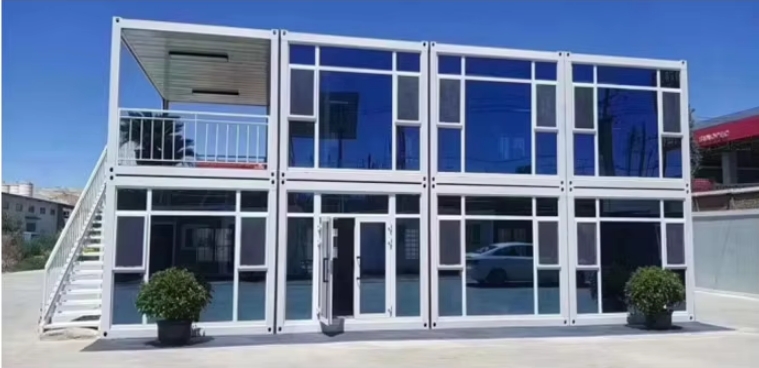
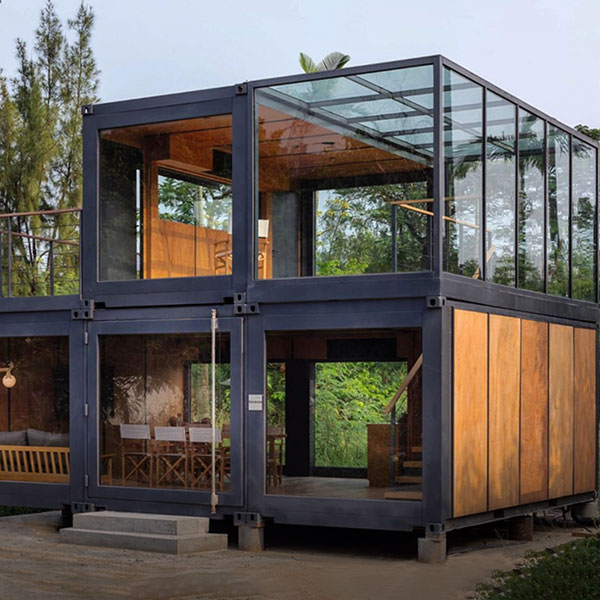
This is perhaps the most popular style, characterized by open floor plans, large windows, flat or low-pitched roofs, and a focus on natural materials and integration with the surrounding landscape. Think sleek finishes, minimalist aesthetics, and a strong connection between indoor and outdoor living spaces. Custom prefab homes in this style often feature innovative use of glass, steel, and sustainable wood elements.
Minimalist and Scandinavian-Inspired Prefab
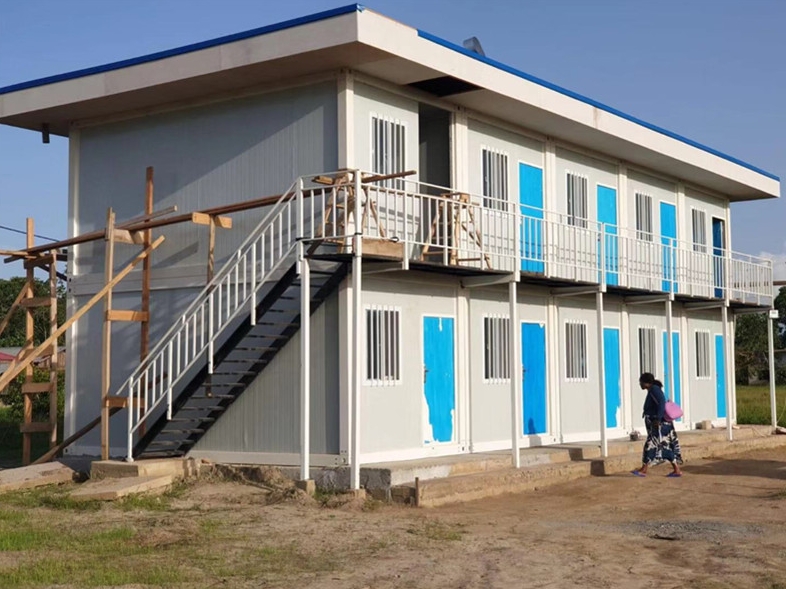
Drawing inspiration from Scandinavian design, these homes emphasize simplicity, functionality, and a connection to nature. They often feature light wood tones, neutral color palettes, and uncluttered spaces. The focus is on creating a serene and functional living environment, often with an emphasis on natural light and efficient use of space.
Traditional and Classic Prefab
For those who prefer a more timeless look, prefab house design also offers traditional styles. These can include elements like pitched roofs, dormer windows, and classic siding materials, all while benefiting from the precision and efficiency of modular construction. It's possible to achieve the charm of a classic home without the traditional construction headaches.
Eco-Friendly and Sustainable Prefab
Many prefab builders are at the forefront of sustainable building. This can translate into designs that incorporate passive solar principles, high-performance insulation, rainwater harvesting systems, and the use of recycled or rapidly renewable materials. The inherent efficiency of prefab construction also contributes to a lower environmental impact.
The Customization Process: Bringing Your Vision to Life
One of the most rewarding aspects of modern prefab house design is the level of customization available. While you might start with a base model or a selection of modules, the process is typically collaborative, allowing you to tailor the home to your specific needs and desires.
Initial Consultation and Design Development
The journey usually begins with a consultation with the prefab manufacturer or their design partners. You'll discuss your budget, lifestyle, site considerations, and aesthetic preferences. Based on this, they will present design options or work with you to modify existing plans. This is where you can truly influence the final look and feel of your home.
Selecting Modules and Finishes
You'll have the opportunity to choose from various pre-designed modules (e.g., living room, kitchen, bedroom, bathroom) and how they connect. Beyond the structural elements, you'll also select interior and exterior finishes, fixtures, appliances, and even landscaping integration. It's worth noting that the factory setting allows for the installation of high-end finishes with remarkable precision.
Site Preparation and Foundation
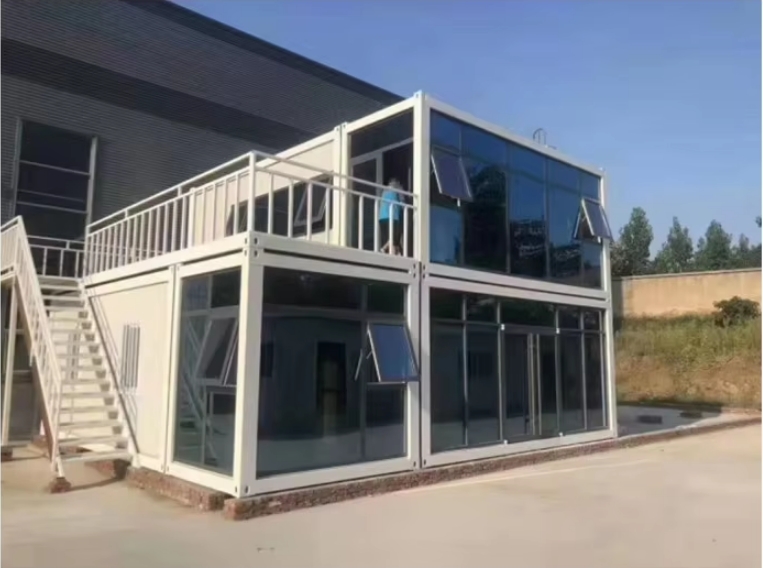
While the modules are being built in the factory, your site will be prepared. This includes excavation, utility connections, and the construction of the foundation. The foundation is critical for any home, and prefab is no exception. Careful planning ensures that the foundation is ready to receive the prefabricated modules seamlessly.
Module Delivery and Assembly
This is the exciting part! The completed modules are transported to your site and carefully lifted into place by cranes. The assembly process is remarkably quick, with modules being joined together, sealed, and connected to utilities. Many experts agree that the precision of this assembly is a testament to the planning and engineering involved.
Finishing Touches and Handover
Once the main structure is assembled, on-site work focuses on final connections, interior finishing (if not fully completed in the factory), exterior detailing, and landscaping. The entire process, from design to handover, is often significantly faster than traditional construction.
The Future of Prefab House Design
Looking ahead, the trajectory of prefab house design is incredibly promising. We're seeing a continuous push towards greater sustainability, integration of smart home technology, and even more sophisticated design possibilities. The ability to build high-performance, energy-efficient homes with minimal waste positions prefab as a key solution to the housing challenges of the future. It's not just about building houses faster; it's about building better, more sustainable, and more beautiful homes for everyone.
Whether you're looking for a compact, eco-friendly dwelling or a spacious, custom-designed family home, the world of prefab house design offers an exciting and viable alternative to traditional construction. It’s a testament to how innovation can reshape even the most fundamental aspects of our lives, like where and how we live.
For more detailed information, please visit our official website:Prefab House design
About the author: Alex Chen is a seasoned architectural journalist with a passion for sustainable building and innovative housing solutions. With years of experience exploring cutting-edge construction methods, Alex brings a deep understanding of modern prefab house design, modular construction, and the future of residential architecture. Their insights aim to demystify complex building processes and inspire homeowners to consider smarter, more efficient ways to build their dream homes.