Shipping Container Homes: The Future of Sustainable and Affordable Housing
In recent years, the concept of living in a home constructed from repurposed shipping containers has moved from a niche idea to a mainstream architectural movement. Frankly speaking, the humble shipping container, once solely associated with global trade and logistics, is now being transformed into stylish, functional, and surprisingly affordable living spaces. This shift isn't just about novelty; it represents a significant step towards more sustainable and accessible housing solutions. Have you ever wondered if a shipping container house could be your next home? Let's dive into what makes these structures so compelling.
Why Choose a Shipping Container House? The Compelling Advantages
The appeal of a shipping container house lies in a multifaceted set of benefits that address many of today's housing challenges. For starters, the sustainability aspect is paramount. These containers are typically retired from their shipping duties, meaning they're being given a second life instead of contributing to landfill waste. This upcycling process significantly reduces the embodied energy required for new construction materials. Furthermore, the modular nature of containers lends itself to faster construction times. Imagine building a home in weeks rather than months! This speed translates into cost savings, which is a major draw for many prospective homeowners.
Cost-effectiveness is another huge advantage. While the final price can vary wildly depending on customization and location, the base cost of a container is considerably lower than traditional building materials. This makes owning a home more attainable for a wider range of people. In my experience, many individuals are surprised by the sheer potential for customization. These aren't just bare metal boxes; they can be transformed into luxurious, modern dwellings with all the amenities of a conventional home.
Durability and Structural Integrity
It's worth noting that shipping containers are built to withstand extreme weather conditions and the rigors of ocean travel. They are incredibly strong and durable, offering a robust foundation for a home. This inherent strength means they can be a great option in areas prone to harsh climates or even seismic activity, provided they are properly engineered and installed. Many experts agree that their structural integrity, when properly modified and reinforced, is a significant benefit.
Designing Your Dream Shipping Container Home
The design possibilities for a shipping container house are virtually limitless. Architects and designers are pushing the boundaries, creating everything from cozy single-container studios to sprawling multi-container residences. The key is understanding how to work with the inherent dimensions of the container while maximizing space and natural light. This often involves clever use of open-plan layouts, strategic window placement, and innovative storage solutions.
Single-Container Dwellings
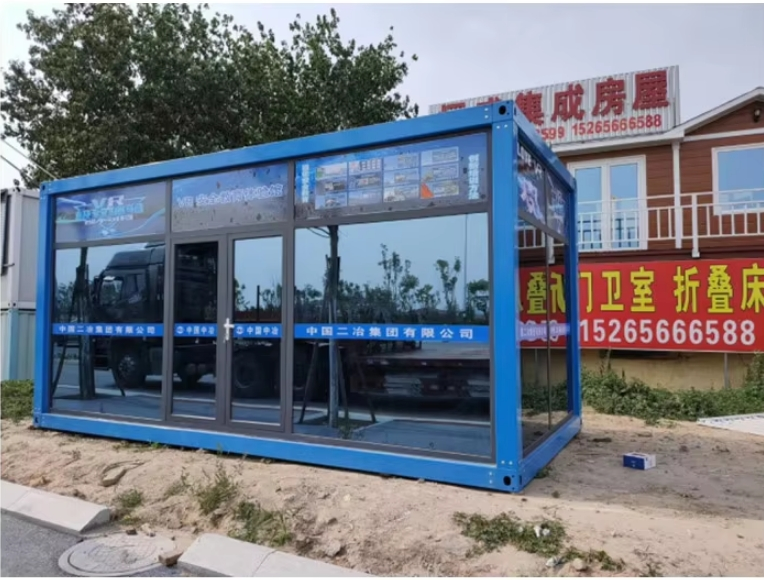
For individuals or couples seeking a minimalist lifestyle, a single shipping container can be transformed into a compact and efficient living space. These often feature a combined living/sleeping area, a small kitchen, and a bathroom. They are perfect for guest houses, studios, or even as a starter home. The focus here is on smart design to make the most of every square foot.
Multi-Container Configurations
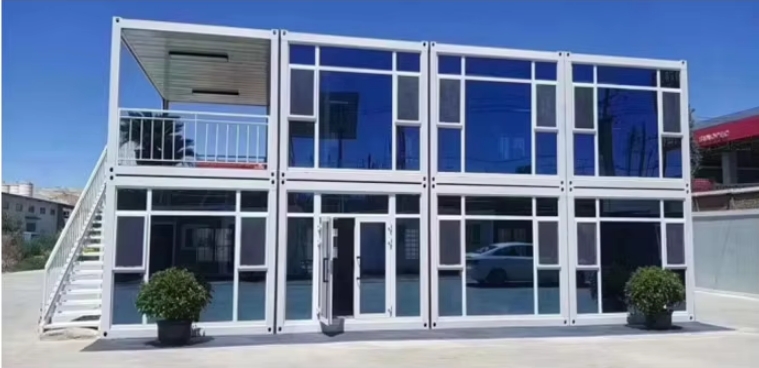
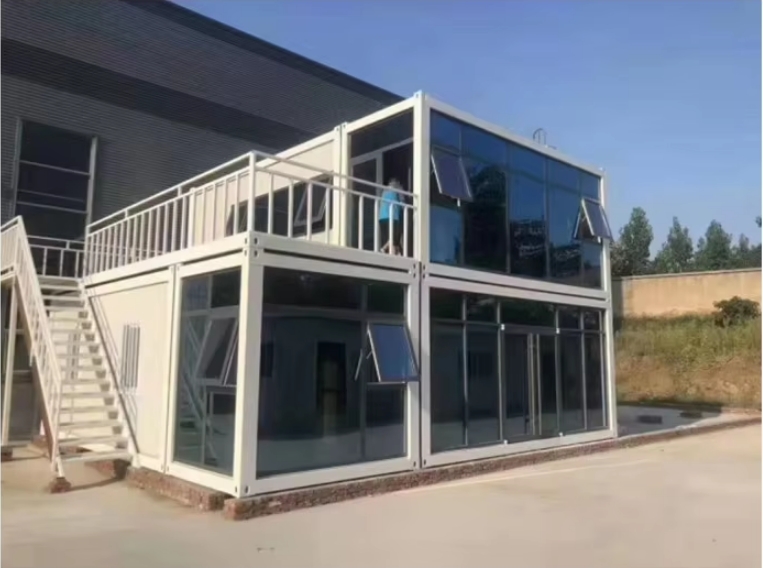
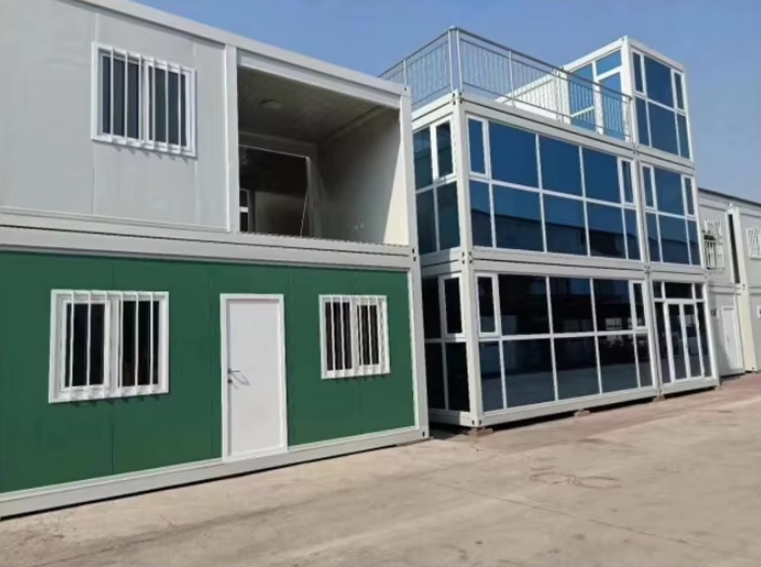
When more space is needed, multiple containers can be joined together, either side-by-side or stacked, to create larger homes. This allows for separate bedrooms, living areas, and even multiple stories. Interestingly enough, the modularity makes expansion relatively straightforward if your needs change in the future. Many innovative container home designs utilize interlocking or offset configurations to create unique architectural forms.
Interior Finishes and Customization
The interior of a shipping container house can be finished to an incredibly high standard. Insulation is crucial, of course, to ensure comfort in all seasons. Beyond that, you can choose from a wide range of materials for flooring, walls, and ceilings – from polished concrete and natural wood to drywall and modern paneling. Kitchens and bathrooms can be fitted with high-end fixtures, and large windows or sliding glass doors can be installed to bring the outdoors in. The goal is to create a space that feels personalized and comfortable, not like a repurposed industrial unit.
The Practicalities: Building and Regulations
Building a shipping container house isn't as simple as just placing a container on land and moving in. There are practical considerations and regulatory hurdles to overcome. Understanding local building codes and zoning laws is paramount. Many municipalities are still catching up with the concept of container homes, so it's essential to work with professionals who are experienced in this area.
Foundation and Site Preparation
A proper foundation is critical for any home, and container homes are no exception. Depending on the soil conditions and local regulations, this could range from concrete piers to a full slab foundation. Site preparation also involves ensuring access for delivery and placement of the containers, as well as utility hookups (water, electricity, sewage).
Modifications and Permits
Cutting openings for doors and windows, reinforcing the structure, and adding insulation all require careful planning and execution. Obtaining the necessary building permits can sometimes be a challenge, as inspectors may need to be educated on the methods and materials used. Working with an architect or engineer who specializes in modular construction or container homes can significantly streamline this process. Many experts recommend engaging with your local building department early in the design phase.
Insulation and Climate Control
To make a shipping container habitable, proper insulation is non-negotiable. Metal can conduct heat and cold very effectively, so a robust insulation system is key to maintaining a comfortable interior temperature and controlling energy costs. Spray foam insulation is a popular choice for its effectiveness in sealing gaps and providing a high R-value. Ventilation is also important to prevent moisture buildup.
Are Shipping Container Homes Right for You? Considerations and Future Outlook
When considering a shipping container house, it's important to weigh the pros and cons honestly. The affordability and sustainability are undeniable. The speed of construction and the unique aesthetic appeal are also significant advantages. However, the challenges related to permits, potential resale value (which is still evolving), and the need for specialized expertise should not be overlooked.
Frankly speaking, the market for shipping container homes is maturing rapidly. As more people embrace this innovative housing solution, the associated challenges are being addressed. We're seeing more standardized building practices, clearer regulations, and a growing number of companies offering specialized container home building services. The future looks bright for these versatile structures, offering a tangible solution for those seeking affordable, eco-friendly, and modern living spaces.
Ultimately, a shipping container house offers a unique opportunity to build a home that is both environmentally conscious and budget-friendly. It's a testament to human ingenuity, transforming discarded industrial materials into desirable living environments. If you're looking for a departure from the conventional and a step towards a more sustainable future, exploring the world of shipping container homes is definitely worth your time.
For more detailed information, please visit our official website:shiping Container House
About the author: Alex Chen is a seasoned architectural designer with a passion for sustainable and innovative housing solutions. With over a decade of experience in modular construction and alternative building methods, Alex has a deep understanding of the potential and practicalities of shipping container homes. His work focuses on creating functional, aesthetically pleasing, and environmentally responsible living spaces.