Your Ultimate Guide to Buying a Container House
The allure of a container house is undeniable. They represent a modern, sustainable, and often more affordable alternative to traditional housing. If you're considering taking the plunge and want to know how to successfully buy a container house, you've come to the right place. This guide will walk you through everything you need to know, from understanding the basics to making an informed decision.
To be honest, the idea of living in a structure made from repurposed shipping containers might sound unconventional, but it's rapidly becoming a mainstream housing solution. Whether you're looking for a minimalist dwelling, a unique vacation home, or even a primary residence, a container house buy could be your perfect fit. Let's dive into what makes these structures so special and how you can navigate the buying process.
Understanding the Appeal: Why Buy a Container House?
So, what’s driving the popularity of container homes? It boils down to a few key advantages that resonate with a growing number of homeowners and investors.
Sustainability and Eco-Friendliness
One of the most significant draws is the environmental aspect. Shipping containers, once their maritime journey is complete, are often left to rust or are disposed of. Repurposing them for housing gives them a new life, diverting waste from landfills. This upcycling process significantly reduces the embodied energy typically associated with new construction materials. It's a tangible way to contribute to a greener planet while building your home.
Cost-Effectiveness
Frankly speaking, cost is a major factor for many. While the final price can vary wildly depending on customization and location, the base cost of a container itself is considerably lower than traditional building materials. This can translate into significant savings, making homeownership more accessible. You can often get more square footage for your money compared to conventional builds, especially if you're looking for an affordable container living solution.
Speed of Construction
Containers are pre-fabricated structures. This means a significant portion of the building process – the structural shell – is already complete. Once delivered to your site, they can be modified, insulated, and finished much faster than a site-built home. This speed can lead to quicker occupancy and reduced labor costs.
Durability and Strength
These containers are built to withstand the harsh conditions of sea travel, including extreme weather, heavy stacking, and saltwater. This inherent strength means they are robust and long-lasting structures, capable of enduring various climates when properly modified and maintained.
Modularity and Versatility
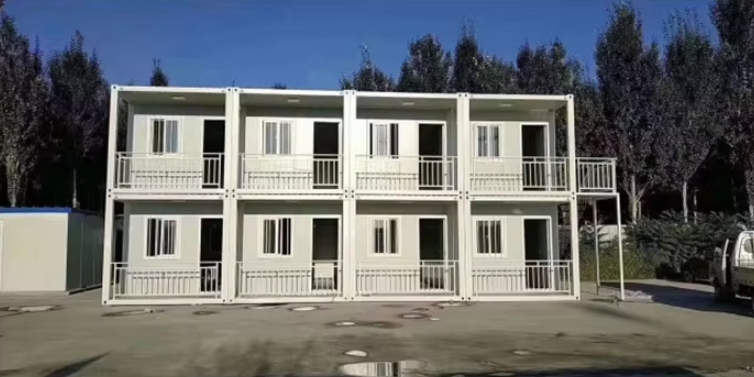
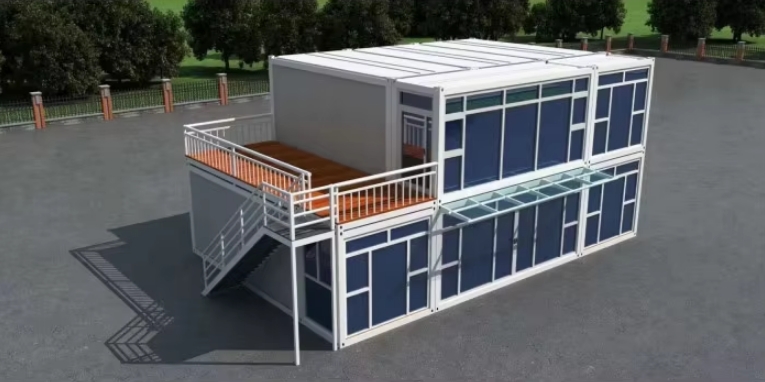
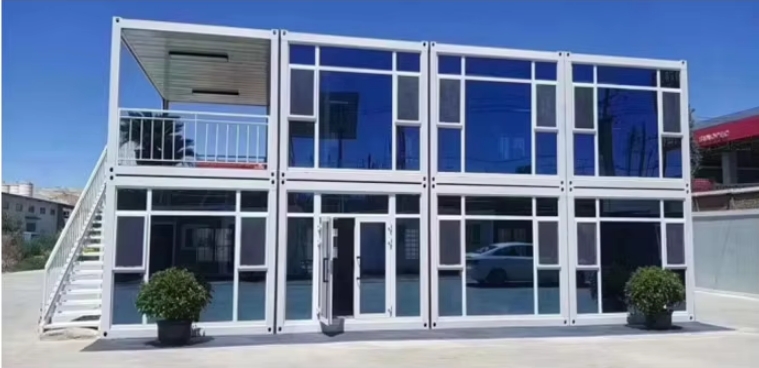
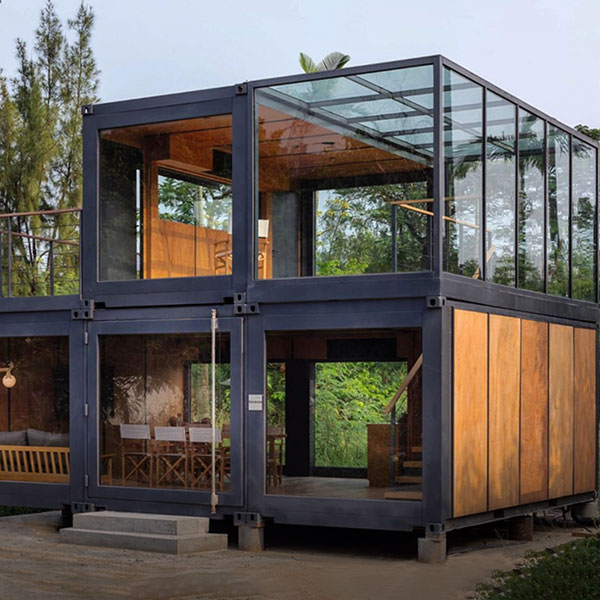
Containers are inherently modular. You can stack them, connect them side-by-side, or arrange them in various configurations to create unique living spaces. This flexibility allows for expansion and customization, making them suitable for a wide range of needs, from a single-unit dwelling to a multi-story complex. This is where the idea of custom container house truly shines.
Navigating the Container House Buy Process: Key Considerations
Deciding to buy a container house is the first step. The next is understanding the practicalities involved. It's not as simple as just ordering a shipping container and calling it a home. There are several crucial aspects to consider.
Choosing the Right Container
Not all shipping containers are created equal. When you’re looking to buy a container house, you'll typically encounter two main types:
- New (One-Trip) Containers: These have only made one trip from the factory to their destination. They are in excellent condition with minimal wear and tear. They are more expensive but offer the best quality.
- Used (Cargo-Worthy) Containers: These have been in service for several years. They are cheaper but may have dents, rust spots, or structural issues that need careful inspection. It’s essential to ensure they are still "cargo-worthy" if you plan to use them for housing, meaning they are watertight and structurally sound.
It's worth noting that containers come in standard sizes, most commonly 20-foot and 40-foot lengths, with standard or high-cube (extra height) options. Your choice will depend on your space requirements and design.
Finding a Reputable Supplier
Your container house buy experience heavily depends on the supplier. Look for companies that specialize in selling containers for modification or housing. Ask for references, check reviews, and ensure they can provide documentation about the container's origin and condition. Some suppliers even offer modified containers, which can save you time and hassle.
Understanding Permits and Regulations
This is a critical hurdle that many overlook. Building codes and zoning regulations for container homes vary significantly by location. Some areas embrace them, while others may have restrictions or require specific modifications to meet local standards. Before you commit to buying, thoroughly research your local municipality's requirements. You might need building permits, engineering approvals, and inspections. Frankly speaking, this step can make or break your project.
Site Preparation and Foundation
Your container house will need a solid foundation. This could range from concrete piers to a full slab, depending on your site, soil conditions, and local building codes. Proper site preparation is essential to ensure stability and longevity. You'll also need to consider access for delivery of the container(s) and any construction vehicles.
Designing Your Container Home: Customization and Practicalities
Once you have your container(s), the real fun of designing your dream space begins. This is where modular container homes truly offer a blank canvas.
Layout and Floor Plan
Think about how you want to live in the space. Do you need multiple bedrooms? An open-plan living area? Consider the flow between rooms and how natural light will enter. Many companies offer pre-designed floor plans for container homes, or you can work with an architect or designer to create a custom layout. Many experts agree that careful planning here prevents costly changes later.
Insulation and Climate Control
Containers are essentially metal boxes. Without proper insulation, they can become extremely hot in the summer and cold in the winter. This is where investing in high-quality insulation is paramount. Options include spray foam, rigid foam boards, or fiberglass batts. Effective insulation is key to comfort and energy efficiency, making your container house a pleasant place to live year-round.
Windows, Doors, and Openings
Cutting openings for windows and doors requires structural reinforcement to maintain the container's integrity. Professional fabricators are skilled at this, ensuring that the structural integrity is not compromised. The placement and type of windows and doors will significantly impact the aesthetics and natural light within your home.
Utilities and Services
Connecting your container home to essential utilities – water, electricity, and sewage – needs careful planning. This might involve connecting to municipal services or installing off-grid solutions like solar power and septic systems. The feasibility and cost of these connections will depend on your chosen location.
The Cost of a Container House Buy: What to Expect
The question on everyone's mind: how much does it cost to buy a container house? The answer, as you might expect, is "it depends." However, we can break down the typical cost components.
Container Purchase Price
As mentioned, a one-trip 20-foot container might cost between $3,000-$5,000, while a 40-foot high-cube could range from $4,000-$7,000 or more. Used containers are cheaper, but factor in potential repair costs.
Modification and Construction Costs
This is where the bulk of the expense lies. It includes:
- Cutting and welding for openings
- Insulation and interior finishing (drywall, flooring, paint)
- Windows and doors
- Plumbing and electrical work
- Kitchen and bathroom fixtures
- Roofing (if adding a pitched roof or other covering)
- HVAC systems
These costs can range from $15,000 to $100,000+ depending on the size, complexity, and quality of finishes. A basic, small container home might be on the lower end, while a multi-container, high-end custom build will be significantly more.
Site Preparation and Foundation
Expect to budget anywhere from $5,000 to $20,000+ for site work, depending on the terrain and foundation type required.
Permits and Professional Fees
Architects, engineers, and permit fees can add several thousand dollars to your project.
Delivery and Installation
Transporting the container(s) to your site and placing them on the foundation can cost $1,000-$5,000 or more, depending on distance and site accessibility.
Interestingly enough, when you factor in all these elements, a well-built container home can still be competitive with, or even cheaper than, a similarly sized traditional home, especially in areas with high construction costs. However, it's crucial to get detailed quotes for each stage to create an accurate budget for your container house buy.
Finding the Right Professionals for Your Project
Embarking on a container house buy is a significant undertaking, and having the right team by your side is essential. It's not a DIY project for most people, especially when it comes to structural modifications and utility hookups.
Container Home Builders/Fabricators
Many companies specialize in converting shipping containers into habitable structures. They have the expertise in cutting, reinforcing, insulating, and finishing containers. Look for those with a strong portfolio and good client testimonials. They can often guide you through the design and construction phases.
Architects and Designers
If you're aiming for a unique or complex design, an architect or designer experienced with container architecture can be invaluable. They can help optimize the layout, ensure structural integrity, and create a home that is both functional and aesthetically pleasing.
General Contractors
For the overall project management, especially if you're combining container elements with traditional construction, a general contractor can oversee all aspects, from site prep to final finishes.
Local Tradespeople
You'll likely need electricians, plumbers, and HVAC technicians. Ensure they are licensed and experienced with residential projects. It's worth noting that some tradespeople may have less experience with container homes specifically, so clear communication is key.
Have you ever wondered about the logistics of moving a large shipping container to a remote location? It's a challenge that requires careful planning and specialized equipment, which is why choosing the right logistics partners is as important as choosing your builder.
In conclusion, the decision to buy a container house is an exciting one, offering a path to unique, sustainable, and potentially more affordable homeownership. By understanding the benefits, carefully considering the practicalities, budgeting realistically, and partnering with the right professionals, you can successfully navigate the process and build a home that truly reflects your vision. Your container house buy journey awaits!
For more detailed information, please visit our official website:Container House buy
About the author: Alex "Eco-Home" Johnson is a passionate advocate for sustainable living and innovative housing solutions. With over a decade of experience in the modular construction industry and a personal fascination with repurposed materials, Alex has helped countless individuals explore and achieve their dream of owning a container home. His expertise lies in demystifying the complexities of container home construction, from sourcing to final build.