Container House: The Future of Sustainable and Affordable Living
Have you ever wondered if there's a more sustainable, affordable, and frankly, more interesting way to build a home? The answer, increasingly, lies in the humble shipping container. What was once a utilitarian box for global trade is now transforming into stylish, functional, and eco-friendly residences. The concept of a container house isn't just a fad; it's a burgeoning movement reshaping how we think about construction and housing.
In my experience, many people are intrigued by the idea but are unsure about the practicalities. Is it truly livable? Is it cost-effective? And what about the environmental impact? Let's dive deep into the world of container homes and uncover why they are becoming such a compelling option for a diverse range of homeowners and builders.
The Rise of the Shipping Container Home
The journey of the shipping container from a mere transport unit to a dwelling is a testament to human ingenuity and a growing desire for alternative living solutions. These steel giants, designed to withstand harsh oceanic conditions, possess inherent structural integrity that makes them an excellent starting point for construction. The global surplus of used shipping containers, a byproduct of international trade imbalances, has also made them an abundant and relatively inexpensive building material.
Interest in container homes surged as the world began to grapple with housing affordability crises and the urgent need for more sustainable building practices. Frankly speaking, traditional construction methods are often resource-intensive and generate significant waste. Container houses offer a compelling alternative, utilizing recycled materials and often requiring less on-site construction time, which can lead to reduced labor costs and environmental disruption.
Why Choose a Container House? The Compelling Advantages
The appeal of a container house is multifaceted. Let's break down some of the most significant benefits:
- Affordability: This is often the primary driver for many. While the final cost can vary wildly based on customization and finishes, the base structure of a container is significantly cheaper than traditional building materials. This makes owning a home more accessible for a wider demographic.
- Sustainability: Repurposing shipping containers diverts them from landfills and reduces the demand for new construction materials. This is a huge win for the environment. Many container home builders also incorporate other eco-friendly features, such as solar panels and rainwater harvesting systems.
- Speed of Construction: Because the structural shell is already built, the construction timeline for a container house can be dramatically shorter than for a conventional home. This means you can move into your new home much faster.
- Durability and Strength: Shipping containers are built to be incredibly strong and resilient, able to withstand extreme weather conditions. This inherent durability translates into a robust and long-lasting home.
- Portability and Modularity: While not all container homes are designed for frequent relocation, the modular nature of containers allows for expansion and reconfiguration. You can add more containers to your home as your needs change, creating a truly adaptable living space.
- Unique Aesthetics: There's an undeniable industrial-chic appeal to container homes. With creative design, they can be transformed into stunning, modern dwellings that stand out from the crowd.
Designing Your Dream Container Home
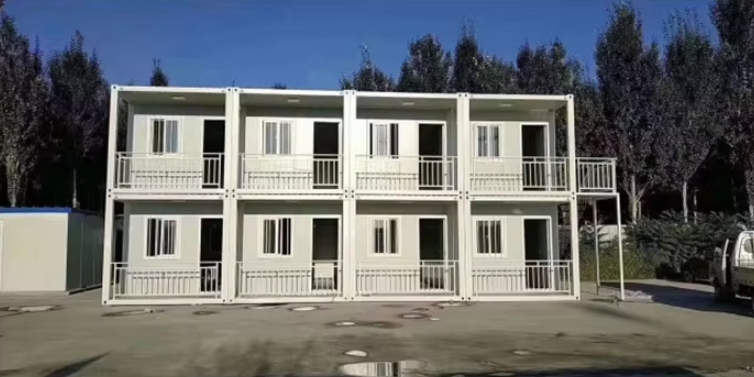
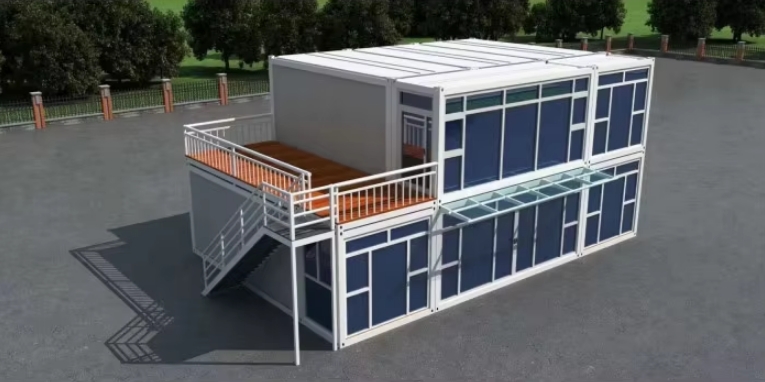
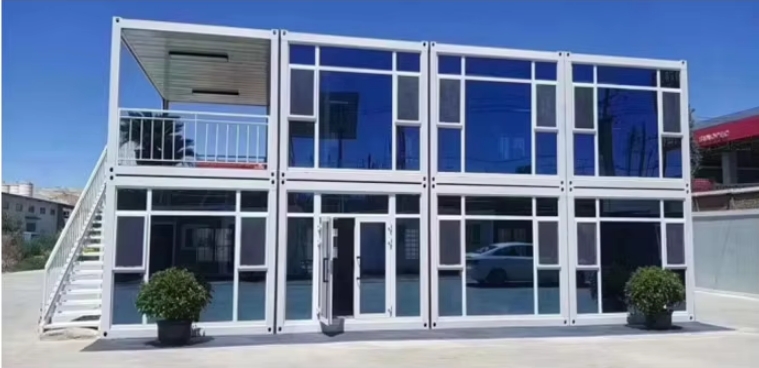
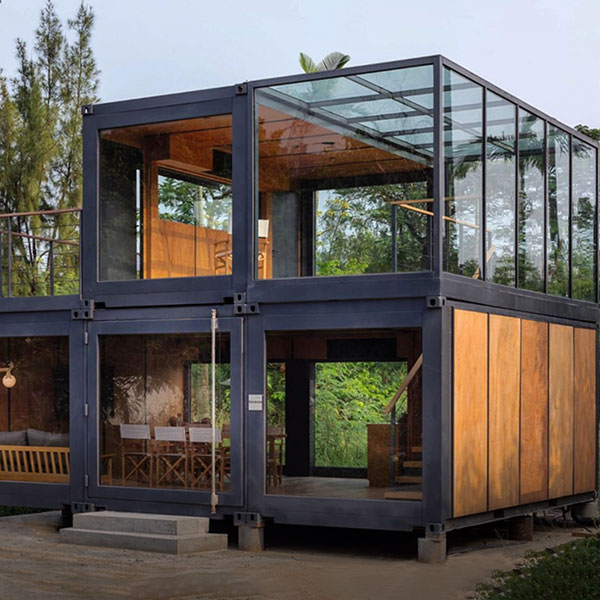
When people first hear "container house," they might picture a stark, boxy structure. However, the reality is far more diverse and inspiring. Designers and architects are pushing the boundaries of what's possible, transforming these utilitarian modules into beautiful, comfortable, and highly personalized living spaces. The key to a successful container home design lies in thoughtful planning and creative execution.
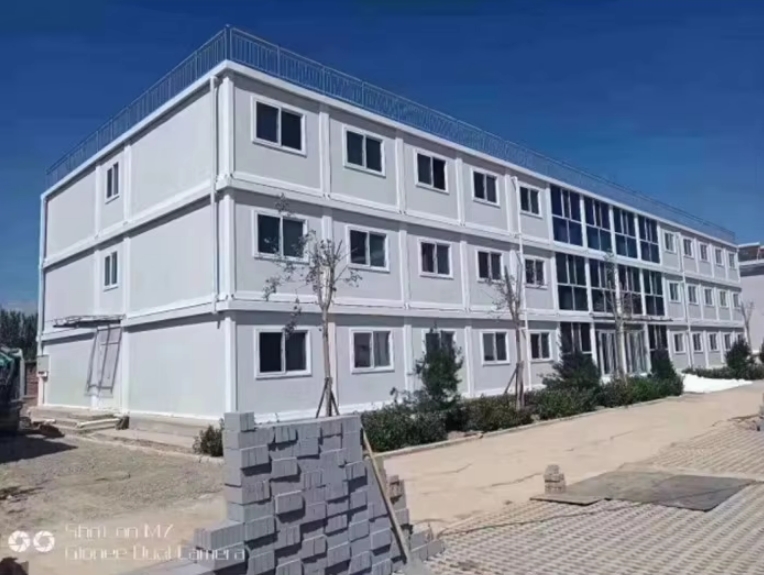
One of the most critical considerations is the layout. A standard shipping container, typically 8 feet wide and 20 or 40 feet long, can feel quite narrow. Clever interior design, including open-plan living areas, strategic placement of walls, and the use of light colors, can make these spaces feel much larger and more inviting. Many designs involve combining multiple containers to create more expansive floor plans, offering separate bedrooms, living areas, and even multiple stories.
Addressing Common Concerns and Challenges
It's worth noting that building a container house isn't without its challenges. To be honest, potential homeowners need to be aware of these to make informed decisions.
- Insulation and Climate Control: Steel is a conductor of heat and cold. Proper insulation is paramount to ensure a comfortable living environment and energy efficiency. This often involves adding interior or exterior insulation layers, which can add to the overall cost and slightly reduce the interior space.
- Permitting and Zoning: Building codes and zoning regulations can be a hurdle. Some municipalities are more familiar and accepting of container homes than others. It's essential to research local regulations early in the planning process.
- Modifications and Structural Integrity: Cutting large openings for windows and doors requires careful structural reinforcement to maintain the container's integrity. This is where professional expertise is crucial.
- Condensation and Ventilation: Proper ventilation is vital to prevent condensation issues, especially in humid climates. This can be achieved through well-designed ventilation systems and moisture-resistant building materials.
Interestingly enough, many of these challenges have well-established solutions. The key is working with experienced professionals who understand the nuances of building with shipping containers. Many companies now specialize in designing and constructing modular container homes, offering turnkey solutions.
The Future is Modular: Exploring Prefabricated Options
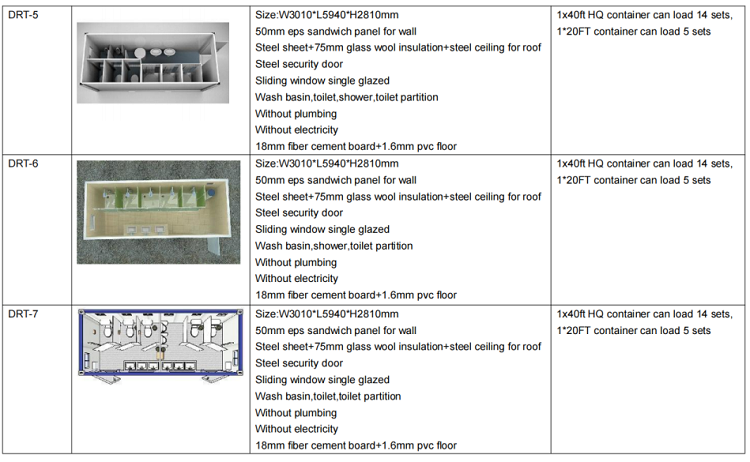
The concept of modular construction, where components of a home are built off-site in a factory and then assembled on-location, is perfectly suited to shipping containers. This approach offers several advantages, including greater quality control, reduced waste, and faster on-site assembly.
Modular container homes are becoming increasingly sophisticated. Factories can pre-fabricate entire rooms or sections of a house, complete with plumbing, electrical, and finishes, before shipping them to the building site. This not only speeds up the construction process but also ensures a higher level of precision and consistency in the build. For those looking for a streamlined and efficient building experience, this prefabricated approach is often ideal.
The versatility of this method means you can create everything from a compact, single-container studio apartment to a sprawling, multi-container family residence. The ability to stack and connect containers in various configurations offers immense design freedom, allowing for unique architectural expressions.
Is a Container House Right for You?
So, after exploring the world of container homes, the big question remains: is this the right path for your next dwelling? If you value sustainability, are looking for a more affordable housing option, appreciate unique design, and are open to a modern construction approach, then a container house is definitely worth serious consideration.
It's not just about building a house; it's about embracing a lifestyle that is often more connected to the environment and more mindful of resources. The journey from a used shipping container to a beautiful, functional home is a testament to innovation and a desire for more accessible and responsible living. As the technology and design possibilities continue to evolve, the container house is poised to play an even more significant role in shaping the future of housing.
For more detailed information, please visit our official website:Container House
About the author: Alex Chen is a passionate advocate for sustainable architecture and innovative housing solutions. With over a decade of experience in the green building sector, Alex has explored various alternative construction methods, with a particular fascination for the transformative potential of shipping container homes. Their insights are drawn from extensive research and hands-on observation of projects worldwide.