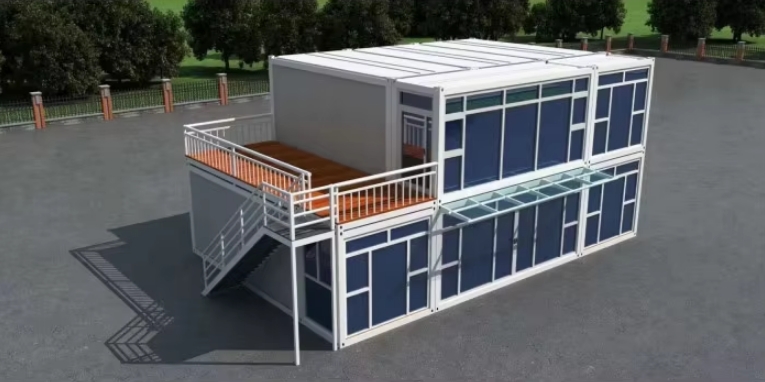
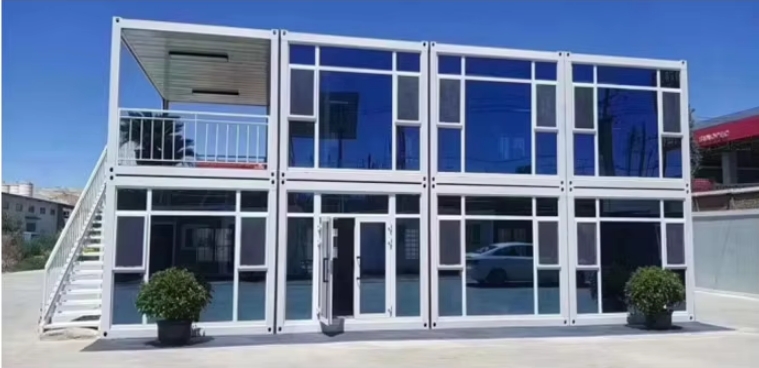
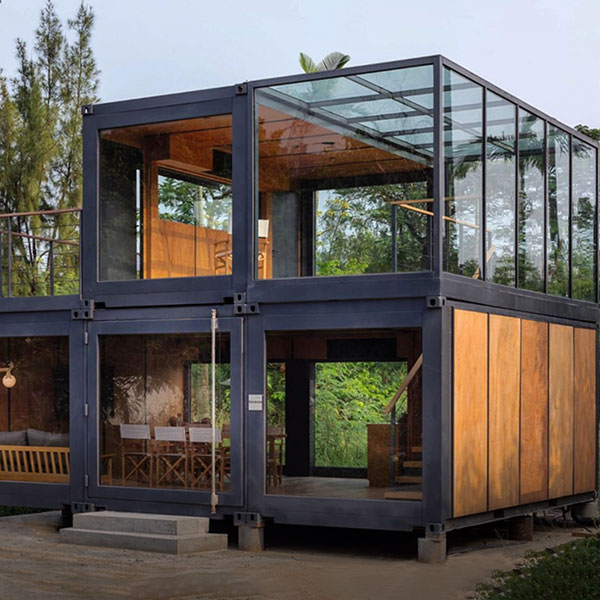
Modular Homes: The Future of Affordable, Sustainable, and Customizable Living
Have you ever wondered if there's a smarter, faster, and more sustainable way to build a home? In today's rapidly evolving world, traditional construction methods can often feel slow, expensive, and, frankly, a bit outdated. This is where modular homes step onto the scene, offering a compelling alternative that's gaining serious traction. These aren't your grandmother's mobile homes; modern modular construction is at the forefront of innovative building, delivering high-quality, energy-efficient, and beautifully designed residences with remarkable speed and efficiency.
To be honest, the term "modular home" still conjures up images for some people that don't reflect the reality of today's sophisticated building technology. But the truth is, these homes are built off-site in climate-controlled factory environments, allowing for greater precision, less waste, and protection from weather delays. Once completed, the modules are transported to your site and assembled by skilled professionals, often resulting in a finished home in a fraction of the time it takes for traditional stick-built construction. It's a process that's not just about speed; it's about quality, sustainability, and delivering exceptional value.
The Advantages of Building with Modular Homes
When considering a new home, the benefits of choosing a modular approach are numerous and significant. It's worth noting that many of these advantages directly address common pain points associated with conventional building. Let's dive into what makes modular homes such an attractive option for so many homeowners and developers today.
Speed and Efficiency: Getting You Home Sooner
One of the most celebrated benefits of modular homes is the sheer speed of construction. Because the modules are built simultaneously in a factory while site preparation (like foundation work) is underway, the overall timeline is dramatically reduced. This means you can often move into your new home months earlier than with a traditional build. This efficiency is a game-changer, especially for those on a tight schedule or looking to avoid lengthy rental periods.
Cost-Effectiveness: Smarter Spending, Better Home
Frankly speaking, affordability is a major driver for many people exploring modular construction. The factory setting allows for bulk purchasing of materials, optimized labor, and reduced waste, all of which translate into significant cost savings. Furthermore, the controlled environment minimizes costly weather-related delays and reduces the risk of material damage or theft on-site. While the initial sticker price might seem comparable to traditional homes, the overall value, considering the reduced build time and potential for energy savings, is often superior. Many experts agree that affordable housing solutions are increasingly being met by the modular sector.
Quality and Durability: Built to Last
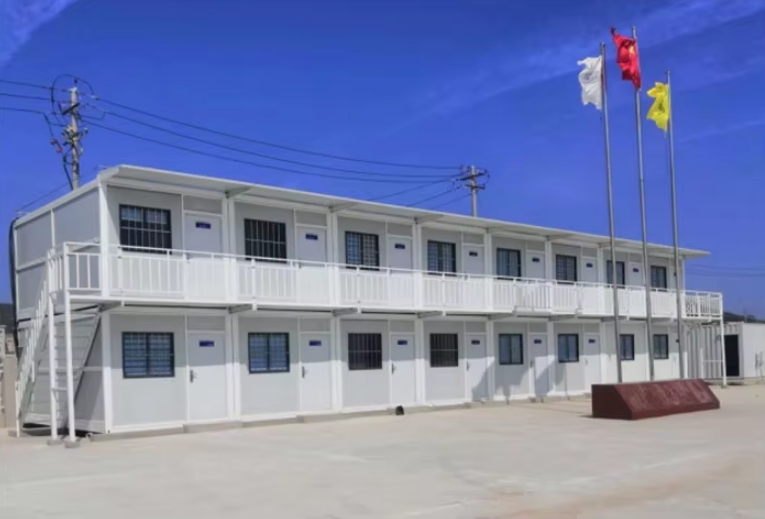
Contrary to outdated perceptions, modular homes are built to meet or exceed all local building codes and standards, just like site-built homes. In fact, the controlled factory environment can often lead to a higher quality product. Workers are shielded from the elements, ensuring materials aren't exposed to moisture, and stringent quality control checks are implemented at every stage of production. The modules are also engineered for transportation, meaning they are built to be incredibly strong and durable, capable of withstanding the journey to your property and the stresses of assembly.
Sustainability: Building a Greener Future
Environmental consciousness is no longer a niche concern; it's a core value for many. Modular construction is inherently more sustainable. The factory setting allows for precise material usage, significantly reducing construction waste. Materials are often recycled or repurposed within the factory. Furthermore, the energy efficiency of modular homes is a major selling point. Many manufacturers incorporate advanced insulation, energy-efficient windows, and HVAC systems, leading to lower utility bills and a smaller carbon footprint over the life of the home. This focus on eco-friendly building practices is a key reason why many are turning to prefab homes.
Designing Your Dream Modular Home
One of the most exciting aspects of modern modular homes is the level of customization available. Gone are the days of cookie-cutter designs. Today, you can work with designers and manufacturers to create a home that perfectly reflects your style, needs, and budget. Whether you're dreaming of a cozy cottage, a sprawling modern ranch, or a multi-story family residence, the possibilities are vast.
Customization Options: Your Vision, Brought to Life
From floor plans and room layouts to exterior finishes and interior fixtures, the customization options for modular homes are extensive. You can choose from a wide array of:
- Architectural styles
- Exterior cladding materials
- Roofing options
- Window and door selections
- Interior finishes, including flooring, cabinetry, countertops, and paint colors
- Appliance packages and fixture upgrades
Many companies offer a range of pre-designed floor plans that can be further modified to suit your specific requirements. This blend of pre-engineering and personalization allows for a truly unique home without the exorbitant costs often associated with fully custom traditional builds. It's about leveraging efficient building processes while still ensuring your home is distinctly yours. This flexibility is a significant draw for those seeking custom modular homes.
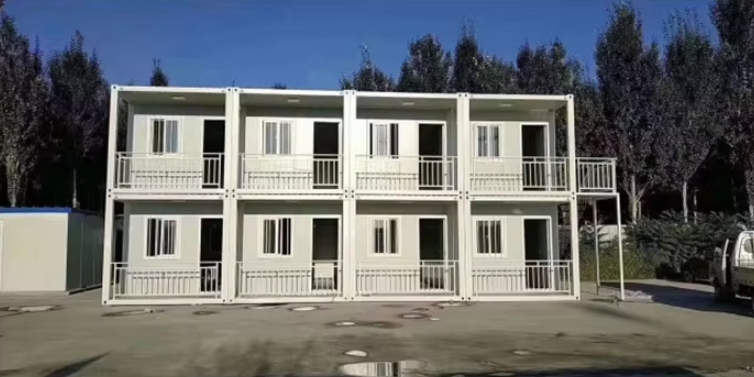
Exploring Different Styles and Floor Plans
The versatility of modular construction means you're not limited to a single aesthetic. You can find modular homes designed in virtually any style:
- Contemporary/Modern: Featuring clean lines, large windows, open-concept living spaces, and minimalist design elements.
- Traditional: Mimicking the look and feel of classic homes with pitched roofs, dormers, and familiar architectural details.
- Farmhouse: Embracing rustic charm with elements like wraparound porches, board-and-batten siding, and cozy interiors.
- Craftsman: Showcasing intricate woodwork, exposed rafter tails, and a strong connection to natural materials.
Floor plans can range from efficient single-bedroom units to expansive multi-bedroom homes with dedicated spaces for home offices, entertainment rooms, and guest suites. The ability to stack and connect modules also allows for unique configurations that might be challenging or more expensive to achieve with traditional methods.
The Modular Home Building Process: What to Expect
Understanding the process can demystify modular construction and alleviate any concerns you might have. While it differs from traditional building, it's a well-defined and efficient system designed to deliver a quality home.
Step 1: Design and Planning
This is where your dream begins to take shape. You'll work with a modular home retailer or directly with a manufacturer to select or design your floor plan, choose your finishes, and finalize all specifications. This stage also involves securing financing and obtaining necessary permits, which can vary by location. It's crucial to have a clear understanding of your site's requirements, such as zoning regulations and utility access.
Step 2: Factory Construction
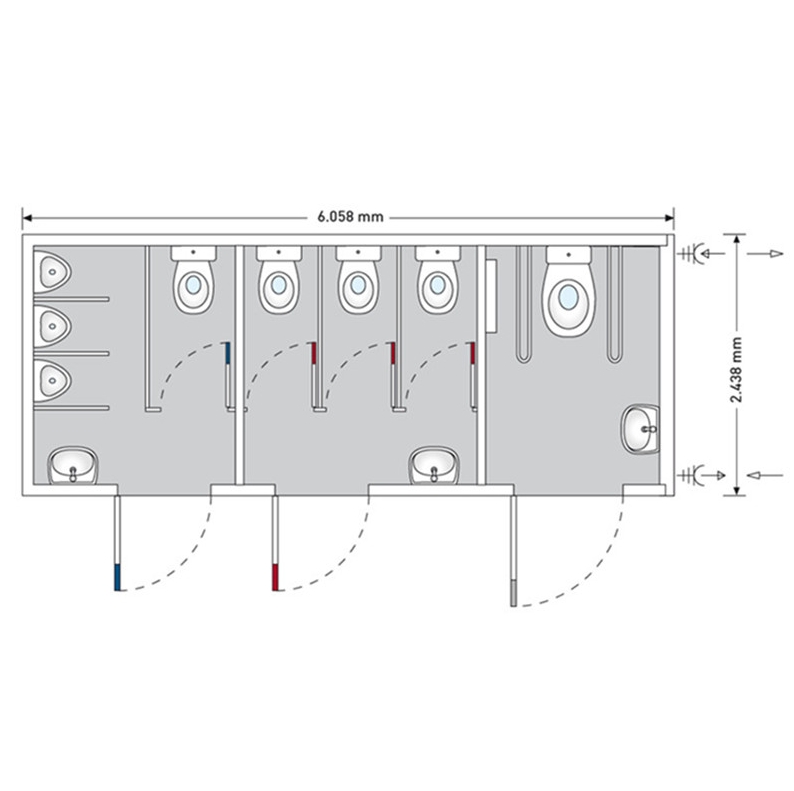
Once the design is finalized and contracts are signed, your home's modules will begin construction in a controlled factory environment. This is where skilled tradespeople work year-round, unaffected by weather, to build your home's components with precision and efficiency. Quality control is paramount at this stage, with inspections happening throughout the process.
Step 3: Site Preparation
While your home is being built in the factory, your chosen site will be prepared. This typically includes excavating for the foundation, installing utilities (water, sewer, electricity), and any necessary grading. The timing of site preparation is coordinated with the factory production schedule.
Step 4: Transportation and Assembly
Once the modules are complete, they are transported from the factory to your building site. This is a critical logistical step that requires careful planning. Upon arrival, the modules are carefully lifted by cranes and assembled onto the prepared foundation. Skilled crews then connect the modules, complete the roofing, and finish any exterior connections.
Step 5: Finishing Touches and Inspection
The final stage involves connecting utilities, completing interior and exterior finishing work (like drywall, painting, flooring, and siding), and ensuring all systems are operational. Your home will then undergo final inspections by local building authorities to ensure it meets all codes and standards before you receive the keys to your brand-new modular home.
Addressing Common Concerns and Misconceptions
It's natural to have questions and perhaps some lingering doubts about modular homes, especially if you're more familiar with traditional construction. Let's address some of the most common concerns head-on.
Are modular homes as durable as site-built homes?
Yes, absolutely. As mentioned earlier, modular homes are built to stringent building codes and are engineered to withstand transportation. In many cases, the quality control in a factory setting can lead to a more precisely built and durable structure. The modules are designed to be strong enough to be transported and lifted by cranes, which speaks volumes about their structural integrity.
Can I get financing for a modular home?
To be honest, this used to be a bigger hurdle, but it's much less of an issue today. Most major lenders now offer financing options for modular homes, treating them similarly to traditional site-built homes. It's always a good idea to speak with lenders early in the process to understand their specific requirements.
Do modular homes hold their value?
Interestingly enough, modular homes generally appreciate in value just like traditional homes, provided they are built on permanent foundations and are of good quality. Factors like location, design, and market conditions play a significant role in home appreciation, regardless of the construction method.
Are modular homes customizable enough?
The customization options available today are extensive. While you might not have the same level of minute detail customization as a bespoke, high-end traditional build, you can achieve a highly personalized home that meets your aesthetic and functional needs. The key is working with a reputable modular home provider who offers a good range of design choices.
In conclusion, modular homes represent a significant advancement in residential construction, offering a compelling blend of speed, affordability, quality, and sustainability. Whether you're a first-time homebuyer looking for an accessible entry into the market, a growing family needing more space, or an individual seeking an eco-friendly and efficient living solution, modular construction is an option that deserves serious consideration. The future of housing is efficient, innovative, and built with precision – and modular homes are leading the way.
For more detailed information, please visit our official website:Modular Homes
About the author: Sarah Jenkins is a seasoned home design consultant with over a decade of experience in the residential construction industry. Her expertise lies in understanding emerging building trends and helping clients navigate the complexities of homeownership. Sarah is passionate about sustainable living and believes modular homes offer a practical and beautiful solution for modern families.