Unlocking the Potential: Your Ultimate Guide to Container House Sales in 2024
Have you ever driven past a sleek, modern home made from repurposed shipping containers and wondered, "Could that be my next house?" If so, you're not alone. The container house sale market is booming, and for good reason. These innovative dwellings offer a unique blend of affordability, sustainability, and style—all while challenging traditional notions of what a home should look like. But before you dive in, let’s explore what makes container homes so appealing and how to navigate the sales process like a pro.
Why Container Houses Are Redefining Affordable Living
To be honest, the idea of living in a metal box might sound unconventional at first. Yet, container houses have evolved far beyond their industrial origins. Today, they’re celebrated for their versatility, durability, and eco-friendly credentials. Here’s why they’re gaining traction in the housing market:
- Cost-Effectiveness: On average, a container house sale can save you 20-30% compared to traditional home construction. The materials are often recycled, and the modular nature reduces labor costs.
- Speed of Construction: While a conventional home can take months (or even years) to build, container homes can be assembled in a matter of weeks. This is a game-changer for those needing quick housing solutions.
- Sustainability: By repurposing shipping containers, you’re giving new life to materials that would otherwise end up in landfills. Plus, many designs incorporate solar panels, rainwater harvesting, and other green technologies.
- Customization: Contrary to popular belief, container homes aren’t one-size-fits-all. From cozy tiny homes to sprawling multi-container mansions, the design possibilities are nearly endless.
Interestingly enough, the container house sale market isn’t just for budget-conscious buyers. High-end architects and designers are increasingly embracing these structures, creating luxury homes that rival traditional builds in both aesthetics and functionality. So, whether you’re looking for a minimalist retreat or a full-time family home, there’s likely a container house that fits your vision.
Navigating the Container House Sale Process: What to Expect
If you’re ready to explore a container house sale, it’s essential to understand the process from start to finish. Unlike buying a traditional home, purchasing a container house involves unique considerations—from zoning laws to customization options. Here’s a step-by-step breakdown to help you navigate the journey.
Step 1: Research and Budgeting
Before you even browse listings, take time to define your needs and budget. Container homes vary widely in price, depending on size, materials, and customization. Here’s a rough estimate to guide your expectations:
- Basic Models: $15,000–$35,000 (single-container, minimal finishes)
- Mid-Range: $50,000–$100,000 (multi-container, moderate customization)
- Luxury Builds: $150,000+ (high-end finishes, smart home features, multiple containers)
It’s worth noting that these prices often exclude land, foundation work, and utility hookups. Frankly speaking, many first-time buyers underestimate these additional costs, so factor them into your budget early on.
Step 2: Finding the Right Seller
Not all container house sales are created equal. Some sellers offer pre-built models, while others specialize in custom designs. Here’s how to find a reputable provider:
- Online Marketplaces: Websites like Amazon, eBay, and specialized modular home platforms often list container houses for sale. However, be cautious of deals that seem too good to be true.
- Local Builders: Many construction companies now offer container home services. Working with a local builder can simplify the process, especially when it comes to permits and inspections.
- DIY Kits: For the hands-on buyer, DIY container house kits are an option. These typically include the container(s) and basic materials, but you’ll need to handle assembly and finishing yourself.
In my experience, the best container house sales come from sellers who offer transparency about pricing, timelines, and potential challenges. Don’t hesitate to ask for references or examples of past projects.
Step 3: Understanding Zoning and Permits
One of the biggest hurdles in the container house sale process is navigating local zoning laws. Many areas have strict regulations about alternative housing, and some may not permit container homes at all. Here’s what you need to know:
- Check Local Codes: Before purchasing, verify that your desired location allows container homes. Some cities have embraced them, while others remain skeptical.
- Permits: Even if container homes are allowed, you’ll likely need permits for construction, electrical, and plumbing work. Your seller or builder should be able to guide you through this process.
- HOA Restrictions: If you’re buying in a neighborhood with a homeowners association, review their rules carefully. Some HOAs prohibit non-traditional housing.
Many experts agree that working with a local real estate attorney can save you headaches down the road. They can help you interpret zoning laws and ensure your container house sale complies with all regulations.
Designing Your Dream Container Home: Tips and Trends
One of the most exciting aspects of a container house sale is the opportunity to create a space that’s uniquely yours. Whether you’re drawn to minimalist aesthetics or bold, industrial designs, container homes offer endless possibilities. Here are some trends and tips to inspire your project.
Maximizing Space in Small Footprints
Container homes are inherently compact, which means every square inch counts. Here’s how to make the most of your space:
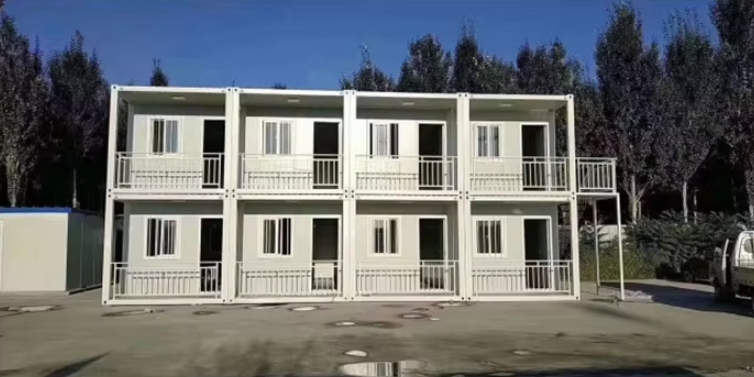
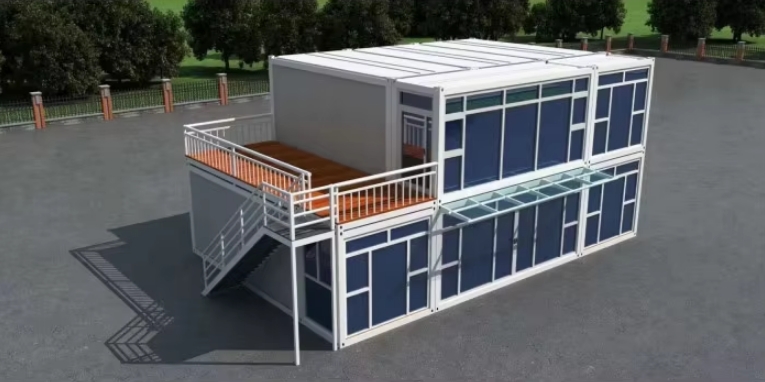
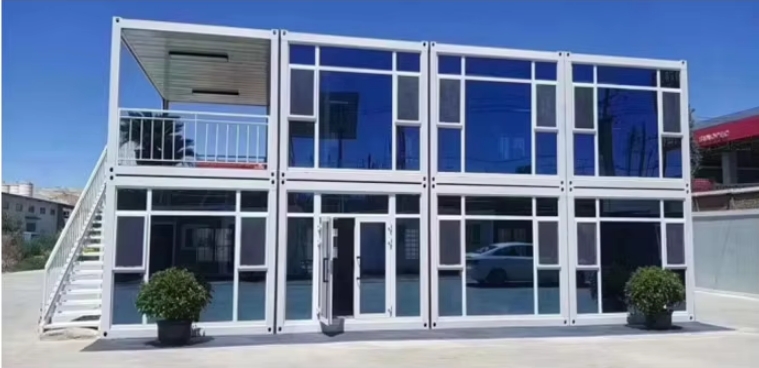
- Multi-Level Designs: Stacking containers vertically can double your living area without increasing the footprint. This is especially useful for urban lots where space is limited.
- Open Floor Plans: Removing interior walls can create a sense of spaciousness. Consider using sliding doors or room dividers to maintain flexibility.
- Built-In Storage: Custom cabinetry, under-stair storage, and wall-mounted shelves can help keep clutter at bay.
Interestingly enough, many container homeowners find that the limited space encourages a more intentional lifestyle. Without room for excess, you’re forced to prioritize what truly matters—whether that’s a cozy reading nook or a state-of-the-art kitchen.

Incorporating Sustainable Features
Sustainability is a major selling point for container houses, and many buyers are eager to incorporate eco-friendly features. Here are some popular options:
- Solar Panels: Harnessing solar energy can significantly reduce your utility bills and carbon footprint.
- Rainwater Harvesting: Collecting rainwater for irrigation or even indoor use is a practical way to conserve resources.
- Green Roofs: Adding vegetation to your roof can improve insulation, reduce stormwater runoff, and create a habitat for local wildlife.
- Energy-Efficient Windows: Double or triple-pane windows can minimize heat loss and improve indoor comfort.
I’ve found that many container homeowners take pride in their sustainable choices. It’s not just about saving money—it’s about living in harmony with the environment.
Balancing Aesthetics and Functionality
While functionality is key, aesthetics play a huge role in making your container house feel like home. Here are some design ideas to consider:
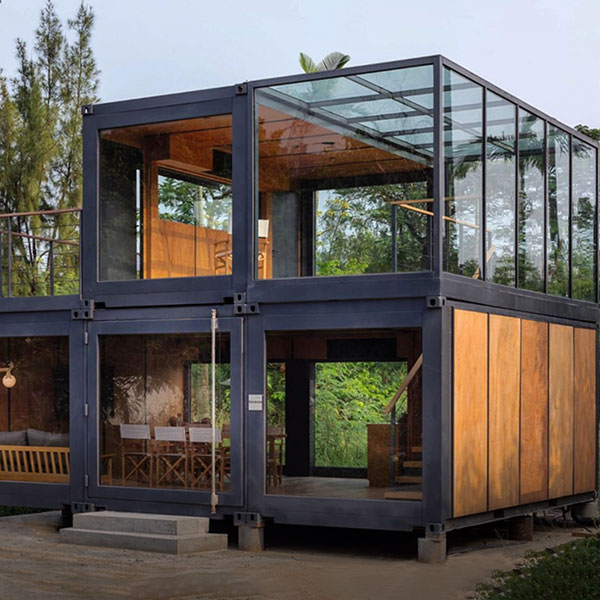
- Exterior Finishes: From rustic wood cladding to sleek metal panels, the exterior of your container home sets the tone for your property. Some homeowners even paint their containers in bold colors for a unique look.
- Indoor-Outdoor Living: Large sliding doors or fold-out decks can blur the line between indoor and outdoor spaces, creating a seamless flow.
- Natural Light: Skylights, large windows, and glass doors can flood your home with natural light, making it feel more spacious and inviting.
Have you ever wondered how a simple design choice can transform a space? For example, adding a large window above your bed can create the illusion of sleeping under the stars—without sacrificing comfort.
Common Misconceptions About Container House Sales
Despite their growing popularity, container homes are still shrouded in myths. Let’s debunk some of the most common misconceptions to help you make an informed decision.
"Container Homes Are Uncomfortable or Cramped"
This couldn’t be further from the truth. While it’s true that shipping containers are narrow (typically 8 feet wide), creative design can make them feel surprisingly spacious. Many container homes feature high ceilings, open floor plans, and large windows to create an airy, comfortable atmosphere. In fact, some multi-container designs rival traditional homes in both size and luxury.
"They’re Only Suitable for Temporary Housing"
Container homes are built to last. Shipping containers are designed to withstand harsh conditions at sea, so they’re incredibly durable. With proper insulation, foundation work, and maintenance, a container home can serve as a permanent residence for decades. Many homeowners report that their container houses are just as sturdy—if not sturdier—than conventional homes.
"Container Houses Are Hard to Finance"
Financing a container house sale can be tricky, but it’s not impossible. Traditional mortgages may not be an option, but there are alternatives:
- Personal Loans: Some buyers use personal loans to finance their container home, especially if they’re purchasing a pre-built model.
- Construction Loans: If you’re building a custom container home, a construction loan can cover the costs. These loans typically convert to a traditional mortgage once the home is complete.
- Manufacturer Financing: Some container home sellers offer in-house financing options, making it easier to secure funding.
It’s worth noting that financing options are improving as container homes gain mainstream acceptance. Always shop around to find the best terms for your situation.
Making the Most of Your Container House Sale: Final Tips
You’re almost ready to take the plunge into the world of container house sales! Before you sign on the dotted line, here are a few final tips to ensure a smooth and successful purchase.
Visit a Model Home or Showcase
If possible, tour a container home in person before making a decision. Many sellers and builders offer model homes or open houses where you can experience the space firsthand. This can help you visualize your own design and identify any potential challenges.
Work with Experienced Professionals
From architects to contractors, it’s crucial to work with professionals who have experience in container home construction. They can help you avoid common pitfalls and ensure your home meets all safety and building codes. Don’t be afraid to ask for portfolios or references before hiring anyone.
Plan for the Future
Think about how your needs might change over time. Can your container home accommodate a growing family? Is it easy to expand if needed? Many container homes are designed with modularity in mind, allowing you to add more containers as your needs evolve.
Finally, remember that a container house sale is more than just a transaction—it’s an opportunity to redefine what home means to you. Whether you’re drawn to the affordability, sustainability, or sheer creativity of container living, this is your chance to create a space that’s truly one-of-a-kind.
For more detailed information, please visit our official website:Container House sale
About the author: James Carter is a sustainable housing advocate and modular design expert with over a decade of experience in the container home industry. As the founder of EcoMod Living, he has helped hundreds of families transition to affordable, eco-friendly housing solutions. James is passionate about challenging traditional housing norms and empowering homeowners to build spaces that reflect their values. When he’s not designing container homes, you can find him hiking, experimenting with off-grid technologies, or writing about the future of sustainable living.