Innovative Container House Design: Transforming Shipping Containers into Dream Homes
Have you ever looked at a rusty shipping container and imagined it as a cozy, modern home? If not, you’re missing out on one of the most exciting trends in contemporary architecture. Container house design isn’t just about repurposing industrial materials—it’s a movement toward sustainability, affordability, and bold creativity. Whether you're a minimalist, an eco-warrior, or someone who loves unique living spaces, container homes offer a world of possibilities. But where do you even begin?
To be honest, the idea of living in a metal box might sound unconventional at first. Yet, with the right container house design, these structures can rival traditional homes in comfort, aesthetics, and functionality. From sleek urban lofts to off-grid retreats, the versatility of shipping containers is nothing short of remarkable. In this guide, we’ll dive deep into the world of container house design, exploring its benefits, challenges, and the latest trends shaping this innovative housing solution.
Why Container House Design Is Gaining Popularity
It’s worth noting that container homes aren’t just a passing fad—they’re a response to some of the most pressing challenges of modern living. Here’s why more people are embracing this trend:
- Sustainability: Repurposing shipping containers reduces waste and minimizes the need for traditional building materials like brick and concrete. With millions of unused containers sitting in ports worldwide, giving them a second life is an eco-friendly choice.
- Affordability: Frankly speaking, building a traditional home can be prohibitively expensive. Container homes, on the other hand, often cost 20-50% less, depending on the design and finishes. The structural integrity of containers also means fewer materials are needed for framing.
- Speed of Construction: Unlike conventional builds that can take months or even years, container homes can be assembled in a matter of weeks. This is especially appealing for those who want to move in quickly or are working with tight deadlines.
- Durability: Shipping containers are built to withstand harsh conditions at sea, making them incredibly sturdy. When properly modified, they can resist extreme weather, pests, and even earthquakes.
- Design Flexibility: From single-container tiny homes to multi-level mansions, the modular nature of containers allows for endless customization. Whether you prefer a minimalist aesthetic or a bold, industrial look, container house design can accommodate your vision.
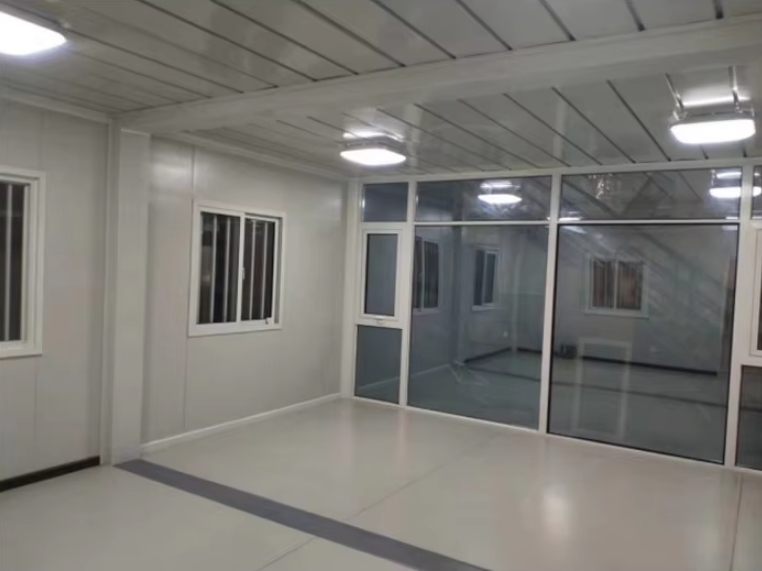
The Fundamentals of Container House Design
Before you dive into your container home project, it’s essential to understand the basics. Not all containers are created equal, and the design process involves more than just stacking boxes. Here’s what you need to know:
Choosing the Right Containers
Interestingly enough, the type of container you choose can make or break your project. Shipping containers come in various sizes and conditions, and each has its pros and cons:
- Standard Containers: The most common options are 20-foot and 40-foot containers. A 20-foot container offers about 160 square feet of space, while a 40-foot container provides roughly 320 square feet. For most container house designs, a 40-foot container is the sweet spot for livability.
- High-Cube Containers: These containers are a foot taller than standard ones, offering extra headroom. If you’re tall or planning a lofted design, high-cube containers are a game-changer.
- New vs. Used Containers: New containers are pristine but expensive. Used containers are more affordable but may require additional cleaning and modifications to remove rust, dents, or chemical residues. Many experts agree that "one-trip" containers—those used only once—offer the best balance of cost and condition.
Key Design Considerations
When it comes to container house design, there are a few critical factors to keep in mind:
- Insulation: Metal conducts heat and cold, so proper insulation is non-negotiable. Spray foam insulation is a popular choice because it provides an airtight seal and prevents condensation. Alternatively, you can use rigid foam boards or natural materials like wool or cork.
- Ventilation: Without adequate airflow, a container home can feel stuffy and humid. Incorporate windows, skylights, or even a small HVAC system to ensure comfort year-round.
- Structural Modifications: Cutting into a container for doors, windows, or connecting multiple units weakens its structural integrity. Reinforce these areas with steel beams or consult a structural engineer to avoid compromising safety.
- Foundation: Containers are heavy, so a solid foundation is crucial. Options include concrete slabs, piers, or even helical piles for uneven terrain. The right choice depends on your soil type and local building codes.
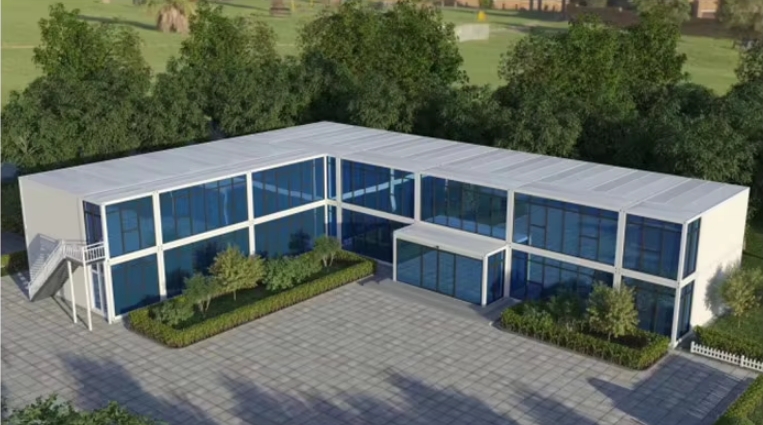
Creative Container House Design Ideas
One of the most exciting aspects of container house design is the freedom to experiment. Here are some innovative ideas to inspire your project:
Single-Container Homes: Minimalism at Its Finest
If you’re drawn to tiny living, a single-container home might be perfect for you. These designs maximize every inch of space, often incorporating multifunctional furniture and clever storage solutions. For example, a Murphy bed that folds into the wall can free up floor space during the day, while built-in shelves and cabinets keep clutter at bay. Many single-container homes also feature large windows or glass doors to create a sense of openness.
Multi-Container Homes: Expanding Your Space
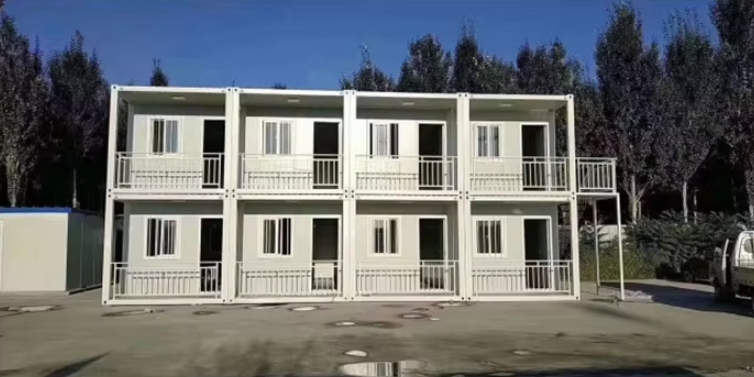
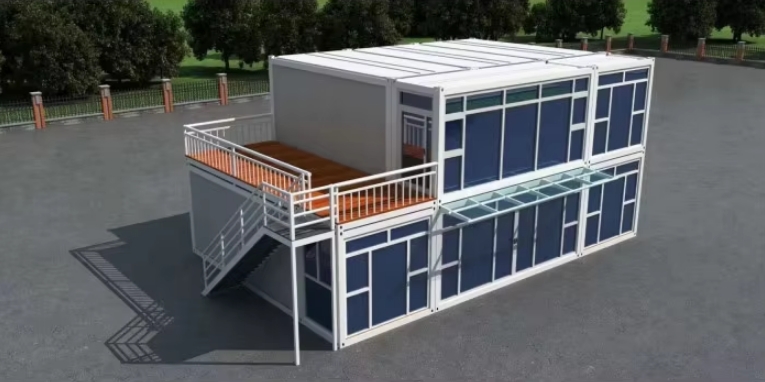
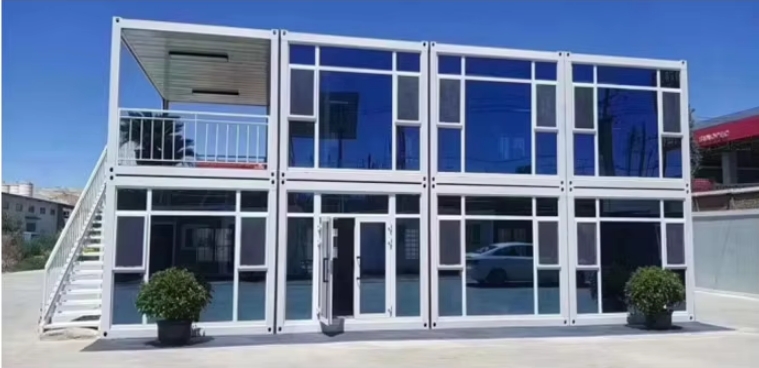
For those who need more room, combining multiple containers opens up a world of possibilities. You can arrange them side by side, stack them vertically, or even create an L-shaped layout. One popular approach is the "double-wide" design, where two containers are placed parallel to each other with a gap in between, creating a spacious central living area. Another option is to stack containers to create a two-story home, complete with a lofted bedroom or office.
Off-Grid Container Homes: Living Sustainably
Container homes are a natural fit for off-grid living. Their compact size makes them easier to power with solar panels, wind turbines, or even small hydro systems. Rainwater collection systems and composting toilets can further reduce your environmental footprint. Interestingly enough, some off-grid container homes are designed to be completely self-sufficient, with green roofs for insulation and vertical gardens for fresh produce.
Luxury Container Homes: Redefining Elegance
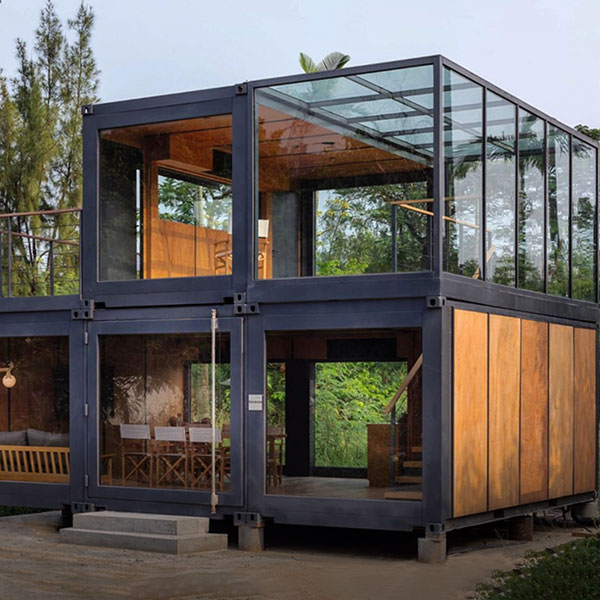
Who says container homes can’t be luxurious? With the right finishes and design touches, these homes can rival high-end traditional builds. Think floor-to-ceiling windows, hardwood floors, custom cabinetry, and state-of-the-art kitchens. Some luxury container homes even feature rooftop decks, infinity pools, and smart home technology. The key is to balance industrial elements with warm, inviting materials like wood and stone.
Challenges and How to Overcome Them
While container house design offers many benefits, it’s not without its challenges. Here’s what to watch out for and how to address it:
Building Codes and Zoning Laws
One of the biggest hurdles for container home builders is navigating local building codes and zoning laws. Some areas have strict regulations about non-traditional housing, while others are more lenient. Before you start your project, check with your local planning department to ensure your design complies with all requirements. In some cases, you may need to work with an architect or engineer to get your plans approved.
Condensation and Moisture Control
Metal surfaces can condense moisture, leading to mold and rust if not properly managed. To prevent this, invest in high-quality insulation and a vapor barrier. Additionally, ensure your home is well-ventilated to allow moisture to escape. Dehumidifiers can also help in humid climates.
Limited Space
Container homes are inherently compact, which can be a challenge if you’re used to traditional living spaces. The key is to prioritize functionality and avoid clutter. Opt for multifunctional furniture, built-in storage, and open floor plans to make the most of your space. It’s also helpful to declutter regularly and keep only what you truly need.
Temperature Control
Metal conducts heat and cold, so your container home can become uncomfortably hot or cold without proper insulation. In addition to insulation, consider using reflective paint on the exterior to reduce heat absorption. For colder climates, a small wood stove or radiant floor heating can keep your home cozy.
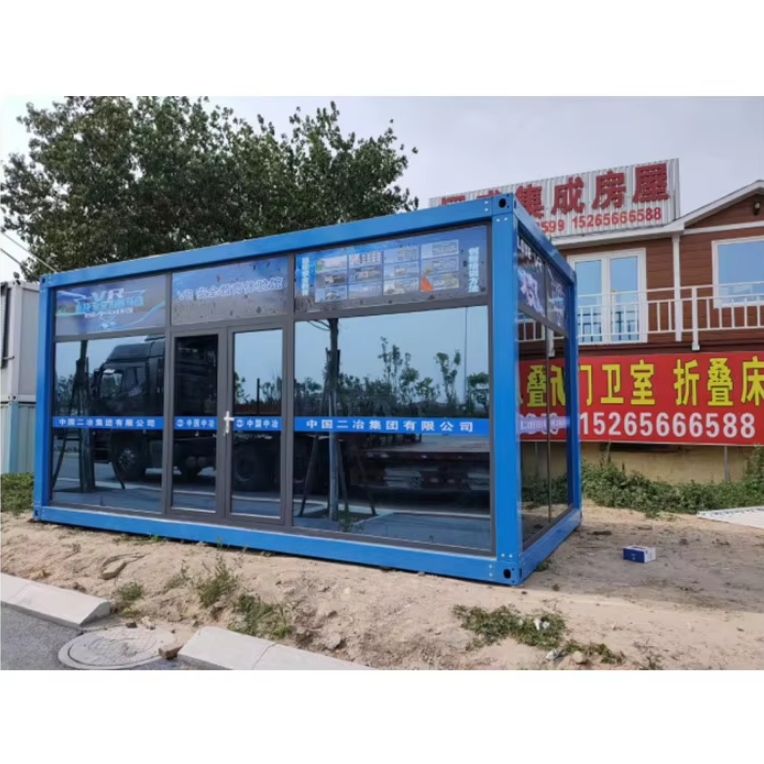
Container House Design Trends to Watch
Container house design is constantly evolving, with new trends emerging every year. Here are some of the most exciting developments to keep an eye on:
Hybrid Designs
More and more builders are combining containers with traditional materials like wood, glass, and concrete. This hybrid approach allows for greater design flexibility and can help soften the industrial look of containers. For example, you might use containers for the main structure and add a wooden deck or glass sunroom for a more organic feel.
Passive Solar Design
Passive solar design is all about maximizing natural light and heat to reduce energy consumption. In container homes, this can be achieved by strategically placing windows and skylights to capture sunlight during the winter and provide shade during the summer. Thermal mass materials like concrete or stone can also help regulate indoor temperatures.
Modular and Expandable Homes
One of the biggest advantages of container house design is its modularity. Many homeowners are opting for expandable designs that allow them to add more containers as their needs grow. This is especially popular for families or those who want the option to create a guest house, home office, or additional living space in the future.
Biophilic Design
Biophilic design focuses on incorporating natural elements into the built environment to improve well-being. In container homes, this might include living walls, indoor gardens, or large windows that frame outdoor views. The goal is to create a space that feels connected to nature, even in an urban setting.
Getting Started with Your Container House Design
Ready to turn your container house design dreams into reality? Here’s a step-by-step guide to help you get started:
Step 1: Define Your Goals
Before you dive into the design process, take some time to clarify your goals. Ask yourself:
- What is your budget?
- How much space do you need?
- Do you want a permanent home or a temporary structure?
- Are you aiming for off-grid living or a more traditional setup?
- What is your preferred aesthetic (e.g., industrial, modern, rustic)?
Your answers to these questions will guide your design decisions and help you stay focused throughout the project.
Step 2: Research and Gather Inspiration
Container house design is a visual process, so gather as much inspiration as possible. Browse online galleries, visit container home communities, or even tour model homes if they’re available in your area. Create a mood board with images, colors, and materials that resonate with you. This will help you communicate your vision to architects, builders, and contractors.
Step 3: Work with Professionals
Unless you’re an experienced builder, it’s wise to work with professionals who specialize in container house design. An architect can help you create a functional and aesthetically pleasing layout, while a structural engineer can ensure your design is safe and compliant with local codes. Additionally, a contractor with container home experience can handle the modifications and construction process.
Step 4: Plan Your Layout
Once you have a clear vision, it’s time to plan your layout. Consider the following:
- Flow: How will you move through the space? Ensure there’s a logical flow between rooms and that doorways and hallways are wide enough for comfortable movement.
- Lighting: Natural light is key to making a container home feel spacious. Plan for plenty of windows, skylights, or even glass doors to brighten up the interior.
- Storage: Built-in storage is essential in a compact home. Think about under-bed storage, wall-mounted shelves, and hidden compartments to keep your space organized.
- Utilities: Plan the placement of electrical outlets, plumbing, and HVAC systems early in the design process. This will save you time and money during construction.
Step 5: Source Your Containers and Materials
Once your design is finalized, it’s time to source your containers and materials. Look for reputable suppliers who offer high-quality containers in the size and condition you need. Don’t forget to factor in the cost of insulation, windows, doors, and other finishing materials. If you’re on a tight budget, consider salvaging materials from demolition sites or repurposing items like pallet wood for flooring or furniture.
Step 6: Build and Customize
With your containers and materials in hand, it’s time to start building. Depending on your design, this might involve cutting openings for windows and doors, welding containers together, or adding a roof. Work closely with your contractor to ensure everything is done correctly and safely. Once the structure is complete, you can focus on the interior finishes, such as flooring, cabinetry, and paint.
Step 7: Move In and Enjoy
After months of planning and hard work, it’s finally time to move into your container home. Take a moment to appreciate the unique space you’ve created. Whether it’s a cozy retreat or a modern masterpiece, your container house design is a testament to creativity, sustainability, and innovation.
For more detailed information, please visit our official website:Container House design
About the author: Dr. Emily Carter is a sustainable architecture expert and the founder of GreenSpaces Design Studio, where she specializes in innovative container house design and eco-friendly living solutions. With over 15 years of experience in modular architecture, Emily has helped hundreds of clients transform shipping containers into stylish, functional homes. She holds a Ph.D. in Sustainable Urban Development and is a frequent speaker at international design conferences. When she’s not designing, Emily enjoys hiking, gardening, and advocating for affordable housing initiatives.