Modular Homes
Have you ever dreamed of building your own home but felt overwhelmed by the cost, time, or complexity of traditional construction? If so, you’re not alone. Many people are turning to modular homes as a smarter, faster, and more flexible alternative. But what exactly are modular homes, and why are they gaining so much popularity? Let’s dive in.
Interestingly enough, modular homes aren’t a new concept—they’ve been around for decades. However, advancements in technology and design have transformed them into a viable option for modern living. Unlike traditional stick-built homes, modular homes are constructed in sections (or modules) in a factory setting, then transported to the building site for assembly. This process offers a host of benefits, from cost savings to environmental sustainability. But is it the right choice for you? Let’s explore.
What Are Modular Homes?
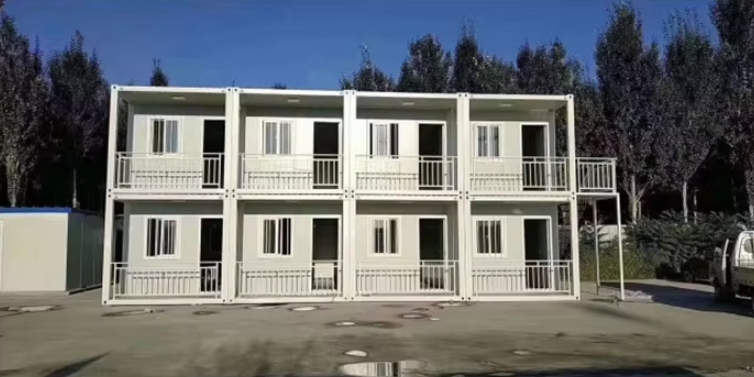
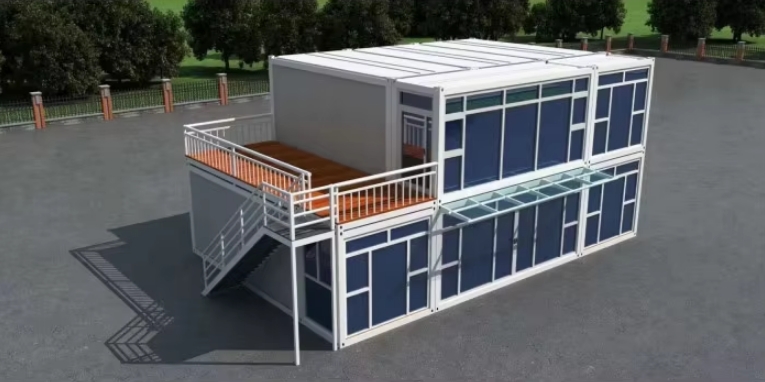
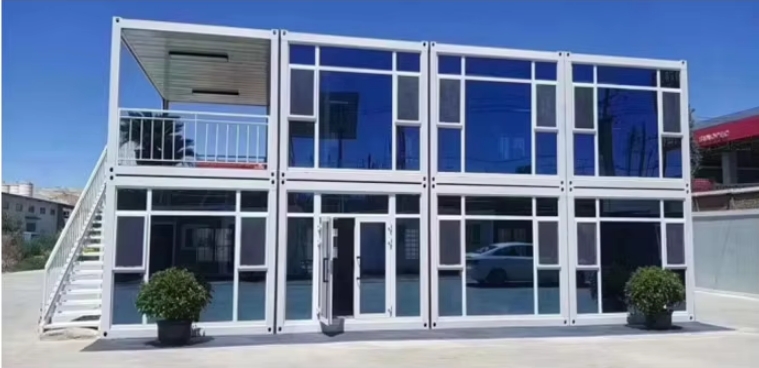
At their core, modular homes are prefabricated structures built in a controlled factory environment. Each module is constructed to meet strict building codes and then transported to the site, where they’re assembled on a permanent foundation. This method differs from mobile homes or manufactured housing, which are built on a non-removable chassis and often subject to different regulations.
To be honest, the term "prefabricated" can sometimes carry a stigma—people often associate it with cheap, low-quality construction. But that’s far from the truth. Modern modular homes are built with the same (or even higher) quality materials as traditional homes. The key difference? Efficiency. Because they’re built indoors, modular homes aren’t subject to weather delays, material theft, or other on-site issues that can plague conventional builds.
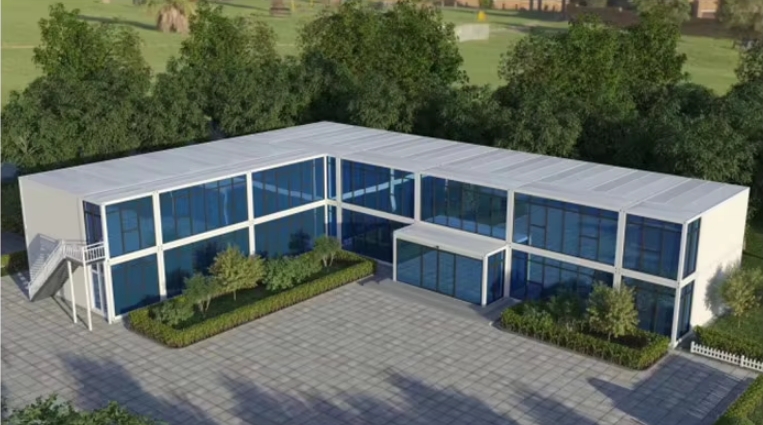
How Do Modular Homes Differ from Traditional Homes?
One of the biggest misconceptions about modular homes is that they’re all identical or lack customization. In reality, the design possibilities are nearly endless. Here’s how they compare to traditional homes:
- Construction Time: While a traditional home can take 6-12 months (or longer) to build, modular homes can be completed in as little as 3-4 months. The factory construction and on-site assembly happen simultaneously, cutting down the timeline significantly.
- Cost: Modular homes are often 10-20% cheaper than site-built homes. The controlled factory environment reduces waste, labor costs, and unexpected expenses. However, it’s worth noting that customization can drive up the price.
- Quality Control: Because modular homes are built indoors, they’re subject to rigorous quality checks at every stage. Traditional homes, on the other hand, are at the mercy of weather, subcontractor schedules, and human error.
- Customization: Many people assume modular homes come in a "one-size-fits-all" package, but that’s not the case. From floor plans to finishes, you can tailor a modular home to your exact preferences—just like a traditional home.
Frankly speaking, the only real limitation is your imagination (and budget). Whether you want a cozy cottage or a sprawling modern estate, modular construction can make it happen.
The Benefits of Choosing Modular Homes
So, why are more people opting for modular homes over traditional builds? The advantages go beyond just speed and cost. Here’s what makes them stand out:
1. Affordability Without Sacrificing Quality
Let’s face it—building a home is expensive. Between rising material costs, labor shortages, and unexpected delays, traditional construction can quickly become a financial nightmare. Modular homes, however, offer a more predictable and often more affordable path to homeownership.
Because modular homes are built in bulk in a factory, manufacturers can purchase materials at a lower cost. Additionally, the streamlined construction process reduces labor expenses. And since the build happens indoors, there’s less risk of weather-related damage or theft, which can add unexpected costs to a traditional build.
That said, it’s important to note that affordability doesn’t mean cutting corners. Many modular home builders use high-quality materials and adhere to the same (or stricter) building codes as traditional homes. In my experience, the key is to work with a reputable builder who prioritizes craftsmanship over cutting costs.
2. Speed and Efficiency
If you’ve ever been involved in a traditional home build, you know how frustrating delays can be. Weather, material shortages, and subcontractor scheduling can turn a 6-month project into a year-long ordeal. Modular homes, on the other hand, are built on a much tighter timeline.
Here’s how it works: While the foundation is being prepared on-site, the modules are being constructed in the factory. Once the foundation is ready, the modules are transported and assembled—often in a matter of days. This parallel process can shave months off the construction timeline, which is a game-changer for anyone eager to move into their new home.
3. Sustainability and Eco-Friendliness
Sustainability is no longer just a buzzword—it’s a priority for many homebuyers. If you’re looking to reduce your environmental footprint, modular homes are an excellent choice. Here’s why:
- Less Waste: Factory construction allows for precise material measurements, which means less waste. Any excess materials can often be recycled or reused in future builds.
- Energy Efficiency: Modular homes are designed to be airtight, which improves insulation and reduces energy consumption. Many builders also offer energy-efficient upgrades, like solar panels, high-performance windows, and smart thermostats.
- Sustainable Materials: From reclaimed wood to low-VOC paints, modular home builders have access to a wide range of eco-friendly materials. Some even specialize in "green" modular homes, which are built to meet strict sustainability standards.
It’s worth noting that not all modular homes are created equal when it comes to sustainability. If this is a priority for you, be sure to ask your builder about their materials and construction practices.
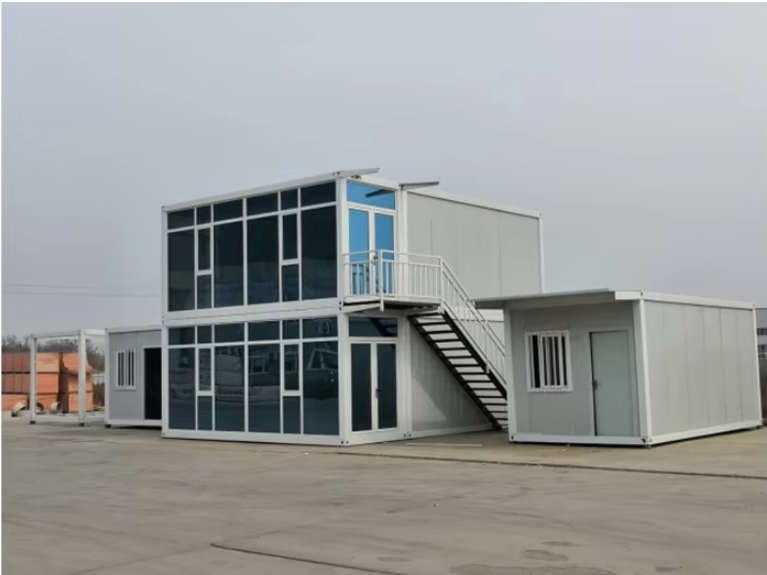
4. Customization and Design Flexibility
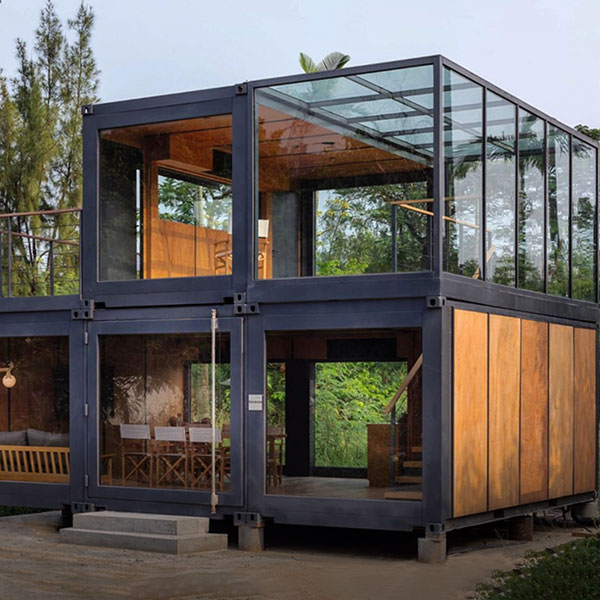
One of the biggest myths about modular homes is that they’re all the same. In reality, the design possibilities are nearly limitless. Whether you want a modern farmhouse, a sleek contemporary home, or a cozy cabin, modular construction can bring your vision to life.
Most modular home builders offer a range of floor plans to choose from, but you’re not limited to their catalog. Many companies allow for custom designs, so you can work with an architect to create a home that’s uniquely yours. And because the modules are built in a factory, you can often include high-end finishes and features that would be cost-prohibitive in a traditional build.
Have you ever wondered what it would be like to design your own home from the ground up? With modular construction, that dream is more achievable than you might think.
Potential Drawbacks of Modular Homes
While modular homes offer many advantages, they’re not without their challenges. Before you commit, it’s important to weigh the pros and cons. Here are a few potential drawbacks to consider:
1. Financing Challenges
Securing financing for a modular home can be trickier than for a traditional home. Some lenders view modular homes as "non-traditional" and may require a larger down payment or higher interest rates. Additionally, because the home is built in sections, some lenders may treat it as a construction loan, which can complicate the process.
That said, many modular home builders have relationships with lenders who specialize in prefabricated housing. It’s always a good idea to shop around and compare loan options before making a decision.
2. Land and Zoning Restrictions
Before you can build a modular home, you’ll need to find a suitable plot of land. This can be easier said than done, especially in urban areas where land is scarce or zoning laws are restrictive. Some neighborhoods have covenants that prohibit modular homes, so it’s important to do your research before purchasing land.
Additionally, the land must be properly prepared for the foundation, which can add to the overall cost. This includes grading, utility hookups, and sometimes even soil testing. In my experience, working with a local real estate agent or land specialist can help you navigate these challenges.
3. Limited Resale Value (In Some Cases)
While modular homes are built to the same standards as traditional homes, they can sometimes face stigma in the resale market. Some buyers may assume that modular homes are of lower quality, even if that’s not the case. This can make it harder to sell your home down the line, especially in competitive markets.
However, this is changing as modular homes become more mainstream. High-quality, custom-designed modular homes often hold their value just as well as traditional homes. The key is to work with a reputable builder and choose a design that appeals to a broad range of buyers.
Is a Modular Home Right for You?
So, how do you know if a modular home is the right choice for you? Here are a few questions to consider:
- Are you on a tight budget? If cost is a major concern, modular homes can offer significant savings compared to traditional builds.
- Do you need to move in quickly? If you’re on a tight timeline, modular construction can get you into your new home in a fraction of the time.
- Are you environmentally conscious? If sustainability is a priority, modular homes are a great way to reduce your carbon footprint.
- Do you want a custom home without the hassle? If you love the idea of designing your own home but don’t want to deal with the stress of traditional construction, modular homes offer the best of both worlds.
On the other hand, if you’re looking for a home in a highly regulated neighborhood or need a unique architectural design that’s difficult to achieve with modular construction, a traditional build might be a better fit.
At the end of the day, the decision comes down to your priorities, budget, and timeline. Many experts agree that modular homes are an excellent option for first-time homebuyers, downsizers, and anyone looking for a more efficient and sustainable way to build.
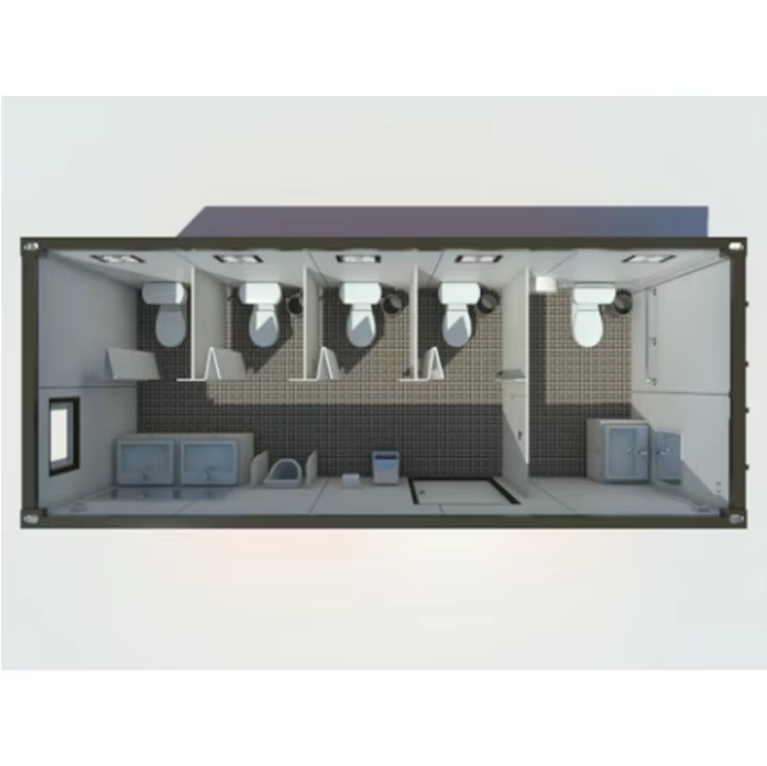
Final Thoughts: The Future of Modular Homes
Modular homes are no longer the "alternative" housing option they once were. With advancements in technology, design, and sustainability, they’re quickly becoming a mainstream choice for homebuyers around the world. From affordability to customization, the benefits are hard to ignore.
That said, it’s important to do your homework before diving in. Research builders, compare financing options, and visit model homes to get a feel for the quality and design possibilities. In my experience, the more informed you are, the better your chances of ending up with a home you love.
So, are you ready to explore the world of modular homes? Whether you’re looking for a starter home, a vacation retreat, or a forever home, modular construction could be the key to making your dream a reality—without the stress and uncertainty of traditional building.
For more detailed information, please visit our official website:SEO Keywords
About the author:
James Carter is a licensed architect and sustainable housing advocate with over 15 years of experience in modular and prefabricated construction. After designing award-winning modular homes across North America, James now consults with homeowners and builders to create innovative, eco-friendly living spaces. When he’s not drafting blueprints, you can find him hiking with his rescue dog, Luna, or experimenting with tiny home designs in his off-grid workshop.
---