The Future of Living: Exploring the Charm and Practicality of Space Capsule Houses
Have you ever imagined living in a home that feels like a cozy spaceship? A place where every inch of space is thoughtfully designed to maximize comfort and functionality? If so, you’re not alone. The concept of a space capsule house has been capturing the imagination of architects, urban planners, and minimalists alike. But what exactly is a space capsule house, and why is it becoming such a popular choice for modern living? Let’s dive in and explore this fascinating trend.
What Is a Space Capsule House?
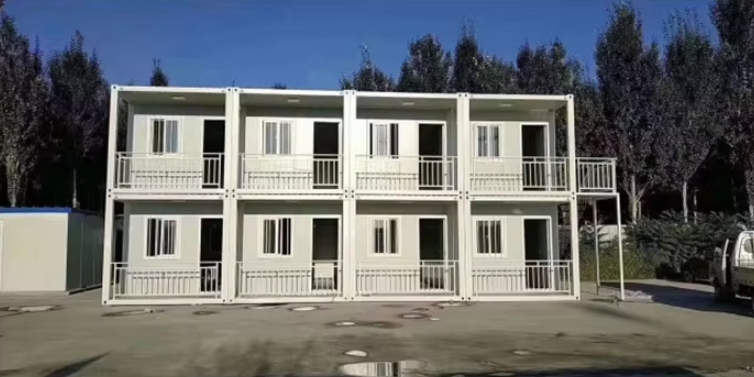
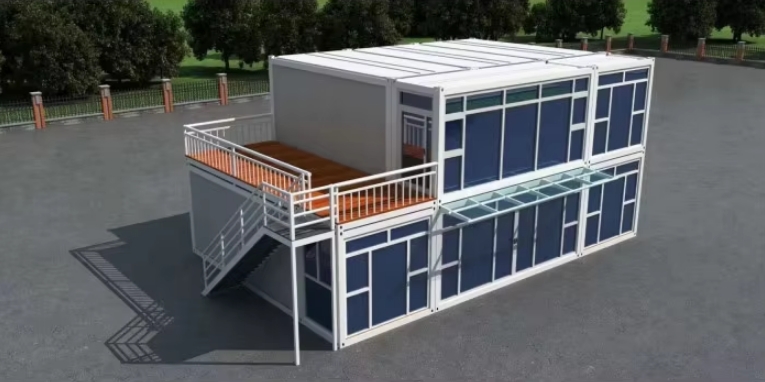
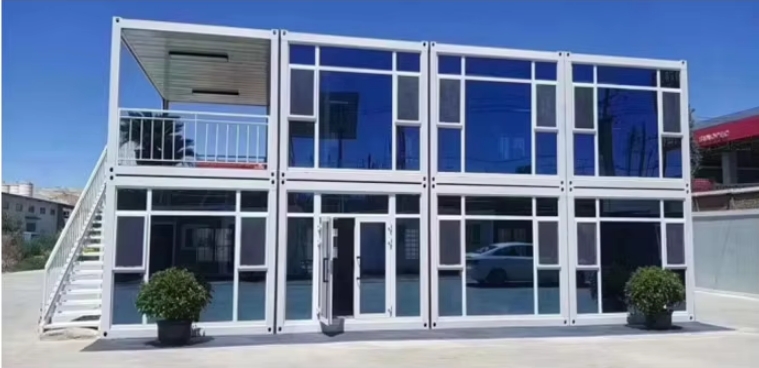
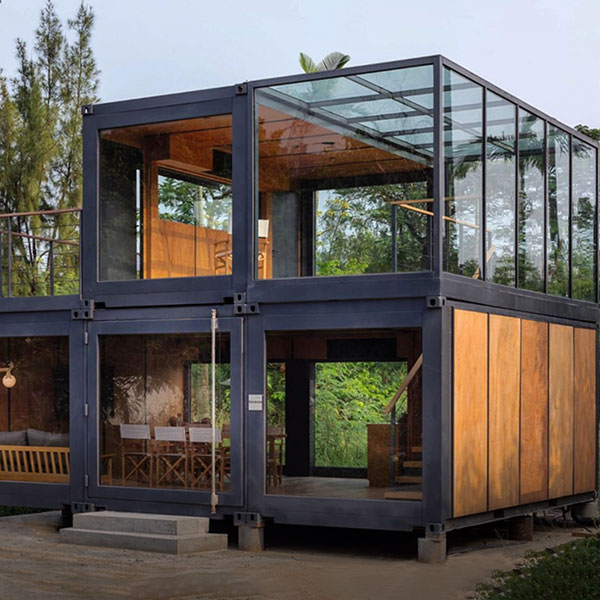
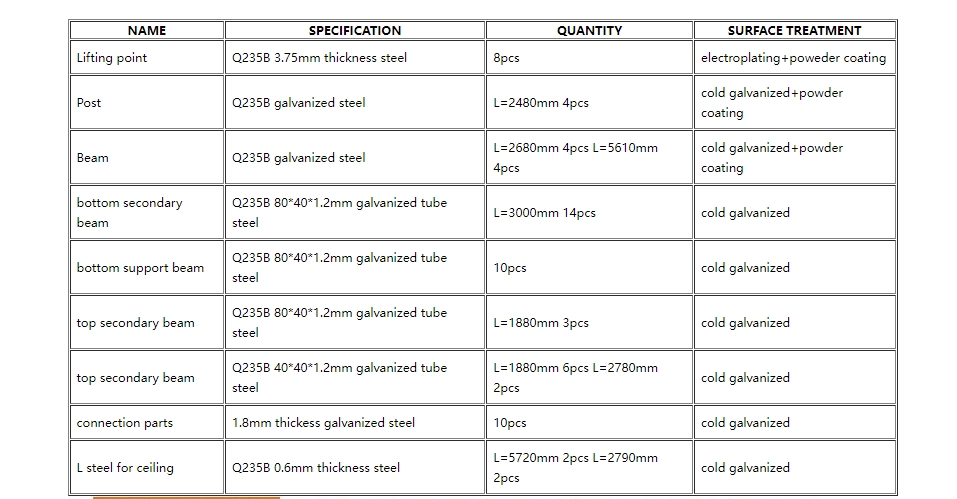
At its core, a space capsule house is a compact, modular living unit designed to optimize space without sacrificing comfort. Inspired by the minimalist design of spacecraft cabins, these homes are built to be efficient, sustainable, and often portable. They’re particularly popular in densely populated urban areas where space is at a premium, but their appeal extends far beyond city limits.
Interestingly enough, the idea of capsule living isn’t entirely new. The concept gained traction in the 1970s in Japan, where architect Kisho Kurokawa designed the Nakagin Capsule Tower—a building composed of prefabricated, stackable living pods. While the tower itself has since been demolished, its legacy lives on in the growing popularity of micro living solutions.
The Philosophy Behind Capsule Living
The philosophy of a space capsule house is rooted in simplicity and intentionality. It’s about stripping away the excess and focusing on what truly matters: a comfortable, functional space that meets your needs without overwhelming you with clutter. Many people who embrace capsule living do so as a reaction to the fast-paced, consumer-driven lifestyle that dominates modern society. Frankly speaking, it’s a breath of fresh air in a world that often equates "more" with "better."
But don’t let the word "capsule" fool you—these homes are far from cramped or uncomfortable. Thanks to clever design and innovative use of space, a well-designed compact home design can feel surprisingly spacious. It’s all about making the most of every square foot, from multi-functional furniture to vertical storage solutions.
Why Choose a Space Capsule House?
So, why are more people turning to space capsule houses as their primary or secondary living spaces? The reasons are as varied as the people who choose them, but here are a few key benefits that make them an attractive option:
1. Affordability
Let’s be honest—housing costs are skyrocketing in many parts of the world. For young professionals, students, or anyone looking to downsize, a space capsule house offers a more affordable alternative to traditional housing. Because they’re smaller and often prefabricated, they require fewer materials and less labor to build, which translates to lower costs for the homeowner.
2. Sustainability
In my experience, one of the most compelling reasons to choose a sustainable tiny home is its environmental impact. Smaller homes mean less energy consumption, fewer building materials, and a smaller carbon footprint. Many capsule houses are also designed with eco-friendly features like solar panels, rainwater harvesting systems, and energy-efficient appliances. If you’re someone who cares about reducing your environmental impact, this is a great way to do it.
3. Flexibility and Mobility
Another major advantage of futuristic housing like capsule homes is their flexibility. Many designs are modular, meaning they can be easily expanded, reconfigured, or even relocated. This makes them ideal for people who value freedom and mobility—whether you’re a digital nomad, a frequent traveler, or simply someone who likes the idea of picking up and moving without the hassle of selling a traditional home.
4. Minimalist Lifestyle
For those who embrace minimalism, a space capsule house is the ultimate expression of "less is more." Living in a compact space forces you to evaluate what you truly need and let go of the rest. It’s a liberating experience, and many people find that it leads to a simpler, more fulfilling way of life. To be honest, it’s not for everyone—but for those who love the idea of decluttering their lives, it’s a game-changer.
Designing Your Dream Space Capsule House
If you’re intrigued by the idea of living in a space capsule house, you might be wondering how to get started. Designing one of these homes is all about creativity and smart planning. Here are some key considerations to keep in mind:
Maximizing Space
The golden rule of capsule living is: every inch counts. This means thinking vertically—using walls for storage, installing loft beds, and opting for multi-functional furniture. For example, a sofa that doubles as a guest bed or a dining table that folds away when not in use can make a world of difference in a small space.
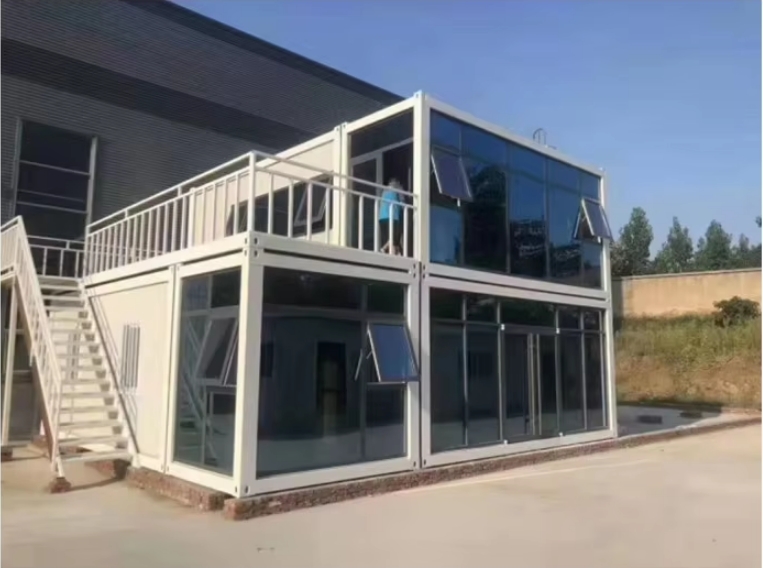
It’s also worth noting that natural light can make a small space feel much larger. Large windows, skylights, and open floor plans can help create an airy, spacious feel even in the most compact of homes.
Choosing the Right Materials
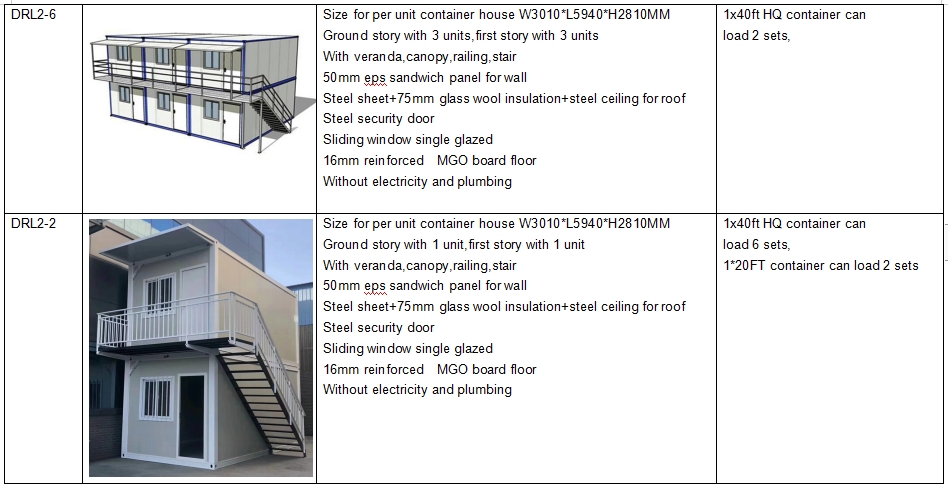
When it comes to building a compact home design, the materials you choose can have a big impact on both aesthetics and functionality. Lightweight, durable materials like steel, aluminum, and composite panels are popular choices for capsule houses because they’re strong, easy to work with, and often recyclable. For interiors, materials like bamboo, reclaimed wood, and cork can add warmth and texture without taking up too much space.
Personalizing Your Space
Just because a space capsule house is small doesn’t mean it has to feel impersonal. In fact, one of the joys of capsule living is the opportunity to create a space that truly reflects your personality and lifestyle. Whether you prefer a sleek, modern aesthetic or a cozy, rustic vibe, there are endless ways to make your capsule house feel like home.
Have you ever thought about what your ideal living space would look like? Would it be filled with plants, artwork, and soft textiles? Or would you prefer a more streamlined, high-tech design? The beauty of a capsule house is that it’s a blank canvas—ready for you to make it your own.
The Challenges of Capsule Living
While there are many benefits to living in a space capsule house, it’s not without its challenges. Before you take the plunge, it’s important to consider the potential downsides and how you might address them.
Limited Space
The most obvious challenge of capsule living is the limited space. For some people, this can feel restrictive—especially if you’re used to a larger home. It’s worth noting that capsule living requires a certain level of organization and discipline. You’ll need to be mindful of what you bring into your home and find creative ways to store your belongings.
That said, many people find that the benefits of a smaller space—like lower costs, less cleaning, and a simpler lifestyle—far outweigh the challenges. It’s all about perspective.
Zoning and Legal Considerations
Another potential hurdle is navigating zoning laws and building codes. In some areas, there may be restrictions on where you can place a micro living solution or how small a home can be. Before you start building, it’s a good idea to research local regulations and consult with a professional to ensure your project complies with all necessary requirements.
Social Perceptions
Let’s face it—living in a space capsule house isn’t always seen as conventional. Some people might question your choice or assume that you’re "settling" for less. But in my experience, those who embrace capsule living often find that it leads to richer, more meaningful experiences. After all, a home is what you make of it—not how much space it takes up.
The Future of Space Capsule Houses
As urbanization continues to rise and housing costs remain a challenge for many, the demand for innovative living solutions like space capsule houses is only expected to grow. Architects and designers are constantly pushing the boundaries of what’s possible, creating homes that are not only functional but also beautiful and sustainable.
Interestingly enough, the rise of remote work and digital nomadism has also contributed to the popularity of capsule living. More people are prioritizing flexibility and mobility over traditional notions of homeownership, and futuristic housing fits perfectly into this new way of life.
So, what does the future hold for space capsule houses? It’s hard to say for sure, but one thing is clear: they’re here to stay. Whether as a primary residence, a vacation home, or a creative workspace, these compact, efficient homes offer a glimpse into the future of living.
Have you ever considered living in a space capsule house? What would be the biggest challenge for you? And what’s the one thing you couldn’t live without in your ideal home? Share your thoughts—we’d love to hear from you!
For more detailed information, please visit our official website:
About the author: Dr. Elena Carter is a sustainable architecture expert and advocate for innovative housing solutions. With over a decade of experience in urban design and micro-living research, she has helped countless individuals and communities embrace compact, eco-friendly living. When she’s not designing the next generation of space capsule houses, Elena enjoys hiking, writing, and exploring the intersection of technology and sustainability. Her work has been featured in leading architectural journals and design conferences worldwide.