Modular Homes: The Future of Affordable, Sustainable, and Stylish Living
Have you ever dreamed of owning a home that’s not only beautiful but also affordable, eco-friendly, and built in record time? If so, modular homes might just be the perfect solution for you. To be honest, the idea of prefabricated housing isn’t new, but the advancements in design, technology, and sustainability have transformed modular homes into a game-changer in the real estate industry. Whether you're a first-time homebuyer, a minimalist looking to downsize, or someone who values sustainability, modular homes offer a compelling alternative to traditional construction.
Interestingly enough, many people still associate modular homes with the outdated "mobile homes" of the past. But let me tell you—today’s modular homes are a far cry from those stereotypes. They’re sleek, customizable, and built to last, often rivaling (or even surpassing) the quality of site-built homes. In this article, we’ll dive deep into what modular homes are, their benefits, how they compare to traditional homes, and why they might just be the future of housing.
What Are Modular Homes?
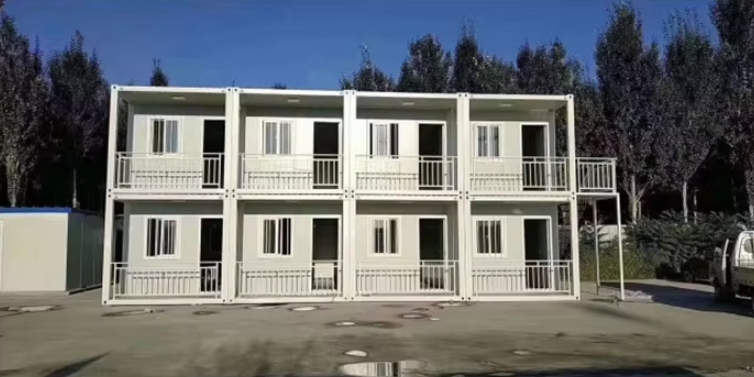
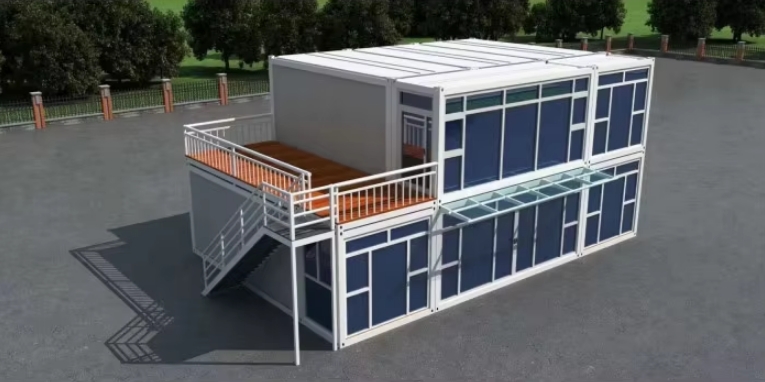
At its core, a modular home is a type of prefabricated home that’s built in sections, or "modules," in a factory setting. These modules are then transported to the building site, where they’re assembled on a permanent foundation. Unlike mobile homes, which are built on a chassis and can be moved, modular homes are designed to stay put—just like any other traditional home.
It’s worth noting that modular homes are constructed to meet the same building codes and standards as site-built homes. In fact, because they’re built in a controlled environment, they often exceed these standards in terms of quality and precision. The modules are typically 80-90% complete when they leave the factory, including plumbing, electrical wiring, insulation, and even interior finishes like drywall and flooring.

How Do Modular Homes Differ from Other Prefabricated Homes?
When people hear "prefabricated homes," they often lump modular, manufactured, and panelized homes into the same category. But there are key differences:
- Modular Homes: Built in sections in a factory, assembled on-site, and permanently affixed to a foundation. They adhere to local building codes and are considered real property.
- Manufactured Homes: Built entirely in a factory on a steel chassis, transported to the site, and often placed on piers or a temporary foundation. They follow federal HUD codes rather than local building codes.
- Panelized Homes: Involve pre-built wall panels, floors, and roof trusses that are assembled on-site. While efficient, they require more on-site labor than modular homes.
Frankly speaking, modular homes offer the best of both worlds: the efficiency and quality control of factory construction with the permanence and customization of traditional homes.
The Benefits of Choosing Modular Homes
So, why are modular homes gaining so much traction? The answer lies in their numerous advantages, which address some of the biggest pain points in traditional homebuilding. Let’s break them down.
1. Speed of Construction
One of the most significant benefits of modular homes is how quickly they can be built. While a traditional home can take 6-12 months (or longer) to construct, a modular home can be completed in as little as 3-4 months. How? Because the modules are built indoors, weather delays are eliminated, and multiple stages of construction can happen simultaneously. Once the modules arrive on-site, assembly typically takes just a few weeks.
I’ve found that this speed is a game-changer for buyers who need to move quickly, whether due to a job relocation, growing family, or simply the desire to avoid the stress of a prolonged construction process.
2. Cost-Effectiveness
Let’s talk numbers. Modular homes are often 10-20% cheaper than site-built homes. The savings come from several factors:
- Reduced Labor Costs: Factory workers are more efficient, and there’s less waste compared to on-site construction.
- Bulk Material Purchases: Manufacturers buy materials in bulk, securing better prices.
- Fewer Change Orders: Because the design is finalized before construction begins, there are fewer costly last-minute changes.
That said, it’s important to note that the final cost can vary depending on customization, location, and site preparation. But even with these variables, modular homes tend to be a more budget-friendly option.
3. Sustainability and Eco-Friendliness
If you’re someone who cares about the environment, modular homes are a fantastic choice. Here’s why:
- Less Waste: Factory construction allows for precise material measurements, reducing waste. Any excess materials can often be recycled.
- Energy Efficiency: Modular homes are built with tight seals and high-quality insulation, which can significantly lower energy bills. Many manufacturers also offer energy-efficient upgrades like solar panels and high-performance windows.
- Sustainable Materials: From reclaimed wood to low-VOC paints, modular home builders often prioritize eco-friendly materials.
Interestingly enough, some modular homes are even designed to be "net-zero," meaning they produce as much energy as they consume. This is a level of sustainability that’s hard to achieve with traditional construction.
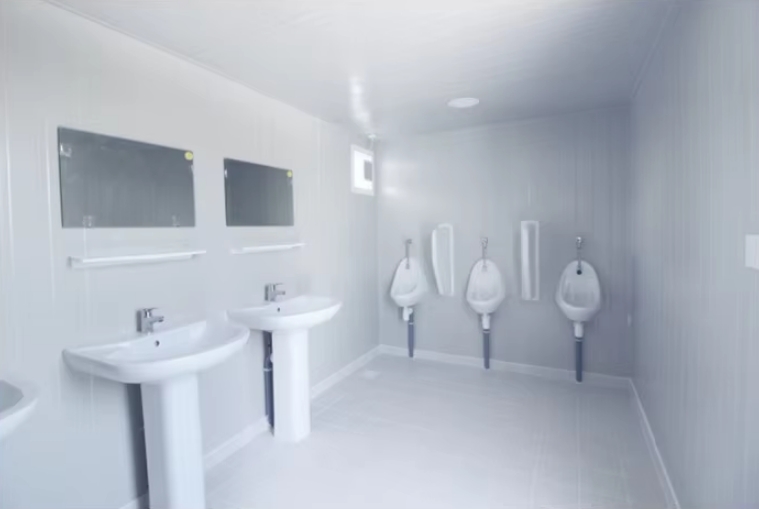
4. Customization and Design Flexibility
Gone are the days when modular homes were limited to cookie-cutter designs. Today, you can customize nearly every aspect of your home, from the floor plan to the finishes. Many manufacturers offer a range of styles, including:
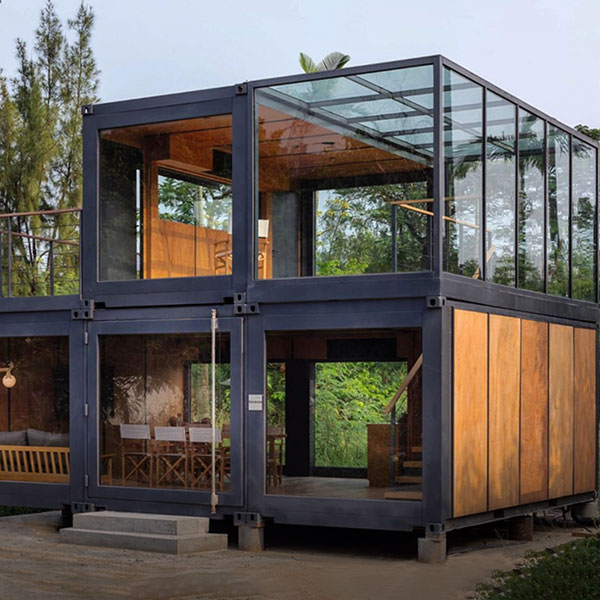
- Modern and minimalist designs
- Traditional farmhouse aesthetics
- Contemporary loft-style layouts
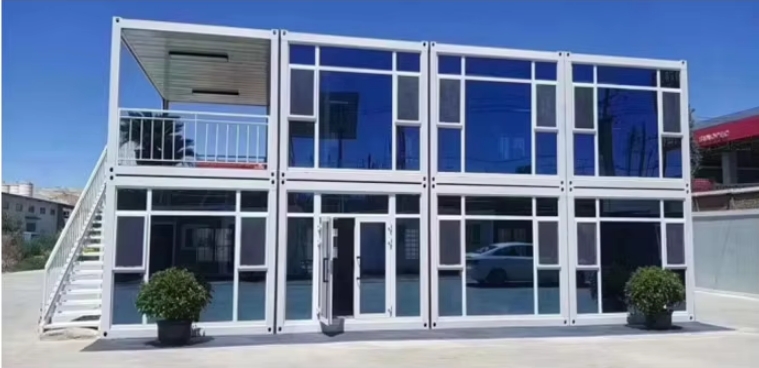
- Multi-story family homes
In my experience, buyers are often surprised by how much creative freedom they have. Want an open-concept kitchen with a walk-in pantry? No problem. Dreaming of a master suite with a spa-like bathroom? It’s doable. The key is to work with a manufacturer that offers flexible design options and a team that can bring your vision to life.
5. Quality and Durability
Because modular homes are built in a controlled environment, they’re subject to rigorous quality control checks at every stage of construction. This means fewer defects, better craftsmanship, and a home that’s built to withstand the elements. In fact, many modular homes are designed to be more durable than traditional homes, especially in areas prone to hurricanes or earthquakes.
It’s also worth noting that modular homes appreciate in value over time, just like site-built homes. This makes them a smart investment for the long term.
Modular Homes vs. Traditional Homes: How Do They Compare?
Now that we’ve covered the benefits, let’s address the elephant in the room: How do modular homes stack up against traditional homes? Here’s a side-by-side comparison to help you decide which option is right for you.
| Factor | Modular Homes | Traditional Homes |
|---|---|---|
| Construction Time | 3-4 months (faster due to factory efficiency) | 6-12+ months (subject to weather and labor delays) |
| Cost | 10-20% cheaper (lower labor and material costs) | More expensive (higher labor and material costs) |
| Customization | High (many design options available) | High (but often more expensive) |
| Quality Control | Strict (factory-built with consistent standards) | Variable (depends on contractor and site conditions) |
| Sustainability | High (less waste, energy-efficient options) | Moderate (depends on materials and practices) |
| Appreciation | Comparable to traditional homes | Typically appreciates over time |
| Financing | Similar to traditional homes (conventional loans, FHA, etc.) | Standard mortgage options available |
As you can see, modular homes hold their own against traditional homes in nearly every category. The choice ultimately comes down to your priorities. If speed, cost, and sustainability are at the top of your list, modular homes are a clear winner. If you’re looking for a highly unique design that requires extensive on-site customization, a traditional home might be the better fit.
Common Misconceptions About Modular Homes
Despite their growing popularity, modular homes are still surrounded by myths and misconceptions. Let’s debunk some of the most common ones.
1. "Modular Homes Are Just Fancy Trailers"
This is perhaps the biggest misconception. As we’ve discussed, modular homes are built to the same (or higher) standards as traditional homes and are permanently affixed to a foundation. They’re not mobile, and they don’t depreciate like manufactured homes. In fact, many modular homes are indistinguishable from site-built homes once they’re completed.
2. "They’re All the Same—Boring and Generic"
While early modular homes may have had limited design options, today’s manufacturers offer a wide range of styles, layouts, and finishes. From ultra-modern to rustic farmhouse, there’s a modular home to suit every taste. Many buyers are shocked by how customizable these homes can be.
3. "Modular Homes Are Lower Quality"
On the contrary, modular homes often exceed the quality of traditional homes because they’re built in a controlled environment. There’s no exposure to the elements during construction, which means no warped wood, mold, or other weather-related issues. Plus, the precision of factory construction ensures tighter seals and better insulation.
4. "You Can’t Get a Mortgage for a Modular Home"
This couldn’t be further from the truth. Modular homes are financed just like traditional homes. You can secure a conventional mortgage, FHA loan, VA loan, or even a construction loan. The key is to work with a lender who understands modular construction and can guide you through the process.
5. "They’re Only for Temporary or Low-Income Housing"
Modular homes are used for everything from starter homes to luxury estates. In fact, some of the most high-end custom homes being built today are modular. The flexibility and efficiency of modular construction make it an attractive option for buyers at all price points.
Is a Modular Home Right for You?
By now, you might be wondering: Is a modular home the right choice for me? To help you decide, let’s consider a few scenarios where modular homes shine.
You Might Love a Modular Home If...
- You’re on a tight budget but don’t want to compromise on quality.
- You value sustainability and want a home that’s energy-efficient.
- You need to move into your new home quickly (e.g., due to a job relocation or growing family).
- You want a custom-designed home without the high cost of traditional construction.
- You live in an area with harsh weather conditions and want a home built to withstand the elements.
You Might Prefer a Traditional Home If...
- You have a highly specific or unconventional design in mind that’s difficult to achieve with modular construction.
- You’re building on a challenging lot (e.g., steep slope, remote location) that requires extensive on-site work.
- You’re not in a hurry and want to be involved in every step of the construction process.
Have you ever considered what your "dream home" looks like? If it’s a space that’s uniquely yours, built efficiently and sustainably, then a modular home might just be the answer.
The Future of Modular Homes
As housing demands continue to evolve, modular homes are poised to play a major role in the future of real estate. Here’s why:
1. Rising Housing Costs
With housing prices skyrocketing in many parts of the world, modular homes offer an affordable alternative without sacrificing quality. As more buyers seek cost-effective solutions, the demand for modular homes is expected to grow.
2. Sustainability Concerns
Climate change is driving a shift toward more sustainable living. Modular homes, with their reduced waste and energy-efficient designs, are perfectly aligned with this trend. Many manufacturers are also exploring innovative materials, like cross-laminated timber (CLT) and recycled steel, to further reduce their environmental impact.
3. Technological Advancements
The integration of smart home technology into modular construction is another exciting development. From automated lighting and thermostats to advanced security systems, modular homes are becoming smarter and more connected than ever before.
4. Urbanization and Density
As cities become more densely populated, modular construction offers a way to build quickly and efficiently in urban areas. Multi-story modular buildings are already being used for apartments, hotels, and even office spaces, proving that modular construction isn’t just for single-family homes.
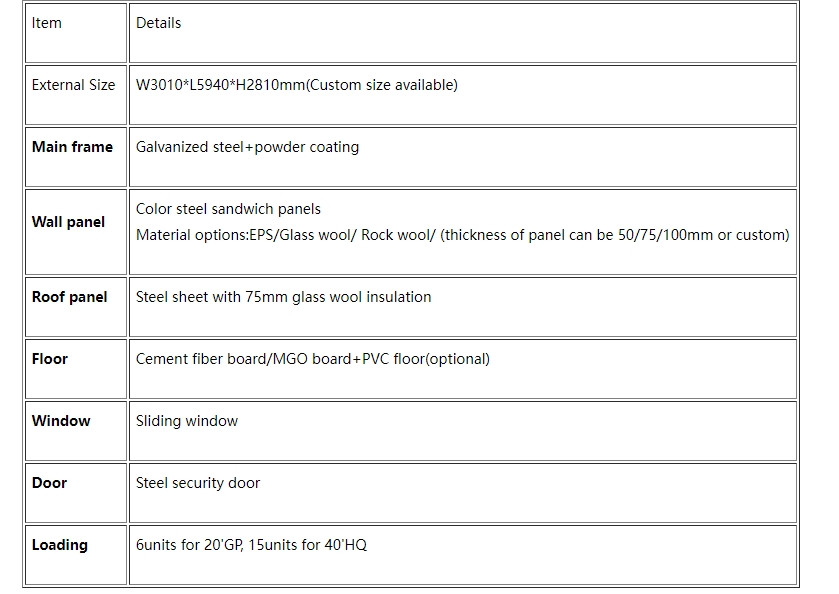
Frankly speaking, the future of modular homes is bright. As technology advances and more people recognize their benefits, we can expect to see even more innovation in this space. Whether you’re a first-time buyer, a downsizer, or an investor, modular homes are worth considering as a smart, sustainable, and stylish housing solution.
For more detailed information, please visit our official website:SEO Keywords---
About the author: Sarah Mitchell is a housing and sustainability expert with over a decade of experience in modular construction and eco-friendly design. As a former architect and current consultant for modular home manufacturers, Sarah has helped countless families find their perfect home. When she’s not writing or advising clients, she enjoys hiking, experimenting with sustainable materials, and advocating for affordable housing solutions. Connect with Sarah on LinkedIn or follow her blog for the latest insights on modern living.