The Ultimate Guide to Container Houses: Sustainable Living, Style, and Savings
Have you ever driven past a sleek, modern home made from repurposed shipping containers and thought, "Could I live there?" If so, you're not alone. Container houses are taking the world by storm, offering a unique blend of affordability, sustainability, and creativity. But what exactly makes them so appealing? And more importantly, are they right for you?
In this guide, we’ll dive deep into the world of container houses—exploring their benefits, design possibilities, and even the challenges you might face. Whether you're a minimalist, an eco-warrior, or just someone looking for a cost-effective housing solution, this article has something for you. Let’s get started.
---Why Container Houses Are Gaining Popularity
To be honest, the idea of living in a metal box might sound unconventional at first. But when you peel back the layers, the appeal becomes clear. Container houses are more than just a trend—they’re a movement toward smarter, more sustainable living. Here’s why they’re gaining traction:
1. Affordability Without Compromise
Let’s talk numbers. Traditional homes can cost a small fortune, especially in urban areas where land prices are sky-high. Container houses, on the other hand, offer a more budget-friendly alternative. The average cost of a shipping container ranges from $1,500 to $5,000, depending on size and condition. Compare that to the median home price in the U.S., which hovers around $400,000, and the savings are undeniable.
But it’s not just about the upfront cost. Container homes are often quicker to build, which means you’ll save on labor and construction time. Plus, their modular nature allows for easy expansion—add another container or two if your family grows or your needs change.
2. Sustainability at Its Core
If you’re passionate about reducing your carbon footprint, container houses are a dream come true. By repurposing shipping containers, you’re giving new life to materials that would otherwise end up in a landfill. It’s estimated that there are over 17 million shipping containers in the world, with only about 6 million in active use. That’s a lot of potential homes sitting idle!
Interestingly enough, container homes also require fewer building materials than traditional houses. Less wood, less concrete, and less waste—it’s a win-win for both your wallet and the planet. And if you’re really committed to sustainability, you can even outfit your container home with solar panels, rainwater harvesting systems, and other eco-friendly features.
3. Durability That Stands the Test of Time
Shipping containers are built to withstand the harshest conditions—think ocean voyages, extreme weather, and heavy loads. Made from corten steel, they’re resistant to rust, corrosion, and even pests. When properly maintained, a container house can last for decades, making it a long-term investment.
Frankly speaking, durability is one of the biggest selling points. Unlike traditional homes that may require frequent repairs, container houses are low-maintenance. No more worrying about termites, rot, or foundation cracks. Just a sturdy, reliable structure that’s built to last.
Designing Your Dream Container House
One of the most exciting aspects of container houses is their versatility. Whether you’re going for a minimalist tiny home or a sprawling multi-container mansion, the design possibilities are endless. But where do you start? Let’s break it down.
1. Choosing the Right Container
Not all shipping containers are created equal. Here’s what you need to know before making a purchase:
- Size Matters: Containers typically come in two sizes—20 feet (160 sq. ft.) and 40 feet (320 sq. ft.). A 20-foot container is great for a cozy studio, while a 40-foot container offers more space for a small family. You can also combine multiple containers for larger layouts.
- Condition: Containers are categorized as "new" (one-trip) or "used." New containers are in pristine condition but cost more. Used containers are cheaper but may have dents, scratches, or residual chemicals from their previous cargo. Always inspect used containers thoroughly before buying.
- Type: There are standard containers, high-cube containers (taller ceilings), and even refrigerated containers (great for insulation). Choose based on your needs and climate.
2. Layout and Floor Plans
Designing a container house is like solving a puzzle—you have to work with the space you’ve got. Here are some popular layout ideas:
- Single-Container Homes: Perfect for individuals or couples. Think open-plan living with a kitchen, bathroom, and sleeping area. Add a loft for extra space.
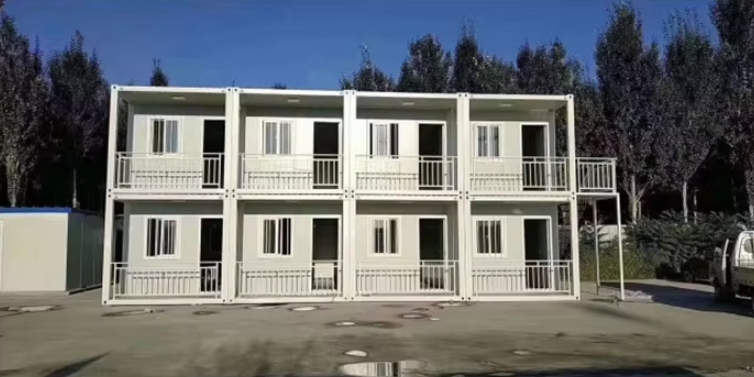
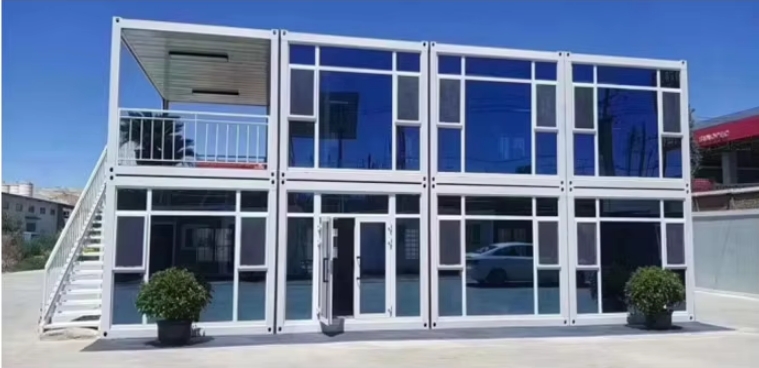
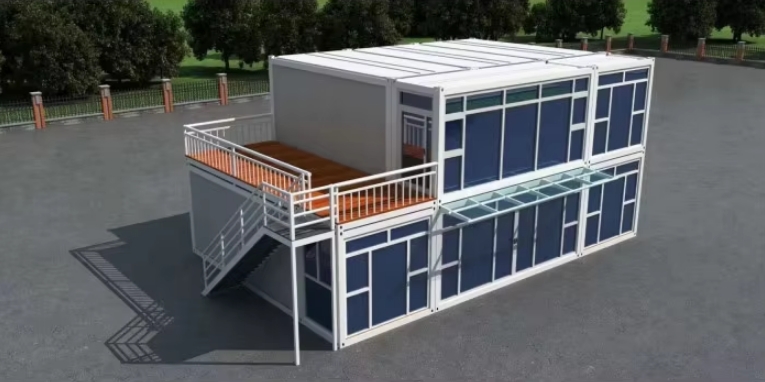
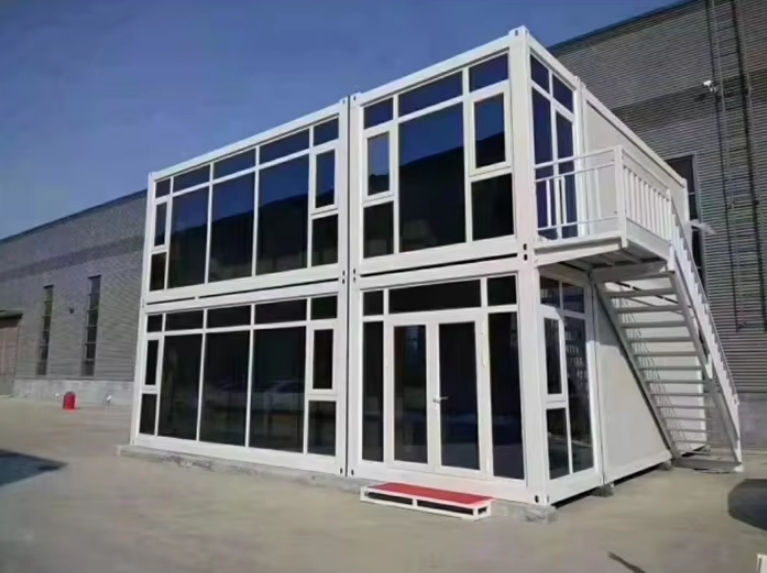
- Multi-Container Homes: Combine two or more containers side by side or stack them vertically. This allows for separate rooms, like a bedroom, living area, and kitchen.
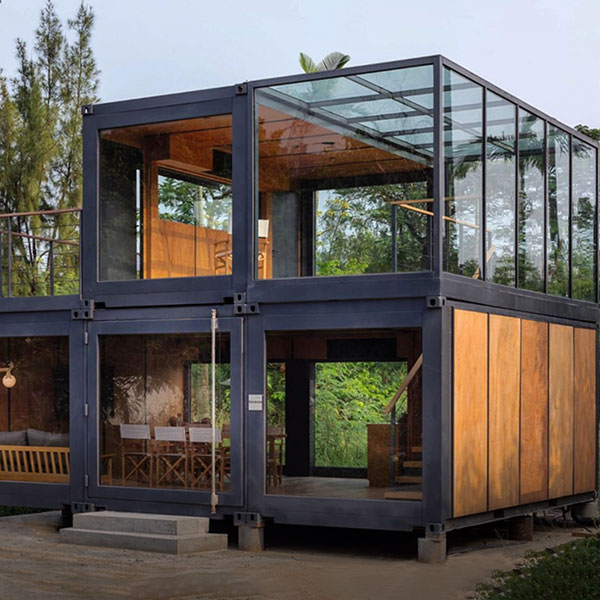
- Hybrid Designs: Mix containers with traditional building materials, like wood or glass, to create a unique aesthetic. For example, use containers for the main structure and add a wooden deck or glass walls for a modern touch.
It’s worth noting that container homes can feel cramped if not designed thoughtfully. Maximize space with built-in storage, foldable furniture, and large windows to create an open, airy feel.
3. Insulation and Climate Control
One of the biggest misconceptions about container houses is that they’re either too hot or too cold. The truth? With the right insulation, they can be just as comfortable as a traditional home.
Here are some insulation options to consider:
- Spray Foam: The most popular choice for container homes. It’s efficient, durable, and helps prevent condensation.
- Panel Insulation: Rigid foam panels are easy to install and provide excellent thermal resistance.
- Natural Insulation: Materials like wool, cork, or recycled denim are eco-friendly options that work well in milder climates.
Don’t forget about ventilation! Proper airflow is key to preventing moisture buildup and maintaining a comfortable indoor temperature. Consider adding skylights, vents, or even a small HVAC system.
The Challenges of Container Living
While container houses offer plenty of benefits, they’re not without their challenges. Before you take the plunge, it’s important to weigh the pros and cons. Here’s what you need to know.
1. Zoning and Building Codes
This is where things can get tricky. Not all areas allow container homes, and building codes vary widely from place to place. Some cities have embraced the trend, while others have strict regulations that make it difficult to get approval.
Before you buy a container, check with your local zoning office to see what’s allowed. You may need to jump through hoops like obtaining permits, hiring an architect, or even proving that your home meets certain safety standards. It’s a hassle, but it’s better than facing fines or being forced to tear down your dream home.
2. Limited Space
Let’s face it—container homes aren’t for everyone. If you’re used to a sprawling suburban house, adjusting to a smaller space can be a challenge. Storage is often limited, and you’ll need to get creative with organization.
That said, many people find that downsizing is liberating. Less space means less clutter, less cleaning, and more time to focus on what really matters. It’s all about perspective.
3. Potential Health Concerns
Used shipping containers may have been exposed to harmful chemicals, like pesticides or industrial residues, during their previous life. If you’re buying a used container, make sure it’s been properly cleaned and treated. Look for containers labeled "food-grade" or "cargo-worthy," as these are less likely to have hazardous materials.
Additionally, metal conducts heat and cold, so poor insulation can lead to condensation and mold. Proper insulation and ventilation are non-negotiable if you want a healthy living environment.
---Real-Life Container House Examples
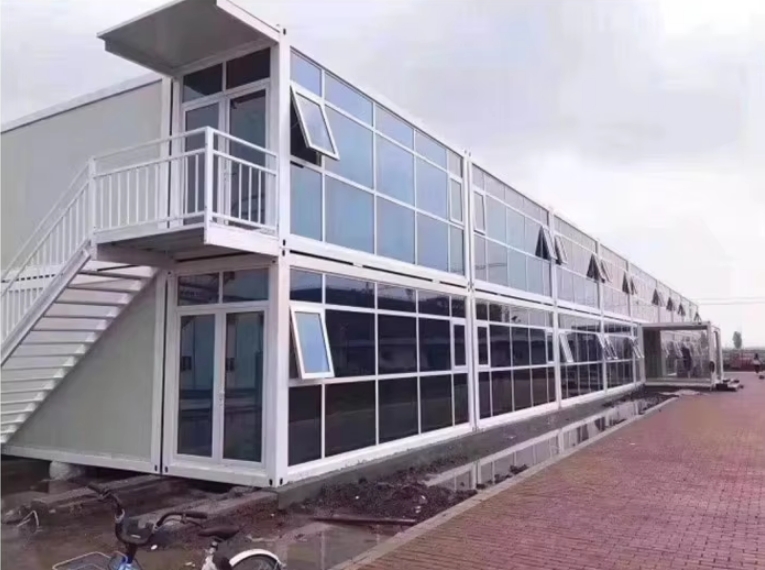
Still on the fence? Sometimes, seeing is believing. Here are a few real-life container houses that prove just how stylish and functional these homes can be.
1. The "WFH" Container Home
With remote work becoming the new norm, many people are looking for homes that double as offices. This 40-foot container home in California features a spacious workspace, a cozy bedroom, and even a small outdoor patio. Large windows flood the space with natural light, making it the perfect place to work and relax.
2. The Off-Grid Retreat
For those who love the idea of living off the grid, this container home in Colorado is a dream come true. Powered by solar panels and equipped with a rainwater collection system, it’s completely self-sufficient. The interior is minimalist yet warm, with reclaimed wood accents and a wood-burning stove for cozy winter nights.
3. The Multi-Container Mansion
Who says container homes have to be small? This stunning home in Texas combines six shipping containers to create a sprawling 2,400-square-foot residence. With multiple bedrooms, a gourmet kitchen, and a rooftop deck, it’s proof that container living can be luxurious.
Is a Container House Right for You?
By now, you’ve probably got a good sense of whether a container house aligns with your lifestyle and goals. But before you make a decision, ask yourself these questions:
- Do I value sustainability and affordability? If the answer is yes, a container house could be a great fit.
- Am I comfortable with a smaller living space? If you’re not ready to downsize, this might not be the right choice.
- Do I have the time and patience to navigate zoning laws? If bureaucracy isn’t your thing, you might want to explore other options.
- Am I open to unconventional living? Container houses are unique, and not everyone is ready for that kind of attention.
If you answered yes to most of these questions, congratulations—you might just be a container house convert! The next step is to start planning your design, finding a reputable builder, and turning your vision into reality.
Many experts agree that container houses are more than just a passing trend. They’re a practical, sustainable, and creative solution to the housing challenges of the 21st century. And who knows? Maybe your future home is just a shipping container away.
For more detailed information, please visit our official website:container house
---About the author: Emily Carter is a sustainable living advocate and architectural designer with over a decade of experience in modular and eco-friendly housing. Passionate about innovative design, Emily has helped countless individuals and families transform shipping containers into stylish, functional homes. When she’s not drafting floor plans or writing about sustainable living, you can find her hiking in the Pacific Northwest or experimenting with off-grid cooking. Follow her journey on her blog, *Green Spaces*, where she shares tips, tutorials, and inspiration for a greener lifestyle.