Container Homes: The Future of Sustainable and Affordable Living
Have you ever looked at a hulking shipping container and thought, "That could be a house"? Well, frankly speaking, many people have, and it's not just a fleeting thought anymore. Container homes are rapidly moving from a niche concept to a mainstream housing solution, offering a compelling blend of affordability, sustainability, and unique architectural possibilities. In my experience, the appeal of these structures lies in their inherent strength, modularity, and the eco-friendly aspect of repurposing materials that would otherwise contribute to waste.
The Rise of Container Homes: Why Now?
The concept of using shipping containers for housing isn't entirely new, but its recent surge in popularity is driven by several converging factors. The global housing crisis, coupled with a growing desire for sustainable living, has pushed innovators and homeowners alike to explore alternative building methods. Container homes tick many of these boxes. They are constructed from robust steel, designed to withstand harsh oceanic conditions, meaning they are inherently durable and long-lasting. Furthermore, the modular nature of containers allows for rapid construction, significantly reducing build times compared to traditional homes.
It's worth noting that the initial idea was born out of necessity and ingenuity. As trade increased and more containers became available, resourceful individuals saw an opportunity to give these giants a second life. This repurposing aspect is a huge draw for environmentally conscious individuals. Instead of contributing to landfill, these steel boxes become the foundation for a new dwelling.
From Cargo to Cozy: The Transformation Process
The journey from a functional shipping container to a habitable home is fascinating. It involves more than just welding a few walls together. The process typically begins with sourcing suitable containers. These can be new (one-trip) or used, with the latter often being more affordable but requiring more thorough inspection and potential refurbishment.
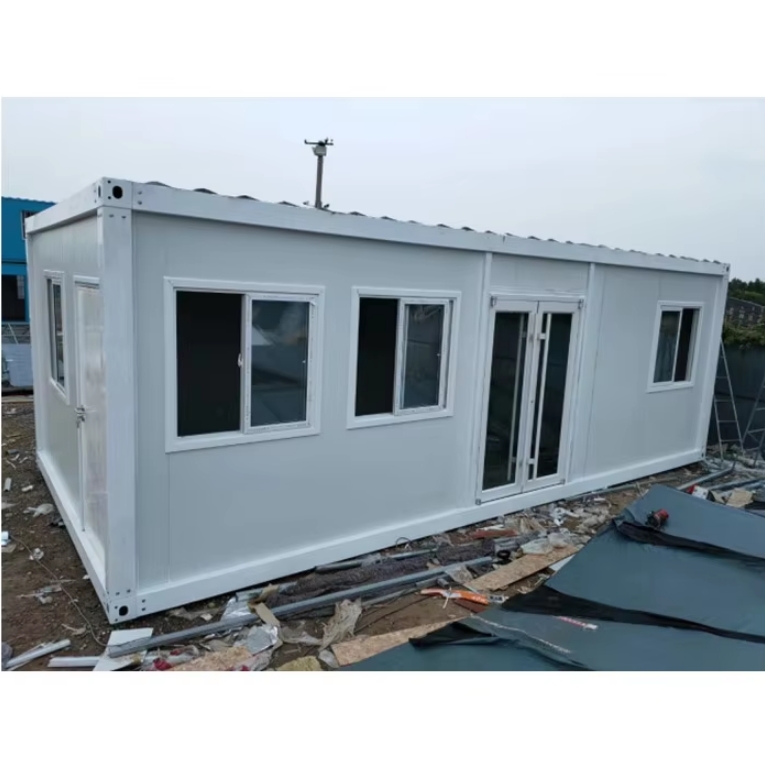
Once acquired, the containers undergo significant modifications. This includes cutting openings for doors and windows, reinforcing the structure where necessary, and adding insulation. Insulation is absolutely critical; steel can be a poor insulator, so proper thermal and acoustic insulation is paramount to ensure comfort and energy efficiency. Many experts agree that investing in high-quality insulation is one of the most important steps in building a comfortable container home.
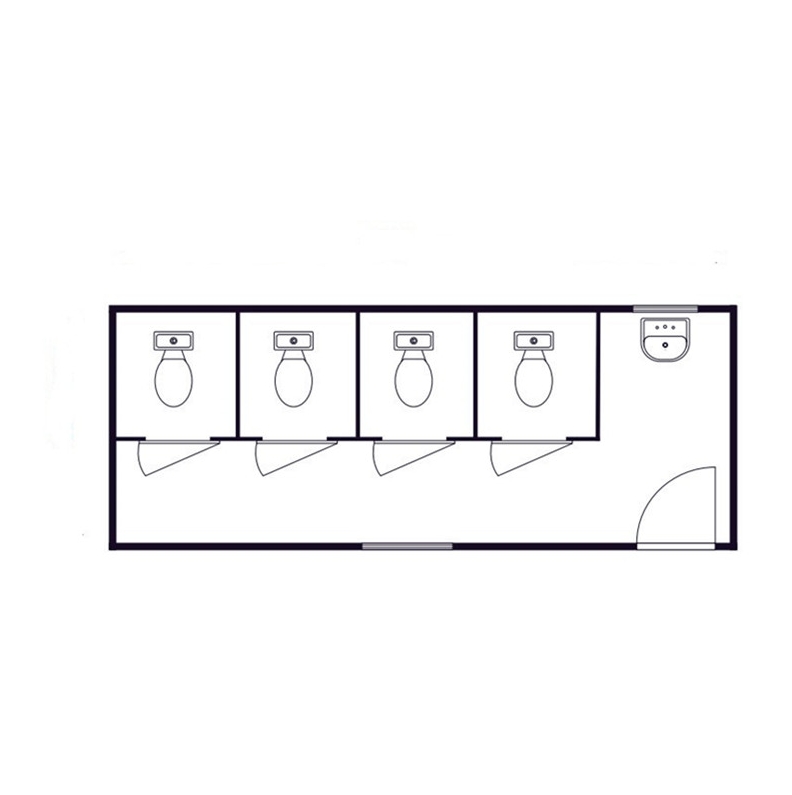
Following insulation, the interior is fitted out with plumbing, electrical systems, and finishes. This is where the personalization truly begins. From minimalist aesthetics to luxurious interiors, the possibilities are vast. Many designs incorporate the industrial feel of the containers, while others completely conceal the original structure, creating a more conventional look.
The Advantages of Living in a Container Home
The allure of container homes extends far beyond their novelty. They offer a tangible set of benefits that are increasingly relevant in today's world.
Affordability: A Major Drawcard
One of the most significant advantages of container homes is their potential for affordability. While prices can vary wildly depending on customization, location, and the number of containers used, they often present a more budget-friendly option than traditional brick-and-mortar constructions. The cost of the container itself is relatively low, and the reduced labor and construction time can further contribute to savings. This makes them an attractive option for first-time homebuyers, those looking for a vacation home, or individuals seeking to downsize.
Sustainability: Building Green
As mentioned, the eco-friendly aspect is a huge selling point. Repurposing shipping containers diverts them from scrapyards and reduces the demand for new building materials, thereby lowering the carbon footprint associated with construction. Many container home builders also integrate other sustainable features, such as solar panels, rainwater harvesting systems, and energy-efficient appliances, further enhancing their environmental credentials. This commitment to sustainable building practices resonates deeply with a growing segment of the population.
Durability and Strength: Built to Last
These are not flimsy structures. Shipping containers are engineered to withstand extreme weather conditions, including high winds, heavy rain, and corrosive salt spray. Their steel construction provides inherent strength and security. When properly modified and maintained, a container home can be incredibly durable and long-lasting, offering peace of mind to its inhabitants.
Speed of Construction: Faster Than You Think
The modular nature of containers allows for significantly faster construction times. Once the foundation is laid and the containers are delivered, the assembly process can be remarkably swift. This speed is a welcome change for many who are tired of lengthy, drawn-out traditional building projects.

Designing Your Dream Container Home
The design possibilities for container homes are surprisingly diverse. While the basic rectangular shape of a container might seem limiting, creative architects and designers have found ingenious ways to overcome this.
Modular Design and Expansion
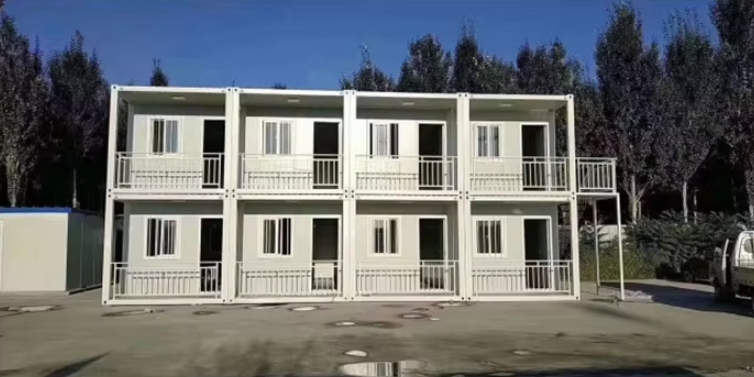
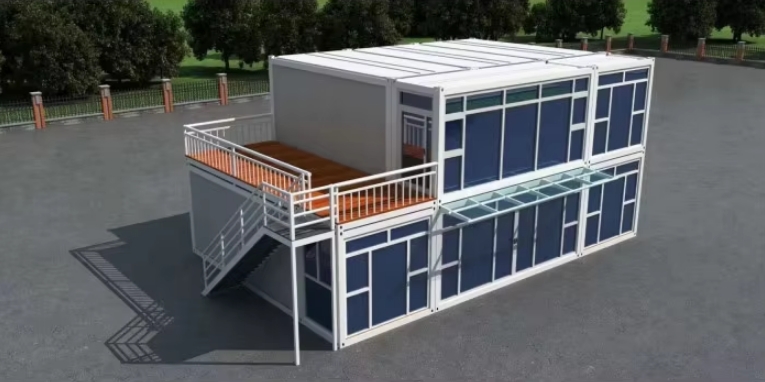
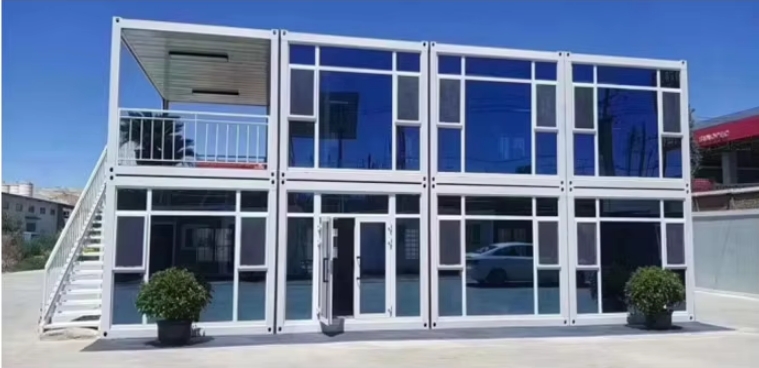
One of the most exciting aspects is the modularity. You can start with a single container and expand by adding more units horizontally or vertically. This allows for flexible designs that can grow with your needs. Stacking containers can create multi-story homes, while placing them side-by-side can create wider living spaces. The result can be anything from a compact studio to a spacious family residence.
Aesthetic Versatility
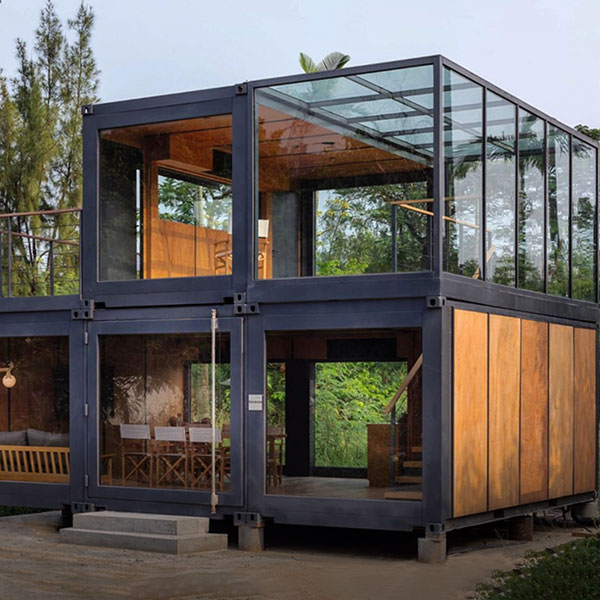
To be honest, the "industrial" look isn't for everyone. However, the exterior and interior of container homes can be completely transformed. Cladding can be added to give a more traditional appearance, while large windows and doors can be incorporated to maximize natural light and views. Inside, finishes can range from exposed steel and concrete for an urban loft feel to warm wood and plaster for a cozier, more conventional ambiance.
Incorporating Unique Features
Container homes lend themselves well to innovative features. Rooftop decks, integrated garden spaces, and large sliding glass doors that open up living areas to the outdoors are just a few examples. The inherent strength of the steel structure can also support features that might be more challenging or expensive in conventional builds.
Challenges and Considerations
While the advantages are compelling, it's crucial to approach container home construction with a clear understanding of potential challenges.
Zoning Laws and Building Codes
This is perhaps the biggest hurdle for many aspiring container home owners. Zoning regulations and building codes can be complex and vary significantly by location. Some municipalities may not have specific codes for container homes, making it difficult to obtain permits. It's essential to research local regulations thoroughly before embarking on a project. Many experts agree that early consultation with local planning departments is key.
Insulation and Climate Control
As touched upon earlier, proper insulation is non-negotiable. Without it, your container home can become an oven in the summer and an icebox in the winter. The cost and effectiveness of insulation solutions should be a primary consideration. Furthermore, ventilation is crucial to prevent condensation and mold.
Foundation and Site Preparation
While containers are strong, they still require a stable foundation. This could range from concrete piers to a full slab. Site preparation, including grading and utility hookups, is also a significant part of the overall cost and planning.
Financing and Insurance
Securing financing and insurance for unconventional homes can sometimes be more challenging than for traditional houses. Lenders and insurance companies may require more documentation or have specific requirements. It's advisable to speak with financial institutions and insurance providers early in the process.
The Future of Container Living
Looking ahead, it's clear that container homes are more than just a trend; they represent a significant shift in how we think about housing. The combination of affordability, sustainability, and design flexibility makes them an increasingly attractive option for a wide range of people. As technology advances and building codes adapt, we can expect to see even more innovative and beautiful container homes emerge.
Whether you're looking for a minimalist eco-friendly dwelling, a unique vacation retreat, or a cost-effective primary residence, exploring the world of container homes is a worthwhile endeavor. Have you ever considered living in a home made from a shipping container? The possibilities are truly inspiring.
For more detailed information, please visit our official website:container homes
About the author: Alex Chen is a seasoned architectural designer with a passion for sustainable and innovative housing solutions. With over a decade of experience, Alex has specialized in the unique challenges and opportunities presented by modular construction, including the burgeoning field of container homes. Their insights are drawn from hands-on project experience and a deep understanding of modern architectural trends.