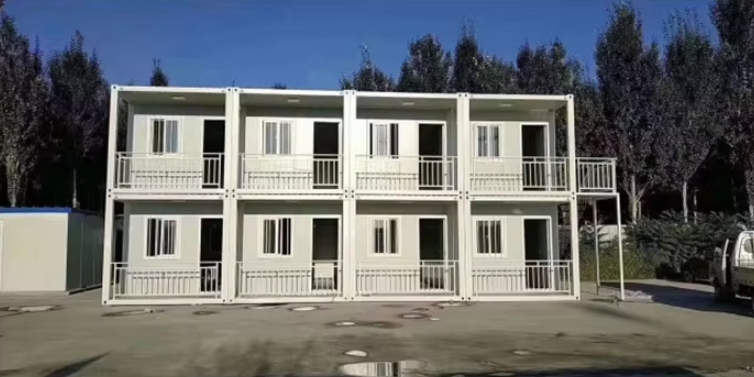
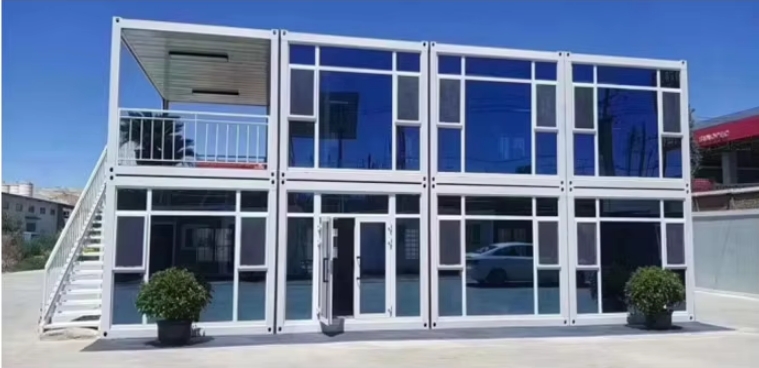
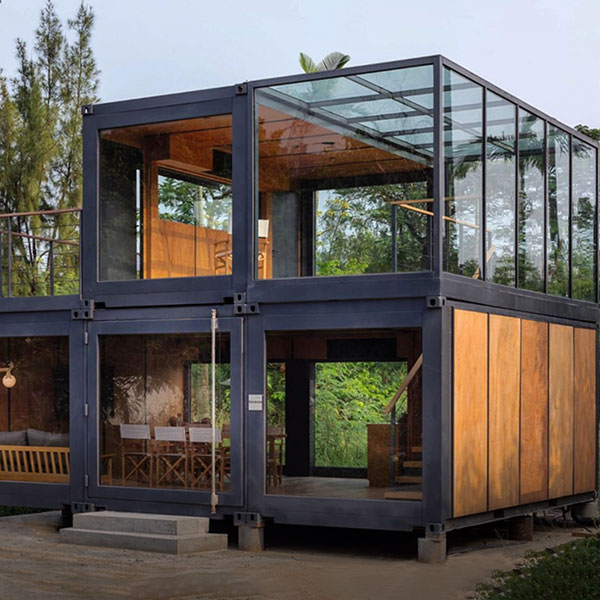
Modular Homes & Energy Efficiency in 2025: The Ultimate Standards Comparison
The world of home construction is changing, and frankly, it's about time. For decades, the image of a new home being built involved battling the elements, with materials exposed to rain, snow, and sun. But a quieter revolution has been gaining steam: modular construction. These homes, built in climate-controlled factories, are not just transforming building speed and quality; they're setting new benchmarks for energy efficiency. As we look towards 2025, the standards governing this efficiency are getting a major update. Have you ever wondered if a factory-built home could actually be *more* energy-efficient than a traditional one? The answer might surprise you.
This article serves as your definitive guide, providing a comprehensive Modular homes energy efficiency standards comparison 2025. We'll break down the codes, demystify the certifications, and show you why the future of sustainable living is being assembled on a factory line.
Understanding the Foundation: What Are Modular Home Energy Standards?
Before we dive into the future, it's crucial to understand the present landscape. A common misconception is that modular homes are built to a lesser standard than their site-built counterparts. To be honest, the opposite is often true. They are built to the exact same state and local building codes, but with a level of precision that's hard to match in the field.
What's the Difference? Building Codes vs. Energy Standards
First, let's clear up a key distinction. Building codes, like the International Residential Code (IRC), are the mandatory rules for construction. They cover everything from structural integrity to plumbing and electrical systems. Energy standards, like the International Energy Conservation Code (IECC), are often adopted *as part of* the overall building code. They set the minimum requirements for things like insulation, window performance, and air leakage.
However, there are also voluntary, above-code programs that push the boundaries of efficiency. These aren't mandatory, but they represent the gold standard for homeowners looking to minimize their energy bills and environmental impact. This is where things get interesting for modular homes.
The Key Players: IECC, ENERGY STAR, and Beyond
When we talk about energy efficiency, a few key names dominate the conversation:
- International Energy Conservation Code (IECC): This is the baseline model energy code used by most states and municipalities in the U.S. It gets updated every three years, with each new version generally becoming stricter. The 2021 and forthcoming 2024 versions are setting the stage for the 2025 standards we'll see adopted.
- ENERGY STAR® for Homes: This is a voluntary program from the U.S. Environmental Protection Agency (EPA). To earn the ENERGY STAR label, a home must be at least 10% more efficient than a home built to the base code and undergo rigorous third-party inspections and testing.
- Zero Energy Ready Home (ZERH): A U.S. Department of Energy program, this is another high-performance standard. A ZERH is so efficient that a small renewable energy system (like rooftop solar panels) can offset all or most of its annual energy consumption.
Many experts agree that modular construction is uniquely positioned to meet and even exceed these increasingly stringent standards due to the quality control inherent in the factory-building process.
The 2025 Shift: What's New and Why It Matters
The year 2025 represents a significant turning point for home energy efficiency. Building codes are catching up with technology, and consumer demand for sustainable, low-cost living is at an all-time high. This shift is driven by several key updates that will directly impact how modular homes are designed and built.
The Evolution of the IECC and State Codes
The latest versions of the IECC are pushing for a much tighter thermal envelope—the physical barrier between the conditioned interior of the home and the outside environment. For 2025, this means:
- Higher Insulation Requirements: Expect increased R-values (a measure of thermal resistance) for walls, ceilings, and floors.
- Stricter Air Sealing: The focus on preventing air leakage is more intense than ever. Homes will be required to meet lower Air Changes per Hour (ACH) targets, verified by a mandatory blower door test.
- Better Windows: Window technology has come a long way. The new codes demand lower U-factors (measuring heat transfer) and specific Solar Heat Gain Coefficients (SHGC) tailored to the climate zone.
Interestingly enough, these are all areas where modular factories already excel. They can easily integrate advanced framing techniques and apply sealants with a level of consistency that is challenging to achieve on an open-air construction site.

ENERGY STAR NextGen™: The New Benchmark for 2025
The EPA is raising the bar with its new ENERGY STAR NextGen™ Certified Homes program. This is a game-changer. So, what are the latest energy star ratings for modular homes aiming for the top tier? They're aiming for NextGen. To qualify, a home must first meet all the requirements of a standard ENERGY STAR home and then add a suite of advanced electric systems:
- High-Efficiency Heat Pump HVAC: For super-efficient heating and cooling.
- Heat Pump Water Heater: A far more efficient way to heat water than traditional tanks.
- EV-Ready Charging: The infrastructure (conduit and dedicated circuit) for a future electric vehicle charger must be installed.
This program is a clear signal that the future of home energy is electric. It's designed to create homes that are not only efficient but also resilient and ready for the clean energy transition.
The Rise of Net-Zero Modular Home Regulations
While not yet a widespread mandate, the push for net-zero modular home regulations is gaining momentum in certain states and municipalities. A "net-zero" home produces as much renewable energy as it consumes over a year. Modular builders are at the forefront of this movement, offering "Net-Zero Ready" packages that include ultra-high levels of insulation, triple-pane windows, and all the efficiency measures of a ZERH, making it simple for the homeowner to add solar panels and achieve net-zero status.
A Head-to-Head Modular Homes Energy Efficiency Standards Comparison 2025
Let's get down to the specifics. How do these different standards stack up against each other? Seeing the numbers side-by-side reveals a clear progression from "good" to "best-in-class." The following comparisons are typical for a mixed-climate zone, but exact requirements will vary by location.
Insulation & Air Sealing: The Core of Comfort
The building envelope is your first line of defense against the elements. In my experience, getting this right is 80% of the battle for an efficient home.
- Code-Minimum (2025): You might see R-20 walls, R-49 ceilings, and an air leakage rate of 3.0 ACH50 (Air Changes per Hour at 50 Pascals). This is a solid baseline.
- ENERGY STAR Certified: This standard demands more. It often requires advanced framing techniques to fit more insulation (e.g., R-23 walls), R-60 ceilings, and a much tighter building envelope, often below 2.0 ACH50. The focus is on a complete thermal and air barrier system.
- Net-Zero Ready: Here, we're talking about maximum performance. This could mean double-stud walls with R-40 of insulation, R-80 ceilings, and an incredibly low air leakage rate, often at or below 1.0 ACH50.
Windows and Doors: Portals of Performance
Windows have historically been a major source of energy loss, but modern technology has changed that. The key metrics are U-factor (lower is better for preventing heat loss) and SHGC (Solar Heat Gain Coefficient), which is adjusted for climate.
- Code-Minimum (2025): Typically requires double-pane windows with a U-factor around 0.30.
- ENERGY STAR Certified: Mandates higher-performance windows specific to the climate zone, often with U-factors of 0.27 or lower.
- Net-Zero Ready: Almost always specifies triple-pane windows, pushing U-factors down to 0.20 or even lower. These windows provide superior comfort and soundproofing in addition to energy savings.
HVAC and Water Heating: The All-Electric Future
This is where the most dramatic shifts are happening. The move away from fossil fuels in the home is accelerating.
- Code-Minimum (2025): Allows for standard-efficiency gas furnaces or air conditioners.
- ENERGY STAR Certified: Requires high-efficiency equipment, but still allows for gas appliances.
- ENERGY STAR NextGen™ / Net-Zero Ready: This is the all-electric tier. It mandates high-efficiency cold-climate heat pumps for heating and cooling and a heat pump water heater. These systems are 3-4 times more efficient than their combustion or electric-resistance counterparts.
The Modular Advantage: Why Factory-Built Homes Excel at Efficiency
It's one thing to have high standards, but it's another thing to meet them consistently. This is where the modular construction process provides a distinct and powerful advantage.
Precision Engineering and Quality Control
In a factory, every component of a home is built in a controlled environment. Jigs and advanced machinery ensure that every cut is precise and every joint is tight. Wall panels, floor systems, and roof trusses are assembled perfectly square and true. This precision minimizes gaps and cracks, creating an inherently tighter building envelope before the first bit of sealant is even applied.
Reduced Waste, Tighter Construction
The assembly-line process is incredibly efficient. Materials are optimized by computer programs to reduce waste, and sealants are applied at specific, controlled temperatures for optimal adhesion. Furthermore, multiple layers of inspection occur at every stage of construction, something that's much harder to coordinate on a traditional job site. This constant oversight ensures that the intended energy-saving details are executed flawlessly.
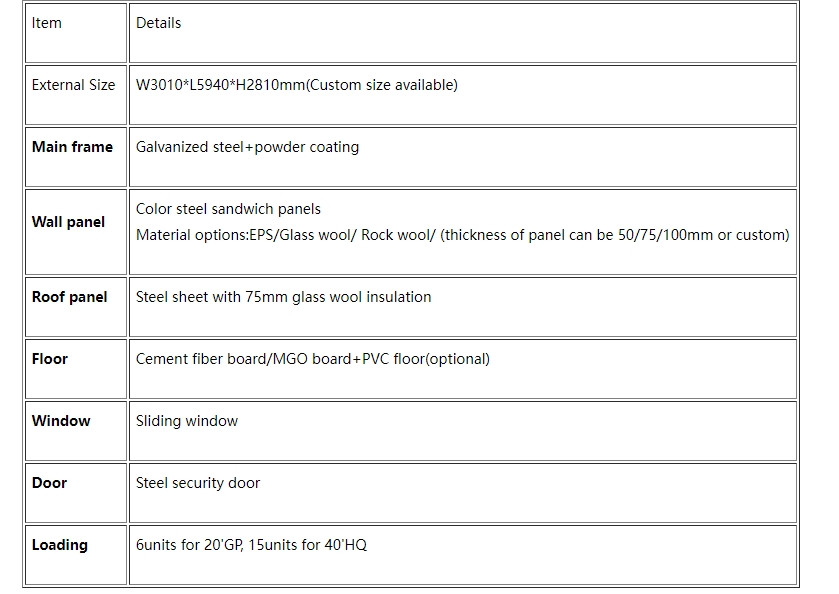
Cost-Effectiveness of High-Performance Features
Want triple-pane windows or exterior rigid foam insulation? For a site builder, these can be special-order items that come with a hefty price tag. Modular manufacturers, however, can purchase these high-performance materials in bulk, significantly reducing the cost. They can then pass those savings on to the homebuyer, making superior energy efficiency more accessible and affordable.
What This Means for You: Choosing Your 2025 Modular Home
Armed with this knowledge, you are now in a much better position to make an informed decision. As you explore your options for a new modular home, here’s how to put this information into practice.
Reading the Fine Print: How to Verify a Home's Certification
Don't just take a builder's word for it. Ask for the documentation. A truly energy-efficient home will come with a certificate and a label, usually found on the electrical panel. Look for the blue ENERGY STAR logo or the DOE's Zero Energy Ready Home certificate. Most importantly, ask for the HERS® Index Score. The Home Energy Rating System (HERS) is like a miles-per-gallon rating for your house. A standard new home built to code scores 100. An ENERGY STAR home will typically score in the 50s or 60s, while a Net-Zero Ready home might score in the 30s or 40s (before renewables). Remember, the lower the score, the better.
The Long-Term ROI: Beyond the Upfront Cost
It's worth noting that a home built to a higher energy standard might have a slightly higher initial cost. However, the return on investment is multifaceted. When you start comparing modular vs traditional home energy costs over the life of a mortgage, the efficient home wins every time. You’ll see immediate and substantial savings on your monthly utility bills. But the benefits don't stop there. You'll also enjoy:
- Enhanced Comfort: A well-insulated, airtight home has fewer drafts and more consistent temperatures year-round.
- Healthier Indoor Air Quality: Tightly sealed homes require mechanical ventilation, which provides a constant supply of fresh, filtered air, reducing allergens and pollutants.
- Higher Resale Value: As energy costs continue to rise, homes with certified low energy consumption are becoming increasingly desirable on the market.
The final takeaway from this Modular homes energy efficiency standards comparison 2025 is clear: the bar is being raised, and the modular industry is not just ready to meet it—it's poised to lead the way. By prioritizing homes built to these higher standards, you're not just investing in a house; you're investing in a smarter, more sustainable, and more comfortable future.
For more detailed information, please visit our official website:Modular homes energy efficiency standards comparison 2025
About the author: Alex Chen is a sustainable building consultant and writer with over 15 years of experience in high-performance residential construction. He specializes in helping homeowners navigate the complexities of energy codes and green building certifications. Alex is passionate about the potential of modular construction to deliver healthier, more efficient, and affordable housing for everyone. When he's not analyzing HERS ratings, he enjoys hiking and exploring passive house designs.