Unlock Your Dream Home: Mastering Container House Custom Configurations
# Unlock Your Dream Home: Mastering Container House Custom Configurations
The world of housing is rapidly evolving, and shipping container homes are at the forefront of this revolution. Gone are the days when these industrial workhorses were solely for transporting goods. Today, they represent a versatile, sustainable, and surprisingly stylish foundation for a truly personalized dwelling. If you're considering a unique living space, diving into container house custom configurations is an exciting journey. Frankly speaking, the level of personalization available is astonishing, allowing you to craft a home that perfectly reflects your lifestyle and aesthetic.
## Why Choose Container Homes for Customization?
The inherent modularity of shipping containers makes them ideal for custom builds. They come in standardized sizes (typically 20ft and 40ft), which simplifies design and construction. This standardization, however, doesn't limit your creativity. Instead, it provides a predictable framework upon which you can build almost anything.
Interestly enough, the primary appeal lies in their affordability and sustainability. Repurposing used shipping containers diverts waste from landfills, giving them a second life as a beautiful and functional home. This eco-conscious aspect is a major draw for many homeowners. Furthermore, the construction process is often faster than traditional building methods, translating into significant cost savings. But beyond these practicalities, it's the sheer potential for bespoke container architecture that truly sets them apart.
### The Flexibility of Modular Design
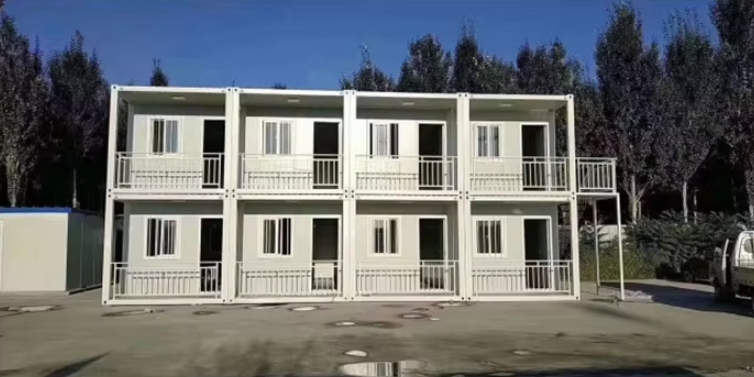
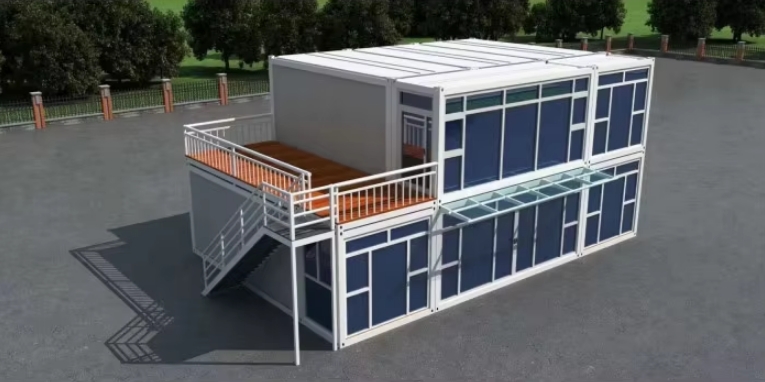
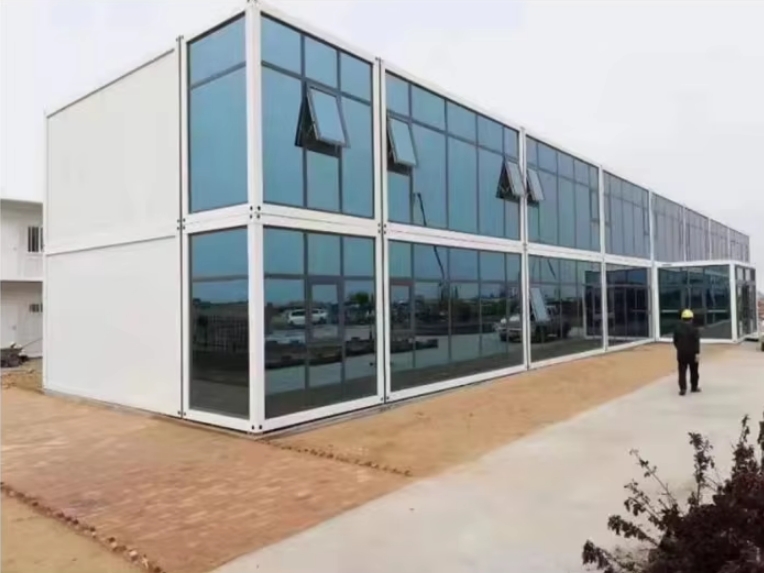
One of the most significant advantages of container homes is their inherent modularity. You can combine multiple containers to create larger living spaces, stacking them vertically or arranging them horizontally. This allows for a wide range of layouts, from cozy studios to expansive multi-bedroom residences.
* Single Container Homes: Perfect for minimalist living, studios, or guest houses. * Double Container Homes: Offering more space, these can be arranged side-by-side or end-to-end for increased living area. * Multi-Container Structures: The possibilities are nearly endless, allowing for complex designs with multiple levels, courtyards, and specialized rooms.
This flexibility means you're not confined by traditional building limitations. You can design a home that flows organically with your needs, incorporating unique features that might be prohibitively expensive in conventional construction.
## Navigating Container House Custom Configurations: Key Considerations
When embarking on your container house custom configurations project, several key factors will shape your design and overall experience. It's crucial to approach these with a clear vision and a willingness to explore options.
### Layout and Space Planning
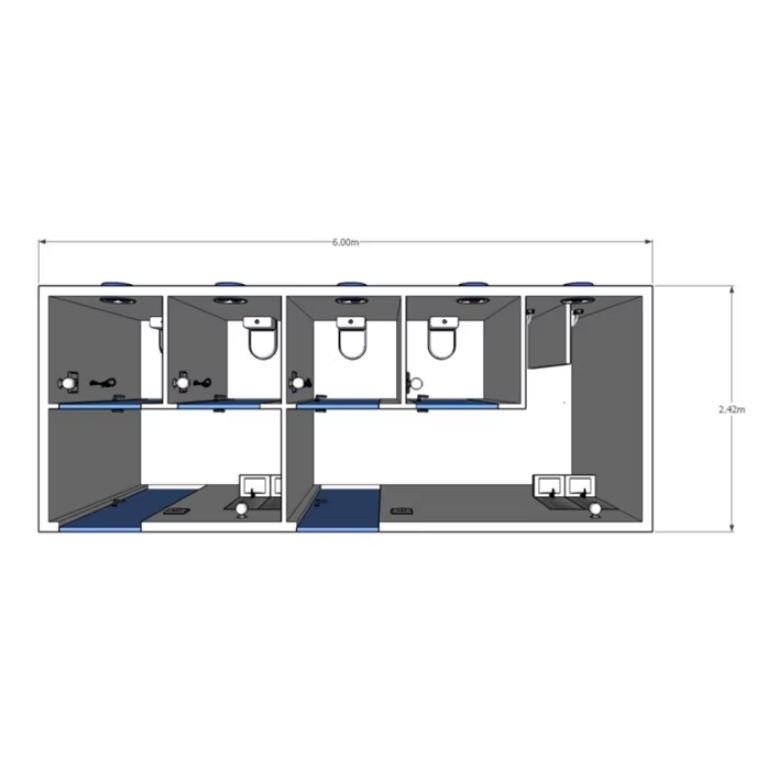
The first step is to envision how you want to live in your space. How many bedrooms and bathrooms do you need? Do you require a dedicated home office, a spacious kitchen, or an open-plan living area? Container homes, while modular, still require thoughtful space planning to ensure functionality and comfort.
Consider the flow between rooms. In my experience, placing the kitchen and living areas in close proximity often creates a more inviting atmosphere. For smaller container homes, multi-functional furniture and clever storage solutions are paramount. Think about sliding doors, built-in shelving, and convertible furniture pieces.
### Window and Door Placement
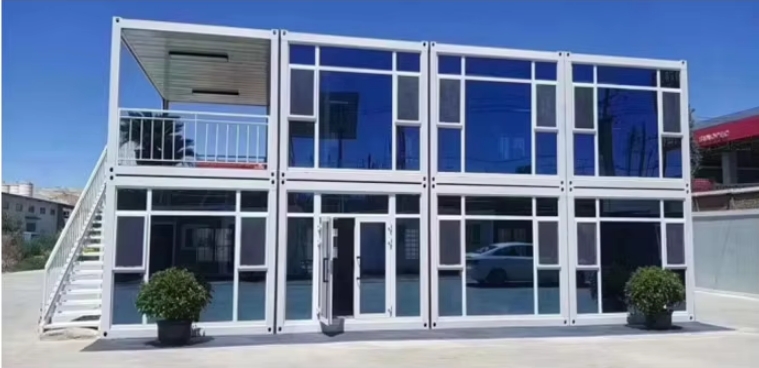
Windows and doors are critical not only for aesthetics but also for natural light, ventilation, and views. In container homes, strategically placed openings can dramatically transform the perception of space. Large sliding glass doors can blur the lines between indoor and outdoor living, while strategically positioned windows can frame specific vistas.
It's worth noting that cutting large openings in container walls requires reinforcement to maintain structural integrity. This is where professional design and construction expertise becomes invaluable. A well-placed window can bring in ample natural light, reducing the need for artificial lighting and enhancing the overall ambiance.
### Insulation and Climate Control
This is a non-negotiable aspect of any container home build. Shipping containers are made of steel, which can be a conductor of heat and cold. Proper insulation is essential for comfort and energy efficiency. There are various insulation methods, each with its pros and cons:
* Spray Foam Insulation: Offers excellent thermal resistance and creates an airtight seal. It's a popular choice for its effectiveness. * Rigid Foam Boards: Can be applied to the interior or exterior walls, providing a good R-value. * Batt Insulation: Similar to traditional home insulation, it can be installed between interior framing.
The climate you live in will heavily influence your insulation choices. In hotter climates, reflective roofing and lighter exterior colors can also help mitigate heat gain. Conversely, in colder regions, a robust insulation system is paramount to keeping your home warm and cozy.
### Exterior Finishes and Aesthetics
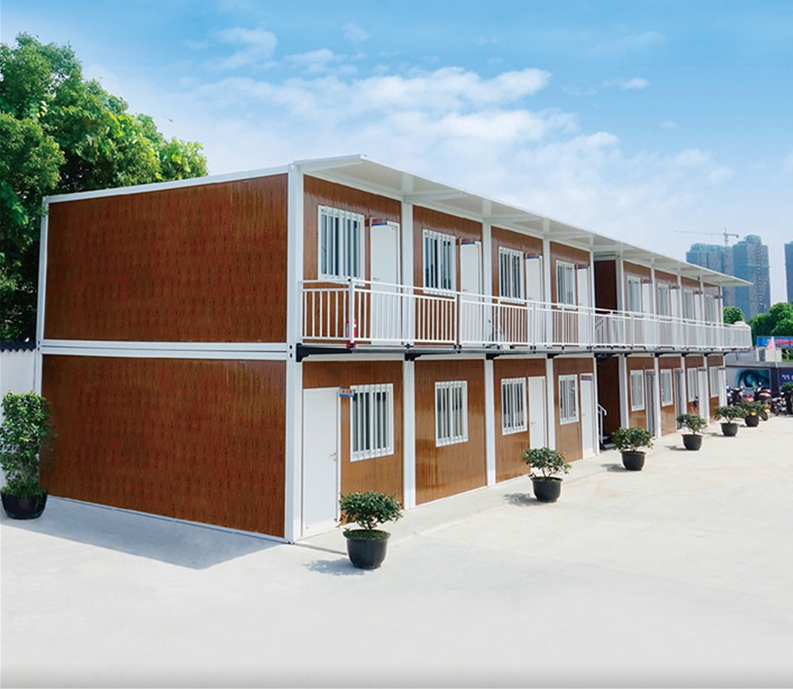
The exterior of your container home is where you can truly express your style. While the corrugated steel exterior is iconic, it's just a starting point. You can clad your container with a variety of materials to achieve different looks:
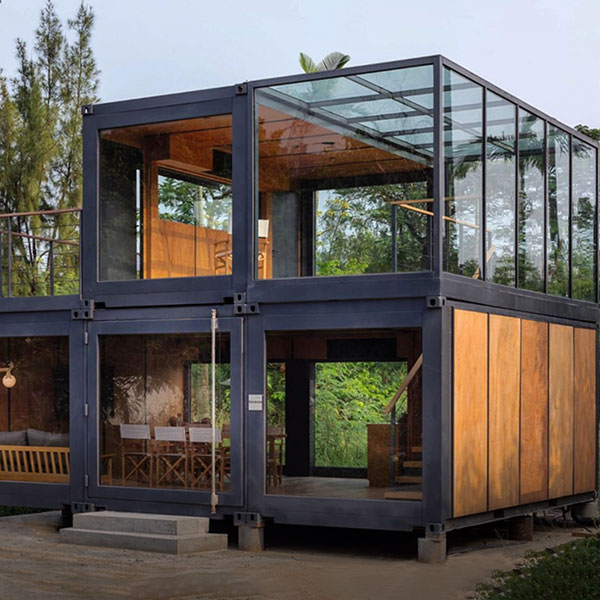
* Wood Paneling: Offers a warm, natural aesthetic and can be stained or painted. * Metal Siding: Provides a modern, industrial look that complements the container's origins. * Stucco or Render: Creates a more traditional, seamless finish. * Composite Materials: Durable and low-maintenance options are also available.
Don't underestimate the impact of color. A bold color can make a statement, while more muted tones can help the structure blend into its surroundings. The roofline can also be customized, with options for pitched roofs, flat roofs, or even green roofs, adding both aesthetic appeal and environmental benefits.
## Advanced Customization: Beyond the Basics
Once you've got the foundational elements of container house custom configurations sorted, you can delve into more advanced customization options that truly make your home unique.
### Interior Design and Finishes
The interior is where your personality shines. From flooring and wall finishes to cabinetry and fixtures, every detail can be tailored.
* Flooring: Options range from polished concrete (a natural fit for the industrial aesthetic) to hardwood, laminate, or tile. * Wall Finishes: Beyond drywall, consider exposed steel, wood accent walls, or custom paint techniques. * Kitchens and Bathrooms: These are prime areas for personalization. Think custom cabinetry, unique countertops, and stylish fixtures. Many experts agree that investing in quality kitchen and bathroom finishes significantly enhances the living experience.
Have you ever wondered how to maximize storage in a smaller footprint? Built-in solutions, clever nooks, and vertical storage are your best friends in container homes.
### Smart Home Technology Integration
Integrating smart home technology is becoming increasingly popular and is a fantastic way to enhance the functionality and comfort of your container home. This can include:
* Smart Thermostats: For efficient climate control. * Smart Lighting: Allowing for mood setting and energy savings. * Security Systems: Providing peace of mind. * Automated Blinds and Shades: For convenience and light management.
The wiring for these systems can often be integrated during the construction phase, making for a cleaner and more seamless installation.
### Off-Grid Capabilities and Sustainability Features
For those seeking ultimate self-sufficiency, personalized shipping container homes can be designed with off-grid capabilities. This might include:
* Solar Panel Systems: To generate your own electricity. * Rainwater Harvesting Systems: For water supply. * Composting Toilets: Reducing water usage and waste. * Greywater Recycling: Reusing water from sinks and showers for irrigation.
These features not only reduce your environmental footprint but can also lead to significant long-term cost savings on utilities.
## The Process of Designing Your Custom Container Home
Embarking on a custom container home project can seem daunting, but breaking it down into manageable steps makes it far more approachable.
### Step 1: Vision and Budgeting
Start by clearly defining your needs, desires, and, crucially, your budget. How much space do you need? What is your desired aesthetic? What are your must-have features? Researching existing container home designs can provide inspiration.
### Step 2: Finding a Reputable Builder
This is perhaps the most critical step. Look for builders with experience in container home construction and a strong portfolio of custom builds. Ask for references and thoroughly vet their credentials. A good builder will guide you through the design and construction process, offering valuable insights and solutions.
### Step 3: Design and Planning
Work closely with your builder or an architect to translate your vision into detailed plans. This stage involves finalizing the layout, selecting materials, and addressing all technical aspects, including structural modifications, insulation, and utility connections. This is where the magic of flexible container living truly takes shape.
### Step 4: Permitting and Approvals
Container homes, like any other dwelling, require building permits and adherence to local zoning regulations. Your builder should be able to assist you with this often complex process.
### Step 5: Construction and Fabrication
This phase involves sourcing the containers, modifying them (cutting openings, reinforcing structures), and assembling the modules. Prefabrication in a controlled environment can lead to faster on-site assembly.
### Step 6: Site Preparation and Installation
Once the modules are ready, your site will need to be prepared with a foundation. The container modules are then transported and installed onto the foundation.
### Step 7: Finishing and Final Touches
This is where the interior and exterior finishes are applied, utilities are connected, and landscaping is completed. This is also where you'll see your modular container homes vision come to life.
## Frequently Asked Questions About Custom Container Homes
* Are container homes legal everywhere? Legality varies by region and municipality. It's essential to research local building codes and zoning laws. * How long do container homes last? With proper maintenance and construction, a container home can last as long as a traditional home, often 50-100 years or more. * What is the average cost of a custom container home? Costs vary widely based on size, complexity, finishes, and location. However, they are generally more affordable than traditional custom-built homes.
Designing and building a custom container home is an incredibly rewarding experience. It offers a unique opportunity to create a living space that is not only affordable and sustainable but also deeply personal. By carefully considering your needs and working with experienced professionals, you can unlock the full potential of container house custom configurations and build a home that truly stands out.
For more detailed information, please visit our official website:container house custom configurations
About the author: Alex Chen is a seasoned architect and advocate for sustainable building practices, with a particular passion for innovative modular construction. He has spent over a decade designing and overseeing the creation of unique residential and commercial spaces, specializing in the transformative potential of shipping container architecture. His expertise lies in blending modern aesthetics with eco-friendly solutions.