Apple Cabin Eco-Friendly Design: Harmonizing Nature with Sustainable Living
The allure of a cabin nestled amongst apple orchards, a place of tranquility and connection to nature, is undeniable. But what if this idyllic retreat could also be a beacon of sustainability? The concept of an apple cabin eco-friendly design is more than just a trend; it's a philosophy that blends the rustic charm of a cabin with cutting-edge green building practices. Frankly speaking, we're seeing a growing desire for homes that not only shelter us but also respect and integrate with the environment. This approach considers everything from the materials used to the energy consumed, aiming for a minimal ecological footprint. Have you ever wondered how to build a beautiful, functional space that actively contributes to a healthier planet? Let's dive into what makes an apple cabin truly eco-friendly.
The Foundation of Sustainability: Site Selection and Passive Design
Before a single beam is placed, the success of an apple cabin eco-friendly design hinges on thoughtful site selection and the implementation of passive design principles. Choosing the right location is paramount. Ideally, a site would offer natural advantages like ample sunlight for passive solar heating and potential for natural ventilation. Orienting the cabin correctly on the land is a fundamental step. In the Northern Hemisphere, this typically means positioning the longest side of the cabin towards the south to maximize solar gain during cooler months. Large, well-placed windows on the south-facing side can capture warmth, while smaller windows on the north can minimize heat loss.
Passive design also involves harnessing natural light to reduce the need for artificial lighting during the day. Overhangs and deciduous trees can be strategically placed to provide shade during the hot summer months, preventing overheating, while allowing sunlight to penetrate in winter. Natural ventilation is another key component. Designing for cross-breezes, perhaps with operable windows on opposite sides of the cabin, can significantly reduce reliance on air conditioning. It's worth noting that these passive strategies, when implemented correctly, can drastically cut down on energy consumption and associated costs, making the cabin more sustainable and comfortable year-round.
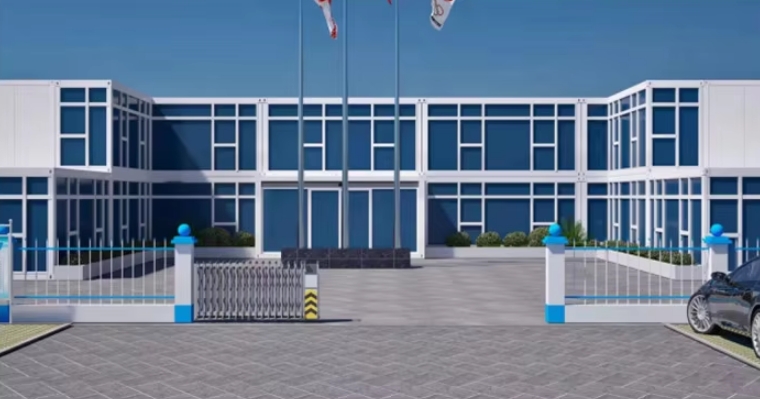
Materials Matter: Choosing Eco-Conscious Building Supplies
The materials we choose for our cabins have a profound impact on their environmental footprint. For an apple cabin eco-friendly design, prioritizing natural, renewable, and locally sourced materials is key. Timber, of course, is a natural fit for a cabin. Opting for sustainably harvested wood, such as FSC-certified lumber, ensures that forests are managed responsibly. Reclaimed wood can also be a fantastic option, adding character and history to the cabin while diverting waste from landfills.
Beyond wood, consider other natural insulation materials. Straw bales, for instance, offer excellent thermal performance and are a rapidly renewable resource. Sheep's wool, cork, and cellulose insulation (made from recycled paper) are also highly effective and have lower embodied energy compared to conventional insulation. For roofing, consider living roofs (green roofs) which provide insulation, manage stormwater runoff, and create habitat for local wildlife. Metal roofing, when made from recycled content, is also a durable and sustainable choice.
When it comes to finishes, natural plasters like clay or lime can create beautiful, breathable walls that help regulate indoor humidity. Low-VOC (Volatile Organic Compound) paints and finishes are also crucial for maintaining healthy indoor air quality. The goal is to select materials that are not only durable and aesthetically pleasing but also have a minimal impact on the environment throughout their lifecycle, from extraction to disposal. Many experts agree that a holistic approach to material selection is what truly defines an eco-friendly build.
Energy Efficiency and Renewable Power Sources
A truly eco-friendly cabin is one that minimizes its energy demands and, ideally, generates its own power. This is where active design strategies come into play, complementing the passive measures we've discussed. High-performance windows and doors with excellent U-values and airtightness are essential for preventing heat loss or gain. Proper insulation, as mentioned earlier, plays a critical role in reducing the energy needed for heating and cooling.
When it comes to heating and cooling, consider highly efficient systems. For smaller cabins, a wood-burning stove using locally sourced, sustainable firewood can be a charming and effective option. However, for greater efficiency and lower emissions, consider modern, high-efficiency wood stoves or pellet stoves. Heat pumps, particularly air-source heat pumps, are also becoming increasingly popular for their efficiency in both heating and cooling.
The dream of an off-grid apple cabin is often realized through renewable energy sources. Solar photovoltaic (PV) panels are the most common choice, converting sunlight into electricity. The size of the solar array will depend on the cabin's energy needs, but even a modest system can significantly offset grid reliance. Battery storage systems are crucial for off-grid setups, allowing you to store excess solar energy generated during the day for use at night or on cloudy days.
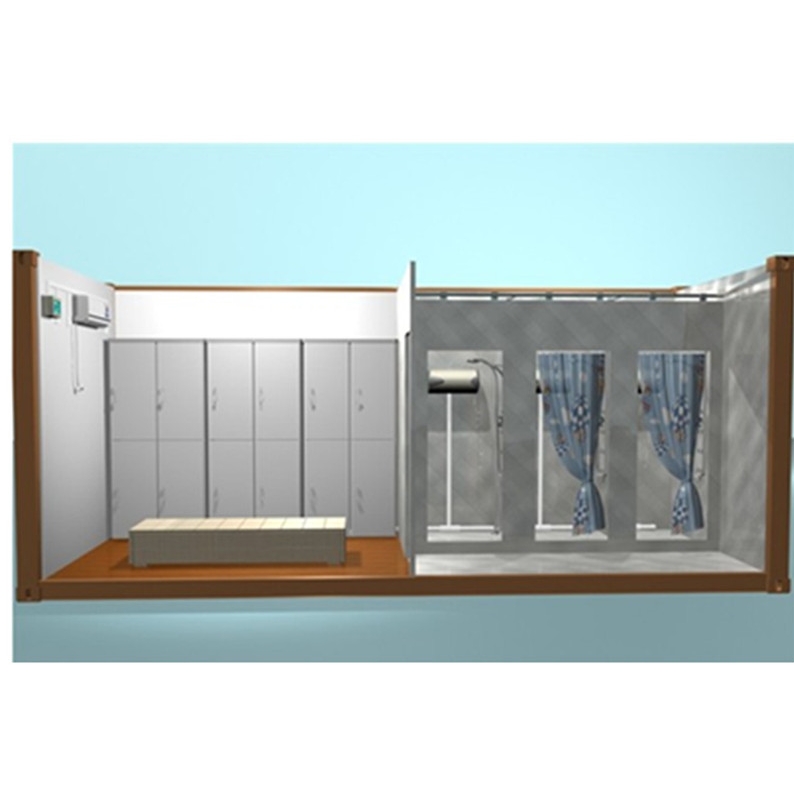
Wind turbines, though less common for individual cabins due to space and wind availability requirements, can also be a viable option in certain locations. For hot water, solar thermal systems can be incredibly efficient, using the sun's energy to heat water directly. It's interesting to note that integrating these renewable energy systems requires careful planning and often professional consultation to ensure optimal performance and safety.
Water Conservation and Waste Management: Closing the Loop
Sustainability extends beyond energy to encompass responsible water usage and effective waste management. In an apple cabin eco-friendly design, water conservation is a critical consideration, especially in areas prone to drought or for off-grid living. Low-flow fixtures, such as showerheads, faucets, and toilets, can significantly reduce water consumption without sacrificing performance.
Rainwater harvesting systems are another excellent way to conserve water. Gutters and downspouts can collect rainwater, which is then filtered and stored in cisterns for use in irrigation, flushing toilets, or even for potable water after appropriate treatment. Greywater systems, which reuse water from sinks, showers, and washing machines for irrigation, can further reduce reliance on fresh water sources.
Waste management in an eco-friendly cabin focuses on minimizing what goes to landfill. Composting toilets are a highly sustainable option, converting human waste into nutrient-rich compost that can be used to fertilize the surrounding land, including the apple trees. Recycling and reducing the use of single-use products are also fundamental practices. Designing with durable, long-lasting materials also reduces the need for frequent replacements, thereby minimizing waste. In my experience, embracing these practices not only benefits the environment but also fosters a deeper connection to the natural cycles of the land.
Biophilic Design: Connecting with Nature Indoors
Beyond the structural and energetic aspects of eco-friendly design, an apple cabin truly shines when it embraces biophilic principles. Biophilic design is about connecting building occupants more closely to nature. For a cabin surrounded by apple trees, this connection should be palpable both inside and out. This means maximizing views of the natural landscape, allowing natural light to flood the interior, and incorporating natural materials and patterns.
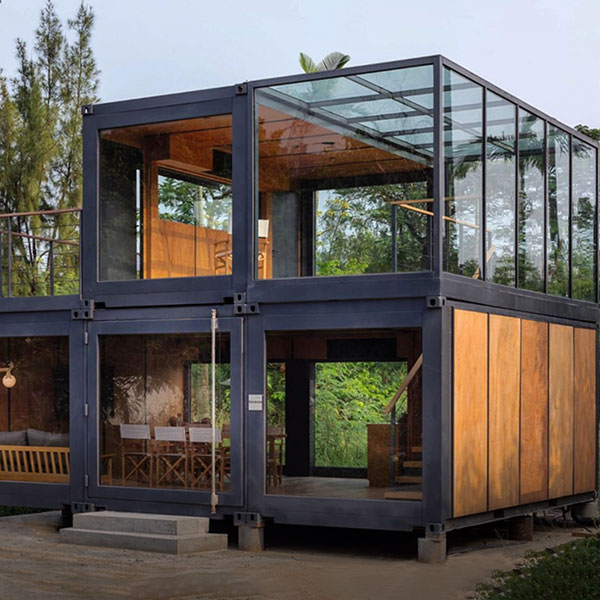
Large windows and glass doors are essential for framing those picturesque orchard views. Consider how the interior spaces flow and how they relate to the exterior. A deck or patio that seamlessly extends living space outdoors can enhance this connection. Inside, using natural wood finishes, stone accents, and earthy color palettes can evoke a sense of being immersed in nature. Incorporating indoor plants not only purifies the air but also adds life and vibrancy to the space.
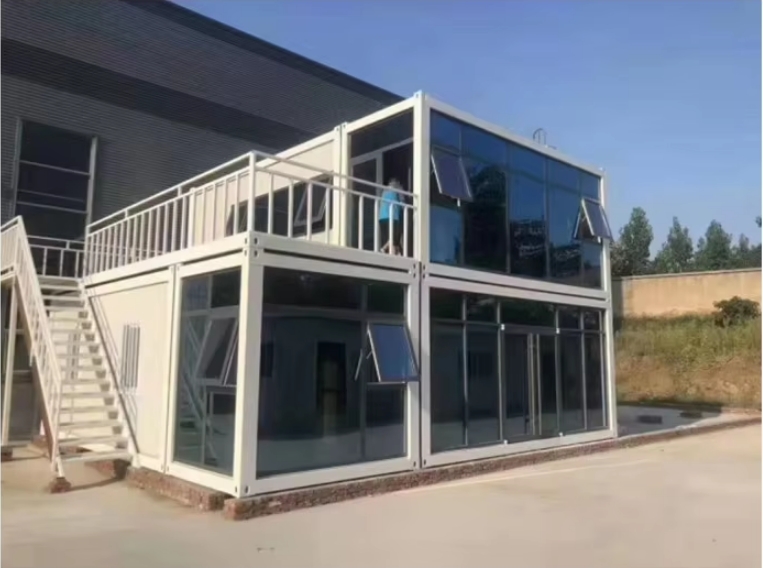
The sounds of nature can also be integrated. Designing for natural acoustics, perhaps allowing the gentle rustling of leaves or the chirping of birds to be heard, can contribute to a calming and restorative atmosphere. Even the scent of apple blossoms or the earth can be subtly brought indoors through ventilation or the use of natural essential oils. This holistic approach to apple cabin eco-friendly design creates a sanctuary that nurtures both the human spirit and the planet. It’s about creating a living space that breathes with the environment.
The Future of Apple Cabins: Innovation and Inspiration
The concept of an apple cabin eco-friendly design is constantly evolving, driven by innovation in materials science, renewable energy technology, and a deeper understanding of sustainable living. We're seeing advancements in prefabricated modular cabins that minimize construction waste and speed up the building process, many of which are designed with eco-friendly principles at their core. Smart home technology is also playing an increasing role, allowing for more efficient management of energy and water consumption.
Furthermore, the integration of permaculture principles into the design of the surrounding landscape, including the apple orchard itself, can create a truly self-sustaining ecosystem. This might involve companion planting, natural pest control methods for the trees, and utilizing the land's resources in a regenerative way. The idea is to create a harmonious relationship where the cabin and its environment support each other.
Ultimately, building an eco-friendly apple cabin is an investment in a more sustainable future. It's a commitment to living in a way that respects the natural world and leaves a lighter footprint. Whether you're dreaming of a weekend getaway or a full-time residence, embracing these principles can lead to a home that is not only beautiful and functional but also deeply meaningful. The journey of designing and building such a space can be incredibly rewarding, offering a tangible connection to the earth and a sense of purpose. Many homeowners who have embarked on this path report a profound sense of well-being and satisfaction.
For more detailed information, please visit our official website:apple cabin eco-friendly design
About the author: Alex Chen is a passionate advocate for sustainable architecture and off-grid living. With a background in environmental design and years of hands-on experience in building eco-conscious structures, Alex specializes in creating harmonious living spaces that minimize environmental impact. Their expertise lies in integrating natural materials, renewable energy, and biophilic design principles to craft beautiful, functional, and planet-friendly homes.