Rapid Response Housing: The Power of Modular Homes for Disaster Relief
When disaster strikes – be it a devastating hurricane, a widespread flood, or a catastrophic earthquake – the immediate aftermath presents a critical challenge: housing. Thousands, sometimes millions, are displaced, losing not just their homes but their sense of security and normalcy. In these moments of profound crisis, the speed and efficiency of recovery become paramount. Frankly speaking, traditional construction methods are often too slow to meet the urgent demand for shelter. This is where the innovative approach of modular homes for disaster relief steps in, offering a beacon of hope and a practical solution.
Modular construction, by its very nature, allows for building in controlled factory environments, independent of weather delays and on-site disruptions. This inherent advantage makes it uniquely suited for rapid deployment in disaster-stricken areas. Instead of waiting months for traditional homes to be built, modular units can be manufactured concurrently with site preparation, significantly shortening the timeline from crisis to occupancy. This isn't just about speed; it's about providing safe, dignified, and comfortable living spaces when people need them most.
The Advantages of Modular Construction in Emergency Situations
The benefits of utilizing modular homes for disaster relief are multifaceted and compelling. To be honest, the traditional image of temporary shelters often conjures up stark, impersonal spaces. However, modern modular solutions are a world away from this, offering robust, well-designed, and often customizable living quarters.
Speed and Efficiency: A Critical Factor
This is, without a doubt, the most significant advantage. When communities are devastated, every day counts. Modular homes can be built off-site in factories while the affected area is being assessed and prepared for new structures. This parallel processing drastically reduces the overall deployment time. Many experts agree that this rapid deployment capability is what sets modular construction apart as a vital tool in the disaster relief arsenal. Imagine being able to house families within weeks rather than months after their homes have been destroyed. It’s a game-changer for psychological recovery and community stability.
Cost-Effectiveness and Resource Optimization
While the initial investment in factory production might seem high, the long-term cost-effectiveness of modular homes for disaster relief is undeniable. Factory production allows for bulk purchasing of materials, reduced waste due to precise manufacturing, and lower labor costs compared to on-site construction. Furthermore, fewer resources are consumed on-site, minimizing the strain on already depleted local infrastructure and supply chains. This efficient use of resources is crucial when operating in a post-disaster environment.
Quality and Durability
Contrary to some misconceptions, modular homes are built to stringent building codes and standards, often exceeding those of traditional site-built homes due to the controlled factory environment. This means they are not just temporary fixes but can offer durable, long-lasting housing solutions. They are engineered to withstand various environmental conditions, making them a reliable choice for areas prone to recurring natural disasters.
Sustainability and Environmental Impact
Interestingly enough, modular construction often has a smaller environmental footprint. Factory production minimizes waste, and the precision in manufacturing leads to better insulation and energy efficiency in the final product. This is important not only for the immediate relief effort but also for the long-term sustainability of the housing solutions provided.

Designing for Dignity: Beyond Basic Shelter
The term "disaster relief" can sometimes evoke images of basic, utilitarian structures. However, the application of modular homes for disaster relief is increasingly focused on providing not just shelter, but homes that restore dignity and foster a sense of community.
Comfort and Livability
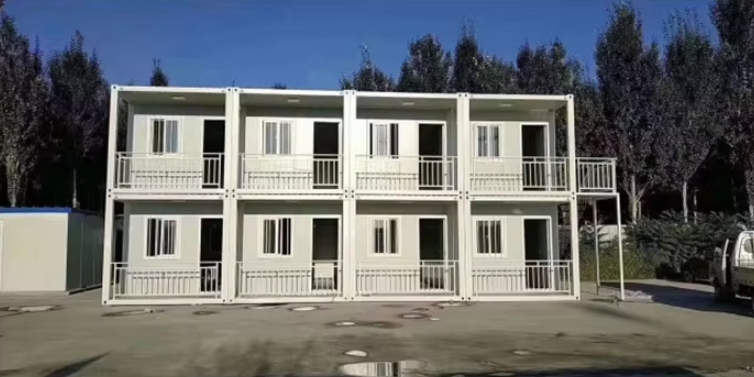
Modern modular units are designed with occupant comfort in mind. They can include multiple bedrooms, functional kitchens, bathrooms, and living areas, providing families with the space and privacy they need to begin rebuilding their lives. Features like proper insulation, ventilation, and plumbing are standard, ensuring a level of comfort that is essential for psychological well-being after trauma.
Customization and Scalability
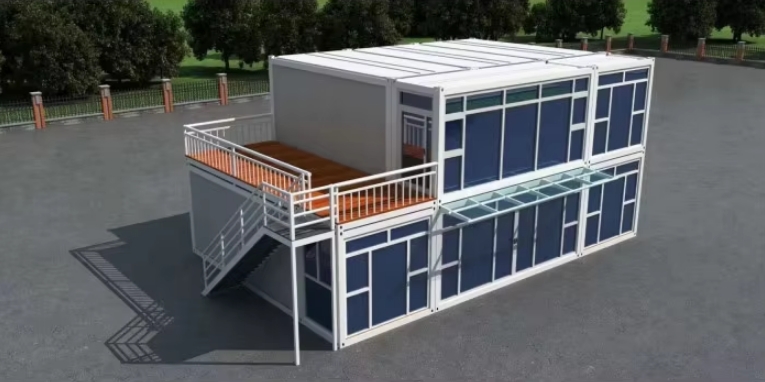
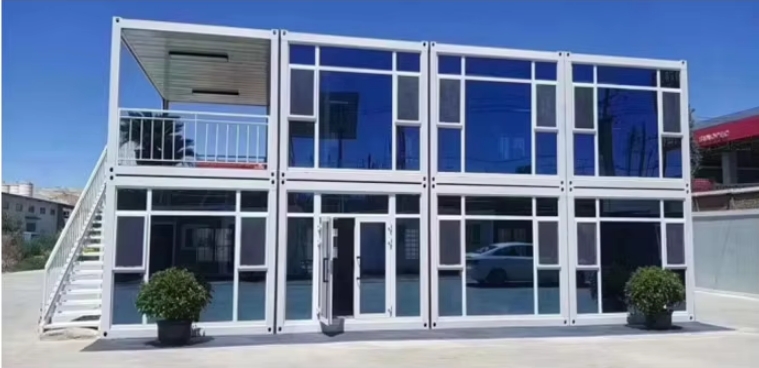
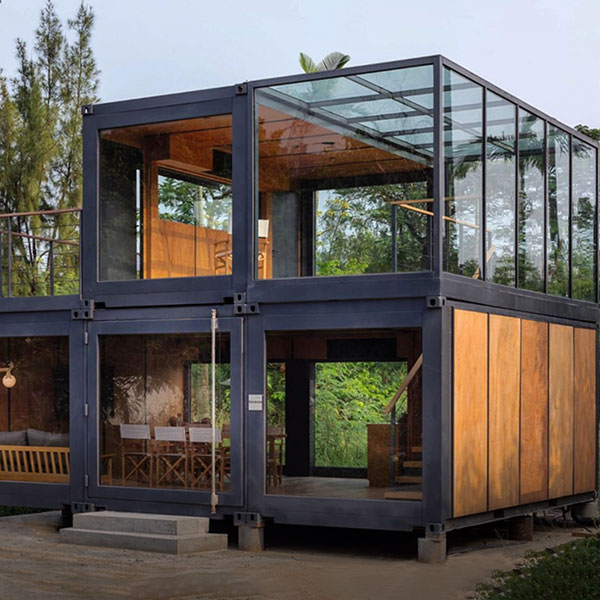
One of the often-overlooked strengths of modular construction is its flexibility. Depending on the needs and resources available, modular homes can be configured in various sizes and layouts. This scalability allows relief organizations to quickly adapt to different family sizes and community needs. Whether it's a single-family dwelling or a multi-unit complex, modular designs can be adapted.
Community Integration
Modular homes can be designed to integrate seamlessly into existing communities or to form new, temporary neighborhoods. Thoughtful site planning, including green spaces and communal areas, can help foster a sense of belonging and support among displaced residents. This focus on community building is vital for long-term recovery.
The Process: From Disaster to Occupancy
Understanding the process behind deploying modular homes for disaster relief can demystify their effectiveness. It’s a well-orchestrated effort that leverages advanced manufacturing and logistics.
Assessment and Planning
Following a disaster, the first step involves a thorough assessment of the damage and the immediate housing needs. Relief agencies and government bodies work together to determine the scale of the crisis, the number of people displaced, and the most suitable locations for temporary housing. This phase also involves identifying the necessary permits and logistical requirements.
Factory Production
Once the specifications are determined, manufacturing begins in specialized factories. Modules are constructed with precision, including framing, insulation, interior finishing, and utility hookups. This controlled environment ensures consistent quality and allows for multiple units to be produced simultaneously.
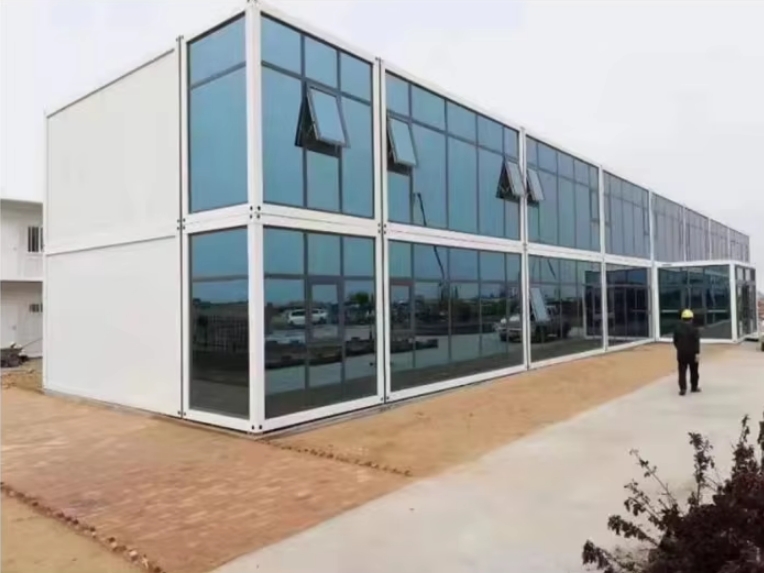
Transportation and Site Preparation
As the modules are completed, they are transported to the designated sites. Simultaneously, site preparation activities, such as foundation laying and utility connections, take place. The efficiency of this stage is critical; ideally, site preparation is already underway while modules are still in production.
On-Site Assembly and Finishing
Upon arrival, the modules are lifted into place and assembled by skilled crews. This process is remarkably quick compared to traditional construction. Once the modules are joined, final connections for utilities are made, and any necessary finishing touches are applied. The speed at which these homes can be erected is truly impressive.
Occupancy and Support
Within a relatively short period – often weeks – the modular homes are ready for occupancy. Relief organizations then work to allocate these homes to displaced families, providing them with a safe and stable place to live while they navigate the longer-term recovery process. It's worth noting that ongoing support services are often provided to residents during this transition.
Challenges and Considerations
While the benefits are substantial, it's important to acknowledge the challenges associated with implementing modular homes for disaster relief. Frankly speaking, no solution is without its hurdles.
Logistical Complexity
Transporting large modular units to remote or disaster-affected areas can be a significant logistical challenge, especially if roads and infrastructure are damaged. Careful planning and coordination are essential to overcome these obstacles.
Permitting and Regulations
Navigating building codes and permitting processes, especially in emergency situations, can sometimes cause delays. Streamlining these procedures for disaster relief housing is a continuous area of focus for many authorities.
Perception and Acceptance
Overcoming any lingering negative perceptions of temporary housing is also a consideration. Educating communities and stakeholders about the quality, durability, and dignity offered by modern modular solutions is key to their successful implementation.
Long-Term Planning
While modular homes are excellent for immediate relief, planning for their long-term use or deconstruction is also important. Some units may be designed for temporary use, while others can be adapted for permanent housing or relocated to other areas in need.
The Future of Disaster Response Housing
The role of modular homes for disaster relief is set to grow as the world faces increasing climate-related events and natural disasters. Their inherent advantages in speed, quality, and efficiency make them an indispensable part of any comprehensive disaster preparedness and response strategy.
Have you ever witnessed the immediate aftermath of a disaster and wondered how people find shelter so quickly? The answer increasingly lies in innovative solutions like modular construction. As technology advances and manufacturing processes become even more refined, we can expect modular housing to play an even more significant role in helping communities recover and rebuild, providing not just shelter, but hope and stability in the face of adversity. It's a testament to human ingenuity and our ability to adapt and innovate in times of crisis.
For more detailed information, please visit our official website:modular homes disaster relief
About the author: Sarah Chen is a seasoned expert in sustainable housing solutions and disaster preparedness. With over a decade of experience working with humanitarian organizations, she has witnessed firsthand the transformative impact of rapid deployment housing. Sarah is passionate about leveraging innovative construction methods to provide dignified and resilient shelter for communities in need, advocating for smarter, faster, and more effective disaster relief strategies.