Navigating Prefab House Planning Regulations: Your Essential Guide
Embarking on the journey to build a prefab house is an exciting prospect. The allure of faster construction times, potential cost savings, and innovative designs makes modular and factory-built homes increasingly popular. However, to be honest, the process isn't just about picking a design and waiting for it to arrive. A crucial, and often overlooked, aspect is understanding and navigating prefab house planning regulations. These rules and guidelines are in place to ensure safety, quality, and compliance with local standards. Frankly speaking, ignoring them can lead to costly delays, rework, or even the inability to occupy your dream home.
Have you ever wondered why some prefabricated homes seem to blend seamlessly into their surroundings while others face hurdles? Often, it boils down to how well the planning and regulatory aspects were addressed from the outset. In this guide, we'll delve deep into the world of prefab house planning regulations, demystifying the process and empowering you to move forward with confidence.
Understanding the Landscape of Prefab House Planning Regulations
The term "prefab house planning regulations" encompasses a broad range of rules that govern the design, construction, and placement of factory-built homes. Unlike traditional site-built homes, prefab structures undergo a significant portion of their construction in a controlled factory environment. This distinction is key to understanding why different regulations might apply. It's worth noting that while the core principles of building safety and land use are universal, the specifics can vary dramatically from one municipality to another.
Many experts agree that the most significant difference lies in the inspection and approval process. For traditional homes, inspections happen on-site at various stages of construction. For prefab homes, inspections occur both at the factory and on-site once the modules are delivered and assembled. This dual inspection system ensures that both the factory-built components and the final on-site assembly meet all required standards. Understanding these nuances is the first step in successfully navigating the complexities of prefab house planning regulations.
Zoning Laws and Their Impact on Prefab Homes
Zoning laws are fundamental to any construction project, and prefab homes are no exception. These local ordinances dictate how land can be used, including the types of structures permitted, their size, height, setbacks from property lines, and even aesthetic requirements. For prefab houses, it's essential to verify that your chosen location is zoned for residential use and that the specific type of prefab home you intend to build is permitted.
Interestly enough, some older zoning ordinances might not explicitly address or may even inadvertently discriminate against prefab or modular construction. This is where proactive engagement with your local planning department becomes vital. You may need to educate officials about the quality and compliance of modern modular building systems. I've found that presenting clear documentation from the manufacturer, detailing adherence to building codes and standards, can go a long way in gaining approval.
Key considerations regarding zoning include:
- Permitted Use: Is the land zoned for single-family dwellings, multi-family units, or other classifications that might affect your prefab project?
- Setbacks and Lot Coverage: How close can your home be to property lines? What percentage of the lot can be covered by the structure?
- Architectural Review: Some areas have strict aesthetic guidelines. While prefab homes offer diverse design options, you'll need to ensure your chosen design aligns with local architectural review boards if applicable.
- Accessory Dwelling Units (ADUs): If you're considering a prefab ADU, ensure local regulations permit them and specify any size or placement restrictions.

Building Codes: The Backbone of Safety and Quality
Building codes are the technical standards that construction projects must adhere to, ensuring structural integrity, fire safety, energy efficiency, and public health. For prefab houses, these codes are often met through a combination of national standards and state-specific amendments. The crucial point here is that prefab homes are typically built to comply with the International Residential Code (IRC) or similar standards, but they also need to meet the specific codes adopted by the jurisdiction where the home will be sited.
The factory manufacturing process allows for rigorous quality control, often exceeding what's achievable on a typical construction site. However, the final on-site assembly and integration must also comply with these codes. This is where the role of modular home building codes becomes paramount. Manufacturers will provide documentation (often called a "certification label" or "stamp") indicating that the factory-built modules meet specific codes. Your local building department will then verify that the on-site work, including foundation, utility connections, and module integration, also meets their adopted codes.
It's essential to understand:
- State vs. Local Codes: While many states adopt a version of the IRC, they may have amendments. Always confirm the exact codes enforced by your local building department.
- Factory Certification: Ensure your prefab manufacturer is certified to build to the codes required in your specific location.
- On-Site Inspections: Be prepared for inspections of the foundation, utility hookups, and the final assembly of the prefab modules.
The Permitting Process for Prefab Homes
Obtaining the necessary permits is a non-negotiable step in any construction project, and prefab homes require a specific approach to off-site construction permits. The process can sometimes feel more complex because it involves multiple entities: the manufacturer, the state (for factory inspections), and the local jurisdiction (for site-specific approvals and final inspections).
In my experience, the best strategy is to engage with your local planning and building departments very early in the process. Don't wait until you've signed a contract with a prefab builder. By discussing your plans upfront, you can identify potential challenges and understand the exact documentation required. This proactive approach can save you a significant amount of stress and time.
Key Steps in Obtaining Prefab Home Permits
While the exact steps can vary, here's a general outline of what to expect when seeking permits for your prefab house:
- Preliminary Consultation: Meet with your local building department to discuss your project, review preliminary designs, and understand local zoning requirements.
- Site Plan and Foundation Design: You'll need a detailed site plan showing the proposed location of the home, setbacks, and utilities. A foundation design, often prepared by a local engineer, is also usually required.
- Manufacturer's Documentation: The prefab manufacturer will provide detailed plans, specifications, and certifications for the factory-built modules. This documentation is crucial for the permit application.
- Permit Application Submission: Submit all required documents to the local building department. This typically includes architectural drawings, structural plans, site plans, and manufacturer certifications.
- Plan Review: The building department will review your application to ensure compliance with all local zoning and building codes.
- Permit Issuance: Once approved, you'll be issued the necessary permits to begin construction.
- On-Site Inspections: Throughout the construction process, local inspectors will visit the site to verify that work is being done according to the approved plans and codes. This includes inspections of the foundation, utility connections, and the final assembly of the prefab modules.
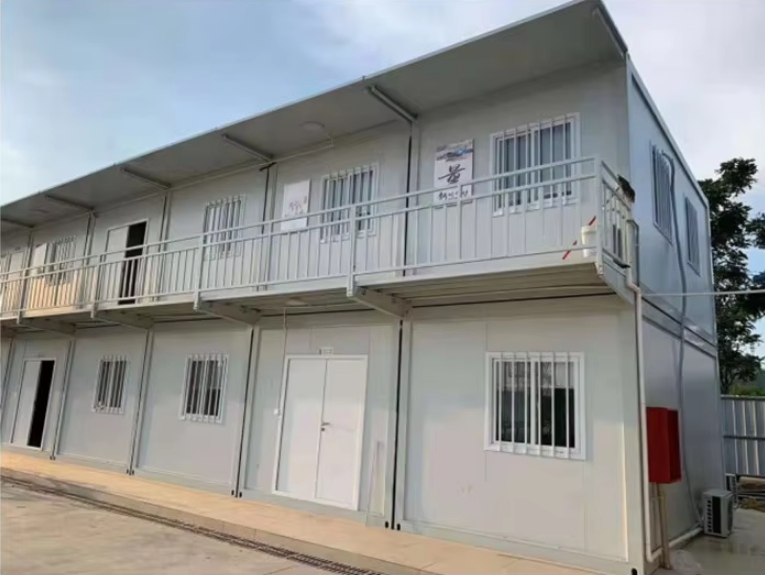
It's worth noting that some states have a "state-approved modular program" where the state building department inspects the factory production, and the local jurisdiction handles site-specific inspections. Understanding which system applies in your area is vital for a smooth permitting process.
Addressing Common Challenges with Prefab House Planning Regulations
While the benefits of prefab construction are numerous, navigating prefab house planning regulations can present unique challenges. Being aware of these potential hurdles allows you to prepare and mitigate them effectively.
Variations in Local Ordinances
As mentioned, local ordinances are the biggest variable. What's standard practice in one town might be unheard of in another. This can be particularly challenging if you're building in a rural area with less experience with modular construction or in a highly regulated historic district.
In my experience, many smaller municipalities may not have specific guidelines for prefab homes. This can lead to confusion for both the homeowner and the local officials. The key is to be prepared with comprehensive documentation from your manufacturer and to foster a collaborative relationship with the planning department. Sometimes, it's a matter of educating them on the modern standards and quality of factory-built homes.
Site-Specific Requirements
Even if the prefab modules themselves meet all codes, the site where they are placed must also comply. This includes:
- Foundation Requirements: Prefab homes often require specific foundation types (e.g., slab, crawl space, basement) that must be designed and built to local code.
- Utility Connections: Connecting to water, sewer, electricity, and gas lines must meet local utility company and building department standards.
- Accessibility: Ensuring the site and the home design meet accessibility requirements for individuals with disabilities.
Financing and Insurance Hurdles
Interestingly enough, some lenders and insurance companies may have specific requirements or concerns regarding prefab homes, often stemming from outdated perceptions. They might require additional documentation or proof of compliance with all local building codes and regulations. Having all your permits and inspection reports in order can significantly ease this process.
It's also important to ensure your prefab builder is reputable and has a solid track record. This can provide reassurance to financial institutions and insurers.
Tips for a Smooth Prefab House Planning Process
Successfully navigating the world of prefab house planning regulations requires a strategic and proactive approach. Here are some tips that many experts and homeowners have found invaluable:
- Start Early: Engage with your local planning and building departments as soon as you begin considering a prefab home.
- Choose a Reputable Manufacturer: Select a manufacturer with a proven track record of building to code and providing comprehensive documentation.
- Understand Your Local Codes: Don't assume; actively research and understand the specific zoning laws and building codes in your chosen location.
- Work with Local Professionals: Engage a local architect, designer, or contractor who is familiar with prefab construction and local regulations. They can be invaluable in navigating the permit process.
- Be Prepared for Site Work: Remember that a significant portion of the construction and regulatory compliance happens on-site. Factor in time and budget for foundation work, utility connections, and final inspections.
- Maintain Clear Communication: Foster open and honest communication with your prefab manufacturer, your local building department, and any other stakeholders involved.
- Document Everything: Keep meticulous records of all plans, permits, inspections, and communications.
By approaching the prefab house planning regulations with diligence and foresight, you can ensure your modular home project is not only beautiful and efficient but also fully compliant and legally sound. It's a journey that, while requiring attention to detail, ultimately leads to a rewarding and stress-free homeownership experience.
For more detailed information, please visit our official website:prefab house planning regulations
About the author: Alex Chen is a seasoned construction consultant with over 15 years of experience in residential building, specializing in modern construction techniques. He has a deep understanding of building codes, zoning laws, and the unique challenges and advantages of prefab and modular home construction. Alex is passionate about helping clients navigate the complexities of the building process to achieve their dream homes efficiently and compliantly.