Container Homes vs Traditional Builds: Which is Right for You?
# Container Homes vs Traditional Builds: A Comprehensive Comparison
The dream of homeownership is a significant one, and for many, the path has traditionally involved bricks, mortar, and lengthy construction timelines. However, the housing landscape is evolving, and innovative alternatives are gaining traction. Among these, container homes have emerged as a compelling option, sparking a lively debate: container homes vs traditional builds. But which approach truly aligns with your needs, budget, and vision?
In this in-depth comparison, we'll dive deep into the nuances of both container and traditional home construction. We'll explore everything from initial costs and build times to long-term durability, sustainability, and design flexibility. Whether you're a seasoned property developer or an individual looking for a unique dwelling, understanding these differences is crucial.
## The Allure of the Shipping Container: What Makes Them Stand Out?
Shipping containers, once destined for ocean voyages, are now finding new life as stylish, durable, and surprisingly versatile homes. Their inherent strength, standardized dimensions, and readily available nature make them an attractive starting point for construction.
### Cost-Effectiveness: A Major Draw
One of the most significant advantages often cited for container homes is their potential cost savings. Frankly speaking, the initial purchase price of a used shipping container is considerably lower than the raw materials needed for a traditional foundation and framing. This can translate into substantial savings upfront, making homeownership more accessible. However, it's worth noting that the final cost can vary wildly depending on modifications, insulation, interior finishing, and the complexity of the design.
### Speed of Construction: Faster Than You Think
When comparing container homes vs traditional builds, the speed of construction is a clear winner for containers. Because the basic structure is already in place, much of the heavy lifting – framing, sheathing, and exterior walls – is effectively done. The process often involves cutting openings for windows and doors, welding units together, and then focusing on insulation, plumbing, electrical, and interior finishes. This streamlined approach can drastically reduce build times, often by months, compared to conventional methods.
### Durability and Strength: Built to Last
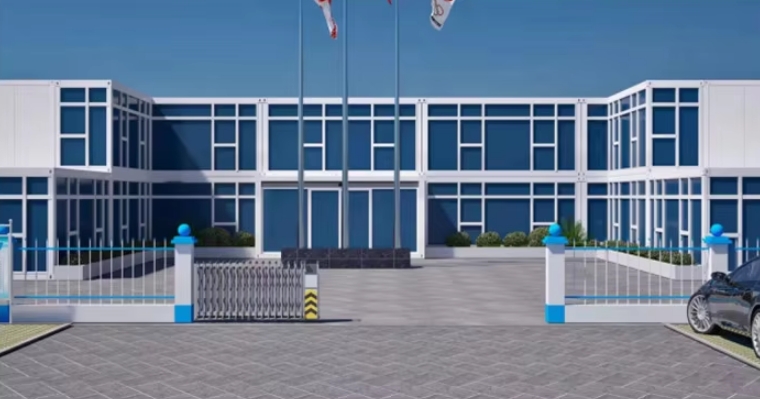
These steel behemoths are engineered to withstand harsh maritime conditions, including extreme weather, heavy stacking, and corrosive salt air. This inherent robustness means that a well-designed and properly treated container home can be incredibly durable and resistant to pests, mold, and fire. Many experts agree that their structural integrity is a significant benefit.
### Sustainability: A Second Life for Materials
Repurposing shipping containers is an inherently sustainable practice. It diverts materials from landfills and reduces the demand for new lumber and other resources often used in traditional construction. This eco-friendly aspect is a major selling point for environmentally conscious homeowners.
## The Foundation of Tradition: Understanding Conventional Building
Traditional home construction, while perhaps less novel, remains the bedrock of the housing industry for good reason. It's a well-established process with a vast network of skilled labor, readily available materials, and predictable outcomes.
### Design Flexibility: Limitless Possibilities
Traditional builds offer unparalleled design freedom. Architects and builders can create virtually any shape, size, and style imaginable. From sprawling estates with complex rooflines to cozy cottages with intricate details, the possibilities are limited only by imagination, budget, and local building codes. This adaptability is a key differentiator when considering container homes vs traditional builds.
### Familiarity and Expertise: A Trusted Process
The construction industry has decades of experience with traditional methods. Finding qualified architects, contractors, and tradespeople is generally straightforward. The processes, materials, and building codes are well-understood, leading to a more predictable and often less stressful construction experience for many.
### Resale Value and Perception: Established Market
Homes built using traditional methods generally hold their resale value well and are familiar to the vast majority of homebuyers. This established market perception can be a significant advantage for those who plan to sell their property in the future. While container homes are gaining acceptance, their resale market is still developing.
### Material Choices and Customization: A World of Options
Traditional construction allows for a vast array of material choices for every component of the home, from the foundation and framing to the roofing, siding, and interior finishes. This extensive customization ensures that homeowners can achieve their desired aesthetic, performance, and budget goals.
## Key Comparison Points: Container Homes vs Traditional Builds
To truly understand the differences, let's break down the critical aspects of container homes vs traditional builds.
### Cost Breakdown: Beyond the Initial Price
While the initial container unit is cheap, the total cost of a container home can quickly escalate. Consider these factors:
* Container Acquisition & Transport: The cost of the container itself, plus delivery to your site. * Site Preparation: Excavation, foundation, and utility hookups can be as expensive as or more so than for traditional homes. * Modifications: Cutting, welding, reinforcing, and adding structural elements. * Insulation: Crucial for comfort and energy efficiency, and can be a significant expense. * Interior Finishes: Drywall, flooring, cabinetry, fixtures – these are comparable to traditional homes. * Permits & Inspections: Often more complex for alternative structures.
Traditional builds, while having a higher upfront material and labor cost for the structure, often have more predictable cost trajectories due to established processes and readily available pricing for materials and labor.
### Build Time: The Efficiency Factor
As mentioned, container homes generally win on speed. A basic container home can be assembled and made habitable much faster. However, complex designs with multiple containers, extensive modifications, or challenging site conditions can extend timelines.
Traditional builds, from breaking ground to final walkthrough, typically take anywhere from 6 to 18 months, depending on the size, complexity, and location.
### Durability and Maintenance: Long-Term Considerations
Both types of homes can be durable if built correctly.
* Container Homes: Their steel structure is inherently strong. However, proper rust prevention and sealing are paramount. The lifespan can be excellent, but it depends heavily on the quality of the conversion and ongoing maintenance. * Traditional Homes: Materials like wood can be susceptible to rot, pests, and fire if not properly treated and maintained. However, the longevity of well-built traditional homes is proven over centuries.
### Sustainability: A Deeper Look
* Container Homes: The primary sustainability benefit is the reuse of materials. However, the manufacturing process of the containers themselves is energy-intensive. Insulation choices also play a crucial role in their overall environmental footprint. * Traditional Homes: Sustainability in traditional builds is increasingly focused on energy-efficient design, renewable materials, and reduced waste during construction.
### Regulations and Permitting: Navigating the Bureaucracy
This is often where container homes face hurdles. Building codes and zoning regulations are primarily written with traditional construction in mind. Obtaining permits for container homes can sometimes be challenging, requiring extensive documentation, engineering reports, and sometimes, lobbying efforts.
Traditional builds, by contrast, adhere to well-established building codes, making the permitting process generally smoother and more predictable.
## Who is a Container Home For?
Container homes are an excellent choice for:
* DIY Enthusiasts: Those with construction experience or a willingness to learn and get hands-on. * Budget-Conscious Individuals: Who are willing to compromise on certain aesthetic freedoms for cost savings. * Eco-Conscious Builders: Who prioritize repurposing materials. * Those Seeking Unique Aesthetics: Container homes offer a distinct, modern industrial look that appeals to many. * Accessory Dwelling Units (ADUs) or Secondary Structures: They can be a cost-effective way to add living space.
## Who is a Traditional Build For?
Traditional builds are ideal for:
* Those Prioritizing Design Freedom: Homeowners who want complete control over every aspect of their home's design and layout. * Families Needing Predictability: Where a straightforward, well-understood construction process is preferred. * Individuals Concerned with Resale Value: Who want to ensure their investment is easily marketable. * Those Building in Areas with Strict Zoning: Where alternative structures might face resistance. * Anyone Seeking a Conventional Aesthetic: Who prefers the look and feel of classic home designs.
## Making Your Decision: Container Homes vs Traditional Builds
Ultimately, the choice between container homes vs traditional builds hinges on your personal priorities.
Have you ever wondered about the long-term resale value of a container home? It's a valid question that many potential buyers ponder. While the market is evolving, understanding local real estate trends is key.
In my experience, I've found that many people are drawn to the novelty and potential cost savings of container homes, but they often underestimate the complexity of the conversion process and the importance of proper insulation and finishing. On the other hand, traditional builds offer a sense of security and familiarity that is hard to beat.
It's worth noting that hybrid approaches are also becoming popular, where containers are integrated into traditional construction for unique architectural features or cost-effective modules.
Before making a decision, I strongly recommend:
* Thoroughly researching local building codes and zoning laws. * Getting detailed quotes from reputable builders for both options. * Visiting existing container homes and traditional homes to get a feel for the living experience. * Considering your long-term goals for the property.
The world of home building is vast and exciting. Whether you opt for the innovative charm of a container home or the timeless appeal of a traditional build, the most important thing is to create a space that truly feels like home.
For more detailed information, please visit our official website:container homes
About the author: Alex Chen is a seasoned home design and construction consultant with over a decade of experience. He specializes in exploring innovative housing solutions, from sustainable modular homes to unique container conversions. Alex is passionate about helping individuals navigate the complexities of building their dream homes, offering practical advice and expert insights.