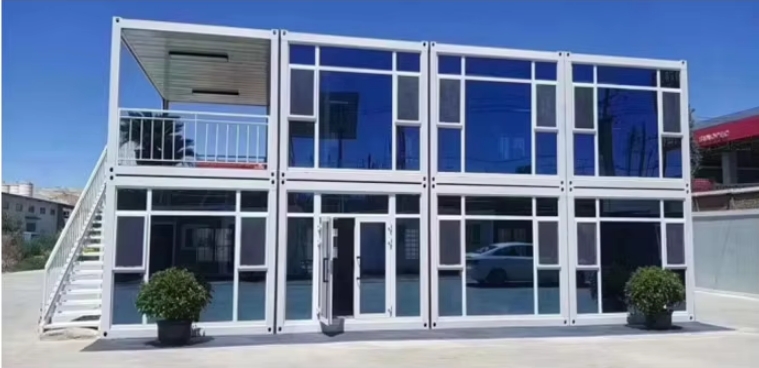
Container House Structural Integrity: Building a Strong and Sustainable Home
The idea of living in a home built from shipping containers has captured the imagination of many. They offer a unique blend of sustainability, affordability, and modern aesthetics. But, to be honest, one of the most common questions that arises is about their strength. Can a repurposed metal box truly be a safe and durable home? The answer, frankly speaking, lies in understanding container house structural integrity. It's not just about stacking boxes; it's about engineering, design, and thoughtful construction.
The Unseen Strength of a Shipping Container
When you first look at a shipping container, you might see a simple, utilitarian structure. However, these containers are designed with incredible robustness in mind. They are built to withstand the harsh conditions of intermodal transport, enduring extreme weather, heavy stacking, and constant movement across oceans and land. This inherent strength is the foundation upon which container homes are built. The corrugated steel walls, the reinforced corner posts, and the robust steel frame are all engineered to bear significant loads.
Interestingly enough, a standard 20-foot or 40-foot container can support the weight of approximately eight other containers stacked on top of it. This is a testament to their original design purpose. The steel used is typically high-tensile steel, which offers excellent strength-to-weight ratio. The corner castings, which are crucial for lifting and securing containers, are also incredibly strong, designed to handle immense forces. This raw structural capacity is a major advantage when considering a container house structural integrity.
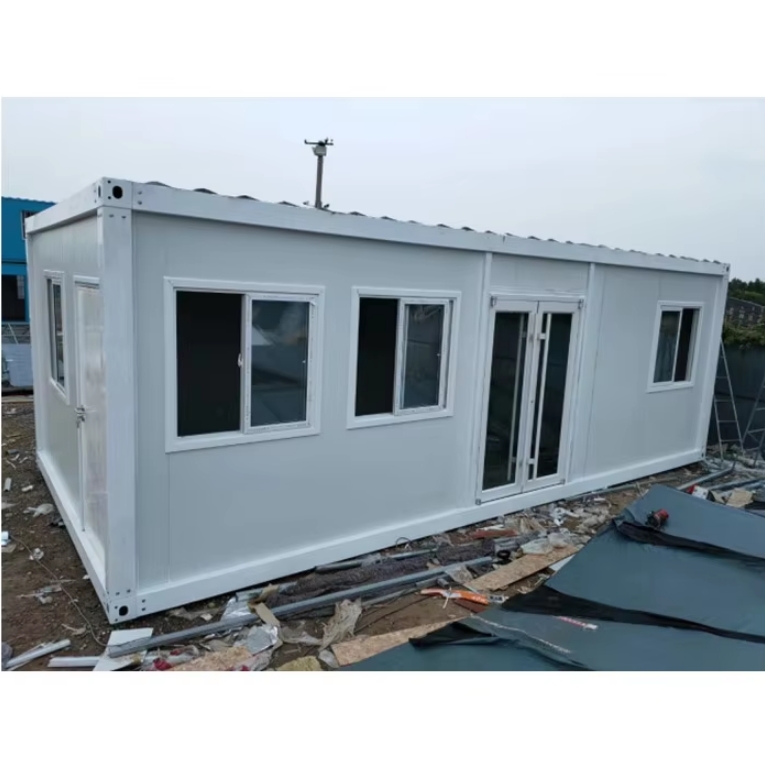
Understanding Load-Bearing Capabilities
The key to maintaining the structural integrity of a container home is understanding how these load-bearing capabilities are affected during modification. When you cut holes for windows, doors, or create larger living spaces by joining multiple containers, you are altering the original load distribution. This is where careful planning and engineering become paramount. Without proper reinforcement, these modifications can compromise the container's ability to support weight, especially from above.
Many experts agree that the original structural integrity of a container is primarily in its frame and corner posts. The walls, while strong, are not the primary load-bearing elements in their original state. However, when used as a building module, the corrugated walls contribute significantly to the overall rigidity. The challenge arises when these elements are weakened. For instance, cutting large openings without adding steel framing to compensate for the removed material can lead to sagging or buckling.
Foundations: The Unsung Hero of Container Home Stability
Just like any traditional home, a container house needs a solid foundation. The type of foundation chosen plays a critical role in the overall structural integrity and longevity of the dwelling. A poorly designed or constructed foundation can lead to settling, cracking, and a host of other problems, regardless of how strong the container itself is.
Common foundation types for container homes include:
- Concrete Slab: This is a popular choice, providing a stable and level base. It can be designed to anchor the container securely and can also incorporate underfloor heating and plumbing.
- Pier and Beam: This method elevates the container off the ground, offering benefits like improved ventilation, easier access for utilities, and protection from ground moisture. It requires careful placement of piers to ensure even weight distribution.
- Screw Piles: These are steel piles screwed into the ground, offering a less invasive and often quicker installation than traditional concrete foundations. They are particularly useful on sloped sites or where minimal ground disturbance is desired.
It's worth noting that the foundation must be designed to accommodate the specific weight and layout of the container modules. For multi-story container homes, the foundation needs to be even more robust to handle the cumulative load. Proper anchoring is also essential to prevent uplift from wind forces, especially in exposed locations.

Anchoring and Ground Stability
Beyond just supporting the weight, the foundation's role in anchoring the container house is crucial for its structural integrity. Wind loads, seismic activity, and even the natural expansion and contraction of the ground can exert forces on the structure. Securely bolting or welding the container to the foundation prevents movement and ensures the home remains stable. In areas prone to high winds or earthquakes, specialized anchoring systems might be necessary.
Modifications and Their Impact on Structural Integrity
This is perhaps the most critical area where understanding container house structural integrity comes into play. While containers are strong, they are designed for a specific purpose. Modifying them for residential use involves cutting, welding, and adding new elements, all of which can affect their original strength.
Cutting Openings: As mentioned, removing sections of walls for doors and windows is common. To maintain structural integrity, these openings must be framed with steel. This framing acts as a substitute for the removed material, redistributing the load to the surrounding structure. Without adequate framing, the container's rigidity can be compromised, leading to potential issues down the line. Have you ever seen a building with sagging walls? That's often a sign of compromised structural integrity, and it's something you want to avoid in your container home.
Joining Multiple Containers: When creating larger living spaces, containers are often joined together. This process requires careful welding and reinforcement to ensure the combined structure acts as a single, cohesive unit. The connection points must be strong enough to transfer loads effectively between the modules. Improperly joined containers can lead to stress points and a weaker overall structure.
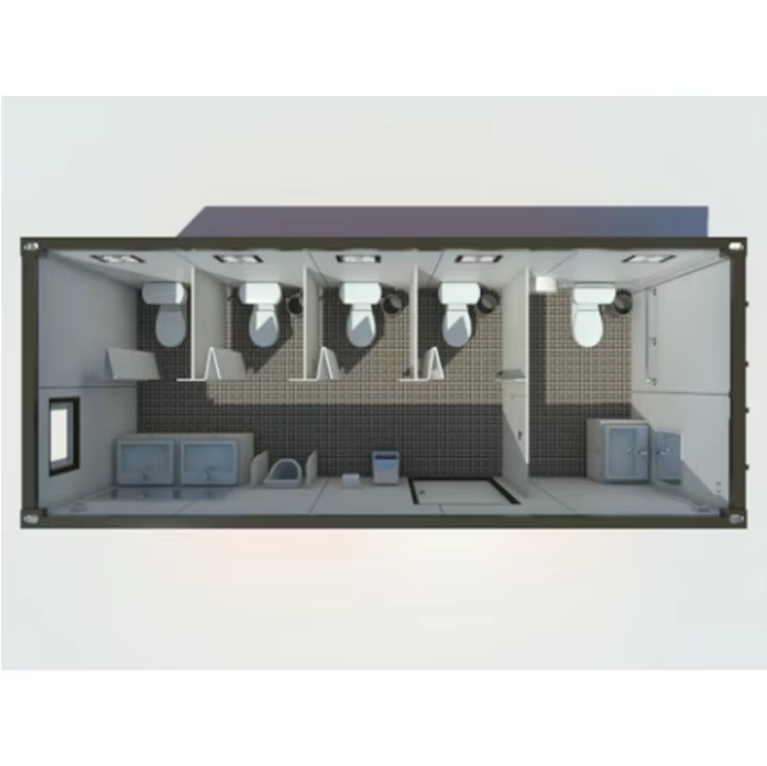
Reinforcement Techniques
To counter the weakening effects of modifications, various reinforcement techniques are employed. These can include:
- Steel Framing: Adding steel beams or channels around openings and along edges where containers are joined.
- Bracing: Installing diagonal bracing within walls or floors to enhance rigidity.
- Reinforced Floors and Roofs: Depending on the design, the original container floor and roof might need additional support or insulation, which can also add to the structural load.
In my experience, consulting with an engineer or architect experienced in container construction is invaluable. They can assess the specific design, identify potential weak points, and recommend the appropriate reinforcement strategies to ensure the container house structural integrity is maintained or even enhanced.
Insulation, Weatherproofing, and Long-Term Durability
While not directly related to the *structural* integrity in terms of load-bearing capacity, effective insulation and weatherproofing are crucial for the long-term durability and habitability of a container home. The steel walls, while strong, are excellent conductors of heat and cold. Without proper insulation, the interior environment can become uncomfortable and energy-inefficient.
Spray foam insulation is a popular choice for container homes because it adheres directly to the steel walls, creating a continuous thermal barrier and also adding a degree of rigidity. Other options include rigid foam boards or batt insulation, but care must be taken to avoid thermal bridging through the steel.
Weatherproofing is also essential. Containers are designed to be exposed to the elements, but over time, seals can degrade. Ensuring all openings are properly sealed and that the exterior is protected from rust and corrosion will contribute to the overall longevity of the structure. Many builders opt for durable exterior cladding to further protect the container and enhance its aesthetic appeal.
Conclusion: Building Confidence in Container Homes
The question of container house structural integrity is a valid one, but it shouldn't be a deterrent to considering this innovative building method. When designed and constructed with a thorough understanding of the materials and engineering principles involved, container homes can be incredibly strong, durable, and safe. The inherent strength of the shipping container itself, combined with proper foundation design, meticulous modification reinforcement, and effective insulation and weatherproofing, results in a robust and sustainable dwelling.
Ultimately, the success of a container home hinges on the expertise of the design and build team. By prioritizing structural integrity from the outset, you can confidently build a unique, eco-friendly, and long-lasting home that stands the test of time.
For more detailed information, please visit our official website:container house structural integrity
About the author: Alex Chen is a seasoned architect with over 15 years of experience specializing in sustainable and modular construction. He has a deep passion for innovative housing solutions, particularly those that leverage repurposed materials. Alex has overseen the design and construction of numerous container homes, focusing on ensuring their structural integrity and long-term durability. His expertise lies in blending modern aesthetics with practical, eco-conscious building practices.