Unlocking Freedom: Your Guide to Apple Cabin Off-Grid Solutions
The allure of an apple cabin, nestled amongst rolling hills or deep within a whispering forest, is undeniable. It evokes images of peace, self-sufficiency, and a profound connection with nature. But what truly makes an apple cabin a haven of independence? It's the implementation of robust, smart off-grid solutions. For many, the dream of owning a remote retreat goes hand-in-hand with the desire to live sustainably and independently, free from the constraints of conventional utilities. This is where the concept of apple cabin off-grid solutions truly shines, offering a pathway to a simpler, more empowered lifestyle.
Frankly speaking, going off-grid isn't just about disconnecting from the power lines; it's about reconnecting with fundamental principles of resourcefulness and resilience. Whether you're envisioning a cozy weekend getaway or a full-time residence, understanding the core components of off-grid living is paramount. This guide will delve deep into the essential elements, providing practical insights and actionable advice to help you achieve your apple cabin off-grid dreams.
Powering Your Apple Cabin: The Heart of Off-Grid Independence
The most critical aspect of any off-grid setup is a reliable power source. For an apple cabin, this often means harnessing renewable energy. Solar power is, to be honest, the undisputed champion in this arena. Photovoltaic (PV) panels convert sunlight into electricity, which is then stored in batteries for use when the sun isn't shining. The size of your solar array and battery bank will depend entirely on your energy consumption.
Solar Power Systems: Sizing and Components
To determine the right solar system for your apple cabin off-grid needs, start by auditing your anticipated energy usage. List all the appliances you plan to use, their wattage, and how many hours per day you expect to run them. This will give you a clear picture of your daily kilowatt-hour (kWh) requirement. Once you have this figure, you can begin sizing your solar panels. It's always wise to oversize slightly to account for cloudy days and future expansion.
The core components of a solar power system include:
- Solar Panels: The collectors of sunlight. Monocrystalline panels are generally more efficient but also more expensive than polycrystalline panels.
- Charge Controller: This device regulates the voltage and current coming from the solar panels to the batteries, preventing overcharging and extending battery life.
- Batteries: The energy storage solution. Deep-cycle lead-acid batteries are a common and cost-effective choice, while lithium-ion batteries offer longer lifespans and better performance but come at a higher initial cost.
- Inverter: Converts the DC (direct current) electricity stored in batteries into AC (alternating current) electricity, which is what most household appliances use.
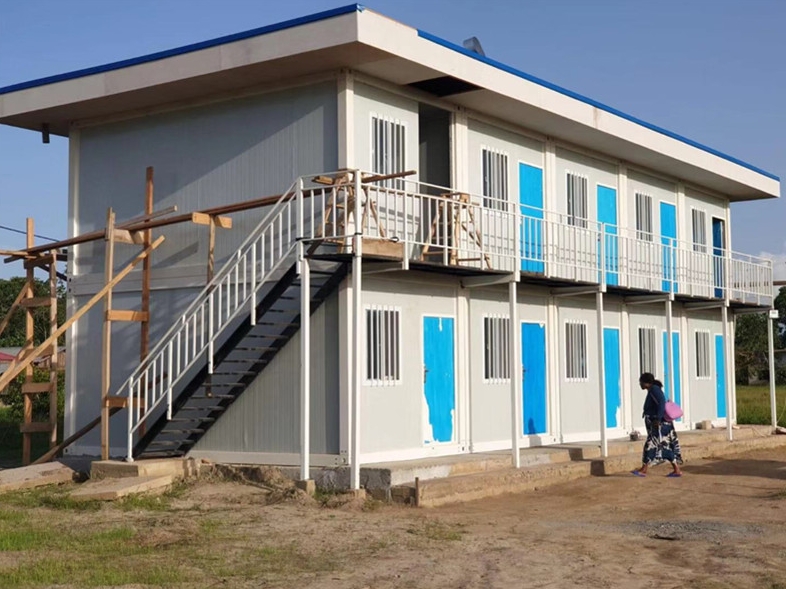
Interestly enough, wind turbines can also be a viable option, especially in areas with consistent wind. A hybrid system, combining solar and wind, can offer excellent redundancy and a more stable power supply throughout the year. For smaller cabins with minimal power needs, a portable solar generator might suffice, but for a more permanent apple cabin off-grid solution, a fixed system is recommended.
Backup Power Solutions
Even with the best renewable energy systems, having a backup is a smart move. A small, efficient generator (propane or diesel) can be a lifesaver during extended periods of low sunlight or high energy demand. It’s not about relying on it, but having it for emergencies. Many off-grid enthusiasts also invest in energy-efficient appliances to minimize their power footprint from the outset.
Water Management: Sourcing and Storing Your Lifeblood
Water is fundamental to life, and in an off-grid apple cabin, you'll need a reliable system for sourcing, purifying, and storing it. The most common methods involve wells, rainwater harvesting, and sometimes nearby springs or surface water sources. Each has its own set of considerations and requirements.
Well Water Systems
If your property has access to groundwater, drilling a well is a primary option. This typically involves professional drilling services and the installation of a submersible pump. The pump will require electricity, so it needs to be factored into your power budget. Water quality testing is crucial to ensure the water is safe for consumption. If contaminants are found, filtration and purification systems will be necessary.
Rainwater Harvesting
Rainwater harvesting is an increasingly popular and sustainable method. It involves collecting rainwater from your cabin's roof, channeling it through gutters and downspouts into storage tanks. The roof material itself is important; avoid asphalt shingles if possible, as they can leach chemicals. Metal or specialized roofing materials are preferable.
The collected water will need to be filtered and purified before use, especially for drinking. Multi-stage filtration systems, including sediment filters, activated carbon filters, and UV sterilizers, are commonly employed. The size of your storage tanks will depend on your water usage and local rainfall patterns. Many experts recommend having enough storage to last through dry spells.
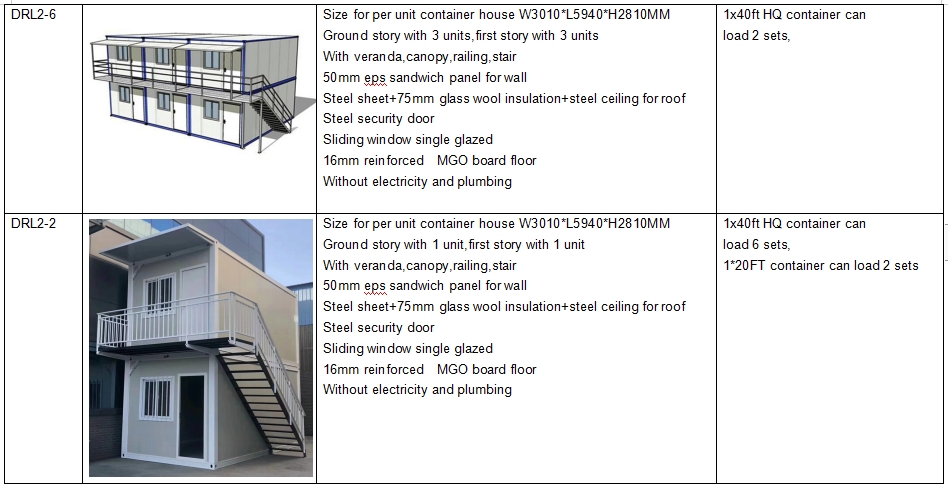
It's worth noting that local regulations regarding water rights and rainwater harvesting can vary significantly, so it's essential to research these before implementing your system.
Water Conservation and Greywater Systems
Regardless of your water source, conservation is key to off-grid living. Low-flow fixtures, water-efficient appliances, and mindful usage habits can drastically reduce your water consumption. Furthermore, greywater systems, which recycle water from sinks, showers, and laundry for non-potable uses like toilet flushing or irrigation, can significantly reduce your overall water demand. This is a smart addition to any apple cabin off-grid solutions.
Waste Management: Sustainable Solutions for a Clean Environment
Dealing with waste responsibly is a cornerstone of off-grid living. This includes both solid waste and human waste. The goal is to minimize environmental impact and create a closed-loop system where possible.
Composting Toilets
Composting toilets are a highly effective and environmentally friendly solution for human waste. They separate liquids from solids and use a composting process to break down waste into a nutrient-rich soil amendment. There are various types, from simple self-contained units to more complex systems that require external composting chambers. They eliminate the need for a septic system and can significantly reduce water usage.
Septic Systems and Alternative Wastewater Treatment
If a composting toilet isn't feasible or desired, a traditional septic system might be necessary. However, these require significant space and can be costly to install. For those seeking more eco-friendly alternatives, constructed wetlands or aerobic treatment units offer more sustainable wastewater treatment options. These systems mimic natural processes to break down waste.
Reducing and Recycling Solid Waste
Minimizing the amount of solid waste you generate is the first step. This means buying in bulk, avoiding single-use plastics, and composting organic kitchen scraps. For non-compostable waste, recycling is crucial. If you are in a remote location, you may need to plan regular trips to a recycling center. Some off-grid communities even develop local composting and recycling initiatives.
Building Your Apple Cabin: Sustainable Design for Off-Grid Living
The design and construction of your apple cabin are intrinsically linked to its off-grid capabilities. A well-designed cabin will minimize energy needs, maximize passive heating and cooling, and integrate seamlessly with its environment.
Passive Solar Design
Passive solar design principles aim to heat and cool your cabin using the sun's energy without mechanical systems. This involves orienting the cabin to maximize southern exposure in the Northern Hemisphere, using large windows on the south-facing side to capture winter sun, and incorporating overhangs to shade those windows in the summer. Thermal mass materials, like concrete floors or stone walls, can absorb solar heat during the day and release it at night.
Insulation and Air Sealing
Excellent insulation is non-negotiable for an energy-efficient off-grid cabin. High R-value insulation in walls, floors, and roofs will significantly reduce heat loss in winter and heat gain in summer, thereby lowering your energy demands for heating and cooling. Meticulous air sealing is equally important to prevent drafts and uncontrolled air leakage, which can account for a substantial portion of energy loss.

When considering building materials, prioritize sustainable and locally sourced options. Natural materials like timber, straw bales, or rammed earth can offer excellent insulation and a lower environmental footprint. Many experts agree that the upfront investment in superior insulation and building techniques pays dividends in reduced energy costs and increased comfort over the long term.
Ventilation and Air Quality
While air sealing is vital for energy efficiency, proper ventilation is crucial for maintaining healthy indoor air quality. In an off-grid cabin, this often means using an energy recovery ventilator (ERV) or heat recovery ventilator (HRV). These systems exchange stale indoor air with fresh outdoor air while transferring heat and moisture, minimizing energy loss.
Embracing the Off-Grid Lifestyle: More Than Just Technology
Implementing apple cabin off-grid solutions is a journey, not just a destination. It requires a shift in mindset, a willingness to learn, and an appreciation for resourcefulness. It's about understanding your consumption, respecting your environment, and finding joy in self-sufficiency. Have you ever dreamt of a life where you are more in tune with the natural cycles of the day and seasons?
The challenges are real, from the initial investment and technical learning curve to the ongoing maintenance and adaptation. However, the rewards – freedom, reduced environmental impact, a deeper connection to nature, and the satisfaction of living independently – are immense. Many who have made the transition find that the off-grid lifestyle fosters a greater sense of peace and purpose.
Ultimately, the goal of adopting apple cabin off-grid solutions is to create a sustainable, comfortable, and independent living space that aligns with your values. It’s about building a home that is not only a sanctuary but also a testament to thoughtful living.
For more detailed information, please visit our official website:apple cabin off-grid
About the author: Alex "Eco-Builder" Thompson is a seasoned off-grid living consultant and author with over a decade of hands-on experience designing and implementing sustainable solutions for remote cabins. He specializes in renewable energy systems, water management, and eco-conscious construction techniques, helping individuals achieve their dream of independent living.