The Ultimate Guide to Modular Homes for Site Offices: Efficiency, Affordability, and Flexibility
In the fast-paced world of construction, project management, and event planning, having a functional and accessible site office is not just a convenience; it's a necessity. It serves as the central hub for communication, planning, and operations. But traditional site offices can be costly, time-consuming to set up, and often lack flexibility. This is where modular homes for site offices emerge as a game-changer. These prefabricated structures offer a compelling blend of speed, affordability, and adaptability that traditional builds simply can't match.
Frankly speaking, the demands placed on a site office are unique. It needs to be durable enough to withstand harsh environments, comfortable enough for staff to work effectively, and easily transportable or reconfigurable as projects evolve. Modular solutions are increasingly being recognized for their ability to meet these diverse requirements, providing a professional and efficient workspace wherever it's needed. In my experience, many businesses are turning to these innovative structures to streamline their operations and reduce overhead.
Why Choose Modular Homes for Your Site Office Needs?
The advantages of opting for modular construction for your site office are numerous and significant. Let's delve into why this approach is rapidly gaining traction across various industries.
Speed of Deployment
One of the most significant benefits is the speed at which modular site offices can be deployed. Unlike traditional construction, which can take months, modular units are built off-site in a controlled factory environment. This parallel processing means that site preparation can occur simultaneously with the manufacturing of the office modules. Once the modules are ready, they are transported to the site and assembled quickly, often within days. This drastically reduces project timelines and allows operations to commence much sooner. Have you ever considered how much time and money can be saved by cutting down on construction delays?
Cost-Effectiveness
When you compare the overall cost of a modular site office to a conventionally built structure, the savings are often substantial. The factory-controlled environment minimizes waste, reduces labor costs due to efficient assembly lines, and eliminates many of the unpredictable weather-related delays that plague on-site construction. Furthermore, the ability to re-use or re-sell modular units at the end of a project can further enhance their long-term cost-effectiveness. It's worth noting that the initial investment is typically lower, and the reduced downtime translates directly into financial savings.
Flexibility and Scalability
Projects change, and so do the needs of a site office. Modular homes for site offices offer unparalleled flexibility. Need to expand your office space as your team grows or your project scope increases? Simply add more modules. Need to relocate your office to a new site? Modular units can be easily dismantled, transported, and reassembled. This adaptability is crucial for businesses that operate on a project-by-project basis or anticipate future changes. You're not locked into a permanent structure that might become obsolete or insufficient.
Durability and Quality
Contrary to some outdated perceptions, modern modular construction is incredibly robust. Units are built to stringent building codes and standards, often exceeding those of temporary structures. The controlled factory environment ensures consistent quality control throughout the manufacturing process, resulting in a durable, well-insulated, and weather-resistant building. Many experts agree that the quality of materials and construction in modular units is on par with, if not superior to, traditional builds.
Designing Your Ideal Modular Site Office
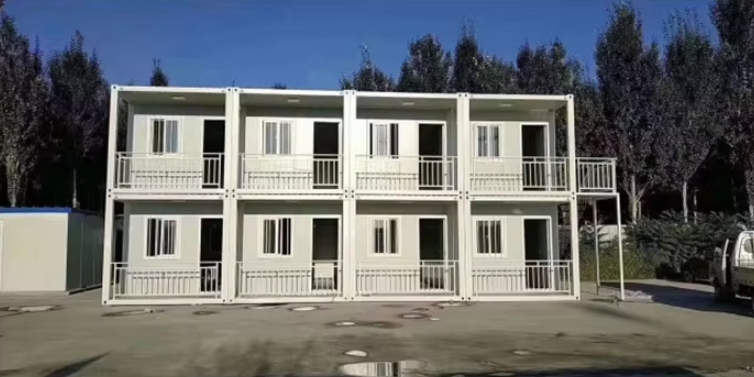
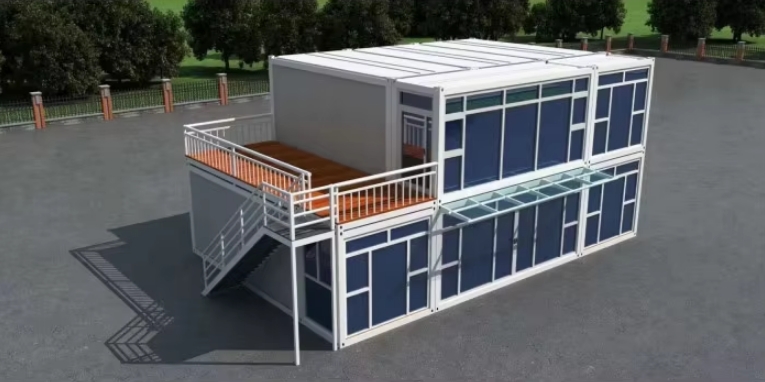
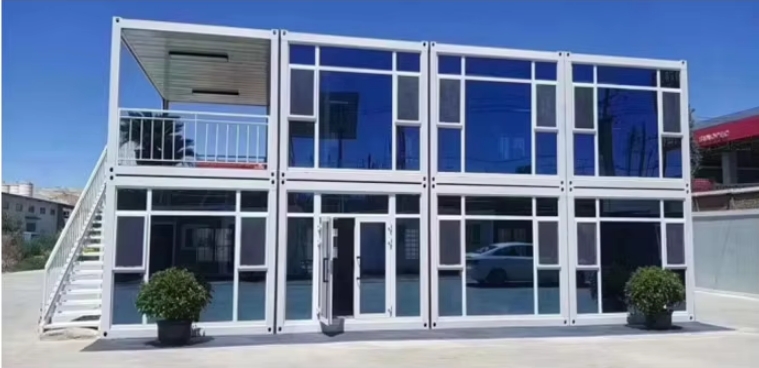
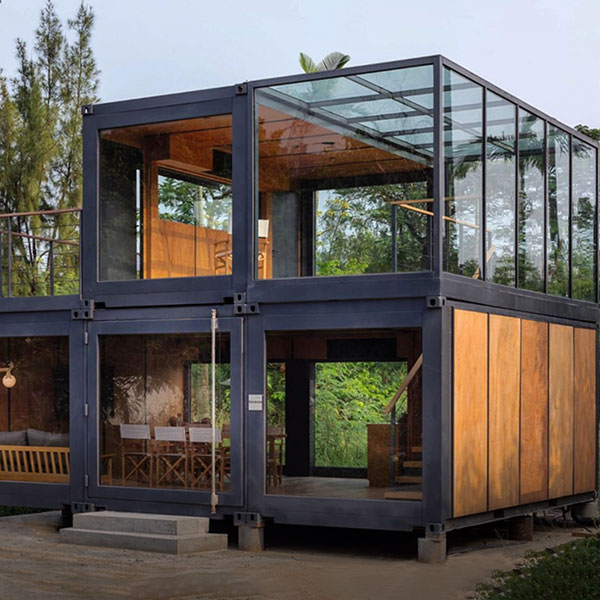
The beauty of modular homes for site offices lies in their customizability. While they are prefabricated, this doesn't mean you're limited to a one-size-fits-all solution. You can design an office that perfectly suits your operational needs and aesthetic preferences.
Layout and Space Planning
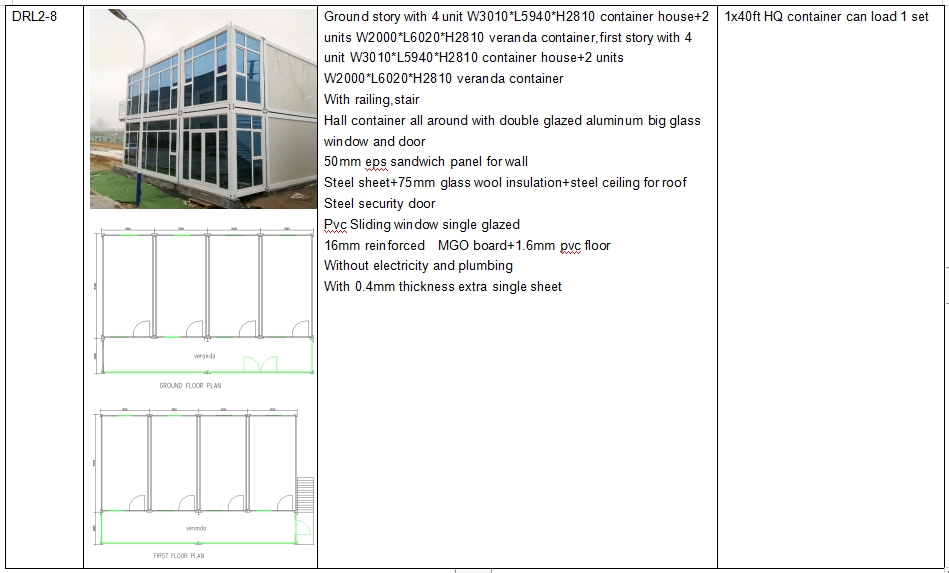
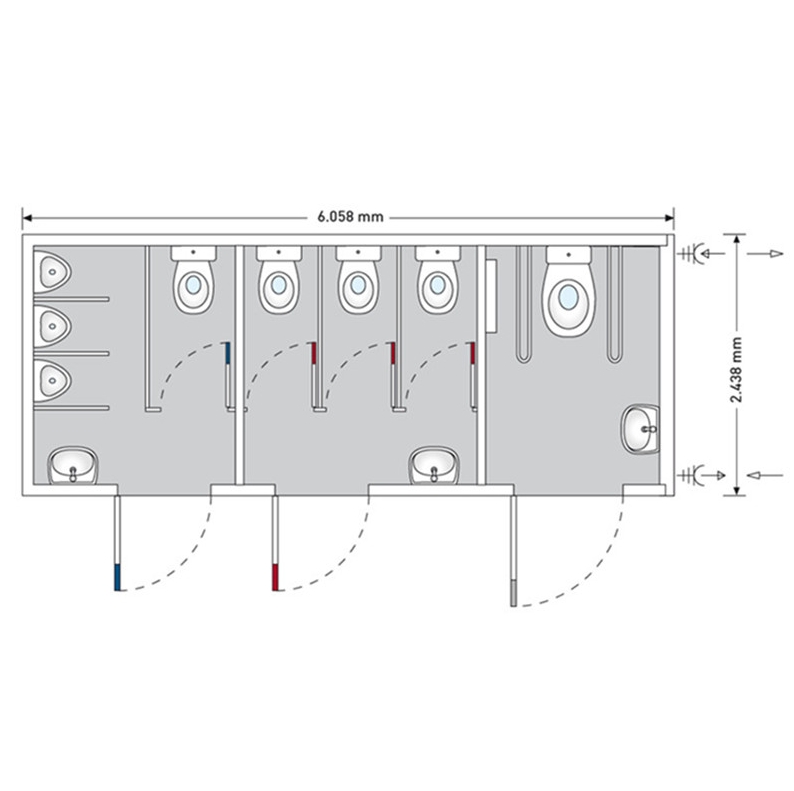
From compact single-room units to multi-module complexes, the layout possibilities are vast. You can configure spaces for individual workstations, meeting rooms, reception areas, storage, and even basic kitchenettes or restroom facilities. Careful space planning ensures that your site office is not only functional but also promotes productivity and comfort for your team. Consider the flow of people and information when designing your layout.
Features and Amenities
Modern modular site offices can be equipped with a wide range of features and amenities. This includes advanced HVAC systems for climate control, robust electrical wiring, integrated plumbing, high-speed internet connectivity, and security systems. You can also opt for specific finishes, flooring, and lighting to create a professional and welcoming environment. Don't underestimate the impact of a well-equipped and comfortable workspace on employee morale and efficiency.
Customization Options
Beyond the internal layout and amenities, exterior customizations are also possible. This can include different cladding options, window styles, and even branding elements like company logos. While the primary goal is functionality, creating a visually appealing and branded space can enhance your company's image on-site.
Applications of Modular Site Offices
The versatility of modular homes for site offices makes them suitable for a wide array of applications across different sectors.
Construction Sites
This is perhaps the most common application. Construction companies rely heavily on site offices for project management, team coordination, safety briefings, and client meetings. The ability to quickly deploy and relocate these offices as projects move from one phase to another or to different locations is invaluable. Portable site offices are a staple in this industry for good reason.
Remote Work Locations
For businesses operating in remote areas, such as mining, oil and gas exploration, or agricultural operations, modular offices provide essential infrastructure. They can be set up in locations where traditional construction is impractical or prohibitively expensive, offering a vital link to the outside world and a functional workspace.
Temporary Event Management
Event organizers often require temporary administrative centers, ticketing booths, or information hubs. Modular units can be quickly deployed to host these functions, providing a professional and secure space for staff and operations during festivals, sporting events, or conferences.
Disaster Relief and Emergency Services
In times of crisis, rapid deployment of essential facilities is critical. Modular buildings can serve as temporary command centers, medical clinics, or shelters, offering a swift and effective solution for emergency response teams and humanitarian organizations.
Educational and Research Facilities
Universities and research institutions may use modular buildings as temporary classrooms, laboratories, or administrative offices during construction or expansion projects. They offer a cost-effective way to add much-needed space without disrupting ongoing operations.
The Process of Acquiring a Modular Site Office
Understanding the acquisition process can demystify the experience and ensure you make informed decisions.
Consultation and Design
The journey typically begins with a consultation with a modular building provider. You'll discuss your specific needs, budget, site conditions, and desired features. This collaborative phase is crucial for translating your requirements into a viable modular design.
Manufacturing
Once the design is finalized and approved, the manufacturing process begins in the factory. Throughout this stage, you may have opportunities for site visits or progress updates to ensure everything aligns with your expectations.
Site Preparation
While the modules are being built, you'll need to prepare the site. This typically involves ensuring a level foundation, access for delivery vehicles, and any necessary utility connections (water, electricity, sewage).
Delivery and Installation
The completed modules are transported to your site. Experienced teams then assemble and connect the modules, install any interior finishes, and connect utilities. This process is usually swift and efficient.
Handover and Occupancy
Once installation is complete and all inspections are passed, the modular site office is handed over to you, ready for immediate occupancy.
Making the Smart Choice for Your Business
In conclusion, the adoption of modular homes for site offices represents a significant evolution in how businesses approach temporary and semi-permanent workspace needs. They offer a practical, economical, and adaptable solution that addresses the inherent challenges of traditional construction. Whether you're managing a large-scale construction project, setting up operations in a remote location, or need a flexible administrative hub for a temporary event, modular buildings provide a superior alternative.
To be honest, the benefits of speed, cost savings, and flexibility are too substantial to ignore. When you consider the long-term advantages, including the potential for reusability and resale, the investment in modular homes for site offices becomes even more compelling. It's a forward-thinking approach that supports efficiency, sustainability, and operational agility. Many experts agree that this is the future of site-specific workspace solutions.
For more detailed information, please visit our official website:modular site offices
About the author: Alex Chen is a seasoned industry analyst with over a decade of experience in construction and prefabricated building solutions. He specializes in evaluating innovative approaches to site infrastructure and temporary workspace needs, providing practical insights for businesses looking to optimize their operations. Alex is passionate about sustainable building practices and the efficiency gains offered by modular construction.