Unlocking Comfort: The Science Behind Space Capsule House Insulation Performance
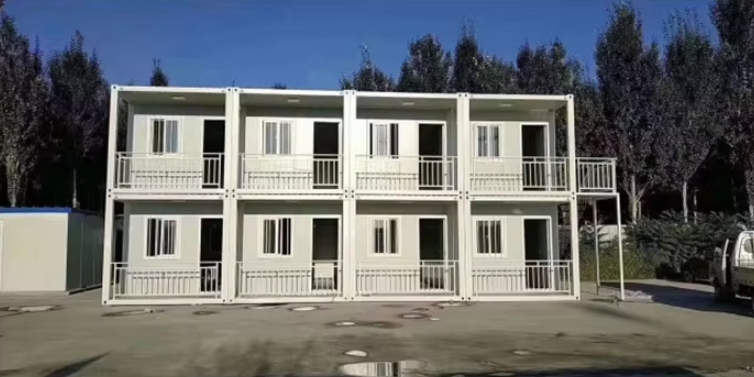
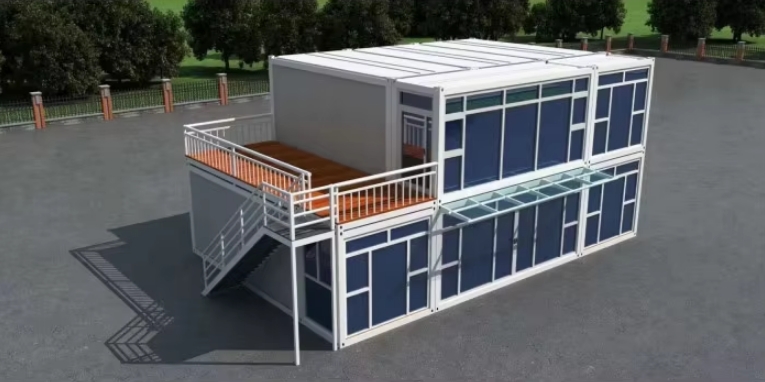
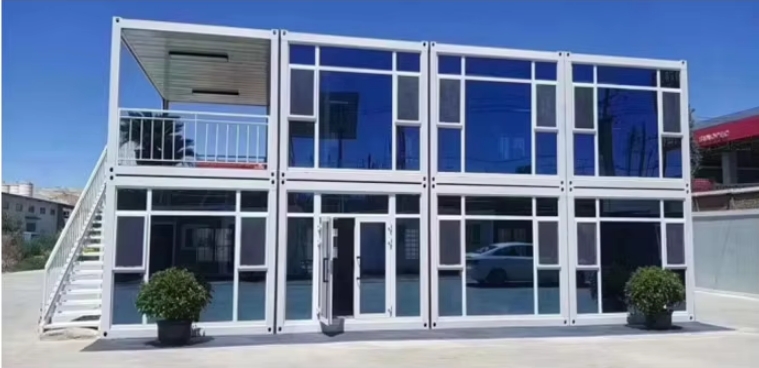
Have you ever dreamed of living in a compact, efficient, and incredibly comfortable dwelling? The concept of a space capsule house, often synonymous with tiny homes or modular living, is gaining serious traction. But what truly makes these innovative structures livable year-round, regardless of the external climate? The secret, frankly speaking, lies in their exceptional space capsule house insulation performance. It's not just about keeping the heat in during winter or out during summer; it's about creating a stable, energy-efficient microclimate that prioritizes occupant comfort and minimizes environmental impact.
The Crucial Role of Insulation in Compact Dwellings
When we talk about space capsule houses, we're often referring to structures that are significantly smaller than traditional homes. This inherent compactness, while offering numerous advantages like lower costs and a reduced footprint, also presents unique challenges. One of the most significant is maintaining a consistent and comfortable internal temperature. Unlike larger homes with more thermal mass and air volume to buffer temperature fluctuations, tiny homes are more susceptible to external weather conditions. This is where superior insulation becomes not just a feature, but a fundamental necessity. The space capsule house insulation performance directly dictates the livability and energy efficiency of the entire structure.
In my experience, many people underestimate the impact of insulation until they've lived through a harsh winter or a sweltering summer in a poorly insulated space. It's the difference between a cozy haven and a drafty, energy-guzzling box. For space capsule houses, achieving optimal thermal performance is paramount for several reasons:
- Energy Efficiency: Reduced heat loss in winter and heat gain in summer translates directly to lower energy bills, whether you're relying on electricity, propane, or other heating and cooling sources.
- Occupant Comfort: Maintaining a stable internal temperature without constant reliance on active heating or cooling systems is key to a pleasant living experience.
- Moisture Control: Proper insulation, combined with effective vapor barriers, helps prevent condensation, which can lead to mold, mildew, and structural damage.
- Noise Reduction: Many insulation materials also offer acoustic benefits, contributing to a quieter and more peaceful living environment.
Exploring the Materials: What Makes Space Capsule Insulation So Effective?
The effectiveness of any insulation system hinges on the materials used. For space capsule houses, the choice of insulation is critical, balancing thermal resistance (R-value), cost, environmental impact, and ease of installation within confined spaces. Interestingly enough, the trend is moving towards materials that offer high R-values per inch, allowing for maximum thermal protection without sacrificing precious interior living space.
High-Performance Rigid Foam Boards
Rigid foam insulation boards, such as polyisocyanurate (polyiso) and extruded polystyrene (XPS), are popular choices. They boast high R-values and provide a continuous thermal barrier when installed correctly. Their rigidity also adds structural integrity to the walls.
Polyisocyanurate (Polyiso): Often considered the king of R-value per inch among common rigid foams, polyiso is a fantastic option for maximizing thermal performance in limited wall cavities. It's typically faced with foil, which can also act as a radiant barrier, further enhancing its performance.
Extruded Polystyrene (XPS): XPS offers good R-values and excellent moisture resistance, making it suitable for applications where dampness might be a concern. It's also quite strong and can be used as a sub-floor insulation.
Spray Foam Insulation: The Seamless Solution
Spray foam insulation is another game-changer for space capsule houses. It expands to fill every nook and cranny, creating an airtight seal that significantly reduces air infiltration – a major culprit in heat loss. There are two main types:
Closed-cell spray foam: This type offers a very high R-value per inch and is dense, rigid, and acts as a vapor barrier. It's excellent for structural reinforcement and is ideal for areas prone to moisture. Its superior sealing capabilities are a huge asset for tiny homes.
Open-cell spray foam: This is a less dense, more flexible option. While it has a lower R-value per inch than closed-cell, it's more cost-effective and still provides excellent air sealing. It's vapor permeable, which can be beneficial in some wall assemblies.
Natural and Sustainable Options
For those prioritizing eco-friendliness, several natural insulation materials are making waves. While their R-values might sometimes be lower per inch compared to some foams, their sustainability and health benefits are compelling.
Sheep's Wool: A renewable resource, sheep's wool offers good thermal and acoustic insulation. It's also naturally breathable and can help regulate humidity by absorbing and releasing moisture.
Cellulose: Made from recycled paper products, cellulose is treated for fire resistance and pest deterrence. It can be dense-packed into wall cavities, offering good thermal performance and air sealing.
Cork: Known for its excellent thermal and acoustic properties, cork is also a sustainable and renewable material. It's naturally resistant to moisture and pests, making it a durable insulation choice.
Achieving Optimal Space Capsule House Insulation Performance: Beyond Materials
It's not just about slapping insulation into the walls. Achieving superior space capsule house insulation performance involves a holistic approach that considers the entire building envelope. Experts agree that a well-designed system integrates multiple strategies.
The Importance of Air Sealing
Frankly speaking, even the best insulation material will perform poorly if air can freely move around it. Air leaks are a significant source of energy loss and can lead to moisture problems. For space capsule houses, meticulous attention to air sealing is non-negotiable. This involves sealing gaps and cracks around windows, doors, electrical outlets, plumbing penetrations, and where different building components meet. Using high-quality tapes, sealants, and membranes is crucial.
Vapor Barriers and Breathability
Understanding vapor drive is essential. In colder climates, warm, moist indoor air will try to move outwards through the wall assembly. If it encounters a cold surface, it can condense, leading to moisture issues. A vapor barrier (like a polyethylene sheet or certain types of spray foam) is typically placed on the warm side of the insulation in cold climates to prevent this. In warmer, humid climates, the strategy might be reversed or a more "breathable" assembly might be preferred. The key is to manage moisture effectively to protect the structure and maintain indoor air quality.
Thermal Bridging: The Unseen Enemy
Thermal bridging occurs when materials with lower insulating properties (like wood studs or metal framing) create a path for heat to bypass the insulation. In a space capsule house, where every inch counts, minimizing thermal bridging is vital. Techniques like using continuous exterior insulation (like rigid foam boards over the sheathing) or advanced framing methods can significantly reduce these thermal bridges, thereby improving overall space capsule house insulation performance.
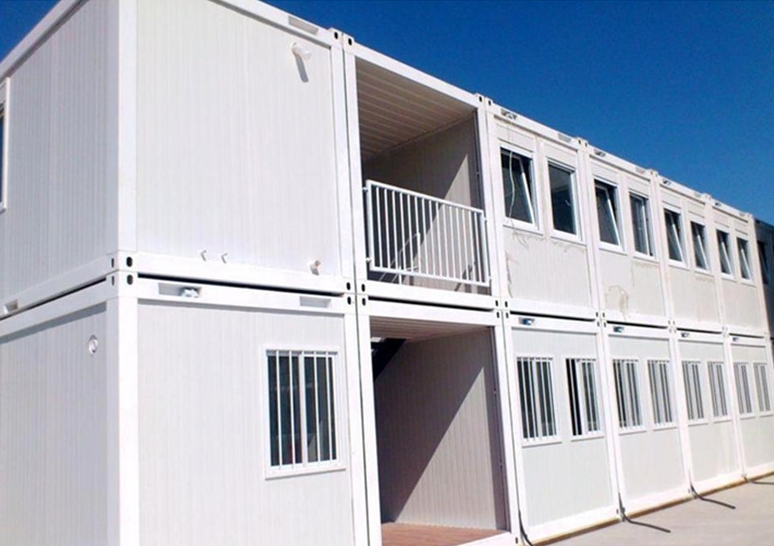
The Benefits of Superior Insulation in Tiny Homes
The investment in high-quality insulation for a space capsule house pays dividends in numerous ways. It's not merely about comfort; it's about creating a sustainable, resilient, and cost-effective living solution.
Year-Round Comfort and Energy Savings
The most immediate benefit is the consistent comfort. Imagine stepping into your tiny home on a frigid winter morning and it's still comfortably warm, or on a scorching summer afternoon and it remains refreshingly cool. This level of comfort is achieved with minimal energy input, leading to substantial savings on heating and cooling costs. For off-grid living, where energy generation can be limited, this efficiency is absolutely critical.
Reduced Environmental Impact
By minimizing energy consumption, space capsule houses with excellent insulation contribute to a lower carbon footprint. This aligns perfectly with the ethos of sustainable living that many tiny home dwellers embrace. Less energy used means fewer resources consumed and less pollution generated.
Increased Durability and Longevity
Proper insulation, coupled with effective moisture management, protects the structure from the damaging effects of condensation, mold, and rot. This leads to a more durable home that requires less maintenance and lasts longer.
Enhanced Property Value and Marketability
As the demand for energy-efficient and sustainable housing grows, well-insulated space capsule houses become more attractive to potential buyers or renters. The superior space capsule house insulation performance is a significant selling point, indicating quality construction and long-term cost savings.
Future Trends and Innovations in Tiny Home Insulation
The field of insulation is constantly evolving, and space capsule houses are at the forefront of adopting new technologies. We're seeing a growing interest in:
- Aerogels: While currently expensive, aerogels offer incredibly high R-values and are extremely thin, making them ideal for applications where space is at an absolute premium.
- Vacuum Insulated Panels (VIPs): These panels can achieve very high R-values in a thin profile, though they are sensitive to punctures and require careful installation.
- Smart Insulation Materials: Research is ongoing into materials that can actively adapt their insulating properties based on environmental conditions, further optimizing comfort and efficiency.
It's worth noting that the best insulation strategy often involves a combination of materials and techniques tailored to the specific climate, design, and budget of the space capsule house. Consulting with experienced builders and insulation specialists is highly recommended to achieve optimal results.
Ultimately, the space capsule house insulation performance is the unsung hero of these compact dwellings. It's the invisible shield that protects occupants from the elements, conserves energy, and ensures a comfortable, sustainable living experience. When planning or building a space capsule house, prioritizing and investing in top-tier insulation is one of the smartest decisions you can make.
For more detailed information, please visit our official website:space capsule house insulation
About the author: Alex "Eco-Builder" Thompson is a seasoned architect and sustainable building consultant with over 15 years of experience specializing in tiny homes and modular living solutions. He is passionate about innovative construction techniques that prioritize energy efficiency and environmental responsibility. Alex has a deep understanding of thermal dynamics and has guided countless clients in optimizing their homes for maximum comfort and minimal impact.