Prefab House Construction Timelines: Your Guide to Faster Home Building
Building a new home is often associated with lengthy waits and unpredictable schedules. To be honest, the traditional stick-built method can feel like an eternity. But what if there was a way to significantly slash that construction time? Enter the world of prefabricated homes. If you're curious about how quickly you can move into your dream dwelling, understanding prefab house construction timelines is key. In this comprehensive guide, we'll break down what influences these timelines, what to expect at each stage, and how to ensure your project stays on track.
Understanding the Prefabrication Advantage
The core benefit of prefab construction lies in its controlled factory environment. Unlike site-built homes, where weather and on-site coordination can cause major delays, prefab components are manufactured indoors, shielded from the elements. This parallel processing – where design, foundation work, and module fabrication happen simultaneously – is a game-changer for speed. Many experts agree that this is the primary reason for the accelerated prefab house construction timelines.
This efficiency isn't just about speed; it also translates to higher quality. The controlled environment allows for precise manufacturing, reduced waste, and consistent standards. So, while the initial thought might be about how fast you can get your keys, remember that speed doesn't come at the expense of quality with prefab.
The Stages of Prefab House Construction Timelines
While the overall timeline is shorter, it's still a multi-stage process. Let's break down the typical phases and their estimated durations:
1. Design and Permitting
This is where your vision starts to take shape. For prefab homes, this phase can be quicker than traditional building because many designs are already engineered. You'll work with the manufacturer to select or customize a floor plan, choose finishes, and finalize the structural details. Simultaneously, your chosen site will be assessed, and the necessary permits will be applied for. This stage can take anywhere from 2 to 8 weeks, depending on the complexity of your design, local building codes, and the efficiency of your local permitting office.
It's worth noting that having your site ready – clear, accessible, and with utilities planned – can significantly speed up this initial phase. Have you ever wondered how much time is truly spent on paperwork before any physical work begins? For prefab, this is a crucial, albeit often overlooked, part of the process.
2. Factory Fabrication
This is the heart of the prefab process. Once designs are approved and permits are in hand, your home's modules or panels begin their journey on the factory floor. This is where the bulk of the construction happens. Skilled tradespeople work in a streamlined environment to build your home's structure, walls, floors, and even install plumbing, electrical, and HVAC systems. This phase typically takes between 4 to 12 weeks. The duration depends on the size and complexity of your home, the number of modules required, and the manufacturer's production schedule.
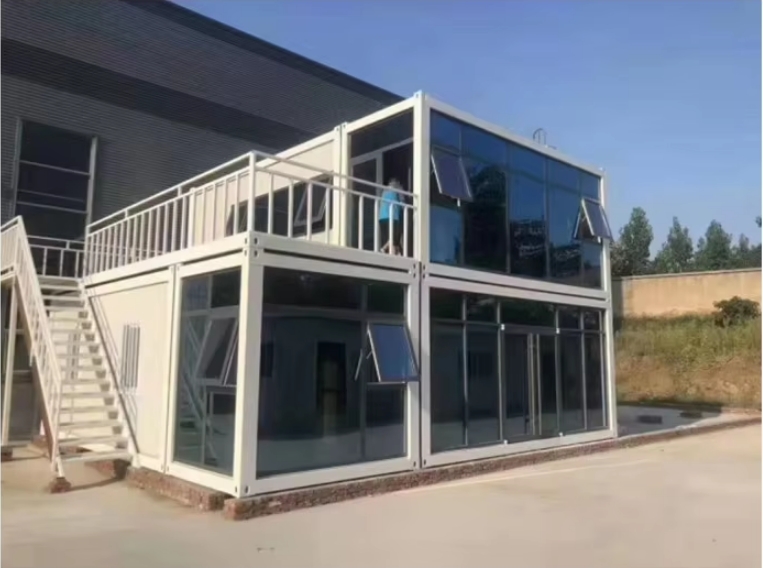
Interestingly enough, while your home is being built in the factory, you'll be preparing your site for its arrival. This includes foundation work, utility hookups, and any necessary landscaping preparations. This parallel activity is a major contributor to the overall reduction in prefab house construction timelines.
3. Site Preparation and Foundation
As mentioned, this often happens concurrently with factory fabrication. The site needs to be prepared, including excavation, grading, and the pouring of the foundation. This could be a concrete slab, a crawl space, or basement walls, depending on your design and local requirements. This phase usually takes 2 to 4 weeks. A well-prepared site is crucial for a smooth and timely delivery and installation of your prefab modules.
4. Transportation and Installation (Setting)
Once fabrication is complete, your home's modules are carefully transported from the factory to your building site. This is a critical logistical step. The modules are then lifted into place by cranes and assembled on the prepared foundation. This installation, often referred to as "setting," is remarkably fast. Typically, the modules can be set and joined together within 1 to 3 days.

Frankly speaking, seeing your home come together so quickly during the setting phase is one of the most rewarding parts of the prefab process. It’s a tangible representation of the efficiency you’ve chosen.
5. Finishing and Inspection
After the modules are set and joined, the final finishing touches are applied. This includes connecting utilities between modules, sealing joints, completing interior finishes (like flooring, painting, and cabinetry), and installing exterior cladding and roofing if not fully completed in the factory. This stage can take anywhere from 2 to 6 weeks. Finally, the home will undergo inspections by local building authorities to ensure it meets all codes and standards.
This is where the distinction between a "finished" prefab home and a "dried-in" shell becomes important. Some manufacturers offer a fully turnkey solution, while others deliver a "dried-in" shell that requires more on-site finishing by local contractors.
Factors Influencing Prefab House Construction Timelines
While the stages provide a framework, several factors can influence the overall duration of your prefab house construction timelines. Understanding these can help you set realistic expectations:
- Home Complexity and Size: Larger and more complex designs with multiple modules will naturally take longer to fabricate than simpler, smaller homes.
- Manufacturer's Production Schedule: Popular manufacturers may have longer lead times due to high demand. Booking your build slot well in advance is advisable.
- Site Accessibility: Difficult terrain, narrow roads, or limited access for large trucks and cranes can add time and complexity to transportation and installation.
- Weather Conditions: While factory fabrication is weather-proof, on-site work like foundation pouring and module setting can be delayed by severe weather.
- Permitting and Inspection Delays: Bureaucratic processes can sometimes be unpredictable. Working with manufacturers experienced in your region can help navigate this.
- Customization Level: Extensive custom features and unique material selections can add to the design and fabrication time.
- Utility Availability: Ensuring that water, sewer/septic, and electricity are readily available at your site can prevent delays during the finishing stages.

In my experience, clear communication with your prefab builder and a proactive approach to site readiness are paramount. Many experts agree that a well-prepared site is half the battle won.
Comparing Prefab Timelines to Traditional Building
Let's put it into perspective. A traditional stick-built home can often take 6 to 12 months, sometimes even longer, from groundbreaking to move-in. In contrast, the entire prefab house construction timelines, from design to completion, can range from 3 to 6 months. This is a significant time saving, allowing you to enjoy your new home much sooner.
This accelerated pace for modular home builds is a major draw for many homeowners, particularly those looking to build quickly or those facing time constraints. The predictability of the factory process also means fewer surprises and a more controlled budget, which is a welcome bonus.
Tips for Optimizing Your Prefab Build Timeline
Want to ensure your prefab project moves as smoothly and quickly as possible? Here are a few tips:
- Choose a Reputable Manufacturer: Research builders thoroughly. Look for those with a proven track record and positive reviews regarding their build times and customer satisfaction.
- Be Decisive with Design: While customization is a perk, making quick decisions on your floor plan, finishes, and options will prevent bottlenecks in the design and ordering phases.
- Prepare Your Site Early: Get your site surveyed, cleared, and ready for foundation work as soon as possible. Ensure utility access points are identified and planned.
- Understand Local Regulations: Familiarize yourself with your local building codes and permitting process. This will help you anticipate any potential hurdles.
- Maintain Open Communication: Stay in regular contact with your builder. Ask questions, voice concerns, and ensure you're both on the same page throughout the process.
- Factor in Contingencies: While prefab is predictable, minor unforeseen issues can still arise. Build a small buffer into your timeline and budget for peace of mind.
Have you ever considered the logistical challenges of building a home? For prefab, these are meticulously planned to minimize impact on your timeline.
Ultimately, prefab house construction timelines offer a compelling advantage for those seeking a faster, more predictable path to homeownership. By understanding the process, the influencing factors, and by taking proactive steps, you can significantly expedite the journey to your new home.
For more detailed information, please visit our official website:prefab house construction timelines
About the author: Sarah Jenkins is a seasoned home building consultant with over a decade of experience in the residential construction industry. She specializes in modern building techniques, with a particular focus on the efficiency and innovation of prefabricated and modular homes. Sarah is passionate about helping clients navigate the complexities of home construction, ensuring they achieve their dream homes with clarity and confidence.