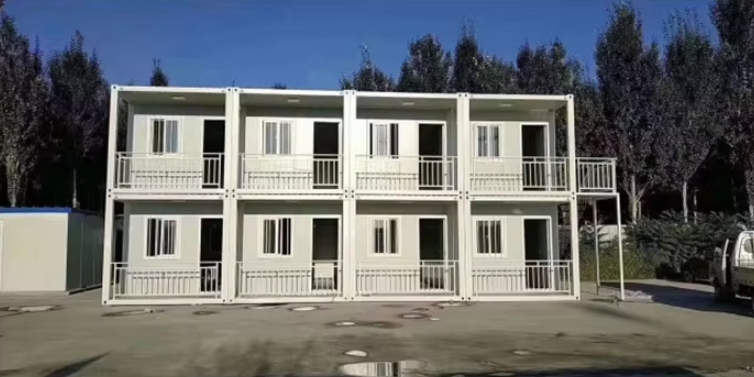
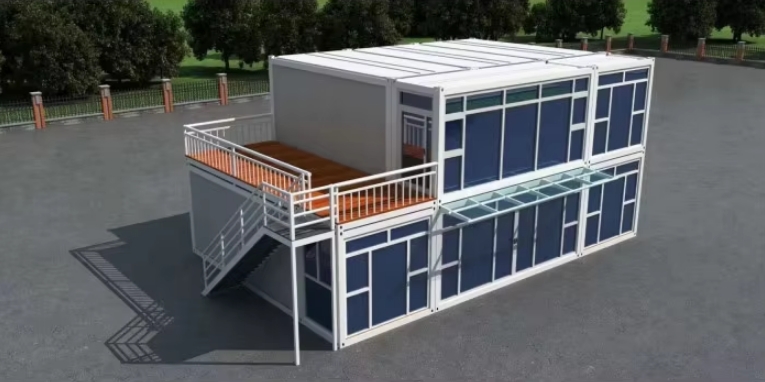
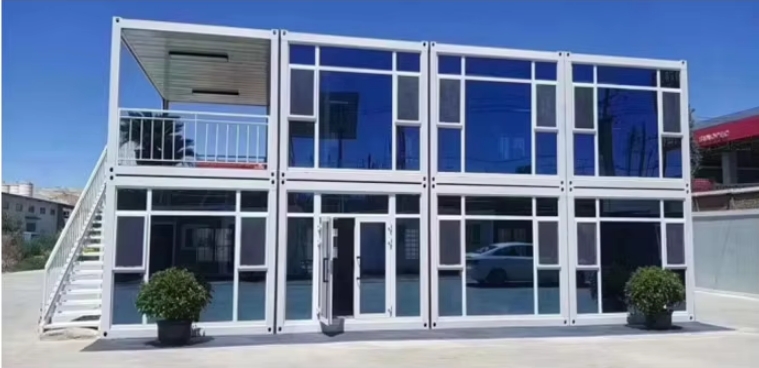
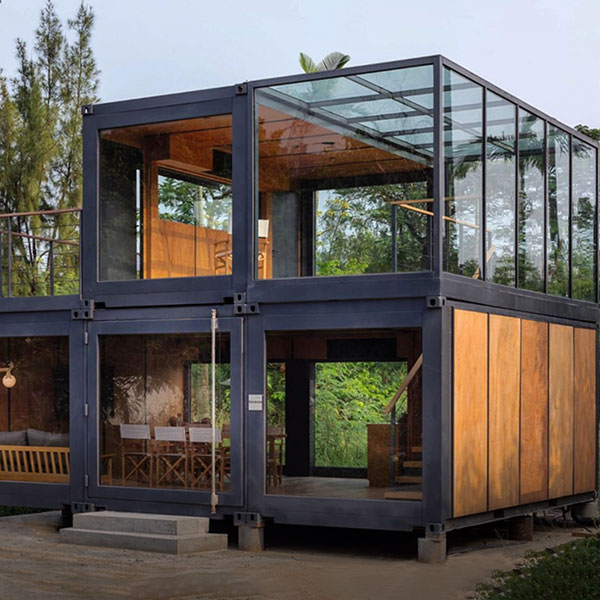
Building Beyond Boundaries: Unlocking the Advantages of Prefab Homes for Remote Sites
The dream of owning a home in a secluded, picturesque location – perhaps nestled in the mountains, overlooking a vast desert, or perched on a remote coastline – is a powerful one. However, bringing that dream to life on a remote site often comes with a unique set of challenges. Traditional construction methods can be prohibitively expensive, time-consuming, and logistically nightmarish when dealing with difficult terrain, limited access, and a lack of local infrastructure. This is precisely where prefab home benefits for remote sites shine, offering a modern, efficient, and surprisingly practical solution. Frankly speaking, for many looking to build in off-grid or hard-to-reach areas, prefab isn't just an option; it's often the most sensible one.
Have you ever wondered how people manage to build beautiful homes in places far from the beaten path? It’s a question that crosses many minds when scrolling through stunning images of remote dwellings. The answer, increasingly, lies in modular and prefabricated construction. These building systems are revolutionizing how we approach construction in challenging environments, making the seemingly impossible, possible.
The Logistical Hurdles of Remote Site Construction
Let's be honest, building on a remote site is rarely a walk in the park. The journey from concept to completion is fraught with potential pitfalls. Imagine trying to transport large quantities of materials, heavy machinery, and a skilled labor force to a location with unpaved roads, steep inclines, or simply a significant distance from urban centers. The costs associated with this logistical ballet can quickly escalate.
Transportation: Getting everything and everyone to the site is often the first major hurdle. Specialized vehicles, extended travel times, and the risk of delays due to weather or road conditions all add to the expense and complexity. For traditional builds, this means multiple trips, carrying materials in stages, and often, significant wear and tear on equipment.
Labor: Finding and retaining skilled labor willing to travel to and stay at a remote location can be incredibly difficult. This often translates to higher wages, accommodation costs, and the need for extensive project management to ensure workers are available when needed. The productivity of labor can also be impacted by the isolation and the need to commute long distances daily.
Site Preparation: Remote sites may lack existing utilities like electricity, water, and sewer systems. Preparing the land itself can also be more challenging, requiring specialized equipment for excavation, grading, and foundation work, especially if the terrain is uneven or rocky.
Weather Delays: Construction schedules are notoriously susceptible to weather. In remote areas, this vulnerability is often amplified. Extreme temperatures, heavy rain, snow, or high winds can halt progress for days or even weeks, significantly impacting timelines and budgets.
Waste Management: Disposing of construction waste responsibly from a remote site can be another logistical headache. Transporting debris back to designated disposal facilities adds costs and environmental considerations.
Prefab Homes: A Smarter Solution for Remote Locations
This is where the significant prefab home benefits for remote sites come into play. Prefabricated homes, also known as modular homes, are built in sections or modules in a controlled factory environment. These modules are then transported to the final site and assembled by a specialized crew. This off-site construction process fundamentally changes the game for building in challenging locations.
Interestly enough, many experts agree that the controlled factory setting is the key to overcoming many remote construction challenges. The manufacturing process is streamlined, efficient, and largely immune to external weather conditions.
Speed and Efficiency: Getting You Home Faster
One of the most compelling prefab home benefits for remote sites is the dramatic reduction in construction time. Because the modules are built simultaneously in a factory while site preparation is underway, the on-site assembly process is significantly shorter.
In my experience, this speed is invaluable for remote projects. Instead of months of on-site work, the actual assembly on-site might only take a few weeks. This means less time spent dealing with logistical complexities, fewer labor costs for extended periods, and a quicker path to enjoying your remote sanctuary. The factory environment allows for parallel processing – foundation work and module construction happening at the same time – which is a huge advantage over traditional stick-built methods where everything happens sequentially on-site.
Reduced On-Site Labor: With less time spent on-site, you require fewer workers for shorter durations, reducing labor costs and the need for extensive accommodation or travel arrangements.
Minimized Weather Delays: The majority of the construction happens indoors, shielded from the elements. This predictability is a massive advantage when building in areas prone to unpredictable weather patterns.
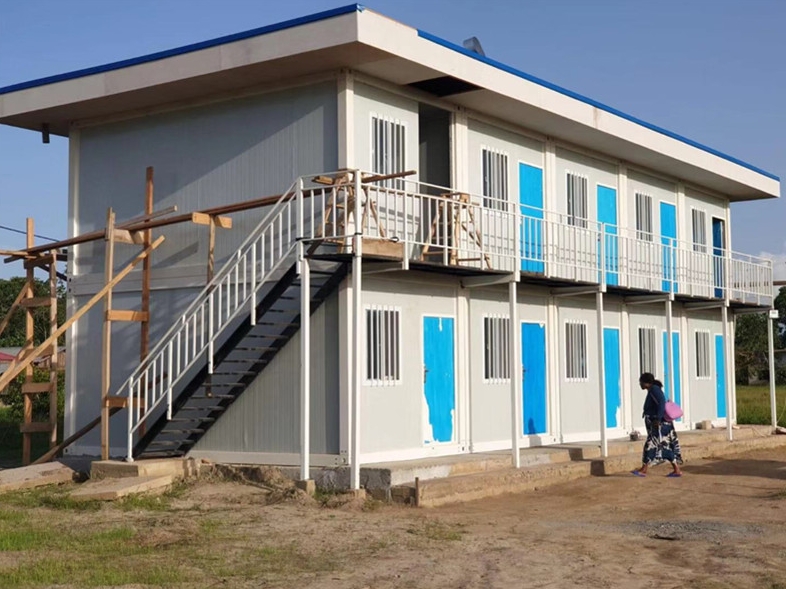
Cost-Effectiveness: Smart Spending in Remote Areas
While the initial perception might be that prefab is expensive, when you factor in all the hidden costs of traditional remote construction, prefab often emerges as the more economical choice. The prefab home benefits for remote sites extend directly to your wallet.
The controlled factory environment leads to less material waste. Manufacturers can optimize material usage, and any offcuts can often be reused or recycled within the factory. This efficiency translates to lower material costs. Furthermore, the predictable build schedule means fewer unexpected expenses due to delays. You can budget more accurately, which is crucial for remote projects where unforeseen costs can quickly spiral.
Bulk Purchasing Power: Prefab manufacturers often buy materials in bulk, securing better prices than individual builders on remote sites.
Reduced Transportation Costs (Overall): While modules need to be transported, the efficiency of moving finished sections can sometimes be more cost-effective than multiple, smaller deliveries of raw materials over extended periods.
Lower Labor Costs: As mentioned, reduced on-site time directly translates to lower labor expenditures.
Sustainability and Environmental Impact
Building in remote, often pristine, environments carries a significant responsibility to minimize environmental impact. Prefabricated construction offers several sustainability advantages that are particularly relevant for remote sites.
The factory setting allows for precise construction, leading to tighter building envelopes that are more energy-efficient. This means lower heating and cooling costs over the life of the home, a crucial consideration for off-grid or energy-independent living. Furthermore, the reduced on-site construction time means less disruption to the natural landscape, less soil compaction, and a smaller footprint during the building phase.
Reduced Material Waste: Factories are designed for efficiency, minimizing offcuts and waste. This is a significant environmental benefit, especially when waste disposal in remote areas is challenging.
Energy Efficiency: Tightly sealed and well-insulated modules contribute to lower energy consumption, reducing reliance on generators or other less sustainable energy sources.
Less Site Disruption: The modular assembly process requires less heavy machinery and less time on-site, preserving the natural beauty and ecological balance of the remote location.
Addressing Specific Remote Site Challenges with Prefab
Let's delve deeper into how prefab homes specifically tackle the unique challenges of remote sites.
Off-Grid Capabilities
Many remote sites are, by definition, off-grid, meaning they lack access to public utilities. Prefabricated homes are exceptionally well-suited for off-grid living. Their inherent energy efficiency makes them ideal partners for solar power systems, rainwater harvesting, and composting toilets.
Many prefab manufacturers can integrate these systems directly into the modules during the factory build. This means your solar panels, battery storage, water filtration systems, and waste management solutions can be pre-installed and tested before the modules even arrive at your site. This is a far more integrated and efficient approach than trying to retrofit these systems onto a traditionally built home in a remote location. Many experts agree that planning for off-grid living from the design phase is critical for success.
Integrated Systems: The factory environment allows for seamless integration of solar, water, and waste systems.
Optimized for Efficiency: Prefab homes are designed for energy efficiency, reducing the demands on off-grid power and water supplies.
Foundation and Terrain Adaptability
Building on uneven, rocky, or otherwise challenging terrain is a common issue for remote sites. While traditional foundations can be complex and costly to engineer for such conditions, prefab modules can often be adapted to various foundation types.
This can include pier foundations, screw piles, or even specialized foundation systems designed to minimize site disturbance. The modular nature of the build means that the foundation can be prepared independently of the module construction, and once the modules arrive, they can be precisely placed and secured. This adaptability is a significant advantage when dealing with the unpredictable ground conditions often found in remote areas. Building modular homes off-grid often involves creative foundation solutions.
Durability and Resilience
Homes in remote locations are often exposed to harsher environmental conditions, from strong winds to extreme temperatures. Prefabricated homes are built to stringent building codes and standards, often exceeding those of traditional on-site construction due to the controlled factory environment and rigorous quality control.
The structural integrity of the modules is tested and verified in the factory. They are designed to withstand the stresses of transportation and are engineered for structural soundness. Many prefab manufacturers also offer options for enhanced insulation, impact-resistant windows, and robust cladding materials, ensuring your remote home is built to last and withstand the elements.
The Future of Remote Living: Prefabricated Homes
To be honest, the idea of building a home in a remote location used to be the domain of the very wealthy or the extremely determined DIY enthusiast willing to endure significant hardship. However, the advent and refinement of prefabricated and modular construction have democratized the possibility. The prefab home benefits for remote sites are undeniable, offering a pathway to realizing those dreams with greater ease, efficiency, and sustainability.
As technology continues to advance and more people seek to escape the hustle and bustle for the tranquility of remote living, the demand for smart, efficient, and adaptable housing solutions will only grow. Prefabricated homes are perfectly positioned to meet this demand, offering a compelling blend of innovation, practicality, and environmental consciousness. If you're considering building in a challenging or remote location, exploring the world of prefab is not just a good idea; it's likely the smartest move you can make.
For more detailed information, please visit our official website:prefab homes remote sites
About the author: Alex Thompson is a seasoned writer and advocate for sustainable building practices, with a particular interest in innovative housing solutions for challenging environments. Having spent years researching and reporting on the construction industry, Alex has a deep understanding of the practical and economic advantages of modular and prefabricated homes, especially for remote and off-grid applications.