Container House Construction Cost: Your Ultimate Guide to Budgeting and Building
Have you ever looked at a sleek, modern home and wondered if it was built from scratch or perhaps something more… unconventional? Shipping container homes are rapidly gaining popularity, offering a unique blend of sustainability, durability, and modern aesthetics. But when it comes to making the leap from admiring these structures to owning one, the big question on everyone's mind is: what's the actual container house construction cost?
To be honest, there's no single, simple answer. The price tag for a container home can vary wildly, much like traditional stick-built houses. It depends on a multitude of factors, from the number of containers used to the level of customization and the location of your build. This guide aims to demystify the process, providing you with a comprehensive understanding of what goes into the final cost, helping you budget effectively for your dream container dwelling.
Understanding the Core Components of Container House Construction Cost
Frankly speaking, the foundation of any container home's cost lies in its constituent parts. At its most basic, a container house is built using repurposed shipping containers. These aren't just any old boxes; they are robust steel structures designed to withstand harsh maritime conditions. However, their journey from cargo carriers to cozy homes involves several significant cost drivers.
The Containers Themselves: New vs. Used and Their Impact
The first major consideration is the price of the containers themselves. You have two main options:
- New (One-Trip) Containers: These containers have typically made only one journey from the factory to their point of sale. They are in excellent condition, with minimal wear and tear, and are often preferred for residential builds due to their pristine state. They will, understandably, be more expensive than used containers.
- Used (WWT - Wind and Watertight) Containers: These have seen more service and may have minor dents, rust spots, or faded paint. While they are cheaper upfront, they might require more preparation and potentially some repairs before they can be used in construction. It's crucial to ensure they are indeed wind and watertight, as structural integrity is paramount.
The size of the container also plays a role. The most common sizes are 20-foot and 40-foot standard or high-cube (which offers extra height). A 40-foot high-cube container will naturally cost more than a standard 20-foot one.
Site Preparation and Foundation
Before any container can be placed, your building site needs to be ready. This involves:
- Land Acquisition/Lease: If you don't already own land, this is a significant upfront cost.
- Site Clearing and Grading: Removing debris, leveling the ground, and ensuring proper drainage.
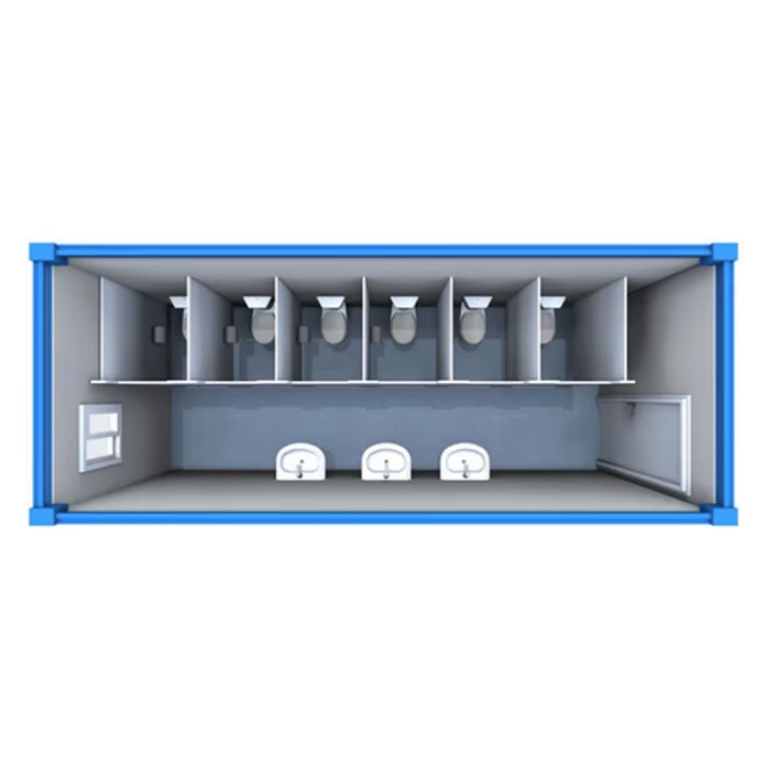
- Foundation: While some container homes can be placed on simple concrete piers or a gravel pad, others require a more substantial foundation, such as a concrete slab or a crawl space. The type of foundation needed will depend on local building codes, soil conditions, and the design of your home. This is a critical element that directly impacts the container house construction cost.
Beyond the Box: Essential Construction and Finishing Costs
Once the containers are on-site and the foundation is laid, the real transformation begins. This is where a significant portion of your budget will be allocated.
Modifications and Structural Changes
Shipping containers are essentially large metal boxes. To make them habitable, they need to be modified. This includes:
- Cutting Openings: Creating doorways, windows, and access points requires precision cutting and reinforcement to maintain structural integrity.
- Welding and Reinforcement: Joining multiple containers together, adding internal framing, and reinforcing cut-out sections are essential for creating a cohesive and safe living space.
- Insulation: This is arguably one of the most critical aspects for comfort and energy efficiency. Options range from spray foam and rigid foam boards to batt insulation. Proper insulation is key to mitigating the extreme temperatures that metal containers can experience.
Interior and Exterior Finishes
This is where your container home starts to look and feel like a traditional house, and where costs can escalate based on your choices.
- Flooring: Options include polished concrete, laminate, hardwood, tile, or vinyl.
- Walls and Ceilings: Drywall, wood paneling, or exposed container walls are common choices.
- Kitchen and Bathroom: Cabinets, countertops, fixtures, appliances, and tiling. High-end finishes will significantly increase the cost.
- Windows and Doors: Beyond the basic openings, the quality and style of windows and doors will impact the budget.
- Roofing: While containers have roofs, many designs incorporate an additional pitched or flat roof for aesthetics, drainage, and further insulation.
- Exterior Cladding: Some owners choose to clad their container homes with wood, metal siding, or stucco for a more conventional look and added weather protection.
Interestingly enough, the level of customization you desire here can dramatically affect the overall container house construction cost. A minimalist approach will be far more budget-friendly than a luxury finish.
The Hidden Costs: Utilities, Permits, and Labor
It's easy to get caught up in the visible aspects of building, but several less obvious costs can add up quickly.
Utility Connections
Connecting your container home to essential services is a non-negotiable expense.
- Plumbing: Running water lines, sewage, and drainage systems.
- Electrical: Installing wiring, outlets, lighting fixtures, and connecting to the grid.
- HVAC: Heating, ventilation, and air conditioning systems are crucial for comfort, especially given the thermal properties of steel.
- Septic Systems/Sewage: If you're building in a rural area without access to municipal sewer lines, you'll need to factor in the cost of a septic system.
Permits and Inspections
Navigating local building codes and obtaining the necessary permits is a vital step. Many municipalities are still developing specific regulations for container homes, which can sometimes lead to confusion or additional requirements. Factor in the cost of applications, inspections, and potential architectural or engineering fees required to meet code.
Labor Costs
Unless you're an experienced builder yourself, you'll need to hire professionals. This includes:
- General Contractor: To oversee the entire project.
- Welders and Fabricators: For modifying and joining the containers.
- Electricians, Plumbers, HVAC Technicians: For utility installations.
- Finish Carpenters and Drywallers: For interior and exterior finishes.
Labor costs can vary significantly based on your location and the complexity of the build. Many experts agree that professional installation is crucial for safety and longevity.
Factors Influencing the Final Container House Construction Cost
We've touched upon many of these, but let's consolidate the key variables that will dictate your final bill.
Location, Location, Location
The cost of materials and labor can differ dramatically from one region to another. Building in a major metropolitan area will likely be more expensive than in a rural setting. Furthermore, transportation costs for the containers themselves will be higher if your build site is far from a port or distribution hub.
Design Complexity and Size
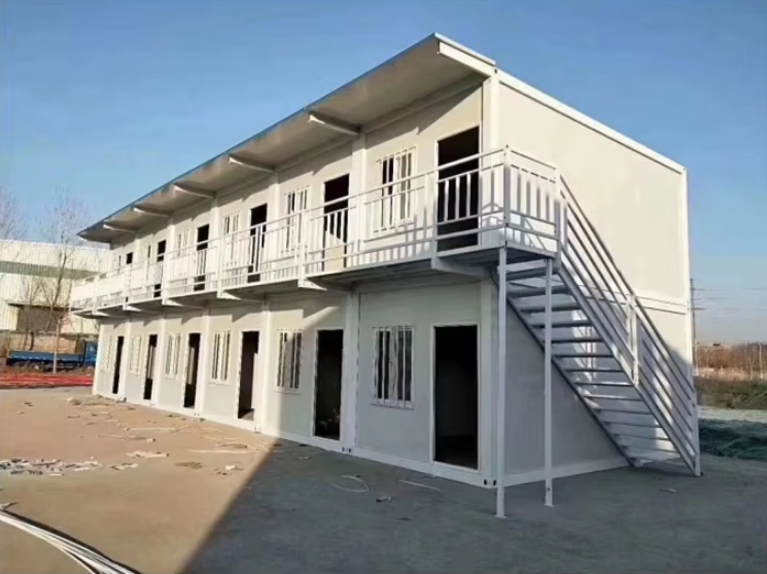
A simple, single-container studio will be significantly cheaper than a multi-container, multi-story home with complex architectural features. The more containers you use, the more modifications, connections, and finishes you'll need, driving up the price.
Level of Finish and Customization
As mentioned, opting for high-end appliances, custom cabinetry, luxury flooring, and designer fixtures will add substantial costs. The more unique and personalized your vision, the more you can expect to pay.
DIY vs. Professional Build
If you have the skills, time, and willingness to tackle parts of the construction yourself, you can save on labor costs. However, be realistic about your capabilities. Mistakes in structural modifications or utility installations can be costly to fix and compromise safety. Many people opt for a hybrid approach, handling some tasks while hiring professionals for critical elements.
New vs. Used Containers
This is a fundamental cost decision. While used containers are cheaper upfront, they might require more investment in repairs and preparation. New containers offer peace of mind but come with a higher initial price tag.
Estimating Your Container Home Budget: A Realistic Outlook
So, what can you realistically expect to pay? While precise figures are impossible without a detailed plan, here's a general breakdown to help you frame your expectations for container house construction cost:
- Basic Container Shell: For 1-2 used 40-foot containers, expect to pay anywhere from $5,000 to $15,000. New containers will be in the $7,000 to $20,000+ range.
- Modified and Insulated Shell: Once you add basic modifications, insulation, and structural reinforcements, the cost can jump to $20,000 - $50,000 per container unit.
- Finished Home (DIY-Heavy): A very basic, small container home completed with significant DIY effort might range from $30,000 to $70,000.
- Finished Home (Professional Build): For a professionally built, mid-range container home of moderate size (e.g., 2-3 containers), you could be looking at $80,000 to $150,000+.
- Luxury/Custom Container Homes: High-end finishes, complex designs, and multiple containers can easily push the cost well over $200,000, sometimes even rivaling traditional custom home prices.
It's worth noting that the average shipping container home prices per square foot can still be competitive with traditional housing, especially for simpler designs. However, the upfront costs for modifications and specialized labor can make the initial investment seem higher.
When budgeting for your container home, always add a contingency fund of at least 10-20% for unexpected expenses. This is a crucial piece of advice I've found invaluable in construction projects.
Building a container home is an exciting endeavor that offers a unique path to homeownership. By understanding the various components that contribute to the container house construction cost, you can approach your project with a clear budget and realistic expectations. Do your research, get multiple quotes, and plan meticulously to bring your innovative living space to life.
For more detailed information, please visit our official website:container house cost
About the author: Alex "The Architect" Chen is a seasoned construction consultant with over 15 years of experience specializing in innovative and sustainable building solutions. He has a keen eye for detail and a passion for helping clients navigate the complexities of construction, particularly in emerging markets like modular and containerized housing. Alex is dedicated to providing practical, expert advice for your next building project.