





Unlocking Innovation: Finding the Best Container Home Supplier for Your Commercial Projects
2025-11-23
The world of commercial construction is constantly evolving, seeking more sustainable, cost-effective, and faster building solutions. In this landscape, container homes, or more accurately, container-based structures, have emerged as a compelling option. They offer a unique blend of durability, modularity, and a reduced environmental footprint. But when it comes to leveraging these benefits for your business, the crucial first step is identifying the best container home supplier for commercial projects. This isn't just about finding a company that sells containers; it's about partnering with a provider who understands the nuances of commercial applications and can deliver a project that meets your specific needs, budget, and timeline.
Frankly speaking, the term "container home" can sometimes be a misnomer in the commercial realm. While residential applications are popular, commercial projects often involve more complex designs, stringent building codes, and a need for robust, scalable solutions. This is where specialized suppliers who focus on modular and prefab construction using shipping containers truly shine. They go beyond simply repurposing old containers; they engineer and fabricate purpose-built modules designed for a wide array of commercial uses, from pop-up retail spaces and office complexes to modular hotels and even educational facilities.
Why Choose Container-Based Solutions for Commercial Projects?
Before diving into supplier selection, it's essential to understand the inherent advantages that make container-based structures an attractive proposition for businesses. In my experience, these benefits are often the driving force behind a company's decision to explore this innovative construction method. Firstly, speed of construction is a significant draw. Because the modules are fabricated off-site in a controlled factory environment, they are largely immune to weather delays that plague traditional construction sites. This parallel processing – site preparation happening simultaneously with module fabrication – can drastically reduce overall project timelines. This is invaluable for businesses looking to launch new ventures or expand quickly. Secondly, cost-effectiveness is a major factor. While the initial perception might be that specialized modules are expensive, when you factor in the reduced labor costs, shorter construction times, and less material waste, container-based projects can often be more budget-friendly than conventional builds. Furthermore, the inherent strength and durability of steel containers translate to lower maintenance costs over the building's lifespan. Thirdly, sustainability is increasingly important for corporate social responsibility and brand image. Repurposing shipping containers diverts them from landfills, giving them a second life. The modular nature also minimizes on-site waste. Many suppliers also incorporate eco-friendly insulation and finishing materials, further enhancing the green credentials of the project. Finally, versatility and scalability are inherent to the modular design. Need to expand your office space in a few years? With container modules, adding new units can be a relatively straightforward process. This flexibility allows businesses to adapt their physical footprint as their needs evolve.Key Considerations When Selecting a Commercial Container Home Supplier
Navigating the market to find the best container home supplier for commercial projects requires a discerning eye. It's not a one-size-fits-all scenario. Here are the critical factors to evaluate:1. Experience in Commercial Applications
This is paramount. A supplier that primarily caters to individual residential buyers might not have the expertise to handle the complexities of commercial projects. Look for suppliers who explicitly showcase a portfolio of commercial builds. This includes understanding zoning laws, building codes specific to commercial structures, accessibility requirements (ADA compliance), and the integration of commercial-grade utilities and systems.2. Customization and Design Capabilities
Commercial projects are rarely cookie-cutter. The best container home supplier for commercial projects will offer significant customization options. Can they modify container dimensions? Can they integrate specific window and door configurations? What about interior finishes, HVAC systems, and plumbing to meet commercial standards? A good supplier will have in-house design teams or strong partnerships with architects and engineers who can translate your vision into a functional and aesthetically pleasing structure.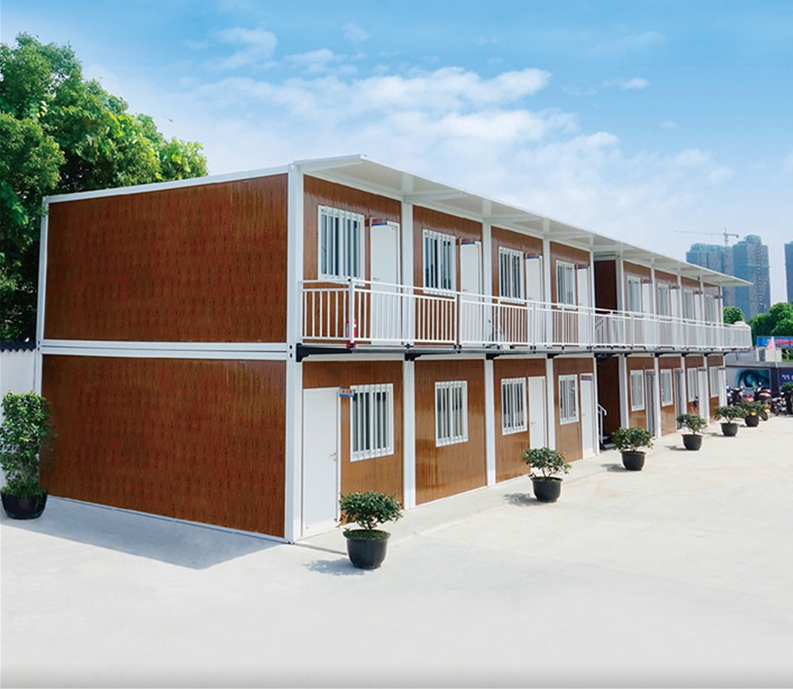
3. Manufacturing Quality and Certifications
The quality of fabrication directly impacts the longevity and safety of your commercial building. Inquire about their manufacturing processes. Do they use new or refurbished containers? If refurbished, how are they inspected and prepared? What quality control measures are in place during the fabrication process? It's also crucial to check if their modules meet relevant building codes and standards in your region. Some suppliers may offer certifications or adhere to specific industry benchmarks, which can provide peace of mind.4. Project Management and Support
A supplier is more than just a manufacturer; they are a partner. How do they handle project management? Will they provide site assessment, delivery logistics, and installation support? Understanding their communication protocols, project timelines, and the level of support they offer throughout the entire process is vital. A supplier with a proven track record in delivering commercial projects on time and within budget is a strong indicator of their capability.5. Reputation and Client Testimonials
Do your due diligence. Look for online reviews, case studies, and testimonials from previous commercial clients. Speaking directly with past clients, if possible, can offer invaluable insights into the supplier's reliability, quality of work, and customer service. A strong reputation built on successful commercial projects is a significant trust signal.Exploring Different Types of Commercial Container Projects
The adaptability of container architecture means it can be applied to a surprisingly diverse range of commercial ventures. Understanding these applications can help you better articulate your needs to potential suppliers.Modular Retail and Pop-Up Shops
For businesses looking for a flexible and eye-catching retail presence, container shops are ideal. They can be deployed quickly for seasonal events, markets, or as a temporary solution during renovations. The industrial aesthetic of containers can also be a unique selling point, attracting customers with its modern, edgy vibe. Finding a supplier experienced in creating attractive, functional retail spaces with integrated power, lighting, and display solutions is key here.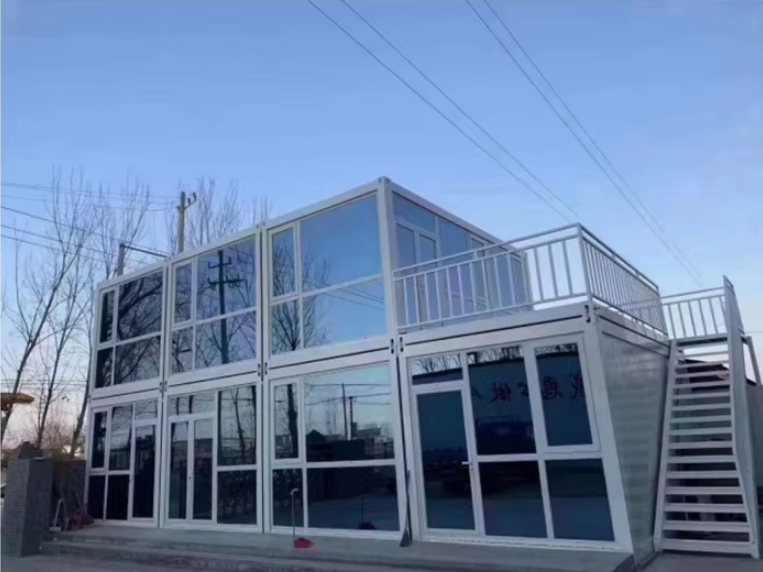
Temporary and Permanent Office Spaces
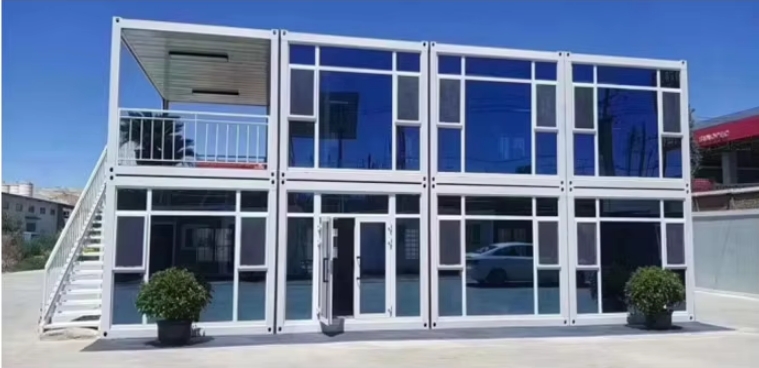
Companies needing to expand their office footprint rapidly, or those seeking more cost-effective office solutions, are increasingly turning to container offices. These can range from single-unit executive offices to multi-story complexes. The ability to customize layouts, integrate networking, and ensure a comfortable working environment makes them a viable alternative to traditional builds. Many suppliers can create insulated, climate-controlled modules that rival the comfort of conventional offices.Hospitality and Accommodation Solutions
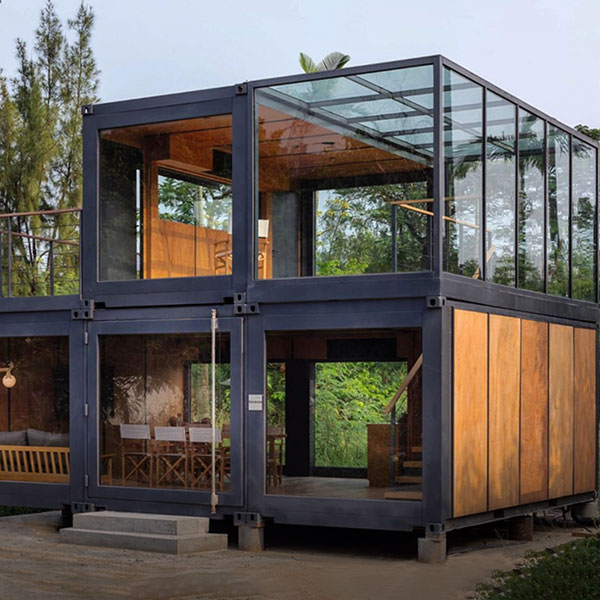
Interestingly enough, container architecture is making waves in the hospitality sector. Think modular hotel rooms, eco-lodges, glamping pods, and even staff accommodation for remote sites. The durability of containers makes them suitable for various climates, and their modularity allows for rapid deployment in diverse locations, from urban centers to remote natural settings. Suppliers with experience in creating comfortable, aesthetically pleasing, and code-compliant living spaces are essential for these projects.Educational and Community Facilities
Container-based structures can also serve as classrooms, community centers, workshops, or even temporary medical facilities. Their quick deployment and potential for cost savings make them attractive for educational institutions or non-profit organizations with budget constraints. The key here is working with a supplier who understands the specific functional requirements of such spaces, including acoustics, safety, and accessibility.Finding the Best Container Home Supplier for Commercial Projects: A Strategic Approach
To truly find the best container home supplier for commercial projects, you need a strategic approach that goes beyond a simple online search. Start by clearly defining your project requirements. What is the intended use of the space? What is your budget? What is your timeline? What are the specific functional and aesthetic needs? The more clarity you have, the easier it will be to identify suppliers who can meet those demands. Next, conduct thorough research. Look for suppliers who specialize in modular construction and have a strong portfolio of commercial projects. Don't be afraid to ask for references and speak with past clients. Request detailed proposals that outline their design process, manufacturing capabilities, pricing structure, and project timelines. When evaluating proposals, pay close attention to the details. Are the specifications clear? Is the pricing transparent? Are there any hidden costs? It's also worth noting that the cheapest option isn't always the best. Prioritize quality, experience, and reliability. Consider visiting a supplier's manufacturing facility if possible. Seeing their operation firsthand can provide invaluable insights into their quality control, production capacity, and overall professionalism. This step is particularly important for larger or more complex commercial projects. Finally, remember that building a relationship with your supplier is crucial. You want a partner who is communicative, responsive, and committed to the success of your project. A collaborative approach will lead to a more seamless and ultimately more successful outcome. Have you ever wondered how these modular structures are so efficiently put together? It's a testament to meticulous planning and strong supplier partnerships. In conclusion, the journey to finding the best container home supplier for commercial projects involves careful consideration, thorough research, and a clear understanding of your project's unique needs. By focusing on experience, quality, customization, and a strong partnership, you can leverage the innovative potential of container architecture to create functional, sustainable, and cost-effective commercial spaces that drive your business forward.For more detailed information, please visit our official website:container home supplier
About the author: Alex Chen is a seasoned industry expert with over a decade of experience in modular and prefab construction. He specializes in advising businesses on innovative building solutions, with a particular focus on sustainable and cost-effective commercial projects. Alex is passionate about helping clients navigate the complexities of modern construction to achieve their unique goals.
Get in touch with us
Contact me
+86 13805366551
Contact with us
Contact person: Andriy Shulya
Phone: +86 13805366551
E-mail:[email protected]
WhatsApp: +8613805366551
Add: 中国-山东省-潍坊市-新型制造产业园
Copyright © 2012-2026 潍坊青驰房屋有限公司 版权所有 非商用版本
