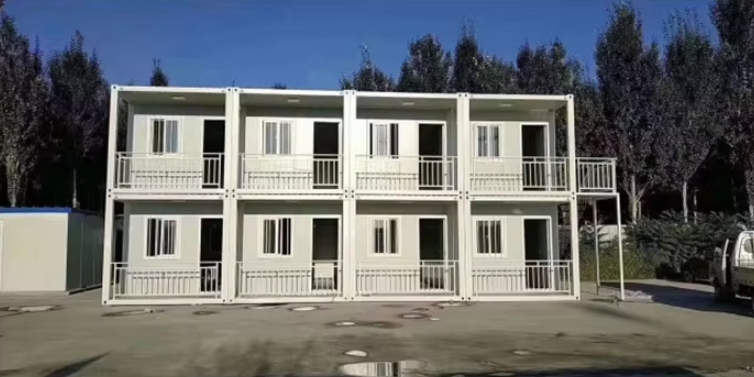
Mastering the Art: How to Evaluate Modular Home Construction Quality for Industrial Use
When it comes to industrial applications, the need for speed, efficiency, and robust construction is paramount. Modular construction has emerged as a compelling solution, offering significant advantages over traditional building methods. However, to truly leverage these benefits, it's crucial to know how to evaluate modular home construction quality for industrial use. This isn't just about aesthetics; it's about ensuring structural integrity, durability, compliance, and long-term performance in demanding environments.
Frankly speaking, the perception of modular buildings has evolved dramatically. Gone are the days when "prefab" meant flimsy and temporary. Today's modular solutions, especially those designed for industrial purposes, are sophisticated, engineered structures built to rigorous standards. But how do you distinguish high-quality construction from the mediocre? This guide will walk you through the essential elements to consider when assessing the quality of modular units destined for industrial settings.
Understanding the Industrial Modular Advantage
Before diving into the evaluation process, let's briefly touch upon why modular construction is so attractive for industrial use. The controlled factory environment ensures consistent quality, reduced waste, and accelerated project timelines. This means less disruption on-site, predictable costs, and a faster path to operational readiness. Whether you need administrative offices, manufacturing extensions, laboratories, or even specialized storage, modular buildings can be tailored to fit.
Interestingly enough, the precision of factory assembly often leads to a higher quality finish and tighter tolerances than what can be achieved on-site, especially in challenging weather conditions. This inherent control is a significant factor when we talk about the need to evaluate modular home construction quality for industrial use. It sets a baseline of quality that, when properly managed, can exceed traditional builds.
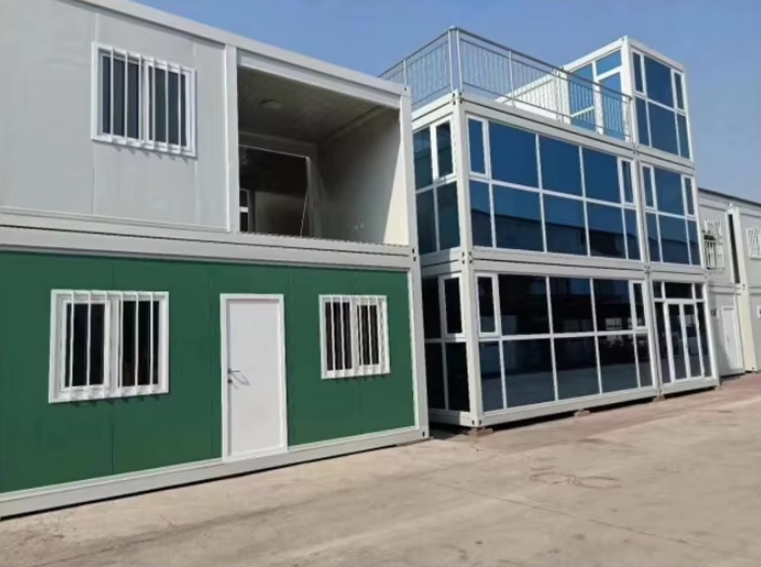
Key Areas to Inspect: A Deep Dive into Quality Assessment
When you're tasked with assessing the quality of modular units for industrial applications, a systematic approach is vital. It's not enough to just glance at the finished product; you need to understand the underlying construction and materials. In my experience, focusing on specific checkpoints can reveal a great deal about the manufacturer's commitment to quality.
Structural Integrity and Framing
The backbone of any industrial modular building is its structural frame. This is where you need to be particularly diligent.
- Material Quality: Are steel or timber components used? For industrial use, steel framing is often preferred for its strength and durability. Inspect the gauge and grade of steel, looking for any signs of corrosion, warping, or damage. If timber is used, ensure it's appropriately treated for the intended environment and free from defects like knots, splits, or insect infestation.
- Weld Quality (Steel): If steel is welded, examine the welds. They should be clean, consistent, and free from porosity or undercutting. Poor welding can compromise the entire structural integrity.
- Joints and Connections: How are the modules connected? Are the connections robust, well-engineered, and designed to withstand the stresses of transport and the operational loads of an industrial facility? Look for proper fastening, bolting, and sealing at all connection points.
- Load-Bearing Capacity: Does the framing meet the required load-bearing specifications for your industrial application? This includes dead loads (the weight of the building itself), live loads (people, equipment), and environmental loads (wind, snow, seismic). Manufacturers should provide documentation detailing these capacities.
Wall and Roof Systems
The external envelope is your first line of defense against the elements and a critical component of the building's performance.
- Insulation: Is the insulation adequate for the climate and the intended use of the space? Check the R-value and ensure there are no gaps or compressions that would create thermal bridges. For industrial settings, specialized insulation might be required for temperature control or soundproofing.
- Sheathing and Cladding: The sheathing provides structural stability, while the cladding offers protection and aesthetic appeal. Inspect for proper installation, secure fastening, and appropriate material choices for the industrial environment (e.g., corrosion-resistant materials, impact resistance).
- Roofing: The roof is particularly vulnerable. Look for a well-constructed roof deck, proper underlayment, and durable roofing material. Ensure there's adequate slope for drainage and that flashing around penetrations (vents, pipes) is meticulously installed to prevent leaks. For industrial buildings, consider the lifespan and maintenance requirements of the roofing system.
Flooring Systems
Industrial environments often subject floors to heavy traffic, impact, and chemical exposure.
- Subfloor: The subfloor needs to be strong and stable. Inspect for any signs of deflection or damage.
- Floor Finishes: What type of finish is specified? For industrial use, consider options like epoxy coatings, heavy-duty vinyl, or polished concrete. Evaluate the durability, chemical resistance, and slip-resistance of the chosen finish. Ensure it's installed seamlessly to prevent ingress of contaminants.
- Load Capacity: Just like the framing, the flooring system must be able to support the intended loads. This is especially critical for areas housing heavy machinery or dense storage.
Windows and Doors
While seemingly minor, windows and doors are crucial for security, energy efficiency, and functionality.
- Frame Quality: Are the frames sturdy and weather-resistant? For industrial settings, consider reinforced frames and impact-resistant glass if security is a concern.
- Sealing and Weatherstripping: Inspect the seals around windows and doors. Poor sealing leads to drafts, energy loss, and potential water ingress.
- Hardware: Are the hinges, locks, and handles robust and suitable for frequent use? For exterior doors, ensure they are properly secured and weather-tight.
Material Selection and Durability for Industrial Demands
To effectively evaluate modular home construction quality for industrial use, you must pay close attention to the materials chosen. Industrial settings present unique challenges that demand specific material properties.
For instance, in a chemical processing plant, the materials used for interior walls, floors, and even fixtures must be resistant to corrosion and chemical attack. Similarly, a manufacturing facility might require materials that can withstand high temperatures, heavy impacts, or significant vibration.
Corrosion Resistance
If your industrial application involves exposure to moisture, salt, or corrosive chemicals, the choice of materials is critical. Galvanized steel, stainless steel, and specialized coatings are often necessary. Inspect for any signs of rust or degradation, especially in areas that might be prone to moisture accumulation.
Fire Resistance
Fire safety is a non-negotiable aspect of industrial construction. Understand the fire ratings of the materials used in the modular units, including wall assemblies, insulation, and finishes. Ensure they meet or exceed local building codes and industry-specific safety standards.
Durability and Maintenance
In my experience, the best modular buildings for industrial use are those where durability and ease of maintenance have been primary considerations. Materials that are easy to clean, repair, or replace will save significant time and cost over the building's lifespan. Ask about the expected lifespan of the materials and the recommended maintenance schedule.
Compliance, Certifications, and Quality Control
Beyond the physical inspection, understanding the manufacturer's processes and adherence to standards is key to evaluating quality.
Building Codes and Standards
Modular buildings, regardless of their application, must comply with local, regional, and national building codes. For industrial use, there may be additional industry-specific standards to consider.
- Local Building Permits: Ensure the modular units are designed and constructed to meet all relevant building codes for the intended location.
- Industry Certifications: Look for manufacturers who hold relevant certifications, such as ISO 9001 for quality management systems. This indicates a commitment to consistent quality control throughout their processes.
- Third-Party Inspections: Reputable manufacturers often allow or even encourage third-party inspections during the manufacturing process. This provides an independent verification of quality.
Manufacturer's Quality Control Processes
It's worth noting that a robust quality control (QC) program is the bedrock of high-quality modular construction.
- In-Factory Inspections: What checks are performed at various stages of production? Are there checklists, sign-offs, and quality gates?
- Testing: Are materials tested? Are structural components subjected to load tests where appropriate?
- Documentation: A good manufacturer will have thorough documentation, including design specifications, material certifications, and inspection reports. This transparency is a strong indicator of quality.
Have you ever wondered how manufacturers ensure consistency across hundreds of identical components? It's through rigorous quality control. When you evaluate modular home construction quality for industrial use, don't shy away from asking detailed questions about their QC procedures.
Site Preparation and Installation Considerations
While the focus is on the modular unit itself, the quality of site preparation and installation is equally critical for the building's long-term performance.
Foundation
The foundation is the interface between the ground and the modular building. It must be properly engineered and constructed to support the building's weight and any operational loads.
- Type of Foundation: Is it a concrete slab, piers, or a combination? Ensure it's designed for the specific site conditions and the building's requirements.
- Levelness and Squareness: The foundation must be perfectly level and square to ensure the modules fit together correctly and the building remains plumb.
- Anchoring: How will the modules be anchored to the foundation? This is crucial for stability, especially in areas prone to high winds or seismic activity.
Module Assembly and Sealing
Once the modules arrive on-site, their assembly and sealing are critical.
- Alignment: Modules must be precisely aligned before being permanently joined.
- Sealing: The joints between modules are potential points of air and water infiltration. Ensure high-quality sealants are used and applied correctly. This is often overlooked but is vital for energy efficiency and preventing leaks.
- Utility Connections: The integration of electrical, plumbing, and HVAC systems between modules and to external services must be done by qualified professionals to ensure safety and functionality.
In conclusion, to truly evaluate modular home construction quality for industrial use, you need a holistic approach. It involves scrutinizing the structural elements, materials, manufacturing processes, and on-site installation. By focusing on these key areas, you can confidently select modular solutions that are not only cost-effective and fast to deploy but also robust, durable, and perfectly suited to the demanding requirements of industrial applications.
For more detailed information, please visit our official website:modular construction quality
About the author: Alex Chen is a seasoned construction consultant with over 15 years of experience specializing in off-site and modular building solutions. He has a deep understanding of industrial applications and a passion for ensuring quality and performance in prefabricated structures. Alex is dedicated to helping clients navigate the complexities of modular construction to achieve their project goals efficiently and effectively.