Unpacking the Cost of Prefab Housing Units for Construction Camps: A Comprehensive Guide
Setting up a construction camp is a monumental task, and one of the most critical components is providing adequate, comfortable, and safe housing for your workforce. Frankly speaking, the traditional methods of building on-site can be time-consuming and incredibly expensive. This is where prefabricated housing units for construction camps come into play, offering a compelling alternative. But what exactly is the cost involved? Understanding the financial implications is crucial for budgeting and project success. To be honest, the "cost of prefab housing units for construction camps" isn't a single, fixed number; it's a dynamic figure influenced by a multitude of factors.
Understanding the Core Components of Prefabricated Housing Costs
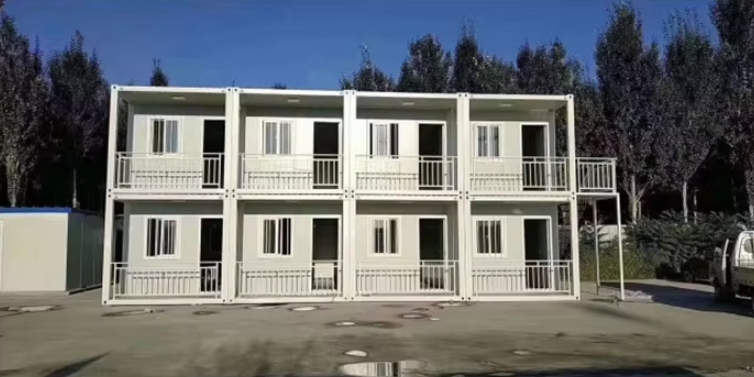
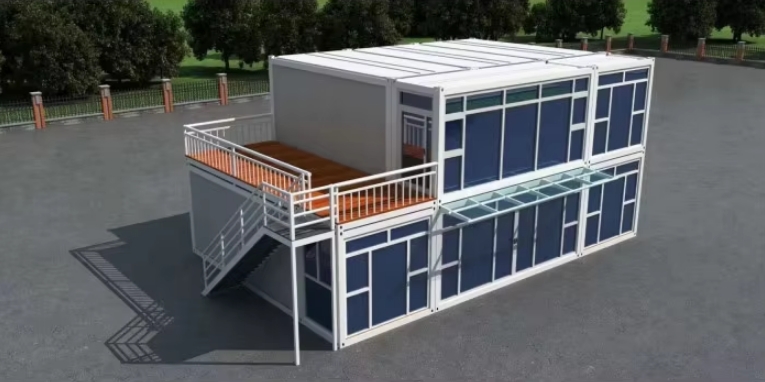
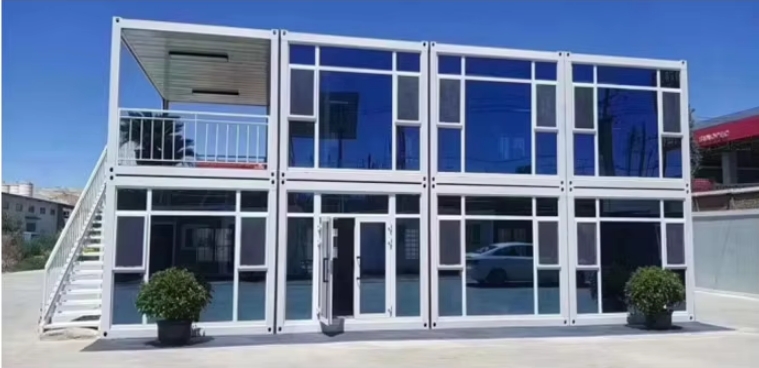
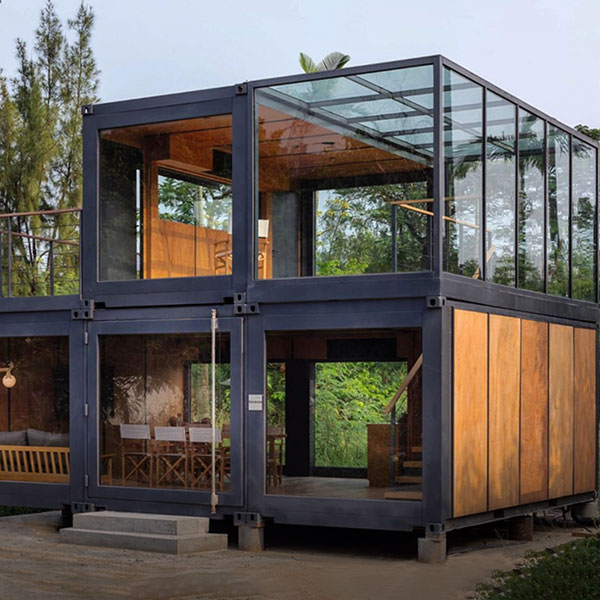
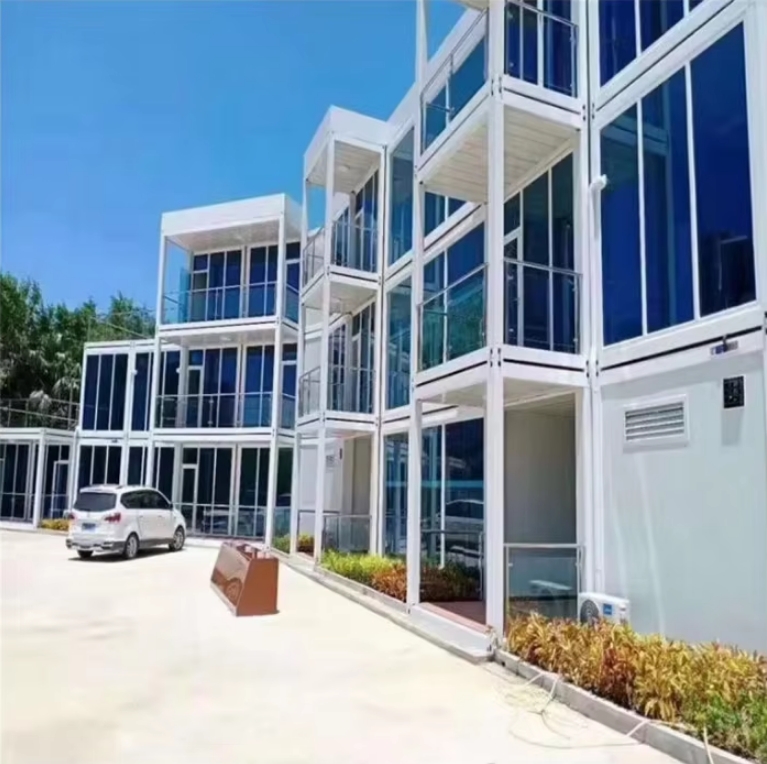
When we talk about the cost of prefab housing units for construction camps, it's essential to break down what's included. At its most basic, you're looking at the unit itself. These are factory-built modules that are then transported to your site and assembled. However, the price tag extends beyond just the modules. You need to consider design, customization, transportation, site preparation, installation, and ongoing maintenance. Many experts agree that a thorough understanding of these elements is the first step to accurate budgeting.
The Unit Cost: Module Pricing and Variations
The price of the prefabricated modules themselves can vary significantly. This depends on several key aspects:
- Size and Layout: A single-occupancy room will naturally cost less than a larger unit designed for multiple workers or a unit that includes communal living spaces.
- Materials and Finishes: Higher-grade insulation, more durable flooring, upgraded fixtures, and premium exterior finishes will all add to the base cost.
- Amenities: Units equipped with private bathrooms, kitchenettes, air conditioning, or heating systems will command a higher price than basic shelters.
- Brand and Manufacturer: Different manufacturers have different pricing structures based on their production scale, overhead, and perceived value.
Interestingly enough, you might find that a basic, no-frills unit could start from as low as $10,000-$15,000 per module. However, more feature-rich or larger units can easily climb into the $30,000-$50,000 range, or even higher for specialized configurations. This is where understanding your specific needs becomes paramount.
Design and Customization: Tailoring to Your Needs
While prefab units are built in a factory, there's often a degree of customization available. This can range from choosing color schemes and interior layouts to incorporating specific safety features or energy-efficient options. The more bespoke your requirements, the more the design and engineering phases will contribute to the overall cost. It's worth noting that while customization adds to the upfront expense, it can lead to greater long-term satisfaction and functionality for your workforce.
Factors Influencing the Total Cost of Ownership
Beyond the initial purchase price of the modules, several other factors significantly impact the total cost of prefab housing units for construction camps. Ignoring these can lead to budget overruns and unexpected expenses.
Transportation and Logistics
Getting those modules from the factory to your remote construction site is a major consideration. The distance, the terrain, and the size and weight of the modules will all affect shipping costs. Large, heavy modules may require specialized transport vehicles, cranes for unloading, and permits for oversized loads. In my experience, this is an area where underestimating costs can be a common pitfall.
Site Preparation and Foundation
Prefab units require a stable and level foundation. This might involve clearing land, grading, pouring concrete slabs, or installing screw piles. The complexity and cost of site preparation will depend heavily on the existing conditions of your construction camp location. If the site is particularly challenging (e.g., rocky, sloped, or marshy), expect higher preparation costs.
Installation and Assembly
While prefab units are designed for quick assembly, there is still a labor cost associated with putting them together on-site. This includes connecting modules, installing utilities (water, electricity, sewage), and any finishing touches. The complexity of the assembly and the availability of skilled labor in the area will influence these costs.
Utilities and Infrastructure
Connecting your prefab housing units to essential services is a significant part of the overall expense. This includes running power lines, water pipes, and sewage systems to each unit or to a central hub. The distance from existing infrastructure and the type of utility solutions you opt for (e.g., septic systems, generators) will play a crucial role in the budget. Have you ever considered the cost of bringing power and water to a remote location? It can be substantial.
Comparing Prefabricated Housing to Traditional Construction
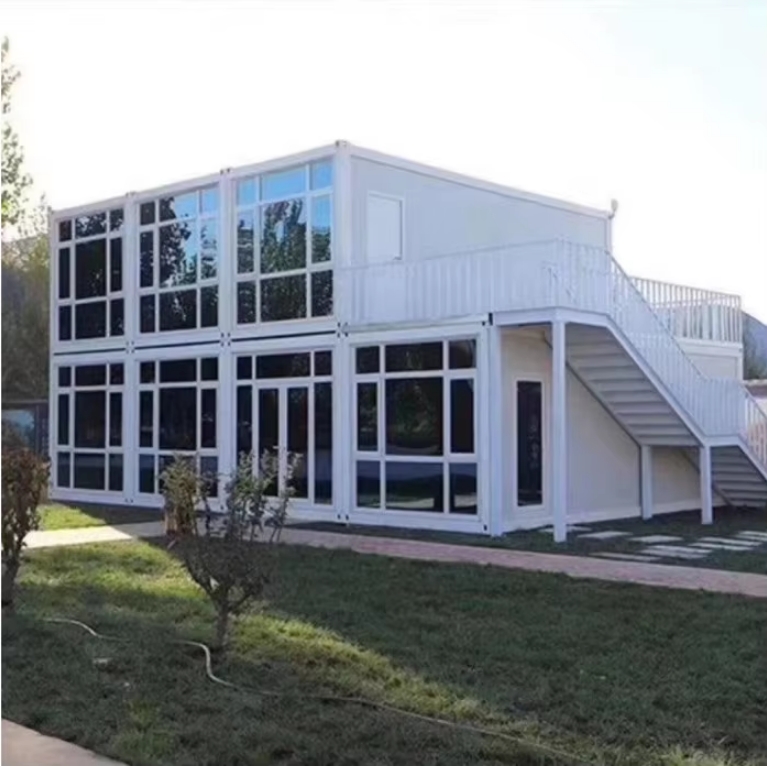
To truly appreciate the value proposition of prefab housing, it's helpful to compare its cost against traditional on-site construction methods for temporary worker accommodation. Frankly speaking, the upfront cost of prefab might seem higher in some cases, but the long-term savings and benefits are often substantial.
Speed of Deployment and Reduced Labor Costs
One of the most significant advantages of prefab is speed. Because modules are built off-site concurrently with site preparation, the overall construction timeline is drastically reduced. This means your workforce can be housed sooner, leading to quicker project starts and reduced labor costs associated with extended on-site living arrangements. Less time spent on building means more time spent on the actual construction project.
Predictable Budgeting and Reduced Overruns
The factory-controlled environment of prefab manufacturing leads to more predictable costs. Unlike on-site construction, where weather delays, material shortages, and unforeseen site conditions can wreak havoc on budgets, prefab pricing is generally more fixed. This predictability is invaluable for project managers trying to control expenses. Many experts agree that this cost certainty is a major draw for large-scale projects.
Quality Control and Durability
Prefabricated units are built to stringent quality standards in a controlled factory setting. This often results in a higher level of finish and greater durability compared to on-site builds, especially for temporary structures. Better quality can translate to lower maintenance costs over the life of the camp. It's worth noting that while the initial cost of prefab housing units for construction camps might be a consideration, the long-term benefits in terms of quality and reduced maintenance are often overlooked.
Making Informed Decisions: Budgeting for Your Prefab Construction Camp
So, how do you go about accurately budgeting for the cost of prefab housing units for construction camps? It requires a systematic approach.
Detailed Needs Assessment
Before you even start getting quotes, clearly define your requirements. How many workers do you need to house? What are the essential amenities? What is the expected duration of the project? What are the site conditions? The more detailed your assessment, the more accurate your quotes will be.
Obtain Multiple Quotes
Don't settle for the first quote you receive. Contact several reputable prefab manufacturers and request detailed proposals. Ensure that each quote clearly outlines what is included, from the modules themselves to delivery, installation, and any optional extras. Compare these quotes not just on price, but on the value and services offered.
Consider the Total Cost of Ownership (TCO)
As we've discussed, the initial purchase price is only part of the story. When evaluating quotes, think about the TCO. Factor in transportation, site preparation, installation, utility connections, and potential maintenance costs over the lifespan of the camp. A slightly more expensive unit upfront might prove more cost-effective in the long run if it requires less maintenance or is more energy-efficient.
Factor in Contingencies
Even with careful planning, unexpected issues can arise. It's always wise to include a contingency fund in your budget to cover unforeseen expenses. A common recommendation is to set aside 10-15% of your total estimated cost for contingencies.
In conclusion, understanding the cost of prefab housing units for construction camps involves looking beyond the sticker price. By carefully considering all the contributing factors – from the modules themselves to transportation, installation, and ongoing operational costs – you can make an informed decision that ensures your workforce is comfortably and affordably housed, contributing to the overall success of your construction project.
For more detailed information, please visit our official website:prefab housing construction camps
About the author: A seasoned expert in modular construction and temporary site solutions, Alex Thompson brings over a decade of experience in optimizing logistics and resource management for large-scale industrial projects. His insights into the cost-effectiveness and practical benefits of prefabricated structures are highly sought after in the construction industry. Alex is passionate about finding innovative and efficient housing solutions for diverse work environments.