Rapid Response Housing: The Power of Modular Homes for Disaster Relief Applications
When disaster strikes, the immediate aftermath is often characterized by chaos, destruction, and a desperate need for basic necessities. Among the most critical is shelter. Families are displaced, communities are shattered, and the search for safe, temporary housing becomes paramount. In these critical moments, traditional construction methods simply can't keep up. This is where the innovative and efficient approach of modular homes for disaster relief applications truly shines. Frankly speaking, their ability to be manufactured off-site and rapidly deployed makes them an indispensable tool in humanitarian efforts worldwide.
The Urgent Need for Swift Housing Solutions
Natural disasters – hurricanes, earthquakes, floods, wildfires – and even man-made crises can leave thousands homeless in a matter of hours. The emotional toll is immense, but the logistical challenge of providing shelter is equally daunting. Imagine a town devastated by a hurricane. Homes are reduced to rubble, infrastructure is crippled, and the immediate priority is to get people out of the elements and into a safe space. Waiting months for traditional homes to be built is simply not an option. This is why the speed and adaptability of modular construction are so vital.
In my experience, the effectiveness of disaster relief hinges on rapid response. The longer people are exposed to the elements or forced into overcrowded, temporary shelters, the greater the risk of secondary crises like disease outbreaks and increased psychological distress. Modular homes for disaster relief applications are designed to address this urgency head-on, offering a tangible solution to a pressing problem. They provide a sense of normalcy and security in the most trying of circumstances.
Understanding Modular Construction for Emergencies
So, what exactly makes modular homes so well-suited for disaster relief? It all comes down to their manufacturing process. Unlike site-built homes, modular homes are constructed in climate-controlled factory environments. This means that weather delays, a common bane of traditional construction, are virtually eliminated. Components are built to precise specifications, often with higher quality control than what's possible on a chaotic construction site.
The key advantages for disaster relief include:
- Speed of Production: Factories can operate around the clock, producing multiple housing units simultaneously. This parallel processing dramatically cuts down the time from order to occupancy.
- Quality and Durability: Off-site construction allows for stringent quality control. Units are built to withstand various environmental conditions, often exceeding the standards of temporary shelters.
- Cost-Effectiveness: Mass production and reduced waste in a factory setting often lead to lower overall costs, which is crucial when dealing with large-scale relief efforts and limited budgets.
- Sustainability: Factory precision minimizes material waste, and many modular components can be recycled or repurposed.
Interestingly enough, the concept isn't entirely new. Prefabricated housing has been used for decades, but modern modular technology has elevated it to a new level of sophistication and adaptability. These aren't just basic boxes; they can be designed to offer comfort, privacy, and essential amenities.
Deploying Modular Homes: From Factory to Families
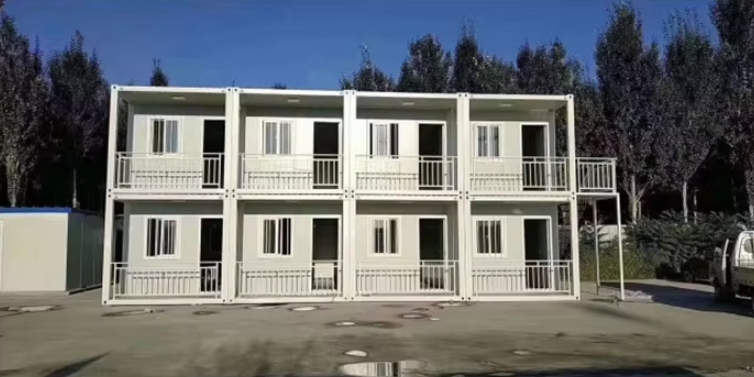
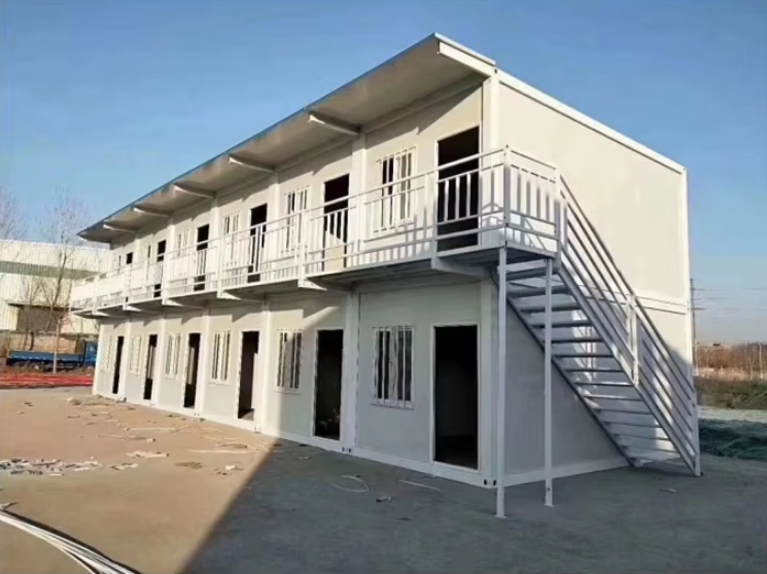
The deployment process for modular homes for disaster relief applications is where their true value becomes evident. Once manufactured, the modules are transported to the disaster-affected site. Here's where the "modular" aspect really pays off: these units can be quickly assembled and connected on pre-prepared foundations. This assembly process is significantly faster than building from scratch.
Consider a scenario where a community has lost most of its housing stock. Instead of waiting for individual homes to be built, entire neighborhoods of modular units can be erected in a matter of weeks. This rapid rehousing effort is critical for community recovery, allowing families to begin rebuilding their lives and for essential services to be re-established more effectively.

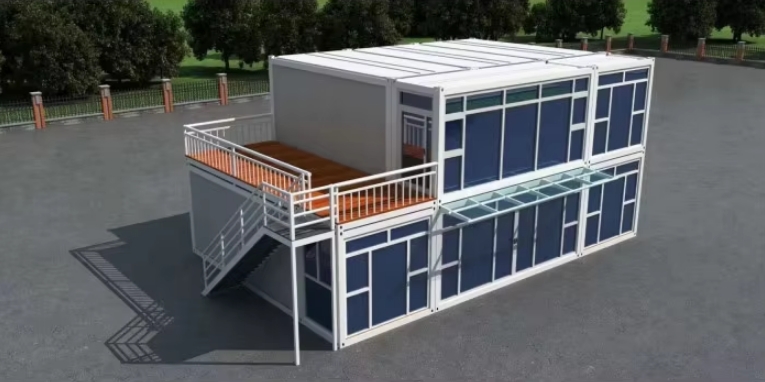
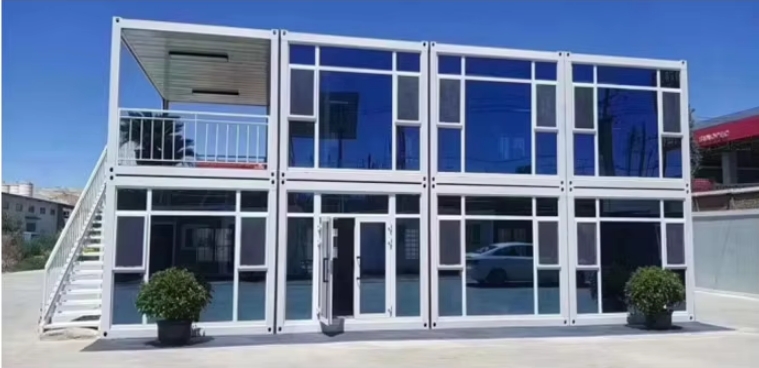
The flexibility of modular designs is another significant benefit. Units can be configured to meet various needs, from single-family dwellings to communal living spaces or specialized facilities like temporary clinics or schools. This adaptability ensures that relief efforts can be tailored to the specific requirements of a given situation. Many experts agree that this versatility is a game-changer in disaster management.
Addressing Specific Disaster Scenarios
Let's delve into how modular homes are specifically beneficial in different disaster contexts.
Post-Hurricane Recovery
Hurricanes often leave widespread destruction, with homes rendered uninhabitable by high winds and flooding. Modular units, built to withstand significant wind loads and elevated on stilts to combat floodwaters, offer a robust and rapid alternative to damaged structures. Their quick assembly allows displaced residents to move back into a semblance of normalcy much sooner than with traditional rebuilding. The ability to quickly provide safe, dry housing is paramount in these scenarios.
Earthquake Relief
Earthquakes can cause catastrophic structural damage. Modular homes, built with precision and often incorporating flexible building techniques, can be designed to offer enhanced seismic resistance. Their lighter weight compared to traditional concrete structures can also be an advantage in earthquake-prone regions. The speed of deployment is crucial, as aftershocks can make existing damaged structures extremely dangerous.
Flood Zone Rebuilding
Flooding is a recurring threat in many areas. Modular homes can be designed with elevated foundations or even as amphibious structures that can float during flood events. This proactive design approach minimizes damage and speeds up the return to habitability. The controlled factory environment also ensures that materials used are resistant to moisture and mold, which are common issues in flood-affected areas.
Wildfire Aftermath
Wildfires can obliterate entire communities. While the immediate need is for fire-resistant materials, modular homes can be constructed with non-combustible cladding and roofing. Their rapid deployment allows for the swift rehousing of residents while permanent rebuilding plans are made. The efficiency of factory production means that even when vast areas are affected, a significant number of homes can be manufactured and delivered in a relatively short timeframe.
Challenges and Future Outlook
While the benefits are clear, it's important to acknowledge the challenges associated with implementing modular homes for disaster relief applications. Logistical hurdles, such as transportation to remote or inaccessible areas, can be significant. Securing suitable land and ensuring the availability of utilities (water, power, sanitation) also requires careful planning and coordination. Furthermore, public perception can sometimes be a barrier; some may associate modular housing with lower quality or less desirable living conditions.
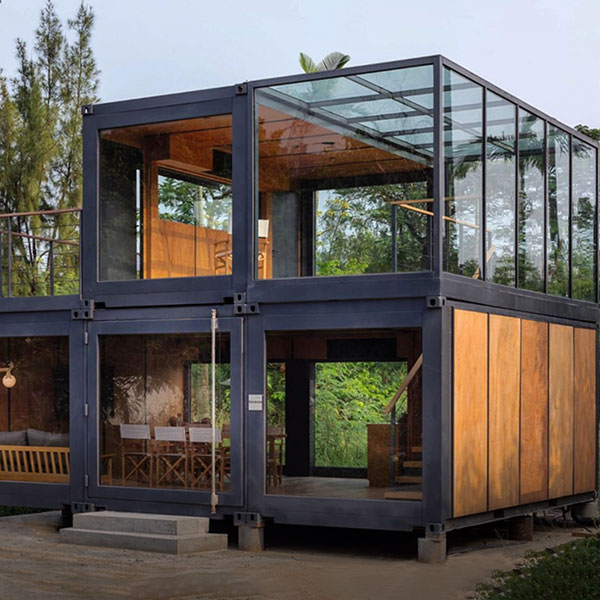
However, the industry is constantly innovating. Advances in materials, design, and manufacturing processes are leading to more aesthetically pleasing, durable, and sustainable modular homes. The focus is shifting towards creating not just temporary shelters, but comfortable, dignified living spaces that can serve as semi-permanent or even permanent residences.
Have you ever wondered how quickly communities can be rebuilt after a major disaster? The answer increasingly lies in the efficiency and adaptability of modular construction. As climate change intensifies, leading to more frequent and severe natural disasters, the role of rapid deployment housing solutions will only grow in importance.
Looking ahead, we can expect to see greater integration of smart technologies in modular relief housing, enhancing comfort and safety. The potential for these homes to be designed for easy disassembly and relocation also makes them a highly sustainable option for long-term disaster preparedness. Frankly speaking, the future of disaster response housing is undeniably modular.
The increasing adoption of modular construction for emergency housing is a testament to its effectiveness. It represents a paradigm shift in how we approach disaster recovery, prioritizing speed, quality, and the well-being of those affected. The ability to deliver essential shelter quickly and efficiently is not just a logistical advantage; it's a humanitarian imperative.
For more detailed information, please visit our official website:modular homes disaster relief
About the author: Dr. Anya Sharma is a leading expert in sustainable urban planning and emergency preparedness with over 15 years of experience. Her research focuses on innovative housing solutions for vulnerable populations and resilient community development. Dr. Sharma has consulted on numerous international disaster relief projects, advocating for the widespread adoption of modular construction in crisis situations.