Unlocking Efficiency: The Compelling Advantages of Prefab Workforce Accommodation
# Unlocking Efficiency: The Compelling Advantages of Prefab Workforce Accommodation
In today's fast-paced world, especially in industries like construction, mining, oil and gas, and large-scale event management, the need for efficient and effective workforce accommodation is paramount. Projects often spring up in remote locations or require a sudden influx of personnel, making traditional building methods impractical and time-consuming. This is where prefab workforce accommodation steps in, offering a revolutionary approach to housing employees. Frankly speaking, the benefits are substantial, impacting project timelines, budgets, and overall operational success. Let's dive deep into the numerous prefab workforce accommodation advantages that make them a game-changer.
## Speed and Timeliness: Getting Your Workforce Settled Faster
One of the most significant prefab workforce accommodation advantages is undoubtedly the speed of deployment. Unlike traditional construction, which can take months or even years, prefab units are manufactured off-site in controlled factory environments. This parallel processing significantly cuts down on the overall project timeline. While the site is being prepared, the accommodation modules are already being built.
### The Factory Advantage
In a factory setting, weather delays are virtually eliminated. This means consistent production schedules and predictable completion dates. Assembly lines and specialized machinery allow for rapid fabrication of multiple units simultaneously. To be honest, this controlled environment is a huge part of why prefab is so much faster.
### On-Site Assembly
Once the site is ready, the pre-built modules are transported and assembled quickly. The installation process is streamlined, often involving simply placing modules onto foundations and connecting them. This drastically reduces the on-site labor required for construction, further accelerating the process. Many experts agree that this rapid deployment capability is a primary driver for choosing prefab solutions, especially for projects with tight deadlines.
## Cost-Effectiveness: Smarter Spending for Better Returns
When we talk about prefab workforce accommodation advantages, cost savings are always high on the list. While the initial outlay might seem comparable to some traditional methods, the overall cost-effectiveness is where prefab truly shines.
### Reduced Labor Costs
As mentioned, the reduced on-site construction time directly translates to lower labor costs. Fewer man-hours spent on building means less expenditure on wages, accommodation for construction crews, and associated overheads.
### Minimized Waste and Material Efficiency
Factory production allows for precise material ordering and cutting, significantly reducing waste. This not only saves money on materials but also contributes to a more sustainable building process. The efficiency of a factory floor is hard to match with on-site construction.
### Predictable Budgeting
The controlled manufacturing environment leads to more predictable costs. Unlike traditional builds, where unforeseen site conditions or material price fluctuations can derail a budget, prefab projects offer greater cost certainty. This is incredibly valuable for project managers and financial planners.
### Lower Transportation Costs (in some cases)
While transportation is a factor, the efficiency of moving pre-built modules can sometimes be more cost-effective than transporting vast quantities of raw materials and construction equipment to remote locations. It's worth noting that the logistics need careful planning, but the overall savings can be substantial.
## Flexibility and Scalability: Adapting to Your Project's Needs
Projects evolve, and so do their accommodation requirements. Prefab workforce accommodation offers unparalleled flexibility and scalability, adapting to changing needs with ease.
### Customization Options
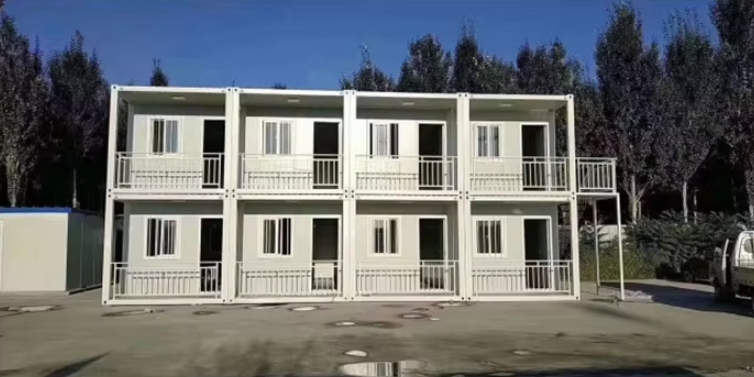
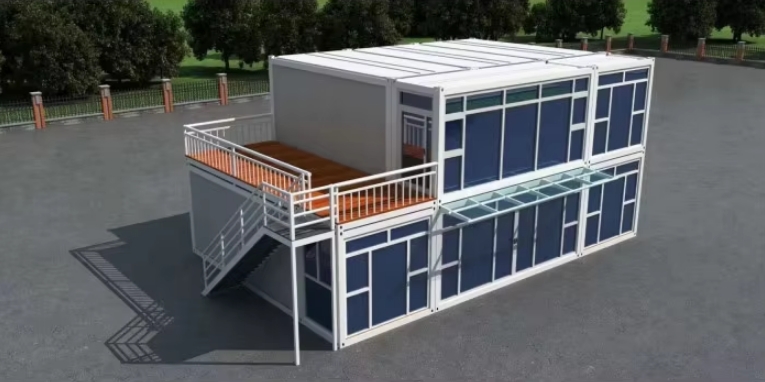
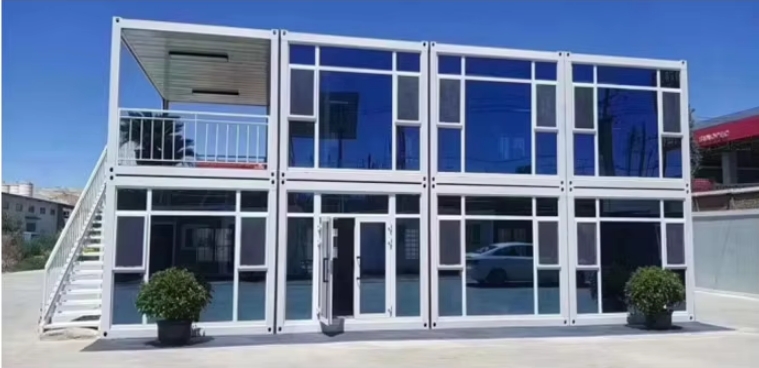
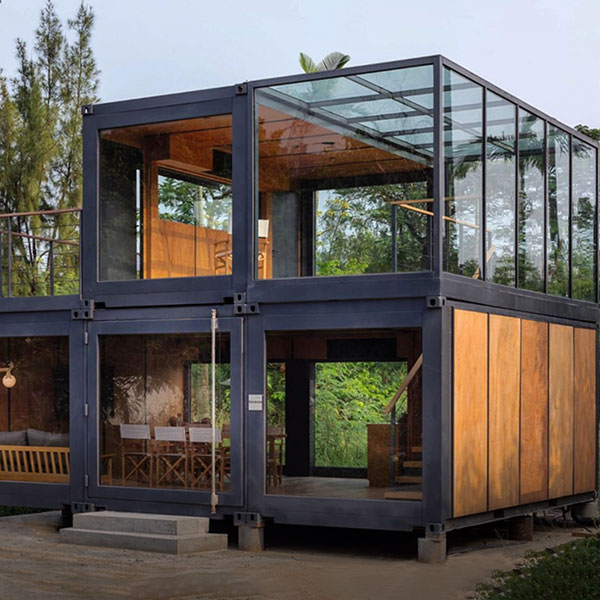
While "prefab" might conjure images of standardized boxes, modern prefab solutions offer a surprising degree of customization. Layouts, finishes, and amenities can be tailored to specific client needs, ensuring the accommodation is functional and comfortable for the workforce.
### Scalability for Growth or Reduction
Need to house more workers as the project expands? Prefab units can be added easily. Conversely, if the workforce needs to be reduced, units can be de-commissioned and relocated or stored. This adaptability is a significant advantage over permanent structures. This ability to scale up or down makes modular worker housing benefits particularly attractive for projects with uncertain durations.
### Relocation and Reusability
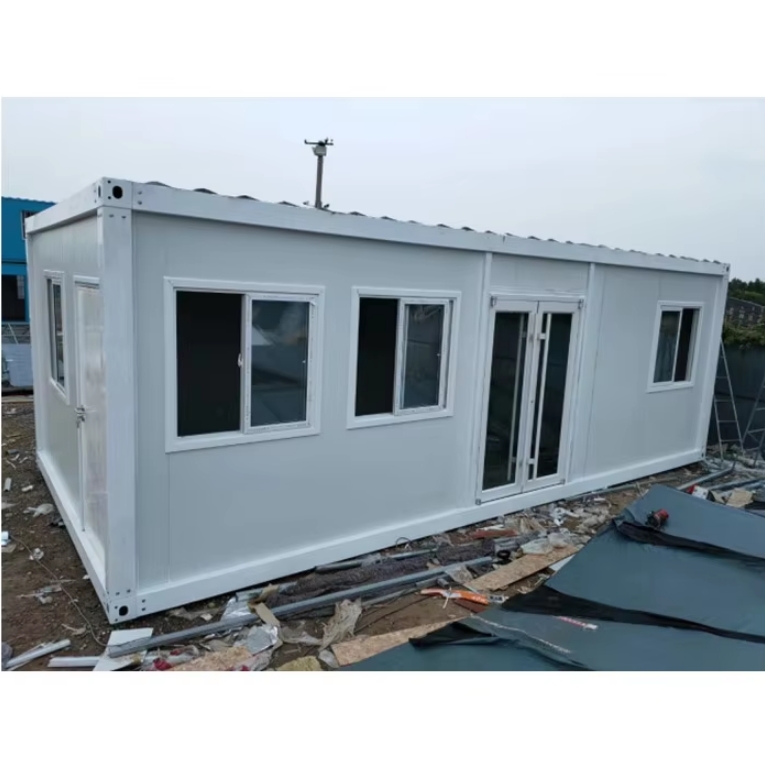
A major benefit often overlooked is the reusability of prefab units. Once a project is complete, the accommodation can be dismantled and relocated to a new site, or even sold. This contrasts sharply with traditional buildings, which are fixed assets. This reusability offers a long-term return on investment.
## Enhanced Quality and Durability: Built to Last
Contrary to some outdated perceptions, prefab workforce accommodation is built to high standards of quality and durability.
### Controlled Manufacturing Environment
As previously touched upon, the factory setting allows for strict quality control at every stage of production. This means consistent build quality, adherence to specifications, and a superior finished product compared to what might be achievable on a chaotic construction site.
### Robust Materials and Construction Techniques
Manufacturers use robust materials and proven construction techniques to ensure their units can withstand various environmental conditions, from extreme heat and cold to high winds. Many units are designed for longevity and repeated use.
### Compliance with Building Codes
Reputable prefab manufacturers ensure their units comply with all relevant building codes and safety standards, providing peace of mind for clients and employees alike. Have you ever wondered about the structural integrity of these units? Rest assured, they are engineered for performance.
## Sustainability and Environmental Benefits: A Greener Choice
In an era where environmental consciousness is crucial, prefab workforce accommodation offers several sustainability advantages.
### Reduced Site Disruption
Prefabricated construction significantly minimizes on-site disruption. Less heavy machinery, fewer deliveries of raw materials, and a shorter construction period mean less impact on the local environment, noise pollution, and traffic congestion.
### Material Efficiency and Waste Reduction
The controlled factory environment leads to optimized material usage and drastically reduced construction waste. Materials are often sourced more efficiently, and offcuts can be reused within the factory. This is a key aspect of the prefab workforce accommodation advantages that appeals to environmentally-minded organizations.
### Energy Efficiency
Modern prefab units can be designed with energy efficiency in mind, incorporating features like high-performance insulation, energy-efficient windows, and optimized HVAC systems. This leads to lower operational costs and a smaller carbon footprint during the life of the accommodation.
## Improved Employee Well-being and Productivity: A Human Element
Beyond the logistical and financial benefits, providing comfortable and well-designed accommodation has a direct impact on employee morale, well-being, and ultimately, productivity.
### Comfortable Living Spaces
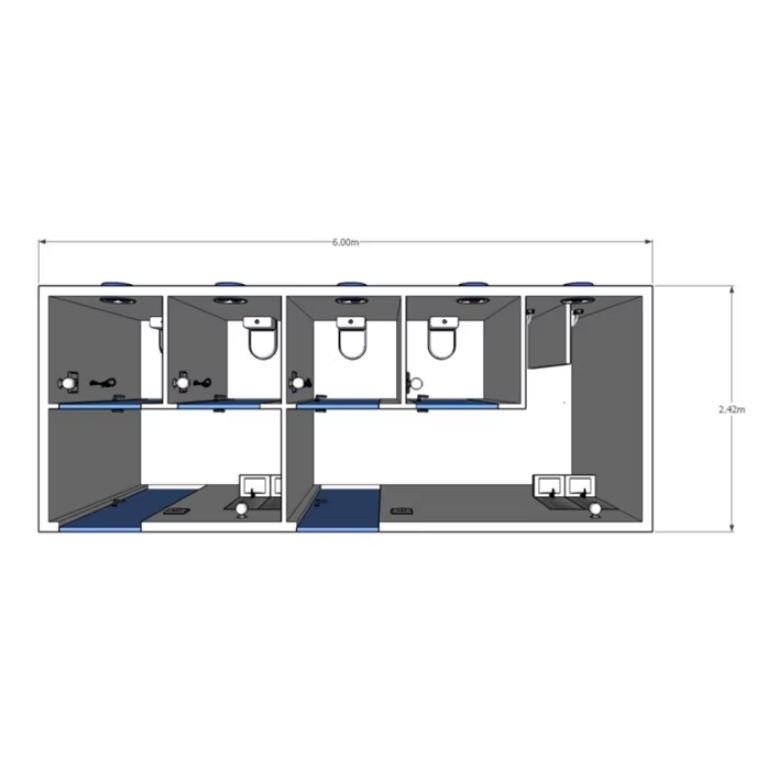
Prefab units can be designed to offer comfortable living spaces, including private rooms, common areas, kitchens, and bathrooms. This is a far cry from the often cramped and basic conditions of traditional temporary housing.
### Essential Amenities
Modern prefab solutions can be equipped with all the necessary amenities to make workers feel at home, such as climate control, internet access, and recreational facilities. This contributes to a positive living experience, especially for those working far from home.
### Reduced Commute Times
By locating prefab accommodation closer to project sites, especially in remote areas, commute times for workers are significantly reduced. This extra time can be used for rest, personal pursuits, or simply enjoying a better work-life balance, leading to a happier and more productive workforce. This is a crucial element of the many prefab workforce accommodation advantages that directly impacts human capital.
## Conclusion: The Smart Choice for Modern Projects
In summary, the prefab workforce accommodation advantages are extensive and impactful. From the undeniable speed of deployment and significant cost savings to the inherent flexibility, high quality, and environmental benefits, prefab solutions offer a compelling proposition for any organization requiring housing for its workforce. Furthermore, the positive impact on employee well-being and productivity cannot be overstated.
When considering temporary staff housing solutions, the decision to opt for prefab units is not just about efficiency; it's about making a strategic investment that yields returns in time, money, sustainability, and human capital. The evolution of prefab technology has made it a sophisticated and highly effective solution, proving itself to be the smart choice for the challenges of modern projects.
For more detailed information, please visit our official website:prefab workforce accommodation advantages
About the author: Alex Chen is a seasoned consultant specializing in modular construction and temporary infrastructure solutions. With over a decade of experience advising clients across diverse industries, Alex is passionate about highlighting how innovative building methods like prefab workforce accommodation can drive project success, improve operational efficiency, and enhance employee welfare. His insights are grounded in practical application and a deep understanding of the construction landscape.