Containerized Office Building Cost Comparison: Unpacking the Value
Have you ever looked at a modern, sleek office space and wondered about the underlying construction costs? Frankly speaking, the traditional brick-and-mortar approach has long been the default. However, the landscape of commercial construction is rapidly evolving, and containerized office buildings are emerging as a compelling alternative. This article dives deep into a comprehensive containerized office building cost comparison, exploring what makes them a potentially more attractive option for businesses of all sizes.
The Allure of Containerized Offices: Beyond the Box
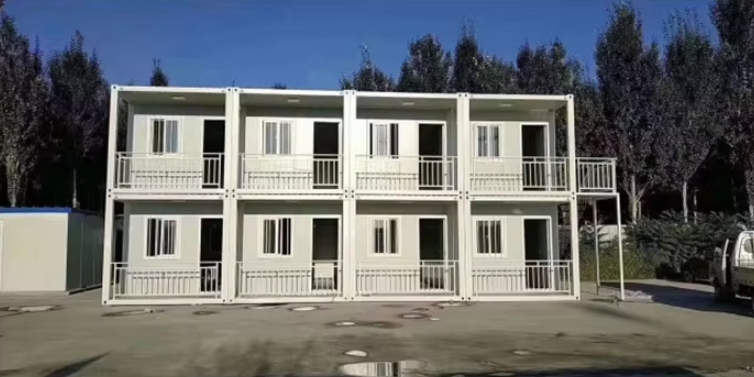
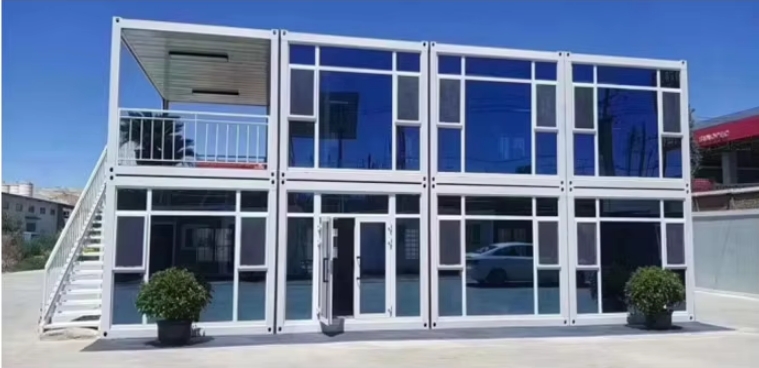
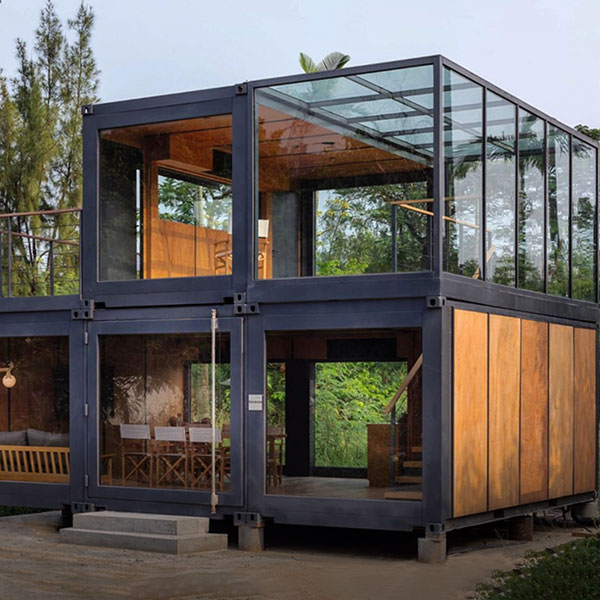
Containerized offices, often built using repurposed shipping containers, offer a unique blend of sustainability, speed, and, crucially, cost-effectiveness. To be honest, the initial perception might be one of temporary or utilitarian structures, but modern modular construction has transformed this perception entirely. These aren't just stacked boxes; they are meticulously designed and engineered spaces that can rival traditional buildings in aesthetics and functionality. When we talk about a containerized office building cost comparison, we're not just looking at the sticker price; we're examining the total cost of ownership and the long-term value proposition.
The primary driver for many businesses considering this route is the significant reduction in upfront investment. Traditional construction involves extensive site preparation, labor-intensive assembly, and often lengthy permitting processes. Containerized solutions, by contrast, leverage pre-fabricated modules that are manufactured off-site in controlled factory environments. This dramatically speeds up the on-site construction phase, leading to lower labor costs and reduced project timelines.
Interestingly enough, the sustainability aspect also plays a role. Repurposing shipping containers diverts them from landfills, contributing to a greener construction footprint. This can translate into potential cost savings through reduced material waste and, in some regions, tax incentives for environmentally conscious building.
Breaking Down the Costs: Containerized vs. Traditional
Let's get down to the nitty-gritty of a containerized office building cost comparison. When evaluating traditional construction, you're looking at a multitude of expenses: land acquisition or lease, architectural and engineering fees, foundation work, framing, roofing, HVAC, electrical, plumbing, interior finishing, and landscaping. Each of these components adds to the overall budget, and unforeseen issues during construction can lead to significant cost overruns.
In contrast, a containerized office building cost structure often looks quite different. The core expense is the purchase of the shipping containers themselves. These can be new or used, with used containers offering a lower initial cost but potentially requiring more refurbishment. Then comes the modification and assembly process. This includes cutting openings for doors and windows, reinforcing the structure, adding insulation, and installing essential utilities.
Key Cost Components for Containerized Offices:
- Container Acquisition: The price of new or used shipping containers.
- Modifications & Fabrication: Costs associated with cutting, welding, reinforcing, and preparing the containers for habitation.
- Insulation & Cladding: Essential for temperature control and aesthetics, this can vary widely.
- Foundation & Site Preparation: While often less intensive than traditional builds, a suitable foundation is still required.
- Utilities Installation: Connecting electricity, water, and sewage systems.
- Interior Finishing: Drywall, flooring, painting, and fixtures.
- Transportation & Installation: Moving the modules to the site and assembling them.
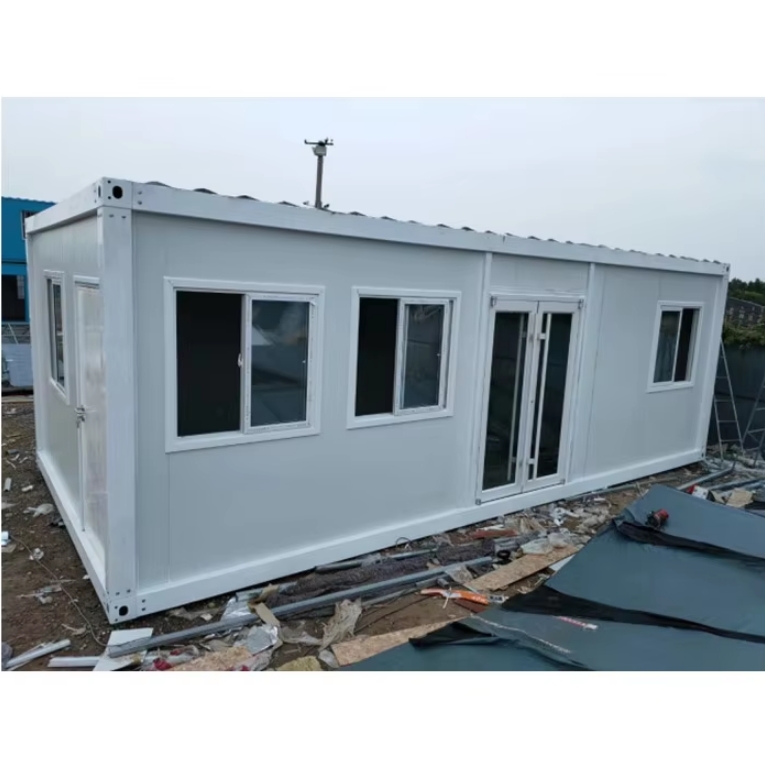
It's worth noting that the cost per square foot for containerized offices can be significantly lower than for traditional buildings, especially for smaller to medium-sized projects. For instance, a basic 20-foot container office might cost a fraction of a similarly sized traditional office space. However, as the complexity and size of the containerized building increase, the cost per square foot can start to approach that of conventional construction, though often still with a speed advantage.
Factors Influencing Containerized Office Building Costs
When conducting a containerized office building cost comparison, several variables can significantly impact the final price. Understanding these factors is crucial for accurate budgeting.
Container Type and Condition
The most basic differentiator is whether you opt for new "one-trip" containers or used containers. New containers offer a pristine starting point with minimal risk of hidden damage, but they come at a higher price. Used containers can be substantially cheaper, but they require careful inspection for rust, dents, and structural integrity. The cost of refurbishing a used container to meet office standards can sometimes offset initial savings.
Design Complexity and Customization
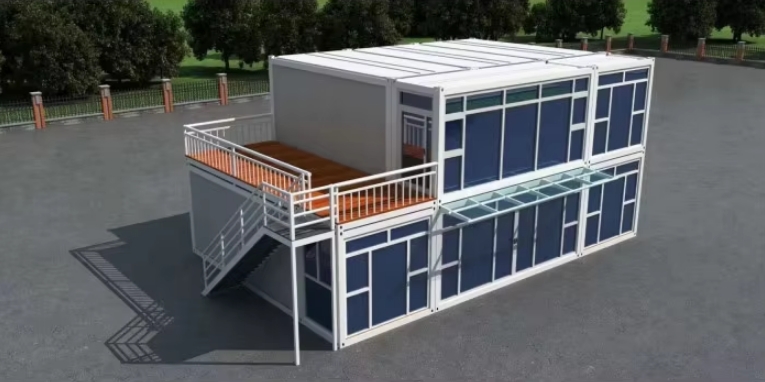
A simple, single-container office with basic amenities will be far less expensive than a multi-story complex with intricate layouts, large glass facades, and high-end finishes. The more customization you require – custom window placements, specific interior configurations, advanced HVAC systems – the higher the fabrication and labor costs will be.
Location and Site Requirements
The cost of transportation for the modules to your site is a significant factor, especially if your location is remote. Furthermore, site preparation needs can vary. While container homes often require less extensive foundations than traditional structures, some sites may necessitate more robust groundwork due to soil conditions or local building codes. Permitting and inspection fees also differ by municipality.
Insulation and Finishing Standards
To make a container habitable and comfortable as an office, proper insulation is paramount. The type and quality of insulation chosen will directly affect both the initial cost and long-term energy efficiency. Similarly, the level of interior finishing – from basic painted walls to premium flooring and custom cabinetry – will influence the overall budget.
Utilities and Infrastructure
Connecting your containerized office to essential utilities like electricity, water, and sewage can incur costs. If your site is not already serviced, trenching and laying new lines can be a substantial expense. The complexity of the internal electrical and plumbing systems also plays a role.
Advantages Beyond the Bottom Line
While the containerized office building cost comparison often highlights upfront savings, the benefits extend far beyond just the initial investment. Many experts agree that the speed of deployment is a major advantage. A containerized office can often be designed, fabricated, and installed in a matter of weeks or months, compared to the many months or even years required for traditional construction. This rapid deployment can mean getting your business operational or expanding your workspace much faster, leading to quicker revenue generation.
Durability is another key selling point. Shipping containers are designed to withstand harsh marine environments, making them incredibly robust and resistant to extreme weather conditions. When properly modified and maintained, they can offer a lifespan comparable to conventional buildings.
Furthermore, the modular nature of containerized offices offers incredible flexibility. Need to expand? Simply add more modules. Need to relocate? In some cases, the entire structure can be moved. This adaptability is a significant advantage for businesses with evolving space requirements.
Making the Right Choice: A Cost-Benefit Analysis
So, when should you lean towards a containerized office building, and when might traditional construction remain the better option? Frankly speaking, it depends on your specific needs and priorities.
For startups, small to medium-sized businesses needing quick office solutions, or companies looking for temporary or flexible workspace, containerized offices present a compelling case. The lower initial investment and rapid deployment can be game-changers. If your budget is tight and time is of the essence, a containerized office building cost comparison will likely favor this modular approach.
However, for very large-scale, highly complex, or architecturally unique building requirements, traditional construction might still offer more design freedom and integration possibilities. It's also important to consider local zoning laws and building codes, as some areas may have specific regulations regarding modular or containerized structures.
When performing your own containerized office building cost comparison, it's essential to get detailed quotes from reputable modular builders. Don't just compare the per-square-foot cost; consider the total project cost, including site preparation, utilities, permits, and any hidden fees. Also, factor in the long-term operational costs, such as energy efficiency and maintenance.
Ultimately, the decision hinges on a thorough cost-benefit analysis tailored to your business objectives. The rise of containerized office solutions offers a dynamic and often more affordable pathway to creating functional, modern, and sustainable workspaces. Have you considered the potential of modular construction for your next office project?
For more detailed information, please visit our official website:containerized office building cost
About the author: Alex Chen is a seasoned construction consultant with over a decade of experience specializing in modular and prefabricated building solutions. He possesses a deep understanding of construction economics and has guided numerous businesses through the process of selecting and implementing cost-effective, innovative office spaces. Alex is passionate about sustainable building practices and helping clients achieve their project goals efficiently.